Quick answer
Buy individual pans first if you bake once or twice a month, because you can spend the same money on the three or four shapes you actually use. Buy a set only if you bake often enough to justify the duplicates, or if you value matching sizes and a single purchase. For most home kitchens, a starter trio of a rimmed sheet pan, a round cake pan, and a loaf pan covers nearly everything.
What a set gives you that single pans don't
The main advantage of a set is not the number of pieces; it is that the pieces are designed to work together. Sheet pans, cake pans, and muffin tins in a set usually share the same gauge and finish, so they heat at similar rates and stack neatly. That consistency matters when you bake several items for one meal, such as a batch of pull-apart rolls and a tray of cookies. A set also removes the guesswork of matching sizes: you get the standard dimensions without measuring your oven or checking whether a 9-inch round pan will fit beside a 13-by-18 sheet pan.
Where sets fall short for real home bakers
Sets often include pieces you will rarely use, such as a mini muffin tin or a square pan in an odd size. Those extras take up cabinet space and can cost more than buying two good pans separately. If you already own a reliable rimmed sheet pan, a set that includes another one may be redundant. The trade-off is simple: a set lowers the per-piece price but raises the chance you pay for storage space you did not need. Before buying a set, count how many of its pieces you would use in a typical month. If the answer is fewer than half, individual pans are the better value.
How to build a starter collection without a set
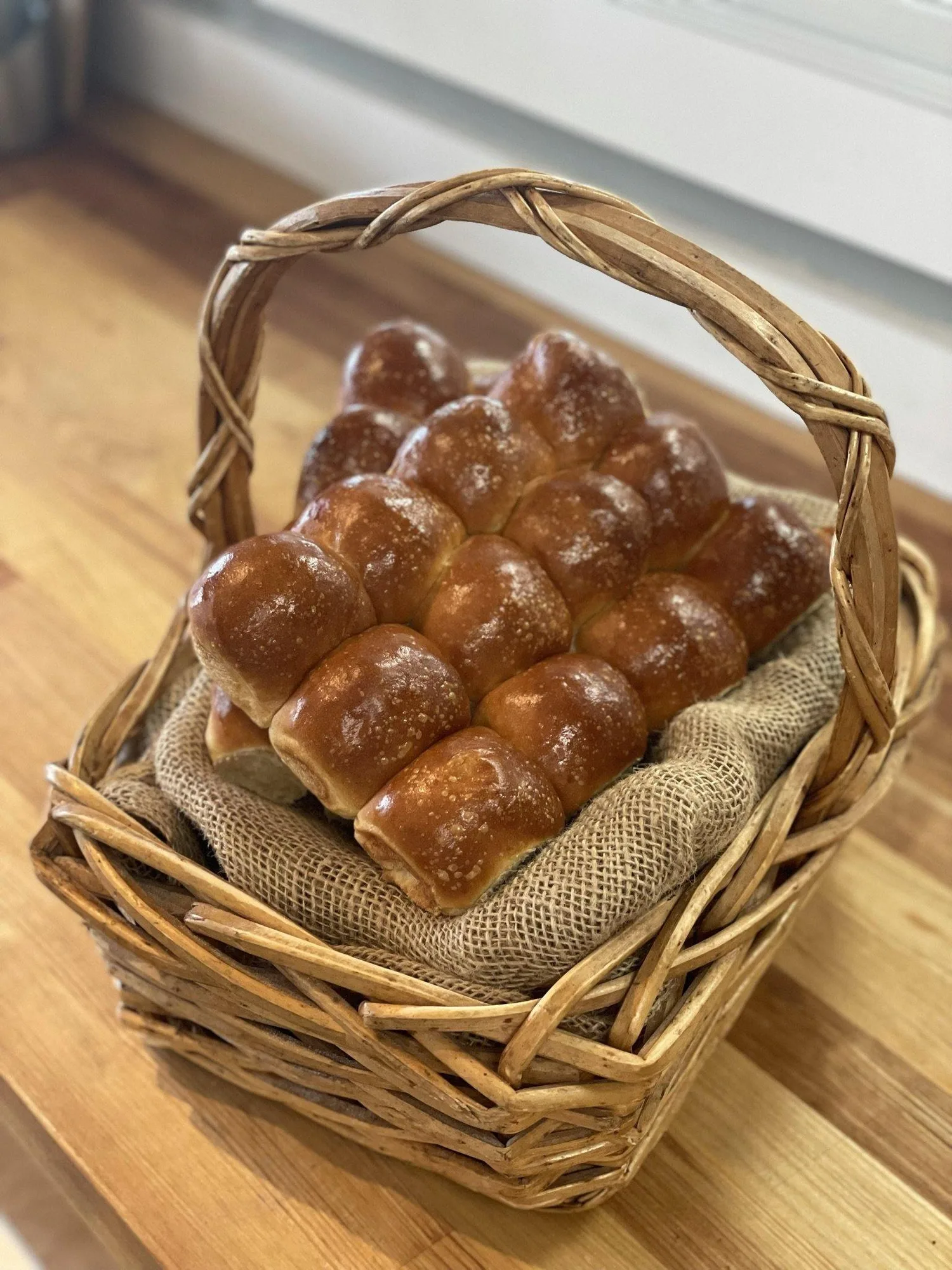
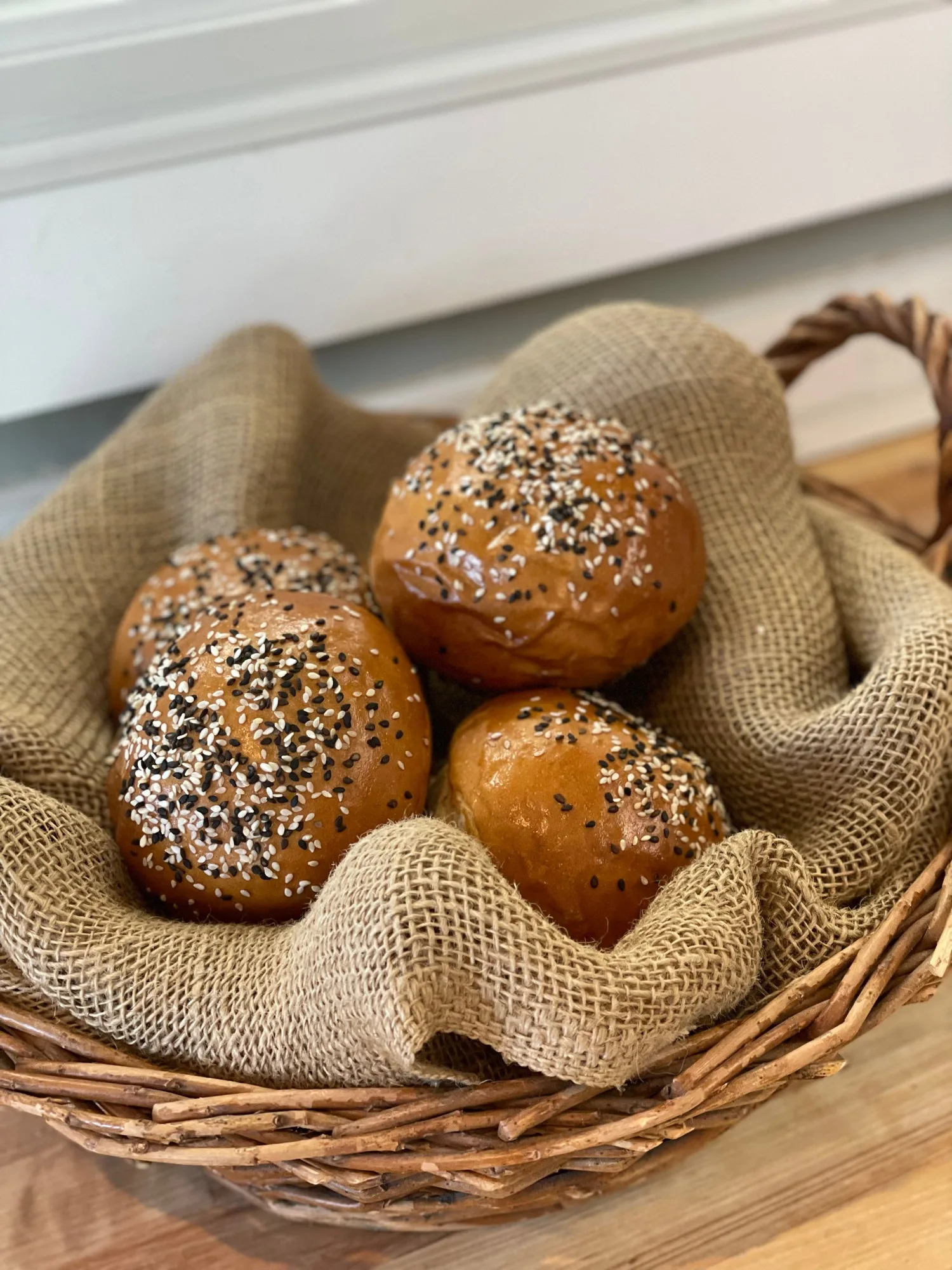
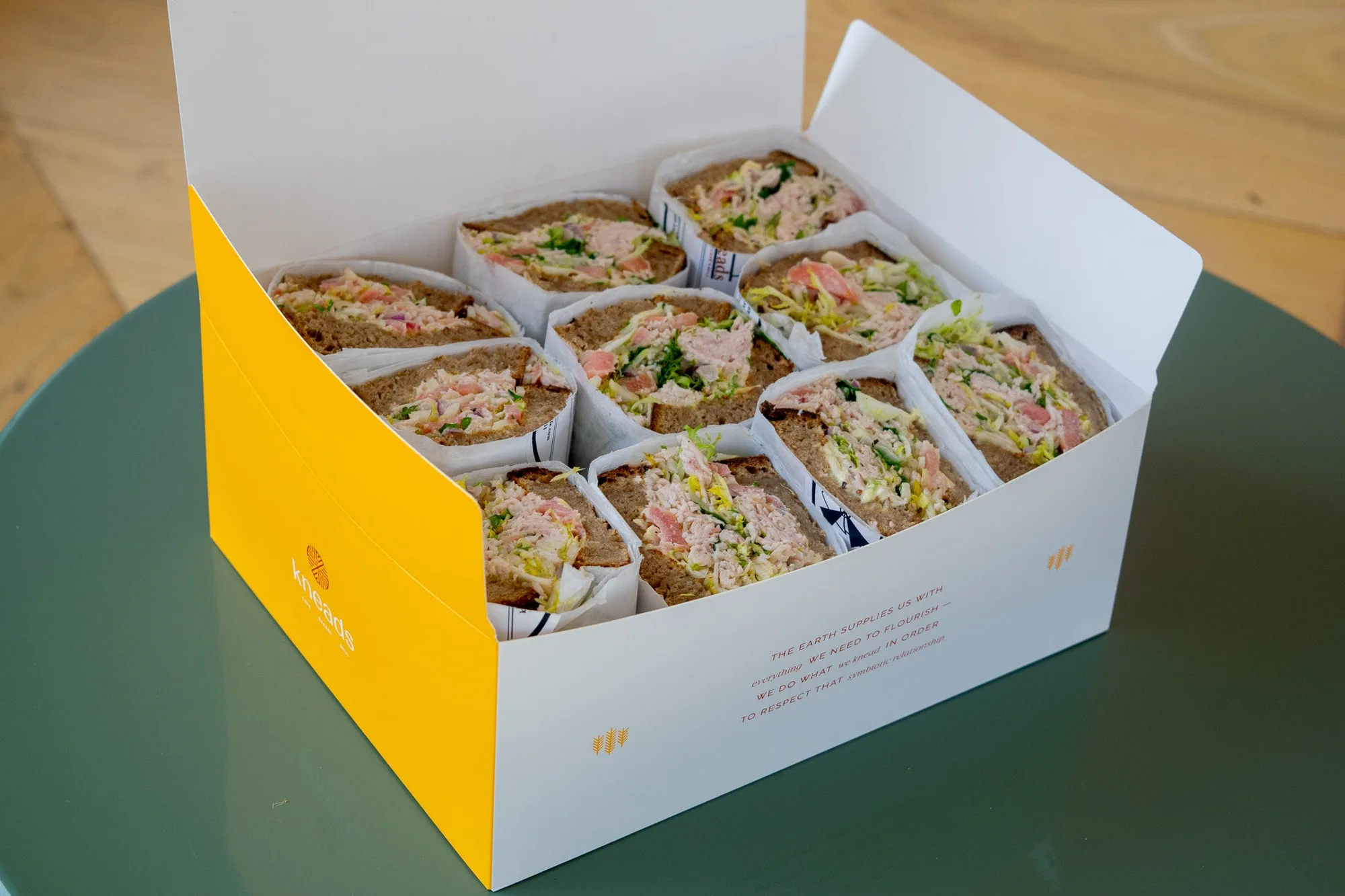
Start with a rimmed sheet pan, often called a half sheet, because it handles cookies, roasted vegetables, and sheet-pan dinners. Add one round cake pan for layer cakes and one loaf pan for quick breads. That trio covers most recipes. If you make burgers or casual gatherings, a pack of sesame soft rolls like the hamburger buns from Kneads • Bakery • Café • Mill can go straight from the bag to the table, so you do not need a bun pan at all. For shared meals, buttery pull-apart rolls sold by the dozen are another way to skip the baking step entirely and still fill a bread basket. These are not bakeware, but they are practical replacements for pans you might otherwise buy and use only a few times a year.
Bakeware set vs individual pans: the trade-offs
- Cost per piece: A set usually costs less per pan than buying the same pieces one at a time, but only if you use most of the pieces. Calculate the price of the three pieces you would actually buy alone. If the set is cheaper, it wins.
- Storage and duplicates: Sets include shapes you may already own or never use, which takes up cabinet space in small kitchens. Measure your cabinet before buying. If you cannot store every piece, buy individual pans.
- Consistency and stacking: Matching pans from one set heat evenly and stack together, which helps when baking multiple items at once. Choose a set if you regularly bake several trays or cakes for the same event.
- Buying pans you will not use: A mini muffin tin or odd-size square pan can sit unused for years while still taking up room. If more than half the set is unfamiliar, start with individual pans instead.
Products that reduce what you need to buy
- Hamburger buns: Hamburger buns from Kneads • Bakery • Café • Mill are a sesame soft roll suited to burgers and casual gatherings. If you buy buns instead of baking them, you can skip a dedicated bun pan and free up cabinet space.
- Pull Apart Rolls (dozen): Pull Apart Rolls (dozen) from Kneads are buttery parker house style rolls, sold as a set of twelve. A ready-made dozen covers a holiday or shared meal without needing a muffin tin or roll pan.
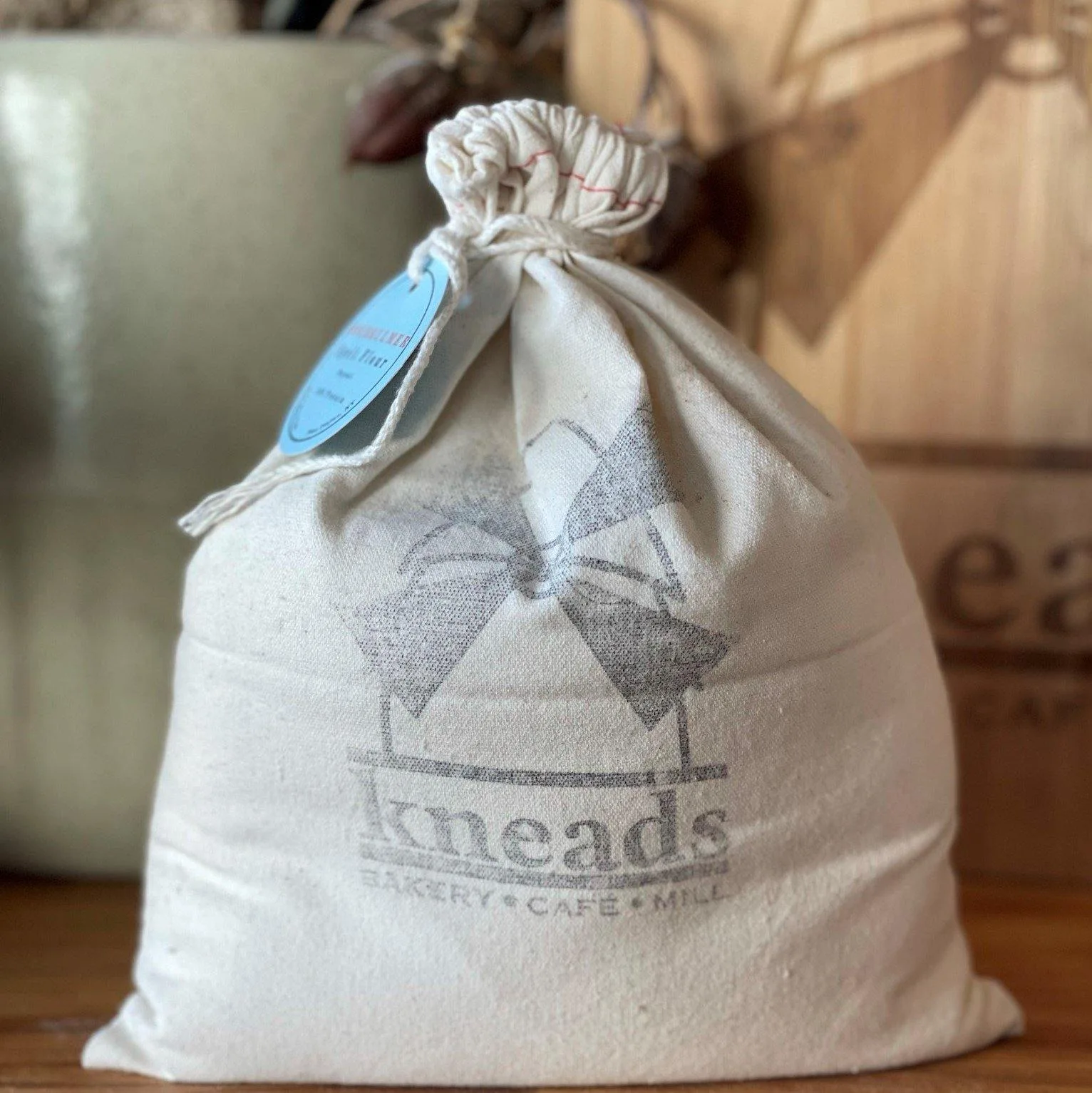
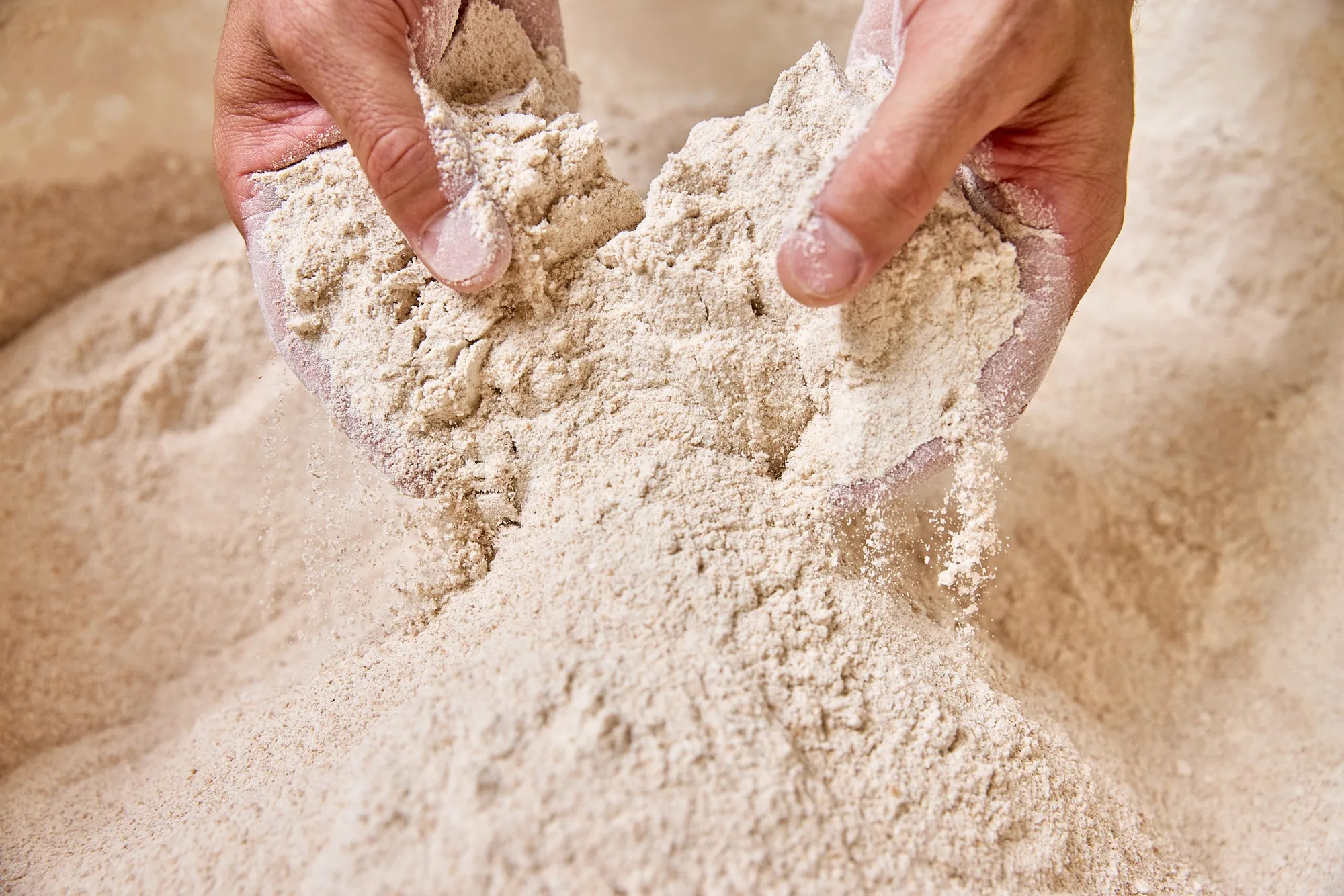
- Bulk Whole Grain Spelt Flour Organic 25#: Bulk Whole Grain Spelt Flour Organic 25# from Kneads • Bakery • Café • Mill is freshly milled whole grain flour made using the in-store New American Stone Mill. If you bake often enough to use a 25-pound bag, a set with matching pans may be worth the storage space.
Which should you choose?
Best for a set
- Bakers who bake weekly and will use most of the included shapes
- Anyone starting from zero who wants matching pans that stack and heat evenly
- Households that regularly bake for holidays or large gatherings
Best for individual pans
- Small kitchens with limited cabinet space
- Bakers who already own a sheet pan and a round cake pan
- Anyone who bakes once or twice a month and wants only the essentials