Quick answer
Choose a foam bed bumper if you want a low-profile, soft barrier that slides under the fitted sheet and won't interfere with getting in and out of bed. Choose a bed rail if your child needs a taller, more substantial barrier or if you want a rail that swings down or hides away when not in use. Both provide toddler bed fall protection, but they suit different sleepers and bed setups.
How bed bumpers and bed rails differ in practice
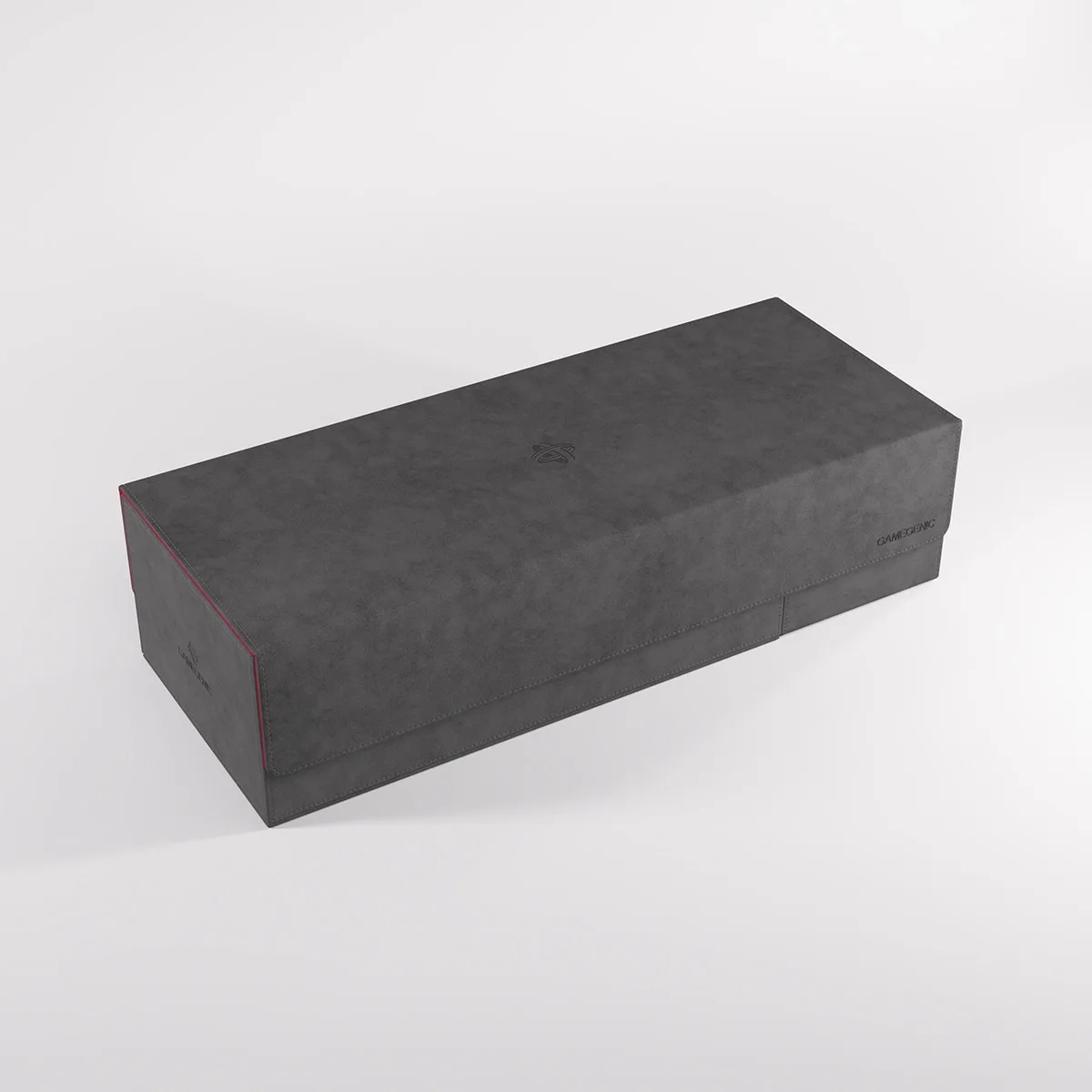
A bed bumper is a foam or inflatable cushion that rests on top of the mattress, usually under the fitted sheet. It creates a gentle ridge that helps a child feel secure and reduces the chance of rolling out. Because it sits low, it doesn't block the side of the bed, so your child can still climb in and out independently. The Regalo Single Foam Bed Bumper is 43 inches long and attaches to thick mattresses, fitting up to a queen-sized bed. It's a good fit for kids who are transitioning from a crib and just need a subtle reminder to stay centered.
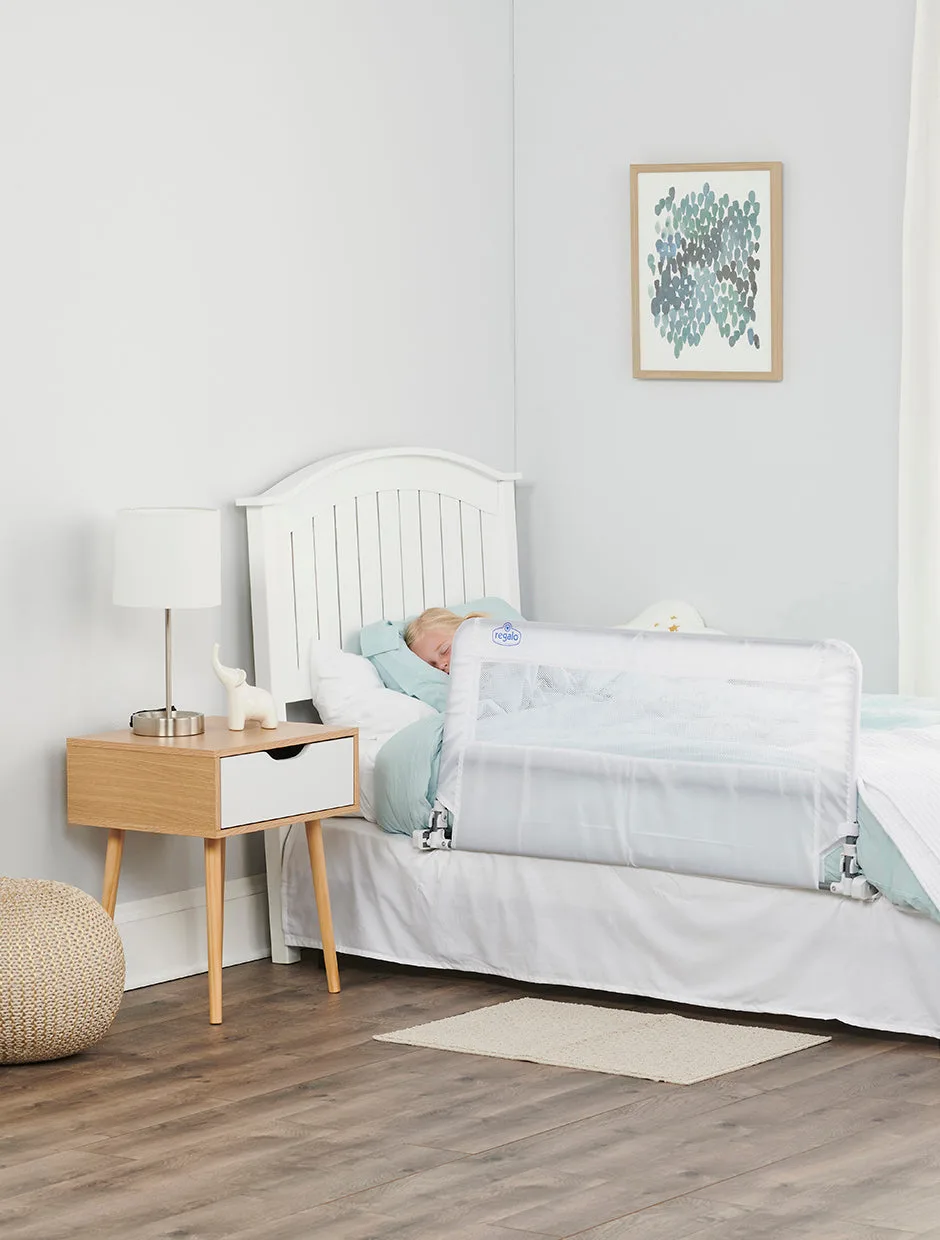
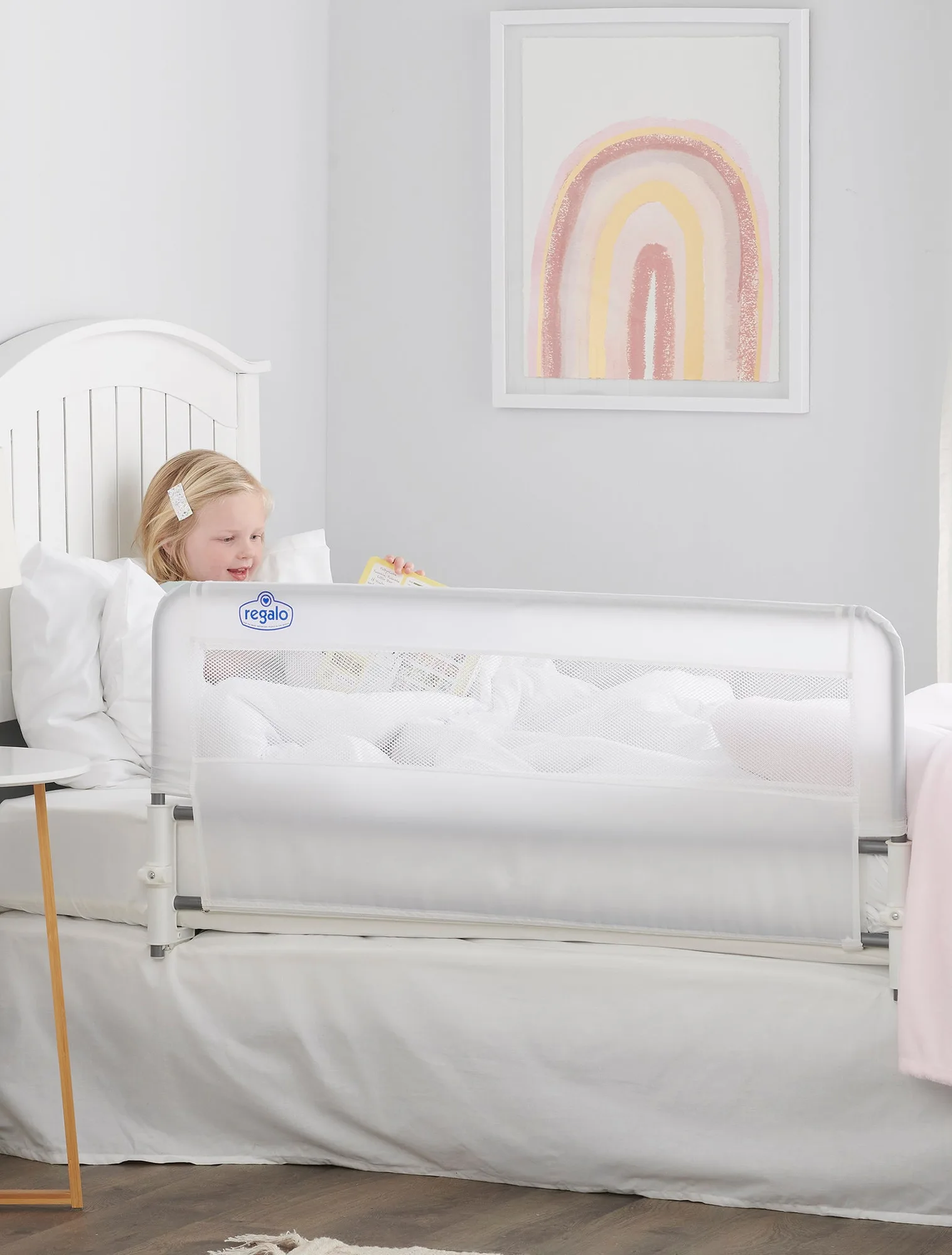
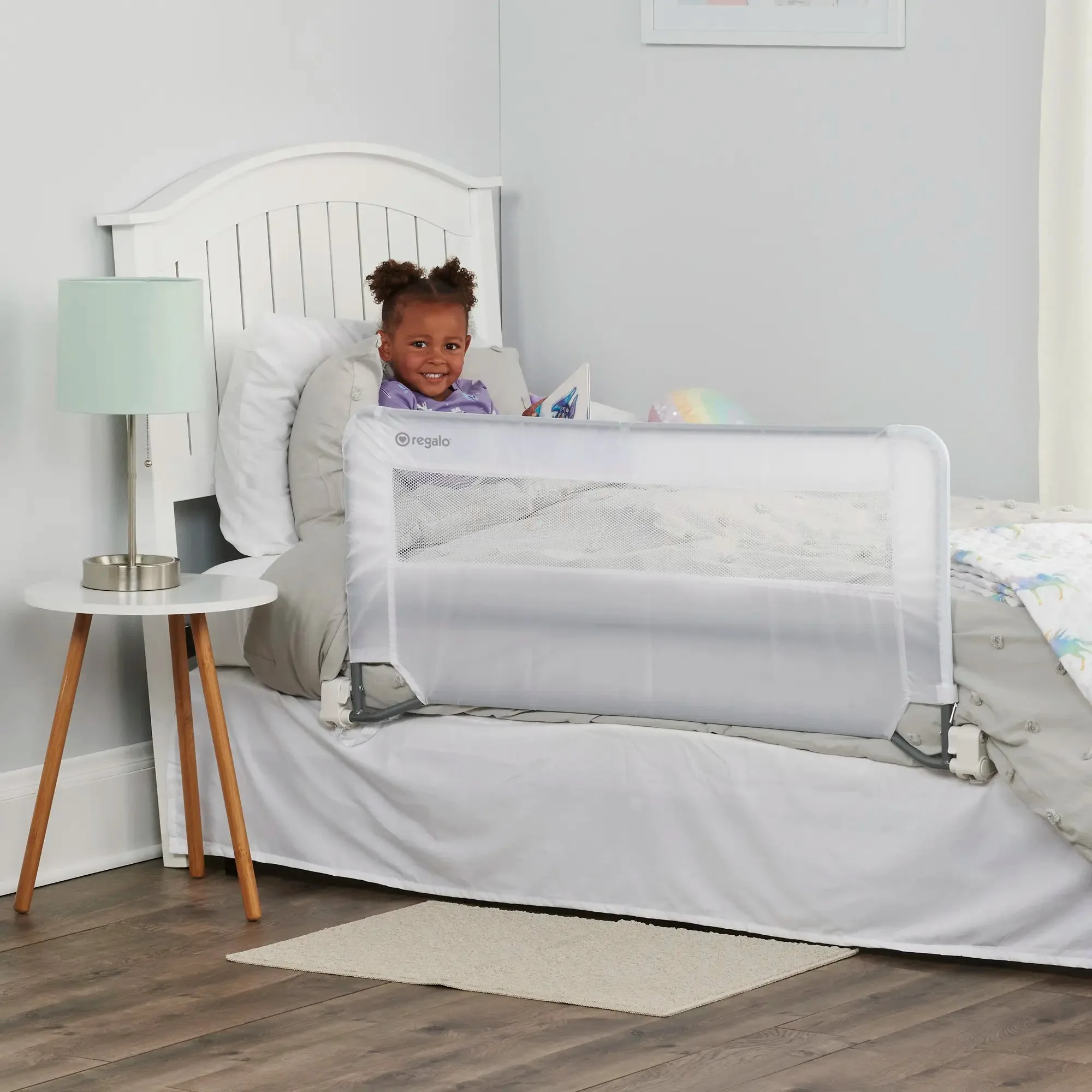
A bed rail is a metal or mesh barrier that attaches to the bed frame or mattress and stands taller than a bumper. It provides a more defined edge and is often preferred for active sleepers or higher beds. The Regalo Extra Long Swing Down Bed Rail swings down and out of the way for easy access, while the HideAway Extra Long Bed Rail uses a Glide Trac System to tuck under the mattress when not in use. Both are designed for thick mattresses and box springs, and fit up to a queen-sized mattress.
Swing Down Bed Rail
When a foam bed bumper makes more sense
Foam bed bumpers shine when you want a simple, low-maintenance solution that doesn't change the look or feel of the bed. They are lightweight, easy to install, and typically cost less than bed rails. Because they sit under the sheet, there are no bars or mesh panels to clean around, and nothing to swing down or adjust. For a child who mostly stays put but occasionally rolls toward the edge, a bumper can be enough.
However, a bumper is not a substitute for a rail if your child is a restless sleeper or if the bed is high off the ground. It won't stop a determined roll, and it doesn't provide a handhold for getting in and out. Also, some bumpers are only designed for one side of the bed, so you may need two if your child sleeps against a wall on one side. The Regalo Single Foam Bed Bumper is a single unit, so plan accordingly.
When a bed rail is the better choice
Bed rails offer a taller, more secure barrier and are often the go-to for toddlers who move a lot during sleep. They attach firmly to the bed and can be swung down or hidden away, which is helpful for making the bed or for older kids who no longer need the rail but still want the option. The swing-down feature on the Regalo Extra Long Swing Down Bed Rail means you don't have to remove the whole rail when it's not in use.
The trade-off is that rails cost more, take longer to install, and may require a box spring or specific bed frame. They also add a visible piece of equipment to the bed, which some families don't want. And while they provide a strong barrier, they can make it harder for a child to get out of bed independently, especially if the rail doesn't swing down easily.
Installation and fit considerations
Before choosing, measure your mattress thickness and bed type. The Regalo Single Foam Bed Bumper attaches to thick mattresses and fits up to a queen-sized bed, but it requires a mattress and box spring. The Regalo Extra Long Swing Down Bed Rail and HideAway Extra Long Bed Rail also fit up to a queen-sized mattress and attach to thick mattresses, but the HideAway model is designed for only one side of the bed. If you need protection on both sides, you'll need two HideAway rails or a different configuration.
Check whether your bed frame can accommodate a rail. Some platform beds or beds without a box spring may not work with certain rail models. Bumpers are more forgiving because they simply rest on the mattress, but they still need a fitted sheet to hold them in place. If you have a very thick mattress or an unusual bed setup, a bumper may be the simpler choice.
Trade-offs at a glance
- Barrier height and security: Bed rails are taller and provide a more substantial barrier than foam bumpers. If your child is an active sleeper or the bed is high, a rail offers more peace of mind. Choose a rail if your child rolls forcefully or the bed is elevated.
- Independence and access: Foam bumpers sit low, so kids can easily get in and out. Bed rails, even swing-down models, add a step or barrier that may require adult help for younger toddlers. Choose a bumper if you want your child to maintain independent bed access.
- Installation and bed compatibility: Bumpers are simple: place on mattress, cover with sheet. Rails require attachment to the bed frame or box spring and may not fit all bed types. The Regalo HideAway rail is for one side only. Check your bed setup before buying a rail; bumpers are more universally compatible.
Product facts
- Single Foam Bed Bumper: The Regalo Single Foam Bed Bumper is 43 inches long and attaches to thick mattresses, fitting up to a queen-sized bed. This length covers a good portion of the bed edge and works with common mattress sizes, but it's a single bumper, so you may need two for full coverage.
- Extra Long Swing Down Bed Rail: The Regalo Extra Long Swing Down Bed Rail swings down and out of the way, making it easy to access the bed. The swing-down feature is convenient for making the bed and for kids who want to get in and out without a barrier in the way.
- HideAway Extra Long Bed Rail: The Regalo HideAway Extra Long Bed Rail uses a patented Glide Trac System to tuck under the mattress and out of your way when not in use. This rail hides completely when not needed, which is great for older kids or for keeping the bed looking tidy, but it's designed for only one side of the bed.
Which option fits your family?
Best for
- Children transitioning from crib to bed who just need a gentle reminder to stay centered
- Parents who want a low-cost, low-profile solution that doesn't alter the bed's look
- Beds where a rail cannot be installed due to frame type or box spring absence
Not for
- Restless sleepers who roll forcefully and need a taller barrier
- Beds that are high off the ground or have a child who sleeps alone and needs maximum protection
- Families who want a barrier that can be swung down or hidden away