Quick Answer
Take beet root extract consistently, ideally with a meal, and track your blood pressure readings for at least two to four weeks before judging whether it helps you. Start with the serving size on the label rather than guessing, and keep your usual monitoring routine so you can compare real numbers.
beet root
Beet root extract is popular for natural blood pressure support because beets are a source of dietary nitrates, which the body can convert into nitric oxide. Nitric oxide helps blood vessels relax, and that is the main reason people look at beet root for circulation. But getting a real benefit is less about buying the strongest bottle and more about how you use it.
This guide walks through a practical routine: check your baseline, pick a product with clear labeling, dose consistently, time it around meals and workouts, and track results without overreacting to single readings. If you take blood pressure medication, do not change anything without talking to your doctor first.
Why Beet Root Extract Is Used for Blood Pressure Support
Beets contain naturally occurring nitrates. In the body, these nitrates can be converted to nitrite and then to nitric oxide, a molecule that signals blood vessels to widen. That widening can support healthy circulation and may help maintain blood pressure already within a normal range. This is why beet root is often grouped with nitric oxide supplement ingredients.
Extract versus beet juice matters. A concentrated extract gives you a consistent amount per capsule, which makes it easier to repeat the same intake daily. Juice can vary in nitrate content depending on the crop and processing. For a daily routine, consistency is usually more useful than chasing a single large dose.
- Beet root extract is not a replacement for prescribed blood pressure medication.
- If you are pregnant, nursing, or managing a heart condition, ask your clinician before starting.
How to Choose a Beet Root Extract
Look for a product that states the amount of beet root per serving and whether it is organic. A clear label tells you what you are actually taking, which matters when you are trying to keep intake steady. If a label hides the amount behind a proprietary blend, you cannot compare it to your routine later.
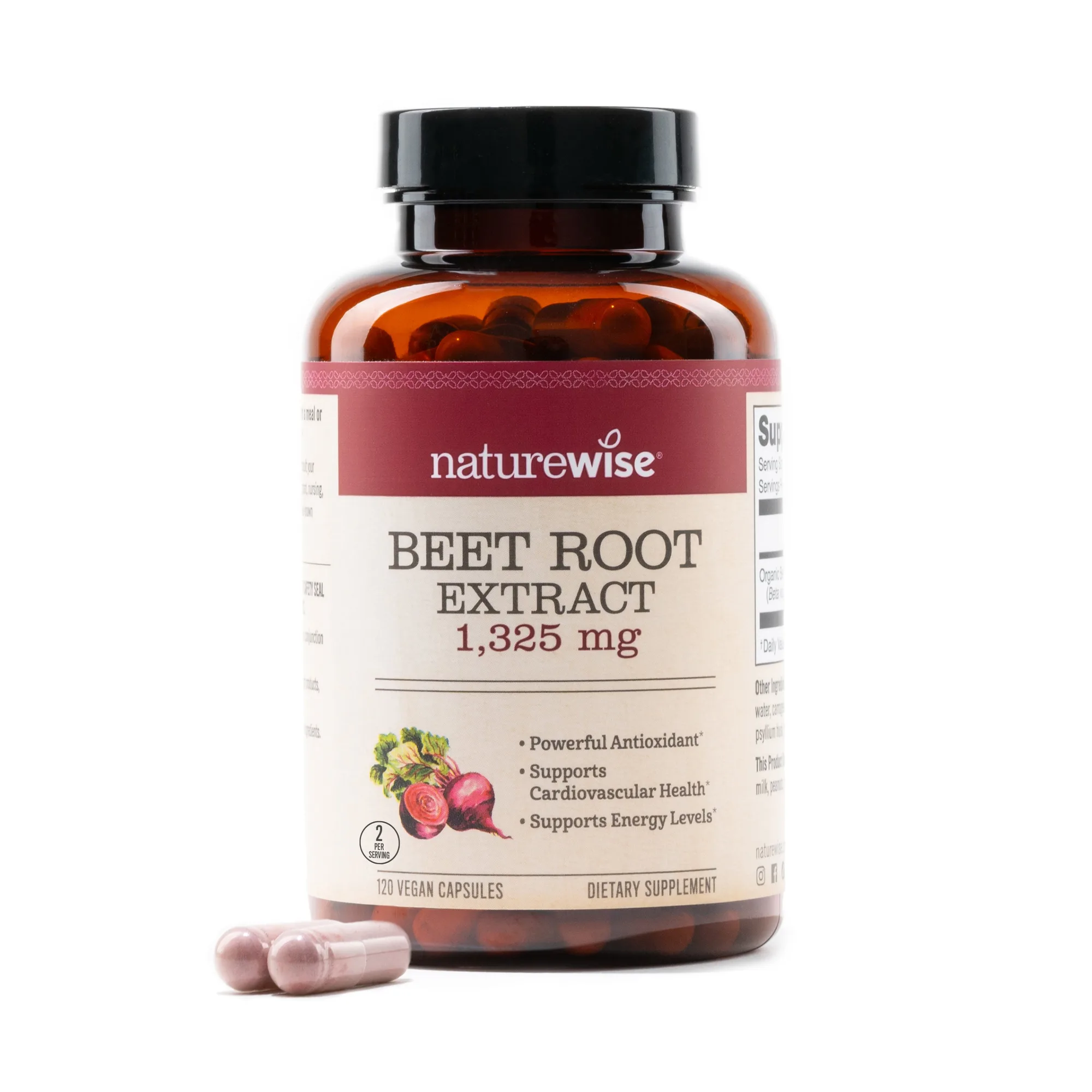
NatureWise Beet Root provides 1325 mg of organic beet root per two-capsule serving, is vegan, and lists antioxidant activity, heart health, and nitric oxide synthesis as its supported areas. That level of detail is useful because it gives you a fixed daily amount to work with instead of a vague 'beet blend.'
- Check the serving size: two capsules is a different dose than one.
- Choose a product with a stated milligram amount per serving.
Step-by-Step: Building Your Beet Root Routine
Start by writing down your current blood pressure readings for a week using your normal monitor and timing. This baseline is the only fair comparison you will have. Then choose one beet root extract product, note its serving size, and take it at the same time each day, usually with a meal to reduce stomach upset.
Give it at least two to four weeks of consistent use before deciding whether it helps. During that time, keep your other habits stable: sleep, caffeine, alcohol, and exercise. If you change five things at once, you will not know what made the difference. Track readings in a simple log, and note anything unusual like headaches, digestive changes, or dizziness.
- Take it with food if you notice stomach discomfort on an empty stomach.
- Do not double up on a missed dose; just continue with your normal schedule.
Timing, Dosage, and Common Mistakes
Beetroot extract dosage is not one-size-fits-all. The safest starting point is the serving size printed on your product, not a number from a forum. If you want to adjust, do it slowly and one change at a time. Some people prefer taking beet root before exercise because nitric oxide is involved in blood flow, but there is no rule that requires it.
The most common mistake is stopping after a few days because one reading looked the same. Blood pressure fluctuates hour to hour, so single readings are noisy. Another mistake is taking beet root with a new stimulant or energy drink at the same time, which makes it impossible to tell what is affecting your numbers. Keep your routine boring and repeatable.
- Measure at roughly the same time of day for fair comparisons.
- Avoid stacking multiple nitric oxide products without professional guidance.
What to Track and When to Reassess
Log your readings, the time you took beet root, and any side effects. After four weeks, look at the trend rather than one number. If your readings are stable and you feel well, you can continue. If nothing changes, beet root may simply not be the right fit for you, and that is useful information too.
If your blood pressure is consistently higher than your target range, or if you feel dizzy, faint, or unusually fatigued, stop and speak with a healthcare professional. Natural blood pressure support works alongside medical care, not instead of it.
- Bring your log to your next doctor visit so they can see the full picture.
- Reassess every few months rather than assuming the routine stays right forever.
Your Beet Root Extract Checklist
- Check your baseline first: Record your blood pressure at the same time each day for one week before starting beet root extract. Without a baseline, you cannot tell whether the extract is doing anything.
- Pick one product and read the serving size: Choose a beet root extract with a clear milligram amount per serving, and note whether the serving is one capsule or two. A vague label makes consistent dosing impossible.
- Take it at the same time daily with food: Set a daily reminder and take your beet root extract with a meal to reduce the chance of stomach upset. Consistency beats intensity for natural blood pressure support.
- Track readings and side effects for four weeks: Log your blood pressure, the time you took the extract, and any changes in how you feel. Four weeks gives you enough data to see a trend instead of a single noisy reading.
- Reassess with your doctor: Bring your log to a healthcare professional, especially if you take blood pressure medication or feel unwell. Beet root extract supports your routine; it does not replace medical care.
Beet Root Product Facts
- Beet Root: 1325 mg organic beet root per 2-capsule serving; vegan; supports antioxidant activity, heart health, and nitric oxide synthesis. A stated milligram amount per serving makes it easier to keep your daily intake consistent, which is the foundation of any beet root blood pressure routine.
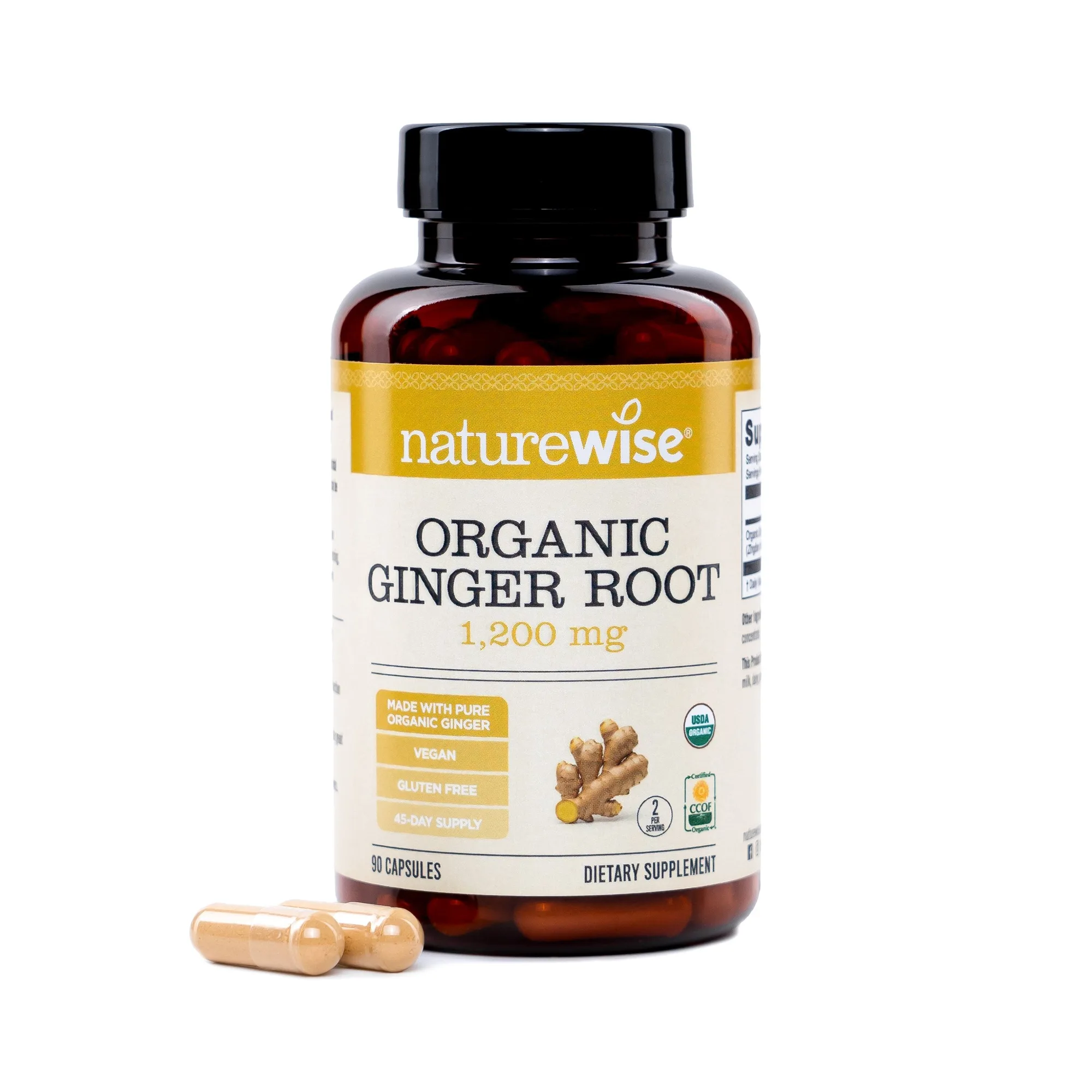
- Ginger Root: 1200 mg pure organic ginger root per serving; USDA Organic, CCOF-certified, vegan, non-GMO, gluten free; supports digestive comfort, immune health, heart health, and healthy inflammatory response. If beet root upsets your stomach, ginger is a gentle companion for digestive comfort while you build your routine.
Beet root extract can be a practical part of a natural blood pressure support routine when you use it consistently, track real readings, and stay honest about what the numbers show. Start with a clear product, a fixed serving size, and patience, then reassess with your doctor.