Quick answer
A beginner sewing kit bundle should include a project pattern, fabric, and the notions you need to finish it. If you are new to sewing, choose a bundle with clear instructions and a project you actually want to use. For a first tote, the Lincoln Tote Bag Sewing Project Kit or Market Tote Bag Sewing Kit are practical choices. If you want a low-risk gift or a quick win, the Doll Pajama Sewing Kit fits standard 18-inch dolls and uses simple elastic-waist construction.
A beginner sewing kit bundle takes the guesswork out of starting a new hobby. Instead of hunting down a pattern, fabric, and the right notions separately, you get a curated set that matches one project. That matters because most first-time sewing frustration comes from missing supplies or unclear instructions, not from lack of skill.
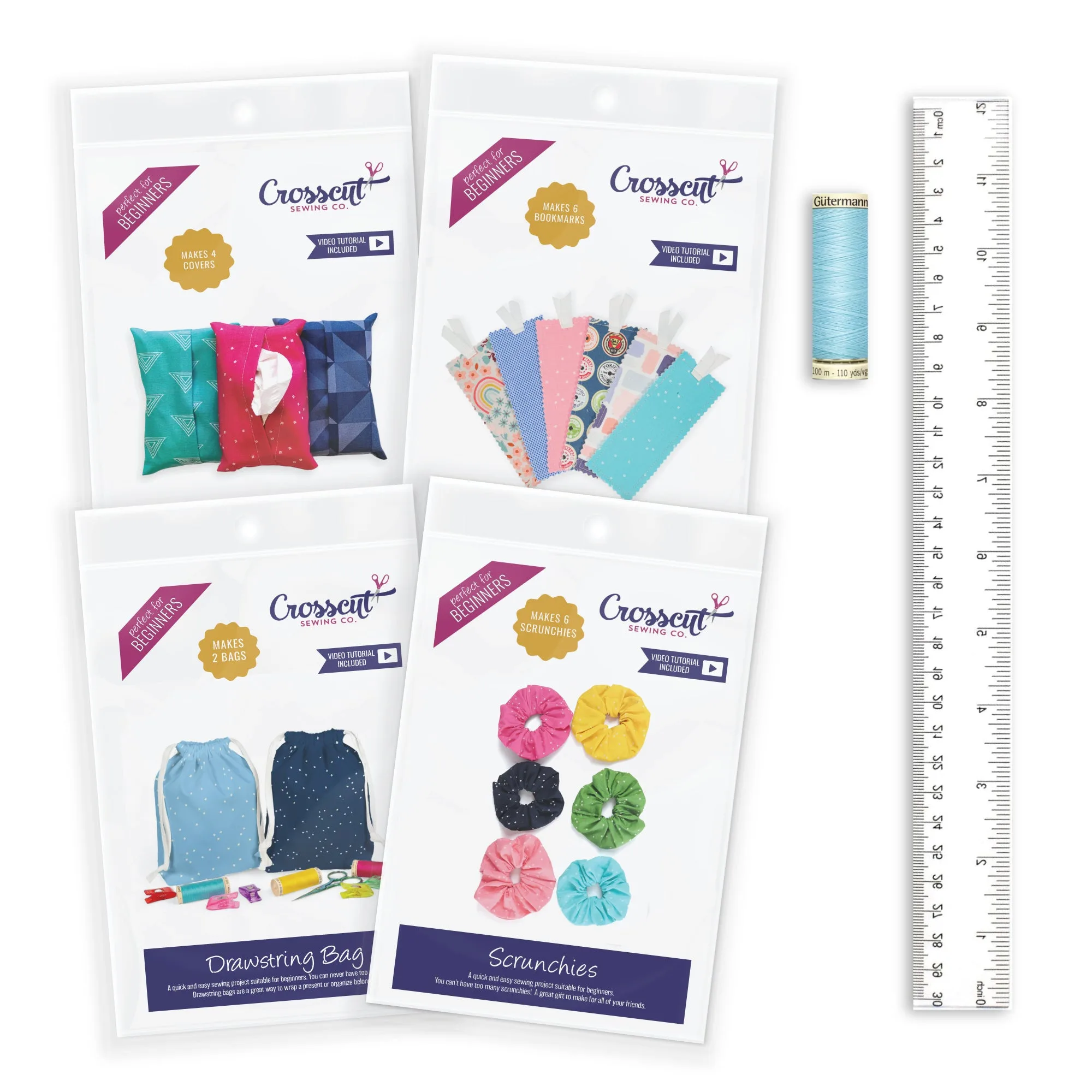
This guide explains what belongs in a starter sewing kit, how to use each piece, and how to decide between a full project bundle and assembling your own supplies. You will also see real examples from Crosscut Sewing Co. so you can compare options without leaving the page.
What’s in a beginner sewing kit bundle
Most beginner sewing kit bundles include three core parts: a pattern, fabric, and notions. The pattern tells you what to cut and sew. The fabric is pre-measured or cut to size. Notions are the small tools and closures—things like thread, elastic, buttons, or a point turner—that help you finish edges and details. Some kits also include a printed tutorial or access to a video walkthrough.
When you open a bundle, separate the contents into three piles: pattern and instructions, fabric pieces, and notions. Read the instructions once before you cut or sew anything. This step alone prevents most beginner mistakes, like sewing the wrong sides together or missing a step that is easier to do before assembly.
- Check that the pattern size or finished dimensions match what you want to make.
- Confirm the fabric is pre-washed if the instructions call for it.
- Set aside any notions you will not use right away so they do not get lost.
How to use a sewing kit for beginners
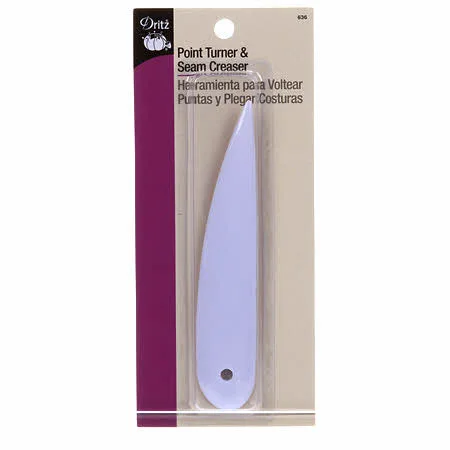
Start by reading the pattern from beginning to end. Then gather your tools: sewing machine, pins or clips, scissors, iron, and the notions included in the kit. If the kit includes a point turner and presser, keep it nearby—it helps turn corners cleanly and press seams flat as you go. Pressing as you sew is the difference between a homemade look and a polished finish.
Sew in the order the pattern lists. Most beginner kits break construction into small steps: prepare fabric, sew main seams, add handles or closures, then turn and press. Do not skip the pressing steps. If you get stuck, pause and re-read the last two steps before unpicking anything. Many ‘mistakes’ are just steps done out of order.
- Test your stitch length and tension on a scrap of the kit fabric first.
- Use a ½-inch seam allowance unless the pattern says otherwise.
- Clip curves and trim bulk before turning the project right side out.
How to choose a starter sewing kit
Choose based on the project, not the price tag alone. A tote bag kit teaches straight seams, boxed corners, and handle attachment. A doll pajama kit teaches elastic waists and reversible construction. Both are beginner-friendly, but they build different skills. Pick the one that matches what you want to make first, because finishing something you actually like keeps you sewing.
Also look at what the kit does not include. Some bundles assume you already own a machine, thread, and basic cutting tools. Others include everything but the machine. If you are starting from zero, factor in a sewing machine, extra bobbins, and a seam ripper. If you already own those, a project bundle like the Lincoln Tote Bag Sewing Project Kit or Market Tote Bag Sewing Kit gives you a focused next step.
- Check the finished size—especially for bags and garments—so it fits your needs.
- Look for kits that name the fabric and notions so you can restock later.
- Prefer kits with step-by-step instructions over those that only show a photo.
Project bundle vs. buying supplies separately
A project bundle saves time and reduces decision fatigue. You get fabric and notions that are already matched, which is helpful when you are still learning what ‘quilting cotton’ or ‘interfacing’ means. The trade-off is less choice: you sew the project in the kit, not a pattern you picked yourself.
Buying separately gives you more control over fabric print, color, and quality. It also costs more upfront and requires you to know what to buy. If you already have a fabric stash and basic notions, buying a pattern and a solid fabric like Rose Painter’s Palette Solid from Paintbrush Studio Fabrics may be the better route. If you want a guaranteed finish, start with a bundle.
- Bundles are best for first projects and gifts.
- Separate supplies are best when you already know your preferences.
- You can always buy a bundle, then reuse the pattern with your own fabric later.
Decision rules for your first sewing kit
- If you have never used a sewing machine: Choose a kit with straight seams and few pattern pieces, like the Market Tote Bag Sewing Kit. Practice on scrap fabric first. Finish one simple project before adding zippers or curves.
- If you want a quick gift or a confidence boost: Pick the Doll Pajama Sewing Kit. It fits standard 18-inch dolls and uses elastic and reversible construction, so it is forgiving. Great for kids and beginners who want a finish in one sitting.
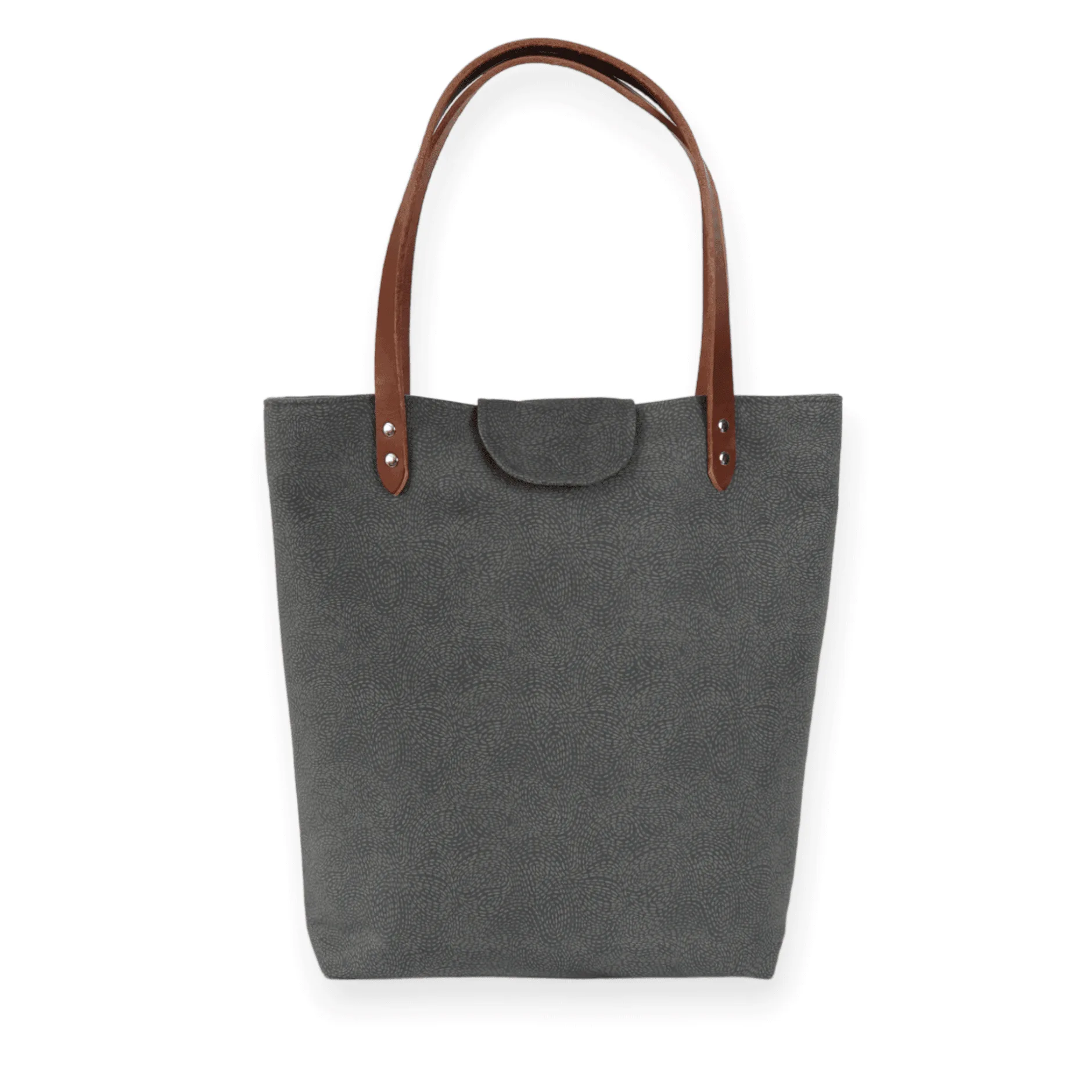
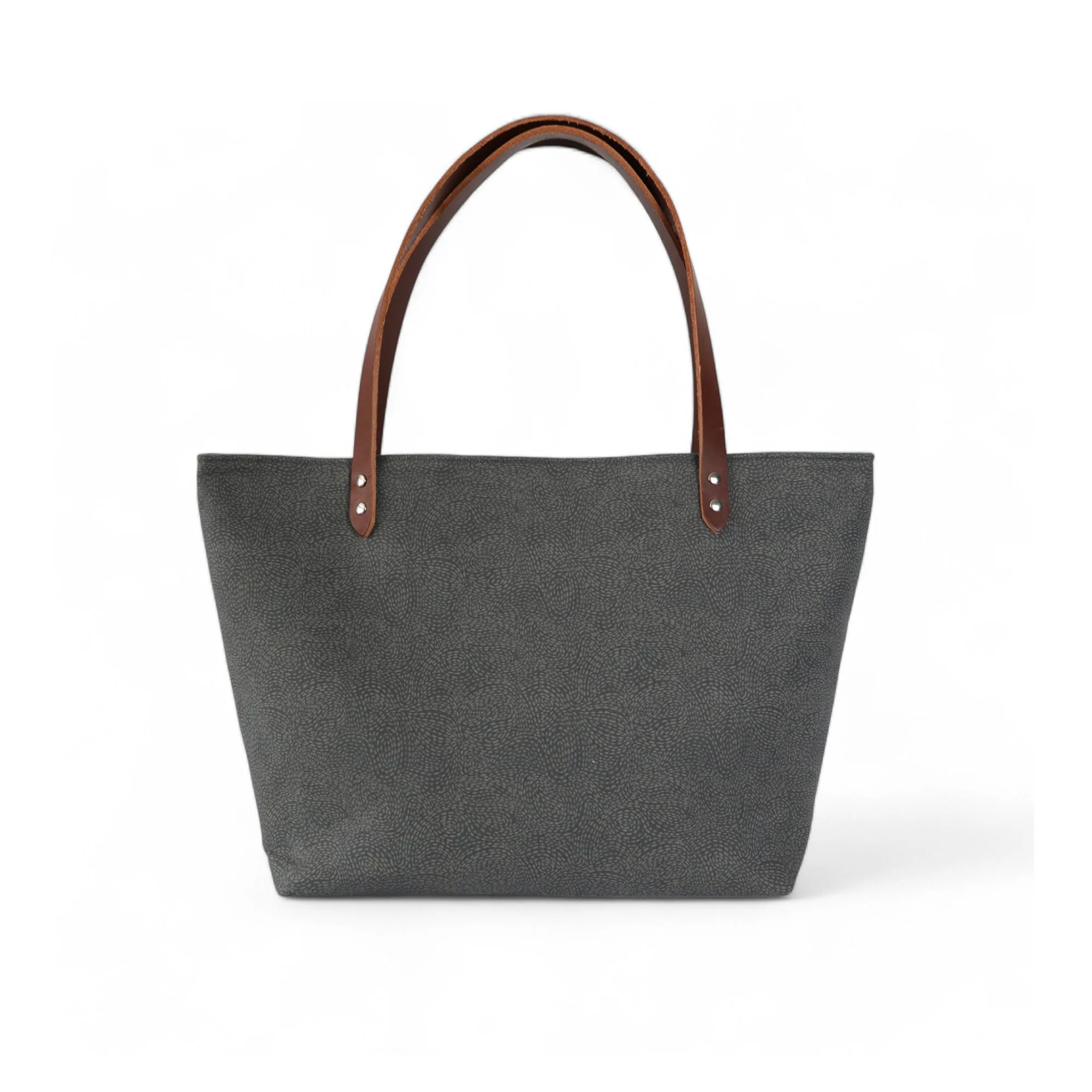
- If you already own basic tools and want a useful bag: Choose the Lincoln Tote Bag Sewing Project Kit for leather handles and a structured shape, or the Market Tote for a softer everyday carryall. Both teach handle attachment and boxed corners, which transfer to other bags.
- If you care about fabric choice: Buy a pattern and your own fabric, such as Rose Painter’s Palette Solid from Paintbrush Studio Fabrics, instead of a full bundle. More control, but you will need to source notions separately.
Beginner sewing kits and supplies worth knowing
- Lincoln Tote Bag Sewing Project Kit: Beginner-friendly tote bag kit with leather handles, designed for work, errands, or travel; the shape fits under the arm and handles sit on the shoulder or carry in hand. A structured tote teaches straight seams and handle attachment, and the finished bag is useful enough to carry daily.
- Doll Pajama Sewing Kit: Beginner-friendly kit that fits standard 18-inch dolls, with elastic waist pants and a reversible top; includes clear, detailed instructions. A low-cost, quick project that builds confidence and makes a thoughtful gift for young makers.
- Market Tote Bag Sewing Kit: Beginner-friendly everyday carryall kit with pattern and fabric; designed for work, knitting projects, errands, or travel. A practical first bag that teaches boxed corners and handle construction without overwhelming detail.
- Dritz Point Turner and Presser: Turns points, creases seams, or removes basting stitches. A small, inexpensive notion that makes corners crisp and seams flat, which improves the look of any beginner project.
Who should buy a beginner sewing kit bundle
Best for
- Absolute beginners who want one project with everything included
- Gift-givers looking for a creative, screen-free activity
- Sewists who want a quick, satisfying project between larger quilts or garments
Not for
- Experienced sewists who already have a fabric stash and prefer choosing their own materials
- Shoppers who need a specific size, fit, or fabric print that the kit does not offer
- Anyone who does not own a sewing machine and does not want to buy one
A beginner sewing kit bundle works best when the project matches what you want to make and the instructions match how you learn. Start with one kit, read the pattern fully, press as you sew, and finish it before buying the next. That first finished project teaches more than any pile of supplies.