Quick Answer
If you're new to whips, start with a cowhide bullwhip around 6 feet—it's forgiving and affordable. For performance cracking, a kangaroo hide whip offers better balance and durability. Always prioritize safety gear and proper technique.
Whips are fascinating tools with a rich history, but choosing your first one can be overwhelming. With so many types—bullwhips, stockwhips, snake whips, and floggers—each serves a different purpose. This guide breaks down the basics to help you make an informed choice.
Whether you're interested in whip cracking as a sport, using a flogger in a BDSM context, or just curious about these leather tools, understanding the differences is key. We'll cover types, uses, and safety so you can start with confidence.
Understanding Whip Types
Bullwhips are the classic Indiana Jones-style whip, typically with a rigid handle and a long tapered thong. They're designed for precision cracking and are great for performance. Stockwhips have a longer handle and are used in Australian cattle work; they're easier to control for beginners due to the handle length. Snake whips are shorter and flexible, often used in close-quarters performance.
Floggers, on the other hand, are impact toys used in BDSM, not for cracking. They consist of multiple falls that deliver a thuddy or stingy sensation. Each type has a learning curve, so consider your primary interest before buying.
- Bullwhip: Best for cracking sports and performance.
- Stockwhip: Easier for beginners due to longer handle.
- Snake whip: Compact and flexible for close-range use.
- Flogger: For sensory play, not cracking.
Choosing Your First Whip
Material matters: cowhide is durable and affordable, while kangaroo hide is lighter and stronger, making it ideal for advanced cracking. For a beginner, a 6-foot cowhide bullwhip is a good starting point—it's long enough to learn proper technique but not too heavy. If you're serious about cracking, consider kangaroo hide for better performance.
Construction also affects performance. Look for a whip with a leather core, bolsters, and braided bellies; this ensures proper weight distribution and a smooth crack. Avoid cheap synthetic whips that lack balance.
- Start with 6 feet—easier to control.
- Cowhide for budget, kangaroo for performance.
- Check for leather core and braided bellies.
Whip Safety Basics
Whips can cause serious injury if misused. Always wear eye protection, and practice in an open area away from people and animals. Never aim at anyone. Learn proper stance and technique from instructional videos or classes before attempting advanced moves.
Inspect your whip regularly for damage, especially the fall and cracker. Replace worn parts to maintain safety and performance. Store your whip properly to prevent mold and cracking.
- Wear safety glasses.
- Practice in open spaces.
- Check whip condition before each use.
Decision Rules for Your First Whip
- Purpose: Define your goal: cracking sport, performance, or BDSM impact. Choose a bullwhip for cracking, flogger for impact.
- Material: Cowhide is affordable and durable; kangaroo is lighter and stronger. Start with cowhide, upgrade to kangaroo later.
- Length: Shorter whips (3-6 ft) are easier for beginners; longer (8+ ft) offer more reach but require skill. Pick 6 feet as a versatile starting length.
Product Insights
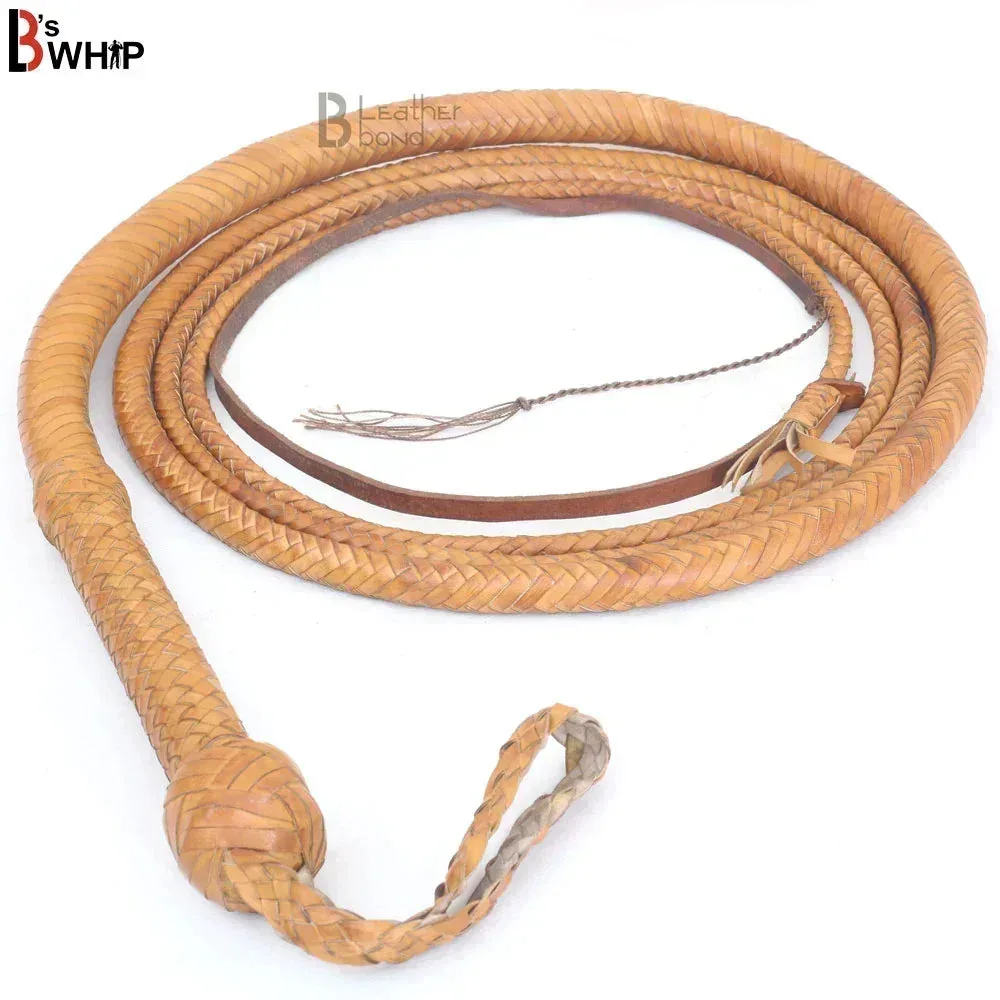
- Tan Kangaroo Hide Bull Whip | 6 to 16 Feet | 16 Strands | Built for Whip Cracking – Leather Bond: Warm, natural tan leather. Sixteen strands of precision braid. Crafted from premium kangaroo hide. Kangaroo hide is the strongest leather for whips, offering durability and a crisp crack—ideal for those advancing in the sport.
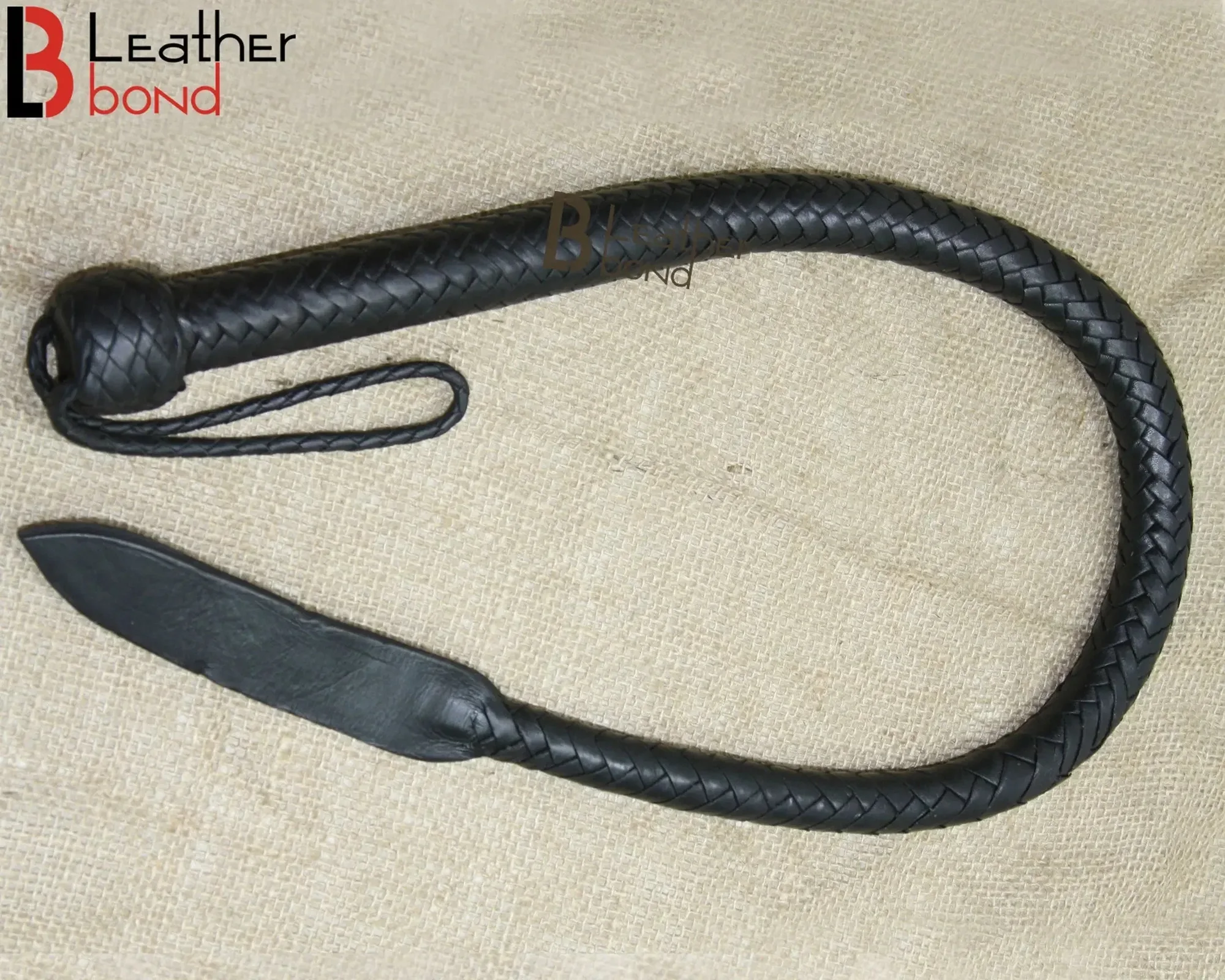
- Bull Whip 3 Feet 16 Strands Cow Hide Real Leather Dragon Tail Single Tail Spanking Bullwhip Black: Genuine Cow Hide Leather Overlay. Fully Hand Crafted with 8 Plaits. Includes Turks Head Knot and wrist loop with 12 inches Fall and 8 inches cracker. A shorter cowhide whip is a budget-friendly option for beginners to learn cracking without overwhelming length.
Fit Guidance
Best For
- Beginners wanting to learn whip cracking as a hobby.
- Performers needing a reliable, balanced whip for routines.
Not For
- Those seeking a toy for BDSM impact play—consider floggers instead.
- Individuals wanting a compact whip for close-quarters—try a snake whip.
Choosing your first whip is an exciting step. Remember to prioritize safety, start with a manageable length, and invest in quality leather that will last. With practice and care, you'll soon master the crack.