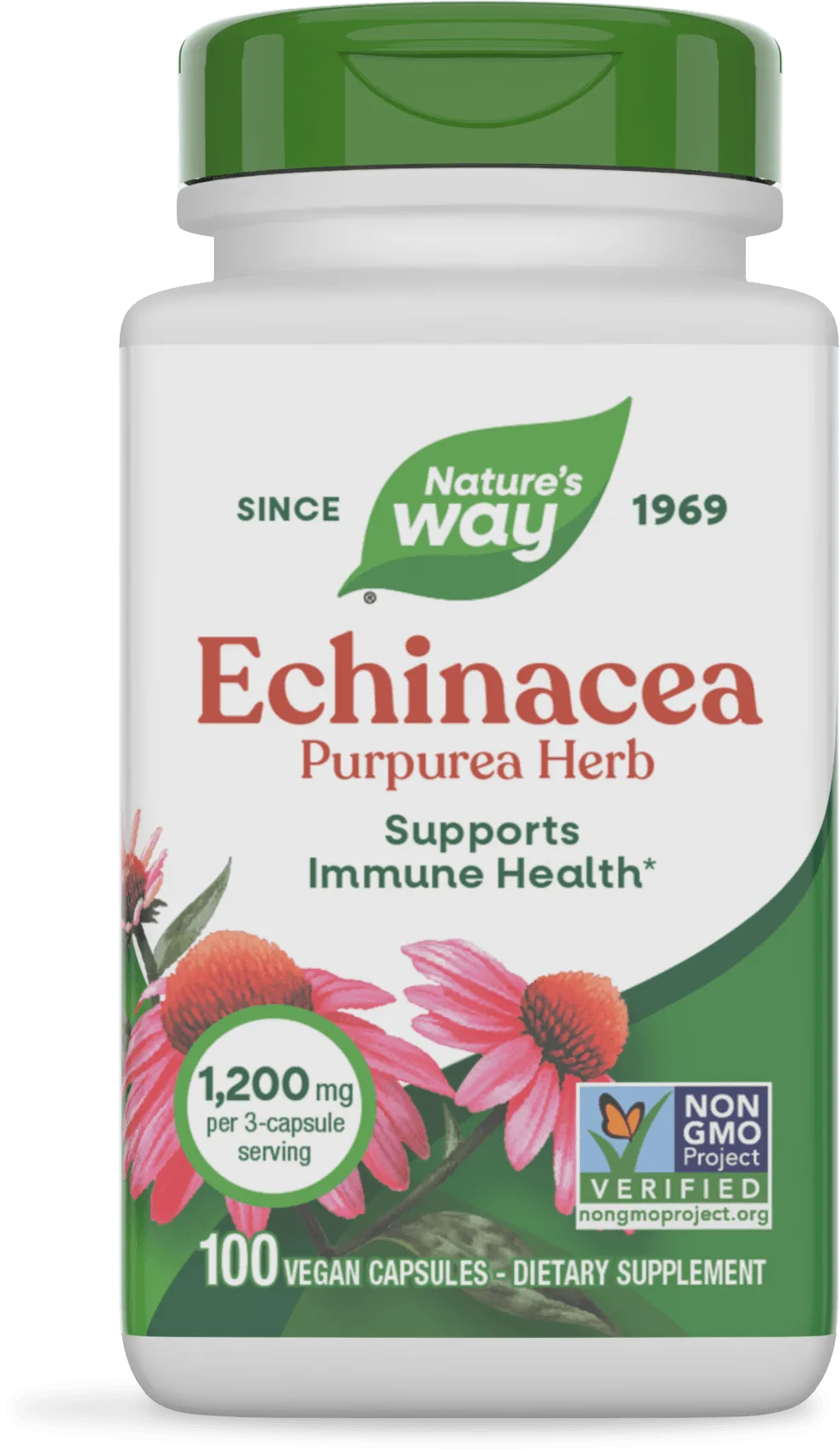
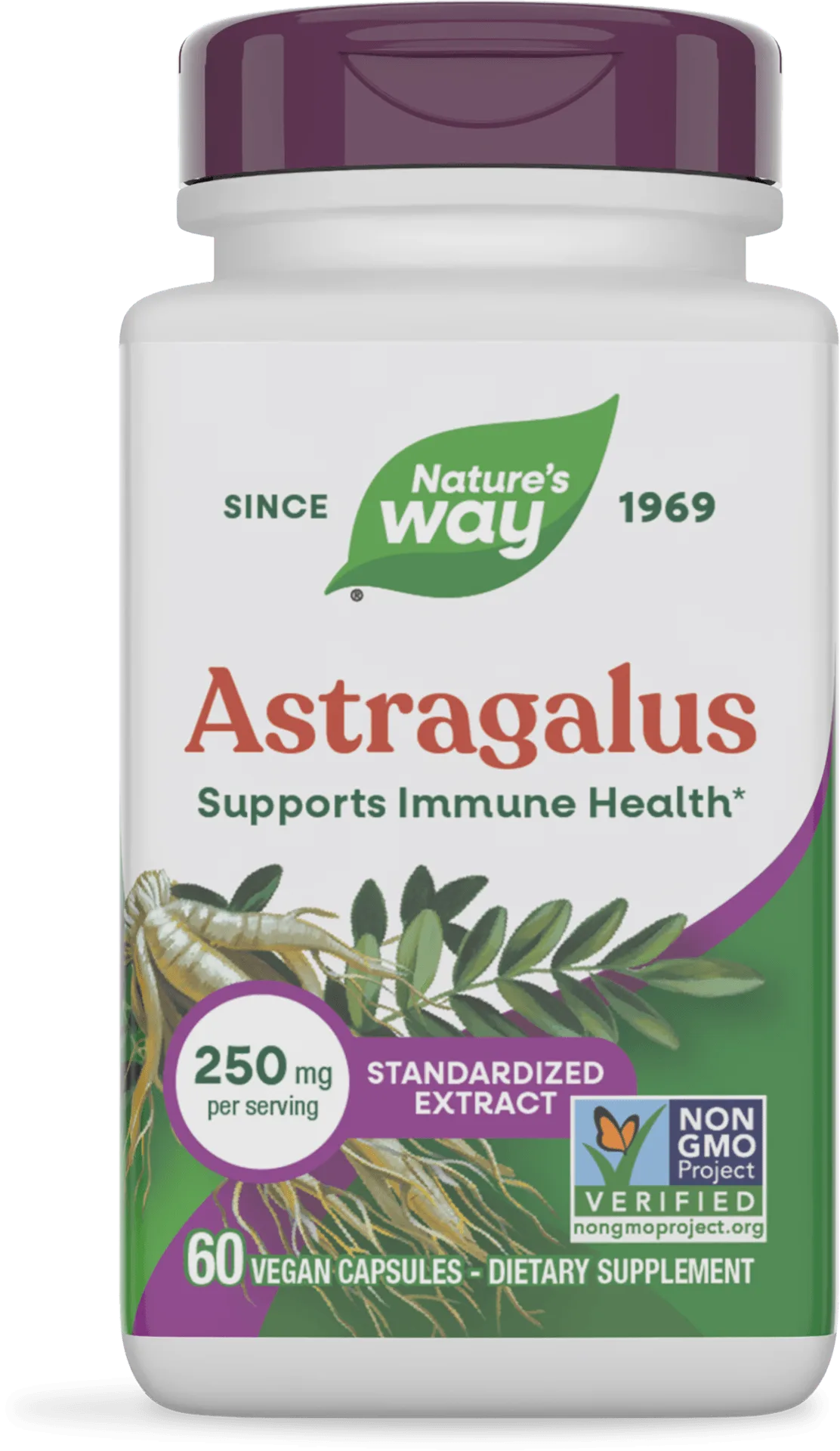
When you shop for supplements, you often see single-herb products like echinacea-384741">echinacea or ashwagandha. But there's a growing trend toward herbal combinations—formulas that blend several herbs together. Why? Because herbs can work better as a team. This article explores the benefits of herbal combinations, explains the concept of synergy, and offers a guide to choosing quality herbal blends.
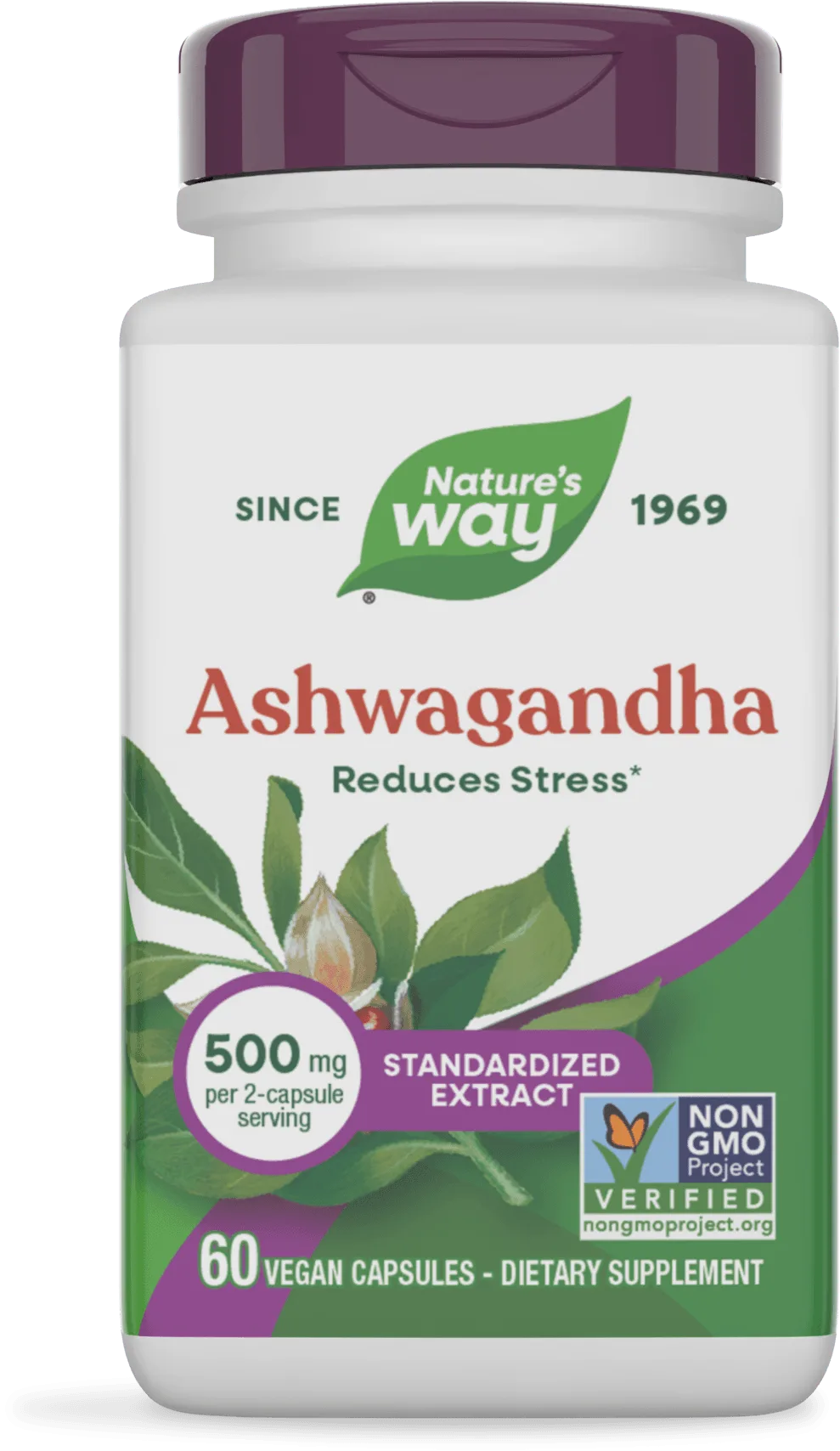
ashwagandha
Whether you're new to herbal supplements or a seasoned user, understanding how blends differ from singles can help you make smarter choices. We'll look at how synergistic herbs interact, what to consider when buying, and why some combinations are more effective than isolated extracts.
What Are Herbal Combinations?
Herbal combinations, also known as herbal blends or multi-herb supplements, are products that contain two or more herbs in a single formula. Unlike single-herb supplements that focus on one botanical, blends are designed to address multiple aspects of health simultaneously. For example, a blend might combine echinacea, astragalus, and reishi to support immune health from different angles.
The idea is that each herb contributes its unique properties, and together they can offer a more comprehensive effect. This approach has roots in traditional medicine systems like Traditional Chinese Medicine and Ayurveda, where formulas are often preferred over single herbs.
- Look for blends that clearly list each herb and its amount on the label.
- Consider blends that target a specific health goal rather than a 'shotgun' approach.
The Science of Synergy: Why Blends Can Be More Effective
Synergy is the key concept behind herbal combinations. When herbs are combined, their effects can be amplified or complemented. For instance, one herb might enhance the absorption of another, or two herbs might work on different pathways that lead to the same result. This is why some blends are more effective than the sum of their parts.
A classic example is the combination of echinacea, astragalus, and reishi. Echinacea is known for its immune-stimulating properties, astragalus is an adaptogen that supports vitality, and reishi is a mushroom that modulates immune response. Together, they provide a broader support for the immune system than any single herb alone. Products like the Echinacea Astragalus & Reishi Premium Blend exemplify this synergistic approach.
- Synergy can mean that lower doses of each herb are needed, reducing the risk of side effects.
- Some combinations are designed to create a 'buffering' effect, where one herb moderates the intensity of another.
Benefits of Herbal Blends for Specific Health Goals
Herbal blends are often formulated to support a specific area of health, such as immune support, stress relief, or digestion. For immune health, a blend might include elderberry, echinacea, and zinc. Elderberry is rich in antioxidants, echinacea supports immune function, and zinc is a mineral crucial for immune response. This combination can be more convenient than taking multiple single supplements.
For stress and sleep, blends might combine adaptogens like ashwagandha with calming herbs like chamomile or valerian. The benefit is that you get a multi-faceted approach to relaxation. Similarly, for daily vitality, blends might include B-vitamins with herbs like ginseng to support energy production and stamina.
- Choose blends that align with your health priorities, whether it's immunity, stress, or energy.
- Check if the blend includes complementary nutrients like vitamins or minerals.
How to Choose a High-Quality Herbal Combination
Not all herbal blends are created equal. Quality varies based on ingredient sourcing, extraction methods, and manufacturing standards. When choosing a blend, look for products from reputable brands that use standardized extracts. Standardization ensures that you get a consistent amount of active compounds in every dose.
Also, consider the form of the supplement—capsules, tablets, tinctures, or powders. Each has its pros and cons. Capsules are convenient and mask unpleasant tastes, while tinctures are absorbed quickly. Read labels carefully to see if there are any allergens or unnecessary fillers. And don't forget to check for third-party testing or certifications.
- Look for the word 'standardized' on the label to ensure potency.
- Avoid blends with proprietary blends that don't list individual herb amounts.
- Check for certifications like Non-GMO, organic, or third-party tested.
Popular Herbal Combinations to Consider
There are several well-known herbal combinations that have stood the test of time. For immune support, products like the Sambucus Cough +♢ Immune* Elderberry Syrup combine elderberry with other herbs to soothe coughs and support immunity. For overall wellness, some blends combine multiple adaptogens to help the body adapt to stress.
Another popular blend is one that combines echinacea, astragalus, and reishi, which we mentioned earlier. This trio is often used during cold and flu season. For those looking to support respiratory health, blends with ivy extract and thyme are common. And for digestive health, blends with ginger, peppermint, and fennel are popular.
- Research the traditional uses of each herb in the blend to ensure they align with your needs.
- If you're new to herbal supplements, start with a gentle blend and see how your body responds.
Potential Drawbacks and Precautions
While herbal combinations offer many benefits, they also come with potential drawbacks. One is that you may not know exactly which herb is causing a reaction if you experience side effects. Another is that some blends may interact with medications or have contraindications for certain health conditions.
It's important to consult with a healthcare provider before starting any new supplement, especially if you're pregnant, nursing, taking medications, or have a chronic condition. Also, be cautious about combining multiple herbal products, as this could lead to excessive intake of certain compounds.
- Always read the label for warnings and recommended dosages.
- Start with a lower dose to assess tolerance.
Herbal Combinations vs. Single Herbs: Which Is Right for You?
The choice between a single herb and a combination depends on your health goals, preferences, and how your body responds. Single herbs are simpler and allow you to isolate effects, which is useful for targeted support. Combinations offer convenience and potential synergy, but they are more complex.
If you're managing a specific condition, a single herb might be better suited. If you're looking for overall wellness support or want to address multiple symptoms, a blend could be more effective. Some people even use both, taking a single herb for acute issues and a blend for daily maintenance.
- Consider your health priorities and whether you prefer a simple or comprehensive approach.
- If you're unsure, start with a single herb and then try a blend to see which works better.
Herbal combinations offer a powerful way to enhance your wellness routine by leveraging the synergistic effects of multiple herbs. Whether you're seeking immune support, stress relief, or overall vitality, a well-chosen blend can be more effective than a single herb alone. When shopping, prioritize quality, transparency, and your specific health needs. To explore a curated selection of high-quality herbal blends, check out the Echinacea Astragalus & Reishi Premium Blend and see how synergy can work for you.