Quick Answer
Musical instruments offer real, measurable benefits for toddler development, from fine motor skills to cognitive growth. While any age-appropriate instrument can help, a sturdy, well-designed option like the Melissa & Doug Learn-to-Play Pink Piano gives young children a reliable way to explore sound and cause-and-effect. You don't need a formal music class—just supervised, everyday play.
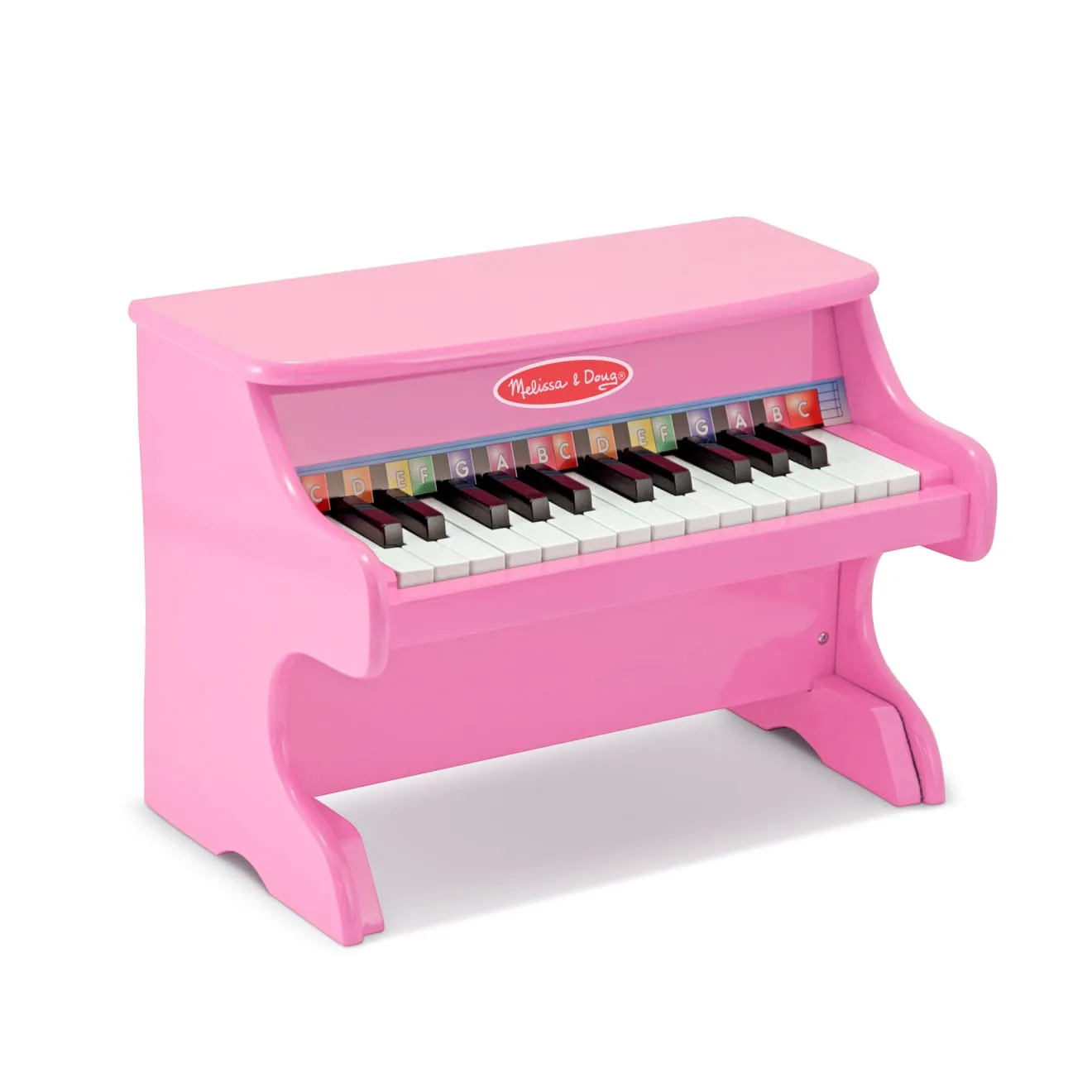
Learn-to-Play Pink Piano
Many parents wonder if music is truly beneficial for toddlers or just a fun way to make noise. The evidence is clear: musical play supports development in multiple areas, including motor skills, language, and social-emotional growth. But you don't need a research study to see the joy on a child's face when they first press a key or shake a shaker.
This article separates fact from fiction about toddler music play, helping you choose the right instrument and use it effectively. We'll focus on practical, real-world benefits you can observe in your own home.
Myth: Only 'Musical' Kids Benefit from Instruments
Some parents assume that unless a child shows early musical talent, instruments are a waste of money. In reality, every toddler benefits from musical play. It's not about creating a prodigy—it's about supporting development. When a child bangs a drum or plinks a piano, they're building fine motor control, hand-eye coordination, and spatial reasoning.
Musical instruments also encourage creativity and self-expression. A toddler who can make a sound and see the immediate result learns about cause and effect, a foundational cognitive skill. The key is to choose an instrument that's safe, durable, and sized for small hands.
- Look for instruments with sturdy construction and no small parts that could be a choking hazard.
Myth: You Need Formal Music Lessons for Benefits
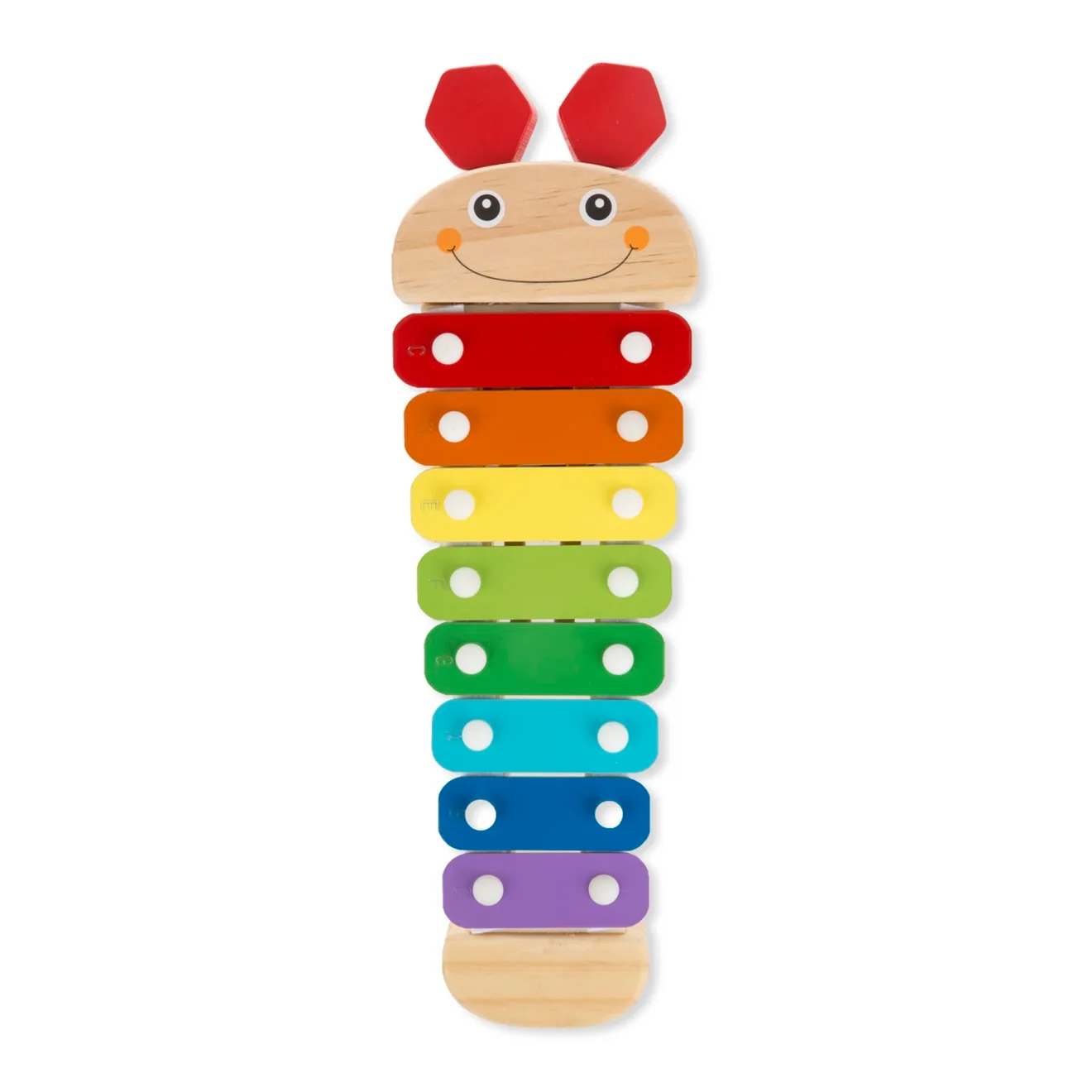
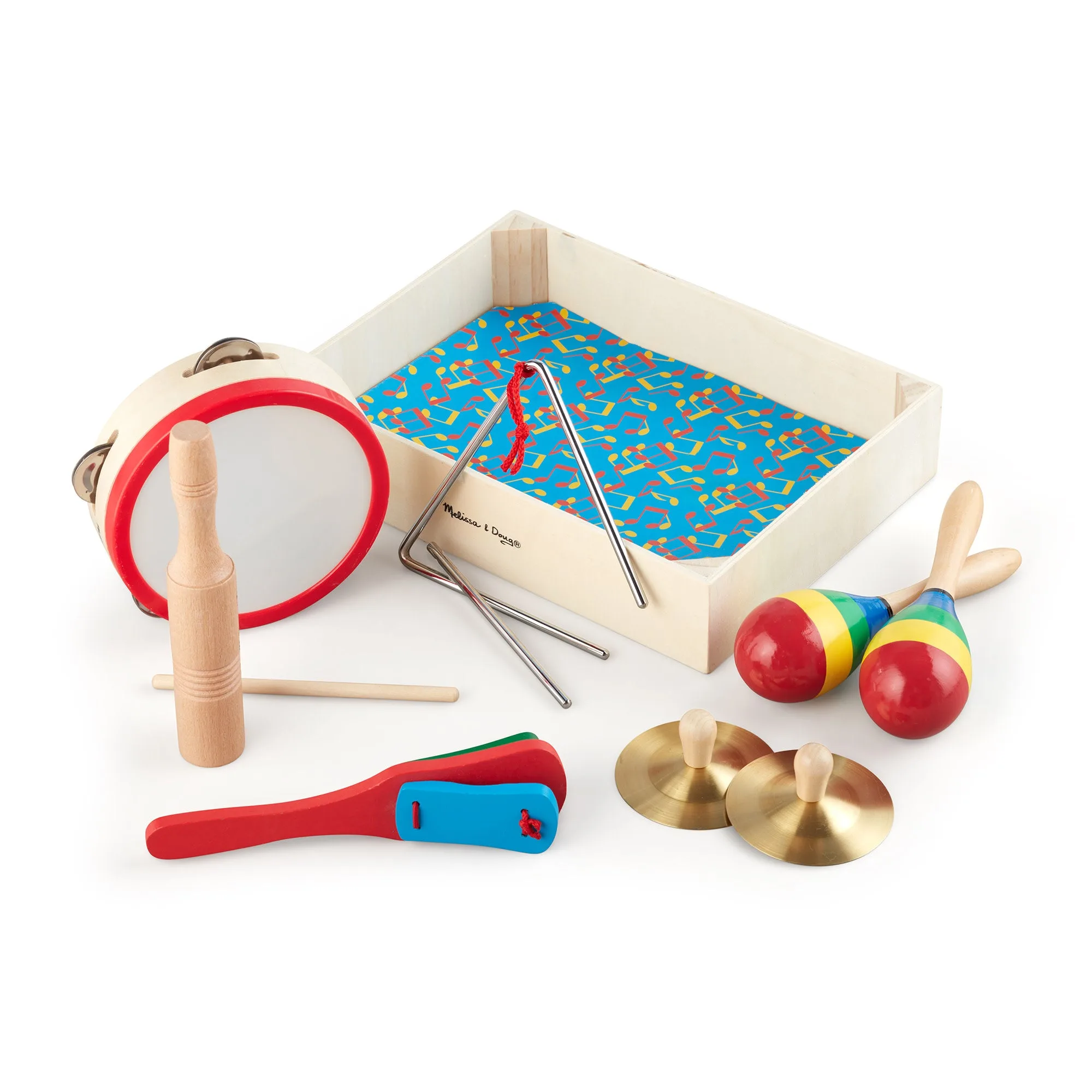
Formal lessons are not required for toddlers to gain from musical play. At this age, exploration and experimentation are more important than structured instruction. A toddler who freely presses piano keys or shakes a maraca is learning about rhythm, pitch, and volume—all essential musical concepts.
Informal music play also supports language development. Singing along to a tune or mimicking sounds helps toddlers practice vocalization and listening skills. You can easily incorporate music into daily routines, like singing a cleanup song or playing a rhythm game with a wooden block.
- Set aside a few minutes each day for free musical play—no instructions, just exploration.
Myth: Any Toy Labeled 'Musical' Is Good Enough
Not all musical toys are created equal. Some produce pre-recorded sounds that don't respond to a child's actions, which can limit the developmental benefits. Instruments that require the child to actively create sound—like a piano with keys that produce notes when pressed—offer more learning opportunities.
A quality instrument like the Melissa & Doug Learn-to-Play Pink Piano has 25 keys (two full octaves), allowing a child to experiment with different pitches and melodies. This kind of open-ended play encourages creativity and problem-solving. In contrast, a toy that just plays a song when a button is pushed is more passive.
- When choosing an instrument, ask: Does it require my child to make the sound, or does it do it for them?
Myth vs. Fact: Musical Instruments and Toddler Development
- Myth: Only 'musical' kids benefit: Every child gains from musical play, regardless of innate talent. It supports motor, cognitive, and social skills. Fact: All toddlers benefit from music.
- Myth: Formal lessons are necessary: Informal exploration is more valuable than structured instruction at this age. Free play with an instrument builds foundational skills. Fact: Everyday play is enough.
- Myth: Any musical toy works: Toys that require active participation—like pressing keys to produce notes—offer more developmental value than passive ones that just play songs. Fact: Choose active instruments.
Instrument Spotlight
- Learn-to-Play Pink Piano: Whatever the style of music, it will always sound "hot", when played on this hot pink, upright piano. With two full octaves, there are 25 keys to create new music every day! This piano gives toddlers a real instrument with a full range of notes, encouraging them to explore melody and rhythm on their own. The sturdy wooden design withstands enthusiastic play, and the bright color adds visual appeal.
Musical instruments are a powerful tool for toddler development, and the benefits are available to every child. Choose a quality instrument that encourages active play, and let your little one lead the way. The Melissa & Doug Learn-to-Play Pink Piano is a great start—it's built to last and designed to inspire.