Quick Answer
Playing board games regularly can significantly benefit your mental health by reducing stress, sharpening cognitive skills, and strengthening social connections. To reap these rewards, choose games that match your interests and play style—whether that's a strategic campaign like https://thunderworksgameseyb.com/products/roll-player-adventures-board-game-98f94c79c77c3648f8e6d5e8-897324Roll Player Adventures or a quick filler like fliptoons-season-2-game-91a65cf48844e1401def90be-897329">FlipToons: Season 2—and make them a regular part of your routine.
In our fast-paced digital world, finding simple ways to support mental well-being is more important than ever. Board games offer a screen-free escape that engages your mind and brings people together, making them a powerful tool for stress relief and cognitive maintenance.
Whether you're looking to unwind after work, keep your brain sharp, or connect with friends, there's a board game that fits. But with so many options, knowing where to start can be overwhelming. This article breaks down the mental health benefits and offers practical advice for choosing games that work for you.
The Cognitive Benefits of Board Games
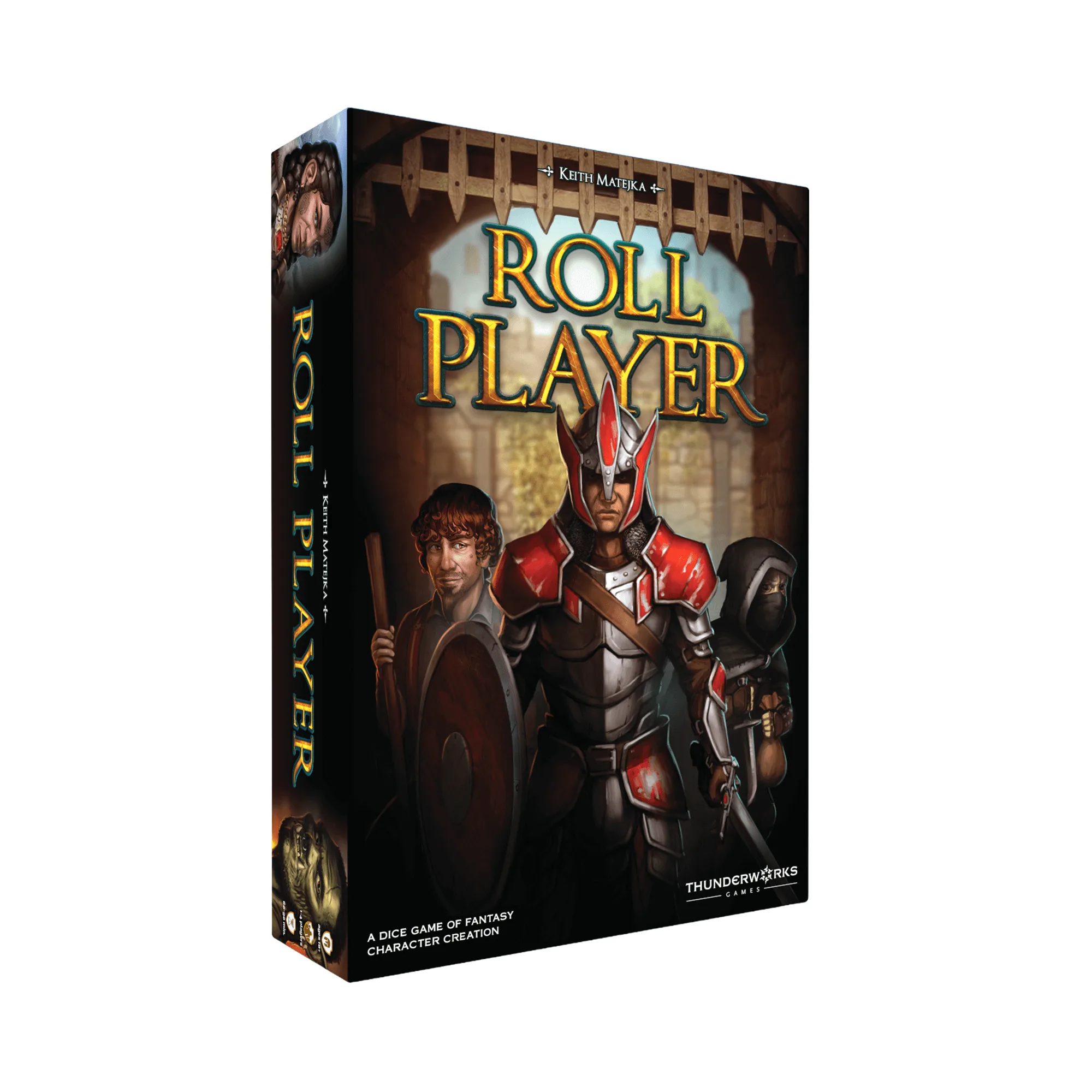
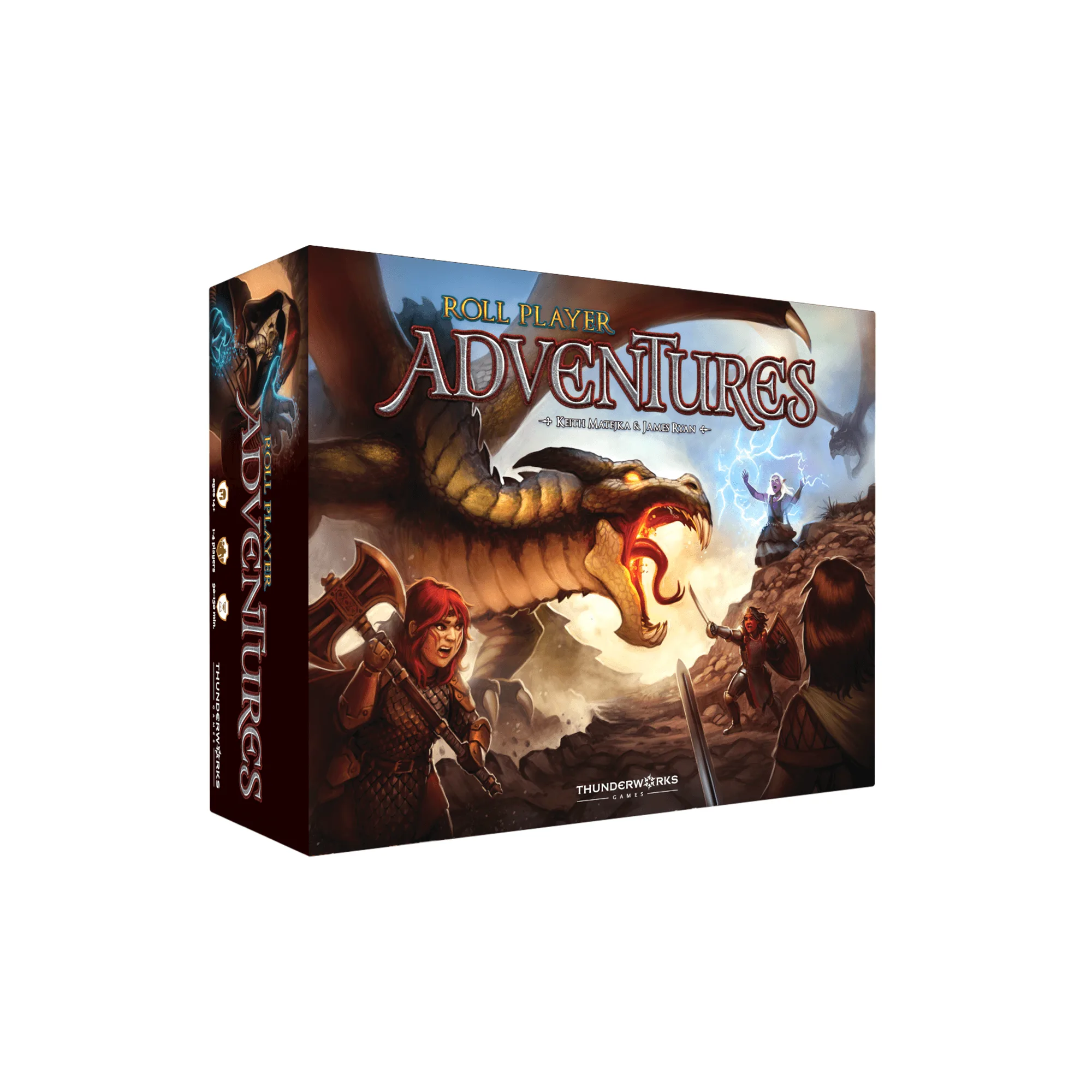
Board games are more than just fun—they're a workout for your brain. Many games require strategic thinking, problem-solving, and memory recall. For instance, Roll Player Adventures challenges you to manage resources and make decisions with lasting consequences, which exercises your planning and adaptability. This kind of mental engagement can help keep your mind sharp as you age.
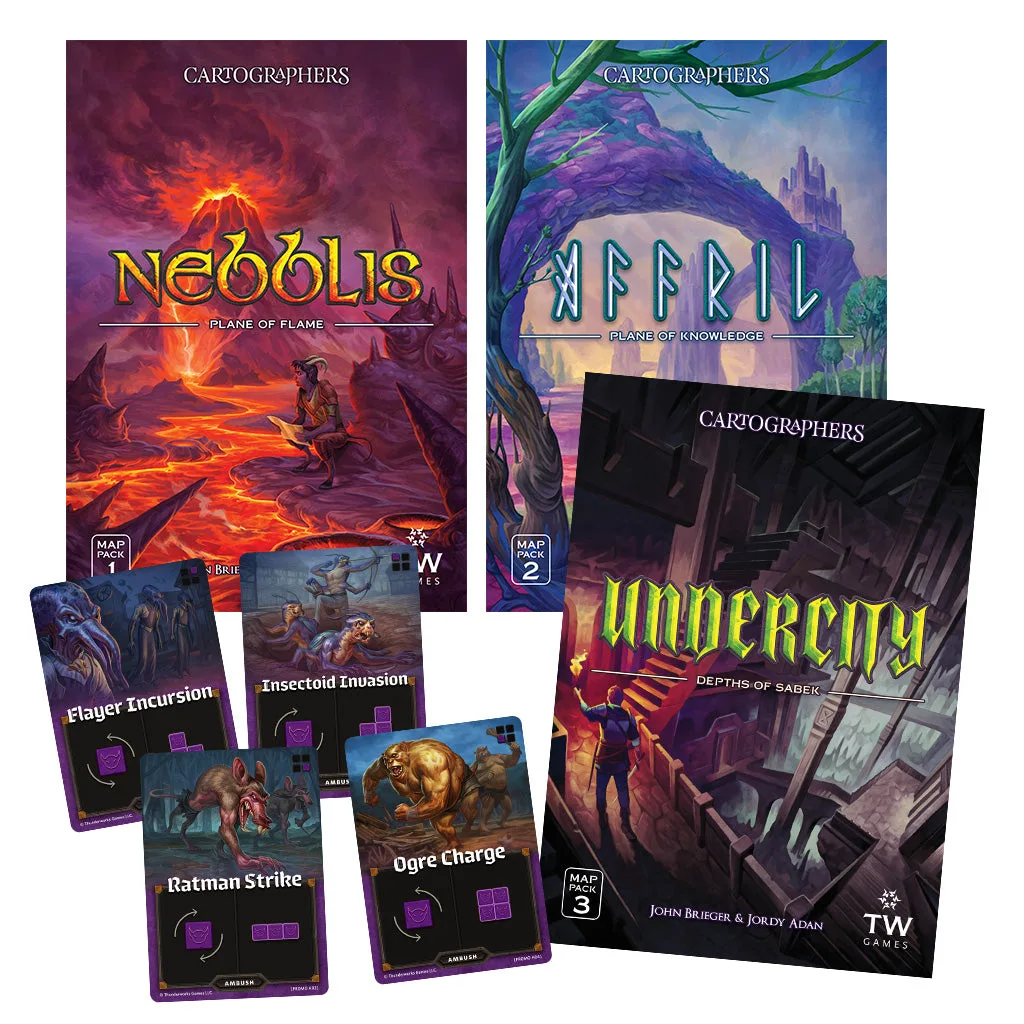
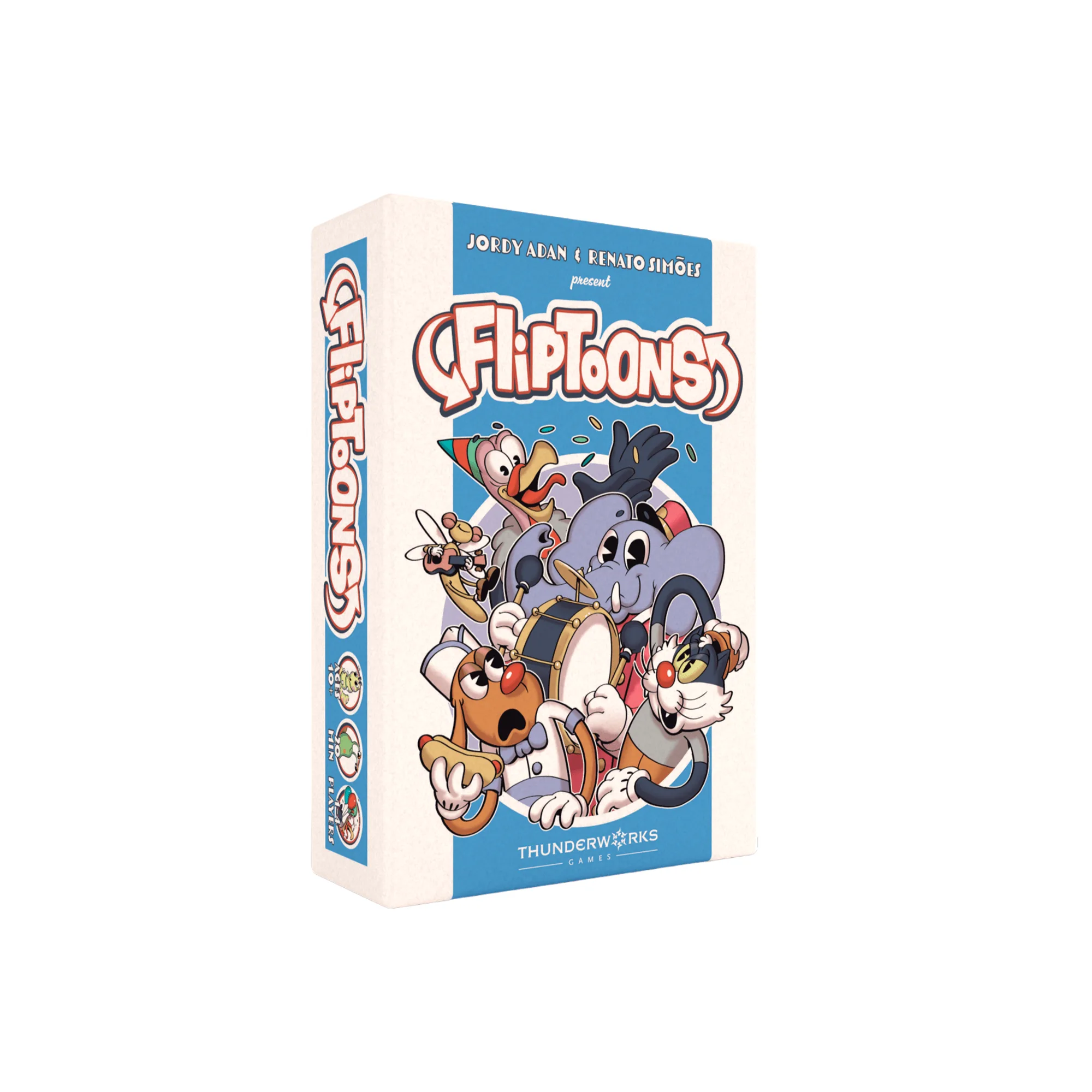
Even lighter games like FlipToons: Season 2 involve deck-building and quick decision-making, which can improve your ability to think on your feet. The key is to choose games that offer the right level of challenge for you. If you're new to strategy games, start with something approachable like Cartographers: Riftlands Map Pack Bundle, which adds new maps and challenges to the base game but still focuses on accessible map-building mechanics.
- Rotate between different game types to challenge various cognitive skills.
- Play with others to combine mental stimulation with social interaction.
- Set aside dedicated game time each week to build a consistent habit.
How Board Games Relieve Stress
Engaging in a board game can be a great stress reliever. Focusing on the game at hand pulls you away from daily worries, similar to mindfulness meditation. The social aspect also boosts your mood through laughter and friendly competition, releasing endorphins that help you relax.
For a more immersive escape, try a narrative-driven game like Roll Player Adventures. Its branching story and character development let you step into another world, providing a mental break. Alternatively, quick games like FlipToons: Season 2 offer light, fast fun that's easy to fit into a busy day, giving you a quick mental reset without a huge time commitment.
- Choose a game that matches your energy level—sometimes light is best.
- Play with friends or family to enhance the stress-relieving benefits.
- Avoid overly competitive sessions if you're looking to unwind; focus on fun.
Social Connection and Mental Well-being
Board games are inherently social, providing a platform for quality time with others. In an era where loneliness is a growing concern, regular game nights can strengthen bonds and create a sense of belonging. Cooperative games, where you work together toward a common goal, can be especially effective at building trust and communication.
Even games with a competitive edge foster social interaction, as they encourage conversation and shared experiences. For those who prefer solo play, many games offer solitaire modes, but the real mental health benefits often come from playing with others. If you're part of a gaming group, consider expanding your collection with expansions like Roll Player: Monsters & Minions, which adds new layers to the base game and keeps the experience fresh for returning players.
- Host a weekly game night to build a regular social ritual.
- Try cooperative games to enhance teamwork and communication.
- Use board games as an icebreaker with new acquaintances.
Your Personal Board Game Mental Health Plan
- Symptom: Feeling mentally drained or overwhelmed: You may need a mental break that doesn't involve screens. Board games offer a fun, engaging distraction that can reduce stress. Try a light game like FlipToons: Season 2 for a quick pick-me-up.
- Likely cause: Lack of cognitive stimulation or social connection: If you're stuck in a routine, your brain might crave new challenges. Board games provide varied mental exercises and social interaction. Consider a campaign game like Roll Player Adventures for deeper engagement.
- Corrective action: Incorporate regular game play into your routine: Schedule a weekly game night or set aside time for solo play. Choose games that match your goals—stress relief, cognitive sharpening, or social bonding. Start with one game that appeals to you and build from there.
- When to stop or choose another option: If a game feels more like a chore than a pleasure, or if it causes frustration rather than fun, it's not serving your mental health. Switch to a different type or take a break. The goal is enjoyment, so choose games that genuinely make you feel good.
Choosing the Right Game for Your Mental Health Goals
- Roll Player Adventures: Set out an 11 adventure, RPG-style campaign - your decisions have lasting consequences! Features: branching story narrative, dice manipulation, and character development. 1-4 players, 90-150 min. Great for immersive stress relief and cognitive engagement; its lengthy playtime suits dedicated game nights.
- FlipToons: Season 2: FlipToons: Season 2 is a fast-playing, small box deck-building game that is both a stand-alone game and an expansion for the original FlipToons! Easy to learn and quick to play, this card game packs a nostalgic punch with equal parts luck and strategy. Perfect for quick mental breaks or social sessions; its low time commitment makes it easy to fit into a busy day.
Board games are a versatile and accessible tool for enhancing mental health. Whether you're seeking stress relief, cognitive challenges, or social connection, there's a game that can help. Start with one that appeals to you, and let the benefits unfold naturally.