Sensitive skin can be a daily challenge. From unexpected redness to stinging reactions, finding products that soothe rather than aggravate is crucial. If you're on the hunt for a hydrating, calming ingredient, squalane oil might be the answer you've been looking for. Unlike many oils that can clog pores or trigger breakouts, squalane is a lightweight, non-comedogenic emollient that mimics your skin's natural sebum, making it exceptionally well-tolerated even by the most delicate complexions.
In this guide, we'll dive deep into the benefits of squalane oil for sensitive skin, exploring how it helps with redness, strengthens the skin barrier, and offers a gentle approach to hydration. We'll also share practical tips on how to incorporate squalane-based products into your daily routine for a calmer, healthier complexion.
What Is Squalane Oil and Why Is It Ideal for Sensitive Skin?
Squalane is a hydrogenated version of squalene, a lipid that is naturally produced by our skin cells. Squalene production peaks in our 20s and then declines, leading to dryness and a weakened skin barrier. Squalane is prized in skincare because it is incredibly similar to our own sebum, meaning it is easily absorbed and rarely causes irritation. For sensitive skin, this is a huge advantage: it provides the skin with a familiar, comforting ingredient that doesn't trigger the immune system or cause inflammation.
Unlike some plant oils that contain fatty acids or essential oils that can be sensitizing, squalane is highly refined and typically derived from sugarcane or olives. It is odorless, colorless, and very stable, which means it doesn't oxidize quickly or become rancid. This stability is key for sensitive skin, as oxidized oils can cause free radical damage and worsen redness. Squalane's gentle nature makes it a staple in many formulations designed for reactive and easily irritated skin.
- Non-comedogenic and lightweight, it won't clog pores.
- Mimics skin's natural sebum for easy absorption.
- Free from common irritants like essential oils and fragrance.
Squalane Oil for Redness: Calming and Soothing
Redness is one of the most common complaints among sensitive skin types. It can be triggered by environmental stressors, harsh products, or underlying conditions like rosacea. Squalane oil helps reduce redness by reinforcing the skin's moisture barrier. A healthy barrier is better equipped to defend against irritants, preventing the inflammatory response that leads to flushing and visible redness. By providing a protective layer, squalane also helps to lock in moisture, which is essential for maintaining a calm, even-toned complexion.
Additionally, squalane has anti-inflammatory properties that can directly soothe irritated skin. While it is not a treatment for rosacea, it can be a valuable addition to a soothing routine. Many users report that after incorporating squalane oil into their regimen, their skin feels less reactive and appears less red over time. For best results, apply squalane oil to damp skin after cleansing to seal in hydration and amplify its calming effects.
Strengthening the Skin Barrier with Squalane
The skin barrier is your first line of defense against pollution, bacteria, and moisture loss. When it's compromised, you may experience dryness, flakiness, and increased sensitivity. Squalane oil plays a vital role in barrier repair by filling in gaps between skin cells and preventing transepidermal water loss. This helps to restore the barrier's integrity, making your skin more resilient and less prone to irritation.
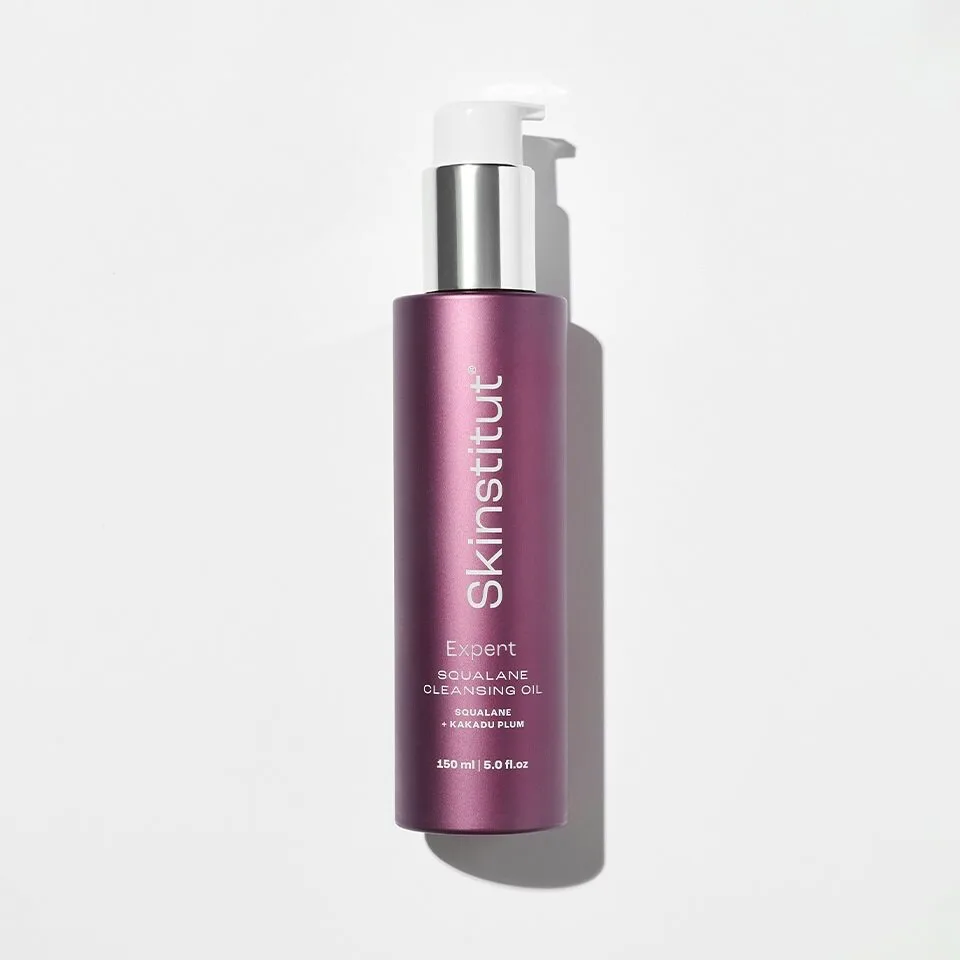
For those with sensitive skin, a damaged barrier is often the root cause of their issues. By incorporating squalane oil into your routine, you can actively support barrier recovery. Look for products that combine squalane with other barrier-loving ingredients like niacinamide and ceramides. For example, the Expert Squalane Cleansing Oil is an excellent first step in a gentle routine, effectively removing makeup and sunscreen without stripping the skin, while the Expert Niacinamide Replenishing Cream delivers a dose of squalane alongside niacinamide to strengthen the barrier overnight.
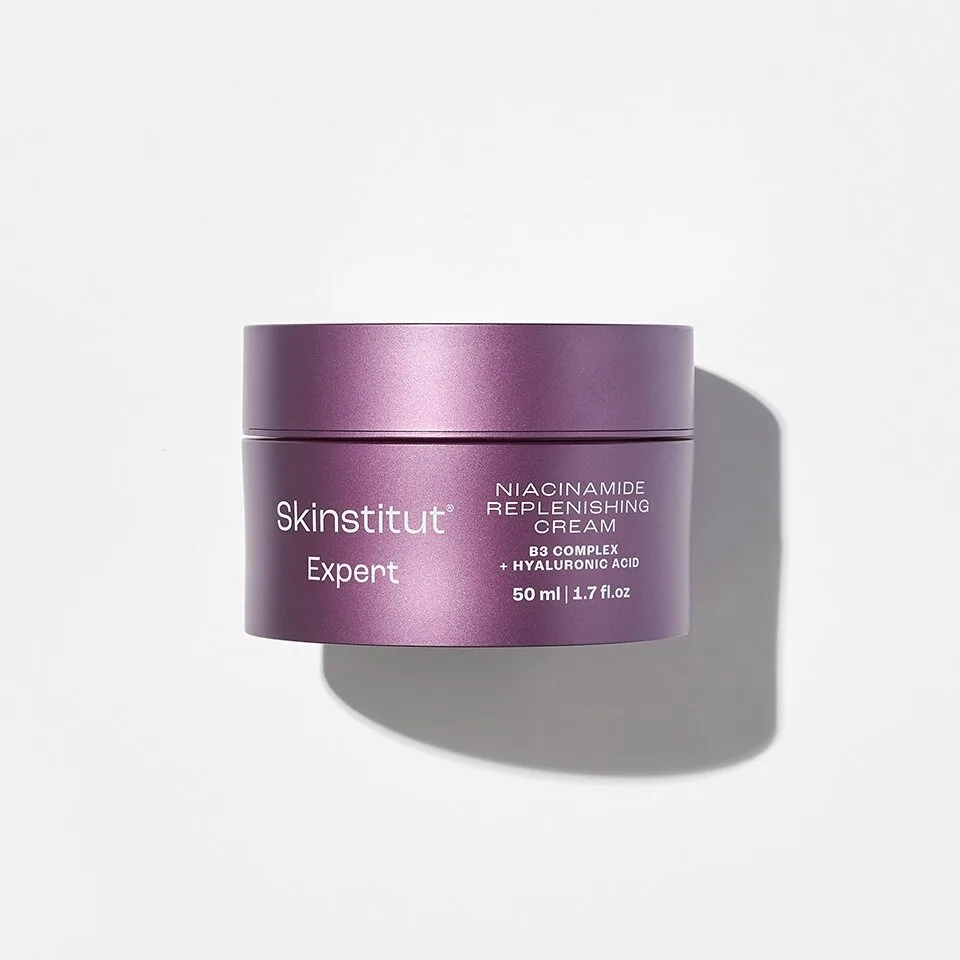
Expert Niacinamide Replenishing Cream
How to Use Squalane Oil in Your Sensitive Skin Routine
Incorporating squalane oil into your daily regimen is simple, but a few tips can maximize its benefits. Start by cleaning your face with a gentle, non-foaming cleanser to avoid stripping your skin. Then, while your skin is still slightly damp, apply a few drops of squalane oil or a squalane-rich moisturizer. This helps to trap moisture and enhances absorption. For an extra boost, you can mix a drop or two of squalane oil into your favorite serum or moisturizer.
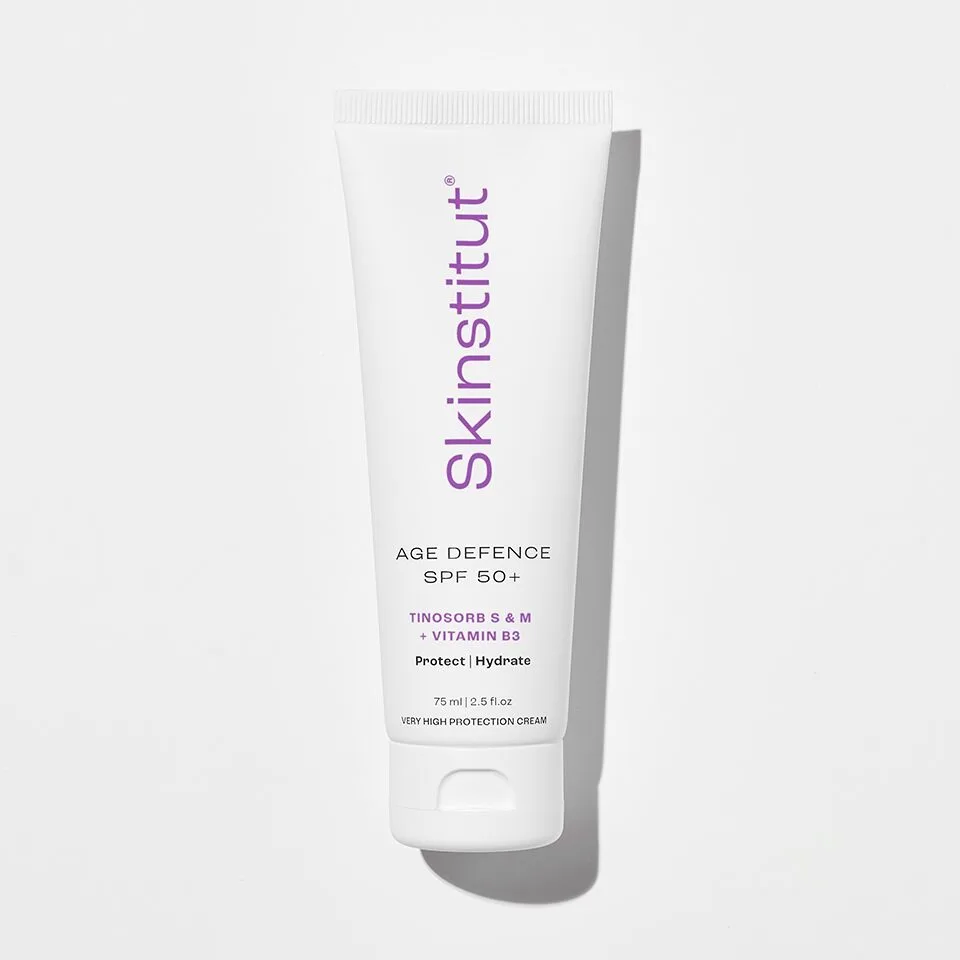
If you're new to squalane, it's best to introduce it gradually to ensure your skin tolerates it well. Begin with a small amount every other day, then increase to daily use. Squalane is generally safe for all skin types, including acne-prone, but if you have any concerns, patch test first. In the morning, always follow up with a broad-spectrum sunscreen like Age Defence SPF 50+ to protect your newly strengthened barrier from UV damage.
- Apply to damp skin for better absorption.
- Mix with serums or moisturizers to boost hydration.
- Use morning and night for continuous barrier support.
Choosing the Right Squalane Product for Your Skin
Not all squalane products are created equal. For sensitive skin, it's essential to choose formulations that are free from fragrance, alcohol, and essential oils. Look for products that list squalane high on the ingredient list, indicating a significant concentration. Also, consider the texture: lighter oils are better for daytime, while richer creams can provide overnight nourishment.
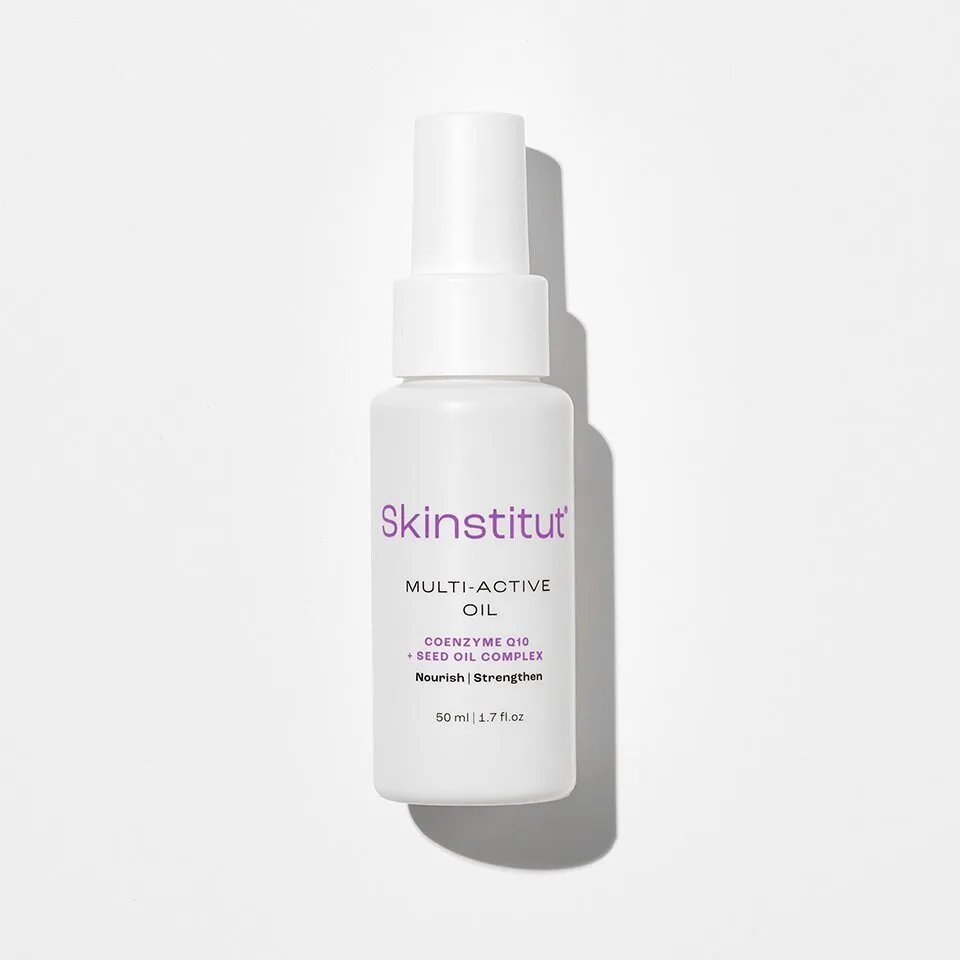
Skinstitut offers a range of squalane-infused products designed with sensitive skin in mind. The Expert Squalane Cleansing Oil is a perfect first step, gently dissolving impurities without disrupting the barrier. For a hydrating boost, the Multi-Active Oil blends squalane with other nourishing oils to calm and replenish. And to lock in moisture, the Expert Niacinamide Replenishing Cream combines squalane with niacinamide to soothe and strengthen. Each product is formulated to be gentle yet effective, making them ideal for sensitive skin.
Squalane Oil vs. Other Oils for Sensitive Skin
You might wonder how squalane compares to other popular oils like jojoba, argan, or rosehip. While jojoba is also similar to sebum, it can be slightly more comedogenic for some. Argan oil is rich in fatty acids but can be heavy for oily or sensitive skin. Rosehip oil is great for regeneration but may cause irritation if it contains natural fragrance. Squalane stands out because it is exceptionally lightweight, non-greasy, and hypoallergenic, making it a safer bet for reactive skin.
Moreover, squalane has a unique ability to balance oil production. By providing the skin with a lipid it recognizes, it signals to the skin that it doesn't need to overproduce oil, which can help reduce shine without causing dryness. This makes it suitable even for combination skin that is prone to sensitivity. If you have been struggling to find an oil that doesn't break you out or irritate, squalane is definitely worth trying.
Squalane oil is a true ally for sensitive skin, offering gentle hydration, redness reduction, and barrier repair without the risk of irritation. By incorporating squalane-rich products like the Expert Squalane Cleansing Oil and Expert Niacinamide Replenishing Cream into your routine, you can nurture your skin back to a calm, balanced state. Explore Skinstitut's range of squalane-infused products to find your perfect match and say goodbye to sensitivity woes.