Magnesium is a mineral that supports hundreds of bodily functions, from muscle relaxation and nerve signaling to energy production and bone health. But if you’ve just started taking a magnesium supplement, you might be wondering: is there a best time of day to take it? Should you take it in the morning for an energy boost, or at night to improve sleep?
The short answer is that it depends on your goals and the type of magnesium you’re taking. Some forms are better suited for relaxation and sleep, while others may support daytime energy and focus. In this guide, we’ll break down the pros and cons of morning vs. evening magnesium, how to time it with meals, and how to create a schedule that works for you.
Why Timing Matters for Magnesium
Magnesium is involved in over 300 enzymatic reactions in the body, including protein synthesis, muscle and nerve function, blood glucose control, and blood pressure regulation. When you take it can influence how you feel because magnesium interacts with your circadian rhythm and the systems that regulate sleep and wakefulness.
For example, magnesium helps activate the parasympathetic nervous system, which promotes relaxation. It also regulates melatonin, the hormone that controls your sleep-wake cycle. Taking magnesium in the evening may therefore enhance sleep quality. On the other hand, magnesium is required for ATP production, the energy currency of cells, so some people feel more energetic when they take it in the morning.
- Magnesium supports both relaxation and energy, so timing depends on your primary goal.
- Consistency matters more than a specific hour: take it at the same time each day.
- Certain forms (like glycinate) are more calming, while others (like citrate) may be more stimulating.
Morning Magnesium: Pros and Cons
Taking magnesium in the morning can be beneficial for people who want to support energy production and mental clarity throughout the day. Magnesium is a cofactor in the creation of ATP, so a morning dose may help you feel more alert and focused. It can also help prevent afternoon fatigue and support a healthy stress response.
However, some forms of magnesium, especially citrate, can have a laxative effect, which might be inconvenient during the day. If you’re using magnesium to help with sleep, taking it in the morning may not be as effective. Also, if you take other supplements or medications, you’ll need to consider potential interactions.
- Best for: supporting energy, focus, and muscle function during the day.
- Consider a form like magnesium taurate or magnesium citrate complex if you want a daytime pick-me-up.
- Avoid large doses of magnesium citrate in the morning if you have a sensitive stomach.
Evening Magnesium: Pros and Cons
Many people prefer taking magnesium in the evening because it helps relax muscles and calm the mind, making it easier to fall asleep and stay asleep. Magnesium glycinate, in particular, is known for its calming properties and is often recommended for sleep support. It can also help reduce nighttime leg cramps and restless legs.
The main downside is that some people may experience vivid dreams or wake up groggy if they take too much. Also, if you take magnesium too close to bedtime, you might need to wake up to use the bathroom, which can disrupt sleep. For most people, taking magnesium 1-2 hours before bed is ideal.
- Best for: improving sleep quality, reducing muscle cramps, and promoting relaxation.
- Try a form like magnesium glycinate or magnesium + ashwagandha for a calming nighttime ritual.
- Pair with a consistent wind-down routine for best results.
How Different Forms of Magnesium Affect Timing
Not all magnesium is created equal. The form you choose can influence whether it’s better suited for morning or evening. For example, magnesium glycinate is bound to the amino acid glycine, which has a calming effect on the brain, making it ideal for evening use. Magnesium citrate is often used for its digestive benefits and may be better in the morning or with meals.
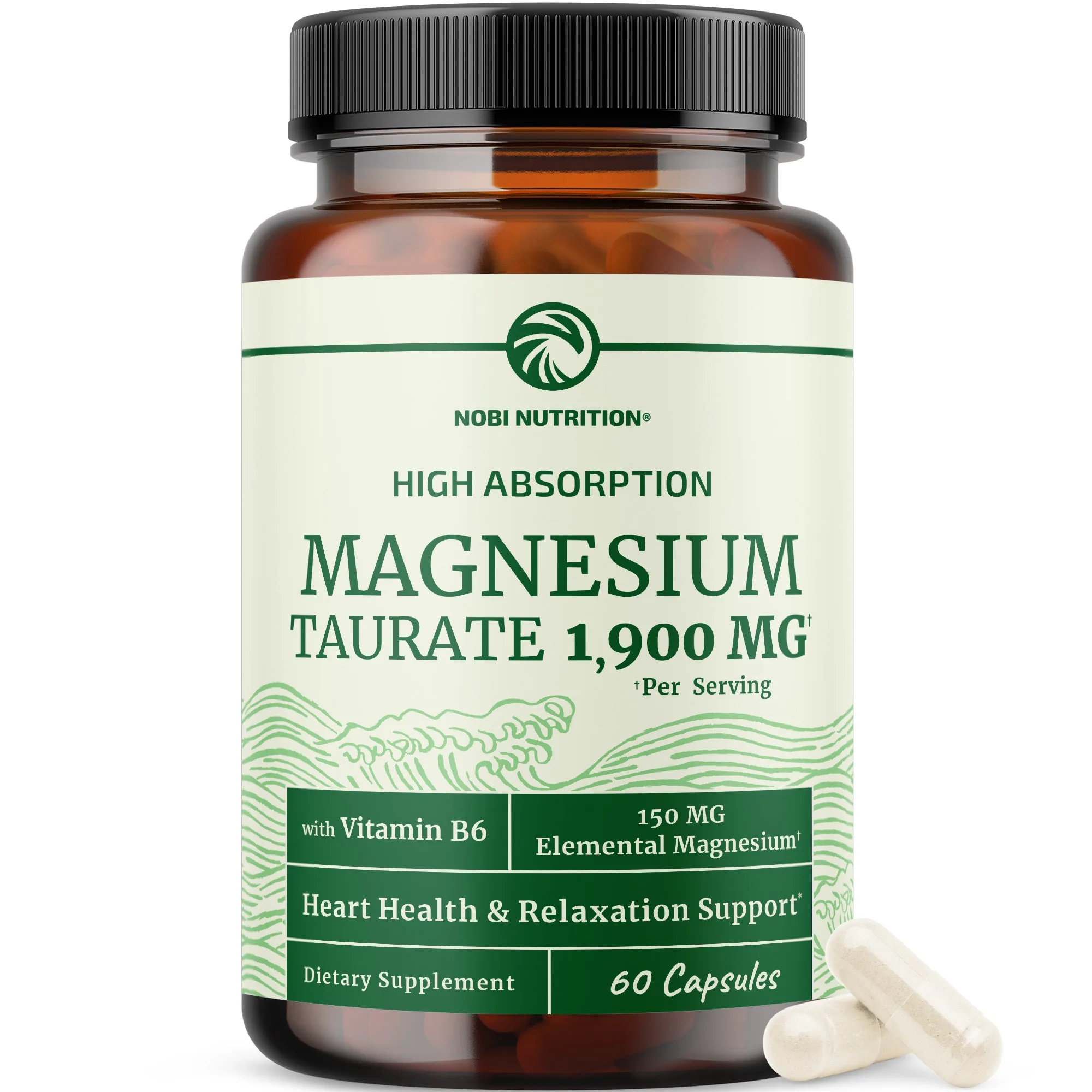
Magnesium taurate combines magnesium with taurine, an amino acid that supports cardiovascular health and may help stabilize energy levels. It could be a good choice for daytime use. Magnesium + ashwagandha combines magnesium with an adaptogenic herb that helps manage stress, making it a versatile option for either morning or evening, depending on your needs.
- Glycinate: calming, best for evening.
- Citrate: may have a laxative effect, better in the morning or with food.
- Taurate: supports heart health and energy, good for daytime.
- Ashwagandha combo: adaptogenic, can be used morning or evening.
Creating Your Personal Magnesium Schedule
To figure out the best time for you, start by identifying your main goal. If you struggle with sleep, try taking magnesium in the evening. If you need more daytime energy or want to support your workout performance, a morning dose might be better. You can also split your dose: a smaller amount in the morning and a larger amount at night.
It’s also important to consider food intake. Magnesium is better absorbed when taken with a meal, especially one that contains some fat. Avoid taking it with foods high in calcium or iron, as they can compete for absorption. And be consistent: your body thrives on routine, so pick a time you can stick to daily.
- Start with a low dose and gradually increase to avoid digestive upset.
- Take with food to enhance absorption and reduce stomach irritation.
- Keep a journal to track how you feel and adjust timing as needed.
Magnesium and Sleep: What the Research Says
Several studies have shown that magnesium can improve sleep quality, especially in older adults with insomnia. Magnesium helps regulate melatonin and binds to GABA receptors, which calm the nervous system. A 2012 study found that magnesium supplementation improved sleep efficiency, sleep time, and morning alertness in elderly participants.
While more research is needed, many experts recommend taking magnesium 1-2 hours before bed. If you’re using a gummy or powder, you might need to factor in sugar content and timing. For example, a magnesium glycinate gummy taken after dinner can be a pleasant way to wind down.

magnesium glycinate gummy
- Magnesium supports the production of melatonin and GABA.
- Evening magnesium may help you fall asleep faster and sleep more deeply.
- Consistency is key: take it at the same time each night.
Magnesium for Energy: Morning Benefits
Magnesium is essential for converting food into energy. It helps activate ATP, the molecule that powers your cells. A morning dose of magnesium may help you feel more energized and focused, especially if you’re deficient. Some people also report that magnesium helps reduce fatigue associated with stress or poor sleep.
If you’re an athlete, taking magnesium before a workout may improve performance and reduce muscle cramps. Magnesium taurate or a magnesium citrate complex could be good choices for a pre-workout boost. However, avoid taking magnesium with caffeine, as it may reduce absorption.
- Morning magnesium supports ATP production and mental clarity.
- Consider magnesium taurate or citrate for a daytime energy lift.
- Take it with breakfast to avoid stomach upset and maximize absorption.
Practical Tips for Taking Magnesium
Here are some practical tips to help you get the most from your magnesium supplement. First, choose a high-quality product that fits your goals. For sleep, look for magnesium glycinate or a combination with ashwagandha. For energy, consider magnesium taurate or a citrate complex. Second, start with a lower dose and gradually increase to avoid digestive issues.
Third, be mindful of interactions with medications, such as antibiotics or blood pressure meds. Always consult your healthcare provider if you have any underlying conditions. Finally, remember that magnesium works best when combined with a healthy diet rich in leafy greens, nuts, and whole grains.
- Pair magnesium with vitamin D and K2 for better absorption and bone health.
- Avoid taking magnesium with high-calcium meals.
- Stay hydrated, as magnesium can cause mild dehydration.
Ultimately, the best time to take magnesium is the time that fits your lifestyle and health goals. Whether you choose morning for energy or evening for sleep, consistency is key. Experiment with timing and forms to see what works best for you. If you're looking for a high-quality option, consider our Magnesium Glycinate Beadlets for evening relaxation or Magnesium Taurate Capsules for daytime support. Remember, everyone is different, so listen to your body and adjust accordingly.