Bridge tables are a staple for game nights, tournaments, and family gatherings. But when the cards are put away and the chairs are stacked, the question arises: how should you store your bridge table to keep it in top condition? Proper storage not only prolongs the life of your table but also ensures it’s ready for the next game. In this guide, we’ll cover the best practices for storing bridge tables, from folding techniques to environmental considerations.
Whether you have a classic wooden table or a modern folding model, the principles of good storage are similar. We’ll explore the importance of cleaning, covering, and positioning your table, and we’ll also touch on how to care for the accessories that often accompany your table, like chairs and card holders. By the end, you’ll have a clear plan to protect your investment.
Why Proper Bridge Table Storage Matters
Bridge tables are often made of wood, metal, or plastic, and each material has its own vulnerabilities. Wood can warp or crack if exposed to moisture or extreme temperatures, while metal legs may rust if stored in damp conditions. Even plastic tables can become brittle over time if subjected to UV light or freezing temperatures. Proper storage mitigates these risks, ensuring your table remains sturdy and attractive.
Additionally, a well-stored table is more convenient. You won’t have to deal with dents, scratches, or sticky surfaces that can result from careless storage. Whether you use your table weekly or only for special occasions, taking a few minutes to store it correctly will save you money and hassle in the long run.
- Prevents warping, rust, and scratches.
- Keeps the table ready for immediate use.
- Extends the lifespan of your investment.
Step-by-Step Guide to Folding and Storing Your Bridge Table
Before storing, always clean the table surface. Wipe it down with a soft, damp cloth and mild soap if needed, then dry it thoroughly. For wooden tables, consider applying a furniture polish to protect the finish, but avoid silicone-based products that can leave a residue. For plastic or laminate tables, a simple wipe is sufficient.
Once clean, fold the table according to the manufacturer’s instructions. Most bridge tables have a locking mechanism that secures the legs when folded. Ensure the legs are fully collapsed and locked to prevent accidental unfolding during storage. If your table has a carrying handle, use it to move the table safely.
When storing, place the table in a dry, climate-controlled area. Avoid basements or attics where humidity and temperature fluctuate. If you must store it in a garage, consider using a dehumidifier. Stand the table upright against a wall, but place a soft cloth or foam pad between the table and the wall to prevent scratches. Alternatively, you can store it flat under a bed, but make sure the surface is clean and dry.
- Clean and dry the table before folding.
- Lock the legs securely to prevent accidents.
- Store in a dry, temperature-stable location.
Protecting Your Table with Covers and Accessories
Using a cover is one of the simplest ways to protect your bridge table from dust, scratches, and spills. While many tables come with a storage bag, you can also purchase a dedicated cover. If you have a folding table, a padded cover provides extra cushioning during transport. For tables stored upright, a breathable fabric cover prevents dust buildup while allowing air circulation.
In addition to the table itself, consider how you store related accessories. For example, the Bridge Folding Table -Classic is often paired with folding chairs. When storing chairs, stack them neatly and use a cover or tie them together to prevent scratching. If you use card holders or trays, store them in a separate container to avoid damaging the table surface.
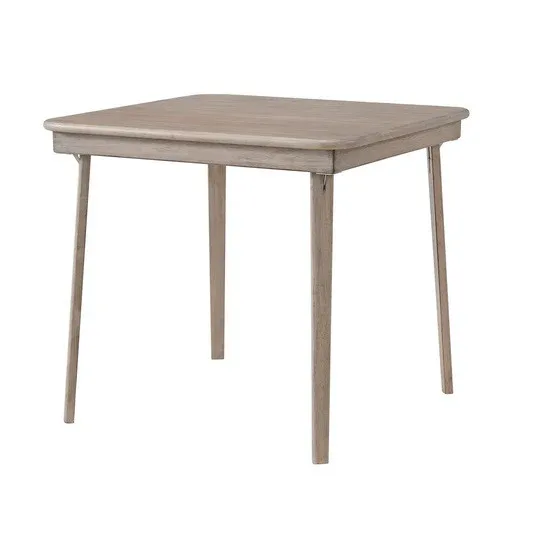
Bridge Folding Table -Classic
Another tip is to use the table’s own accessories to protect it. For instance, a table cover can double as a dust cover when the table is not in use. If you have a Bridge Chairs: Pair of Folding Chairs, Style 4533, these can be folded and stored on top of the table, but ensure they are clean and dry to avoid transferring dirt.
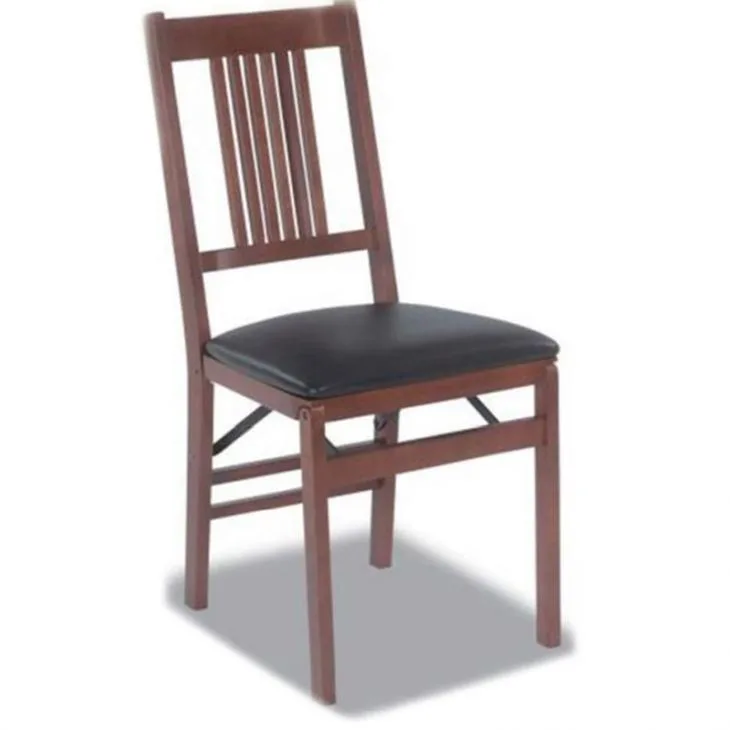
Bridge Chairs: Pair of Folding Chairs, Style 4533
- Invest in a padded cover for extra protection.
- Store chairs and accessories separately to avoid scratches.
- Use a breathable cover to prevent moisture buildup.
Environmental Considerations: Temperature and Humidity
Bridge tables are sensitive to their environment. High humidity can cause wooden tables to swell and warp, while extreme dryness can lead to cracking. The ideal storage environment is a room with stable temperature and relative humidity between 40% and 60%. If you live in a humid climate, consider using a dehumidifier in your storage area.
Temperature fluctuations can also affect the glue and finishes on your table. Avoid storing your table near heating vents, radiators, or air conditioning units. Direct sunlight can fade the finish and cause plastic components to become brittle. If you must store your table in a room with windows, cover it or position it away from direct light.
For tables with metal components, such as folding legs, rust is a concern. Wipe down metal parts with a dry cloth before storage, and consider applying a light coat of silicone spray to prevent rust. This is especially important if you store your table in a garage or basement.
- Maintain 40-60% humidity to prevent warping.
- Keep away from heat sources and direct sunlight.
- Protect metal parts from rust with a silicone spray.
Long-Term Storage: Extra Tips for Seasonal Use
If you only use your bridge table during the holidays or special occasions, you may need to store it for months at a time. In such cases, consider disassembling any removable parts, such as legs or leaves, and storing them separately. This reduces stress on the table’s joints and makes the table easier to move.
Before long-term storage, give the table a thorough cleaning and apply a protective wax to wooden surfaces. For plastic tables, ensure they are completely dry to prevent mold growth. If you store the table in a box, use acid-free tissue paper to wrap the table, and avoid plastic bags that can trap moisture.
Finally, periodically check on your stored table. Every few months, inspect it for signs of damage, such as warping or rust, and address any issues immediately. This proactive approach ensures your table is always ready for the next game.
- Disassemble removable parts for long-term storage.
- Use acid-free tissue paper and breathable covers.
- Inspect stored tables regularly for damage.
Storing your bridge table properly is simple but essential. By following these tips—cleaning, folding, covering, and controlling the environment—you’ll keep your table in excellent condition for years. Remember to also care for your accessories, like chairs and card holders, to ensure a complete and lasting game setup. Ready to upgrade your game room? Explore our selection of bridge tables, including the popular Bridge Folding Table -Classic, to find the perfect fit for your needs.