Quick answer
Clean your bi-fold wallet with a dry soft cloth and mild leather cleaner only when needed, condition leather once or twice a year, and empty it nightly to prevent stretched stitching and cracked folds. If the leather is already torn, the stitching is pulling through, or the fold has a permanent crease crack, stop conditioning and replace the wallet instead.
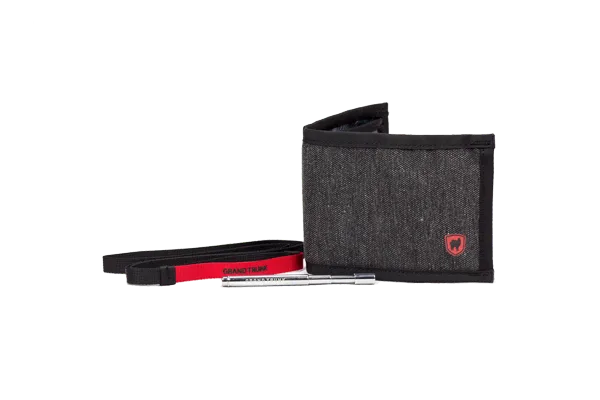
bi-fold wallet
A bi-fold wallet takes more abuse than almost anything else you carry. It gets sat on, stuffed into pockets, opened and closed dozens of times a day, and exposed to sweat, rain, and sunscreen. That daily punishment shows up as stretched card slots, a floppy spine, cracked leather at the fold, and stitching that starts to pull.
The good news is that most bi-fold wallet damage is preventable with a few habits and simple supplies. This guide separates the symptoms you can fix at home from the ones that mean it is time to retire the wallet, and it covers how to clean a wallet, when leather conditioning helps, and wallet storage tips for travel and off-season.
Symptom: The fold is cracking or splitting
A cracked fold usually means the leather has dried out from body heat, sweat, and repeated flexing. If the crack is surface-level and the leather still feels pliable, clean it with a soft dry cloth, apply a thin layer of leather conditioner, and let it absorb before folding. If the crack goes all the way through the leather or you can see the lining, conditioning will not repair it. That is structural failure, and the wallet will keep splitting.
Leather conditioning is maintenance, not repair. It replaces oils that daily carry strips away, which keeps the fold supple and reduces the chance of new cracks. Apply conditioner sparingly, once or twice a year for most people, and more often if you live in a dry climate or carry the wallet in a hot car.
- Test conditioner on a hidden corner first to check for color transfer.
- Never soak the leather; a thin coat worked in with a finger is enough.
- Let the wallet dry open and flat before you fold it again.
Symptom: Card slots are stretched and cards fall out
Stretched slots come from carrying too many cards in each pocket. Leather and nylon both relax over time, but overstuffing accelerates it. Move rarely used cards to a separate cardholder or a travel organizer, and rotate only the cards you actually need. If the slots are already loose, you can sometimes restore some grip by conditioning dry leather, but stretched-out leather rarely returns to its original shape.
This is also where everyday carry wallet care overlaps with travel. A passport holder or document organizer keeps backup cards, IDs, and tickets out of your daily wallet, so the bi-fold carries less and lasts longer. That is a better fix than trying to shrink stretched leather back to size.
- Aim for one card per slot and no more than two in any single pocket.
- Remove loyalty cards and gift cards you rarely use.
- If slots are torn, not just loose, plan to replace the wallet.
Symptom: Stitching is fraying or pulling
Frayed stitching at the fold or along the card slot edges is usually caused by friction from overstuffing or by a wallet that is simply at the end of its life. If only one or two stitches are loose and the leather around them is intact, a leather repair shop can often re-stitch it. If the thread is pulling through the leather itself, the material is too worn to hold new stitches.
For nylon or fabric wallets, fraying is harder to repair cleanly. Trimming a loose thread can stop a run, but do not pull it. If the seam is opening, the wallet is done. This is the point to stop repairing and choose another option.
- Do not superglue frayed stitching; it stiffens the fold and causes new cracks.
- Trim loose threads with small scissors rather than pulling them.
- Re-stitching is worth it only on leather in otherwise good condition.
Symptom: The wallet smells musty or feels damp
A musty wallet usually means moisture got trapped inside and stayed there. Empty it completely, wipe it with a dry cloth, and let it air out open and flat away from direct heat. Do not use a hair dryer or radiator, which can crack leather. If the smell persists after a day of airing, the lining may be holding mildew, and that is difficult to remove without damaging the wallet.
Prevention matters more than cure here. If you get caught in rain or leave the wallet in a damp pocket, empty and air it that night. For travel, a small storage bag keeps the wallet separate from wet swimsuits or towels in a tote.
- Never store a damp wallet closed in a drawer.
- Avoid direct sun and high heat when drying.
- If mildew has stained the lining, replace the wallet.
How to clean a wallet without damaging it
Start dry. Empty every pocket, shake out crumbs, and wipe the surfaces with a soft dry cloth. For leather, use a cleaner made for leather and apply it to a cloth, not directly to the wallet. Work in small circles, then wipe away residue and let it dry naturally. For fabric or nylon, a damp cloth with a drop of mild soap is usually enough, but avoid soaking the seams.
Do not use alcohol, bleach, or household all-purpose cleaners on leather. They strip the oils that keep the fold flexible. If you are unsure what the material is, test any cleaner on a hidden area first. When in doubt, dry cleaning with a cloth is safer than a wet clean.
- Clean only when the wallet looks or feels dirty, not on a fixed schedule.
- Use a separate cloth for cleaning and for conditioning.
- Let the wallet dry fully before reloading cards and cash.
Wallet storage tips for travel and off-season
When you are not carrying the wallet, store it empty, open, and flat in a dry place. Folding a wallet closed for months can set a crease that cracks later. If you swap between wallets, keep the unused one in a breathable bag rather than a sealed plastic container, which can trap moisture.
For travel, keep your daily bi-fold separate from backup documents. A slim organizer for passports, tickets, and backup cards keeps the bi-fold from being overstuffed and makes it easier to find what you need at a counter or gate. Pack the wallet in an outside pocket of your bag rather than at the bottom, where it gets crushed.
- Store leather wallets open and flat, not folded.
- Keep backup documents in a separate organizer.
- Avoid compressing the wallet at the bottom of a packed bag.
Wallet symptom diagnosis: fix, replace, or adjust
- Surface crack in the fold: Clean with a dry cloth, apply a thin coat of leather conditioner, and let it absorb. Keep the wallet open and flat to dry. Fixable if the leather is still pliable and the crack does not go through.
- Stretched or torn card slots: Remove extra cards and move backups to a separate organizer. Condition dry leather once to restore some suppleness. Loose slots can be managed; torn slots mean it is time to replace.
- Frayed stitching or seam separation: Trim loose threads without pulling. A leather repair shop can re-stitch only if the surrounding material is intact. Stop repairing if the thread is pulling through the leather itself.
- Musty smell or damp lining: Empty the wallet, wipe it dry, and air it open and flat away from heat. Do not seal it in a drawer. If mildew stains remain, choose another wallet rather than risk transferring odor to cards.
Products that support better everyday carry care
- Passport Holder & Organizer: Durable nylon compartments keep passports, cards, and cash organized, with a secret cash pocket and a slim design. Moving backup documents and extra cards into a dedicated organizer reduces bulk in your bi-fold wallet, which is the main cause of stretched slots and a cracked fold.
- Bindle - Travel Laundry & Storage Bag: Packs down small and expands to hold clothes, shoes, or gear, making it a lightweight storage option for travel. Keeping dirty or damp items separate from your wallet in a tote or bag helps prevent the moisture and musty smells that damage leather and lining.
Most bi-fold wallet problems start with too much stuff and too little drying time. Empty it nightly, clean it only when needed, condition leather sparingly, and store it open and flat. When the leather cracks through or the stitching pulls out, stop repairing and replace the wallet.