Quick answer
Choose bib shorts with removable leg warmers when temperatures swing through the ride, and switch to padded bib tights when the cold is steady and you want one warm layer with no gaps. Bib tights win for long winter base miles; bib shorts plus warmers win for changeable spring and autumn days.
What actually separates bib shorts from bib tights
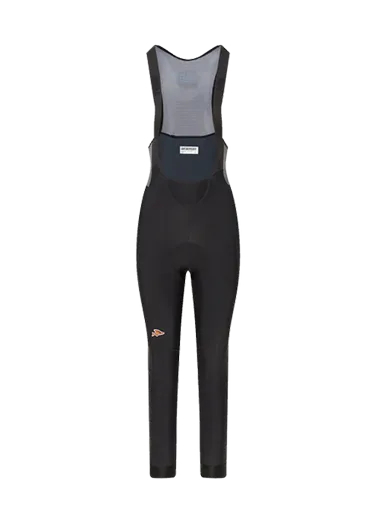
The difference is not just fabric length. Bib shorts use a lighter, highly breathable fabric and expose the lower leg, so they rely on a separate layer for warmth. Bib tights extend to the ankle in an insulating fabric, often with a brushed interior for comfort and stretch on colder days, and they remove the seam gap where warmers meet shorts. That gap is where wind and rain get in, so tights are the more protective option once temperatures stay low.
When leg warmers beat a full bib tight
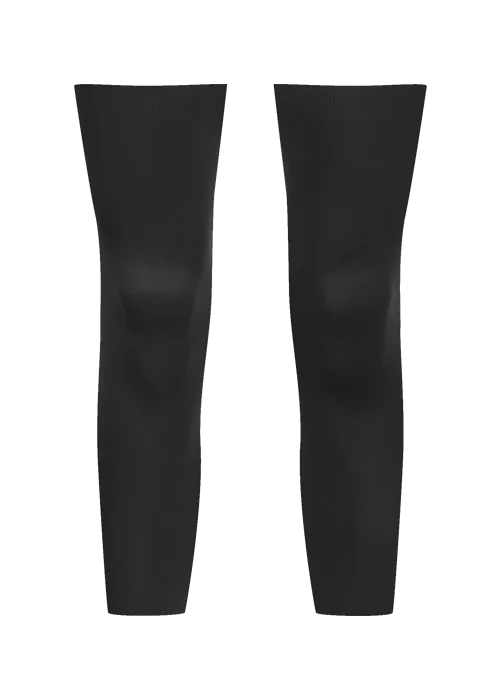
Leg warmers are the flexible middle ground. They protect knees and thighs, preserve joint mobility, and can be pulled down or removed mid-ride as conditions change. Lightweight warmers with silicone grippers stay in place without over-compressing, and they pack small enough to stow in a jersey pocket. If your ride starts at 6°C and finishes at 15°C, warmers let you adapt; a bib tight does not.
How to judge cold-weather coverage
Look at three things: whether the fabric is brushed or smooth, whether the pad is designed for long hours, and how much cargo you need. Cargo pockets matter more in winter because you carry more layers, food and spares. A reflective zipped pocket adds visibility on dark commutes. If a product listing does not state a temperature rating, treat that as a decision limitation and judge by fabric weight and your own comfort history rather than assuming a number.
Trade-offs to weigh
- Bib tights: warmth and coverage: One continuous insulated layer with no gap at the knee, but you cannot remove it when the ride warms up. Choose tights for steady cold, not for rides that swing 10°C.
- Bib shorts plus leg warmers: flexibility: You can strip the warmers and pocket them, but the overlap at the thigh can shift or let in wind if the gripper is weak. Choose warmers for changeable spring and autumn conditions.
- Storage and visibility: Cargo pockets and reflective zips add weight and bulk, but they keep food and layers accessible without a backpack. Prioritise pockets if you ride long distances without stopping.
Product facts that matter here
- Rosie: Insulating brushed fabric with stretch for colder days, plus a cargo pocket on each thigh (one reflective and zipped) and two rear pockets. Best when you need one warm layer, extra storage and visibility on long winter rides.
- Olga: Lightweight knee and thigh protection in an improved lighter material, with silicone bands for a precise fit. A practical add-on to bib shorts when temperatures shift and you want to remove a layer mid-ride.
Which should you buy?
Best for
- Riders doing long winter base miles who want one warm, gap-free layer
- Commuters who need pockets and reflective details in low light
Not for
- Rides that start cold and finish warm, where removable warmers are more practical
- Riders who only need knee and thigh protection and already own bib shorts