Quick answer
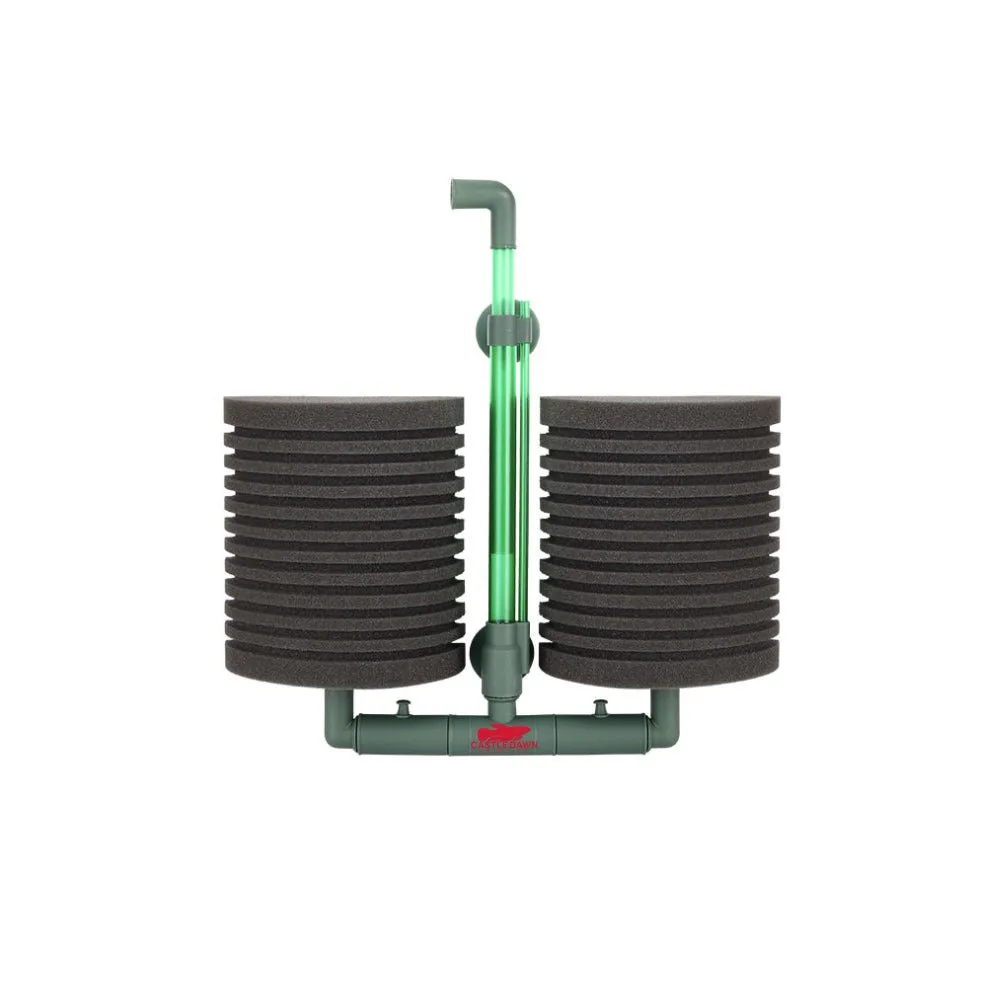
For most breeding tanks, a bio sponge filter is the safer default because its gentle flow and sponge intake cannot pull in fry or shrimplets. Choose a canister filter only when the tank is large, heavily stocked, or needs strong mechanical and chemical filtration, and always add a sponge pre-filter to the intake. If you keep juvenile Arowana or other low-flow fish, the Extra-Large Double Bio Sponge Filter is a strong fit for tanks up to 70 gallons.
How each filter treats fry and shrimp
Sponge filters work by pulling water through a porous sponge with an air pump or powerhead. The sponge surface becomes biological media, and the flow is slow enough that free-swimming fry and shrimplets are not sucked in. This is the core reason sponge filtration dominates breeding racks and shrimp tanks.
Canister filters move water at much higher rates and use an intake strainer that can trap small fish. Even with a pre-filter sponge, the current inside a canister is strong, and a newly free-swimming fry that gets past the strainer has almost no chance of escaping. Canisters excel at polishing water and holding large media volumes, but they are not a fry-safe first choice without modification.
Setup and maintenance differences that matter
A sponge filter needs an air pump, airline tubing, and a check valve. Installation takes minutes: attach it to the tank wall, connect the airline, and let it run. Cleaning means squeezing the sponge in a bucket of tank water, which preserves the bacteria. Because the sponge is the media, you never replace it entirely.
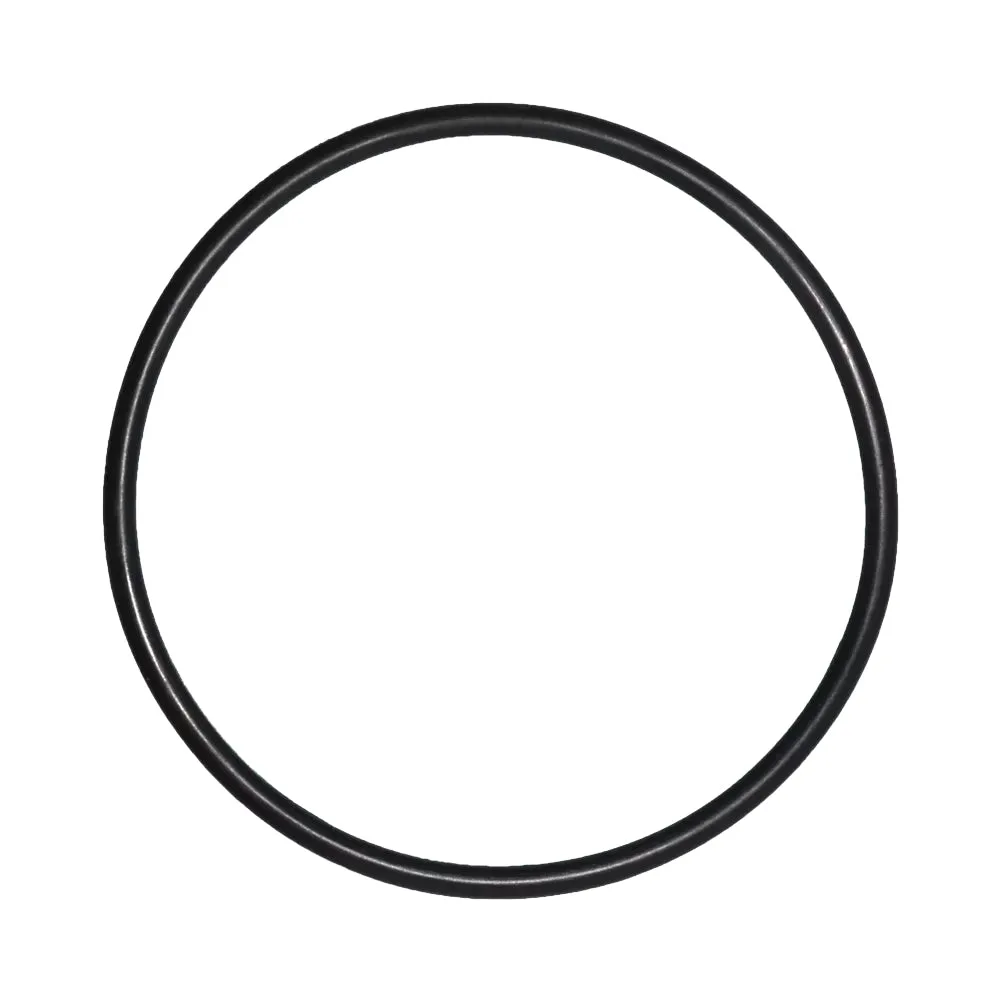
A canister filter needs priming, hose routing, and media trays. Maintenance involves opening the canister, rinsing media, and checking seals. That last point is where leaks start. If you run a SunSun HW series canister, keep a genuine replacement O ring on hand. The SUNSUN Canister Filter HW-304A/304B Replacement Rubber Seal O Ring and the SUNSUN Canister Filter HW-602A/602B Replacement Rubber Seal O Ring are model-specific, so confirm your model before buying.
When a canister filter is the better tool
Canisters win when you need high flow, large media capacity, or hidden equipment. A 75-gallon grow-out tank with messy eaters benefits from the mechanical and chemical filtration a canister provides. You can also run a canister on a breeding tank if you baffle the outflow and cover the intake with a fine sponge.
The trade-off is risk. A canister can leak at the seal, lose prime during a power outage, or trap fry. If you choose a canister for a breeding setup, test the seal before each spawn and keep a spare O ring. For a low-flow species like juvenile Arowana, a canister may be too strong; a sponge filter or a canister with a spray bar turned down is safer.
Bio sponge filter setup for a breeding tank
Place the sponge filter in a corner away from the spawning site. Run it with an air pump sized for the tank volume; too much air creates surface agitation but not excessive current. Seed the sponge by running it in an established tank for two to four weeks, or squeeze dirty filter media into the new tank to jump-start bacteria.
For a 20-gallon breeder, one large sponge filter is usually enough. For a 40-gallon breeder or larger, use two sponges on opposite ends. This creates a gentle circular flow and gives you a backup biofilter if one needs cleaning. If you also inject CO2, keep the sponge filter's air pump on a timer that turns off during CO2 injection to avoid off-gassing, or use a diffuser like the Super CO2 Compact Internal Diffuser up to 45 Litres in a small planted breeding tank.
Trade-offs at a glance
- Fry and shrimp safety: Sponge filters have no open intake, so fry and shrimplets are not pulled in. Canister filters need a pre-filter sponge and even then can trap small fish. For breeding, sponge wins on safety.
- Filtration capacity: Canisters hold more media and move more water, which suits large grow-out tanks. Sponge filters are limited by sponge volume and air pump output. Choose a canister only if you need heavy mechanical or chemical filtration.
- Maintenance and leak risk: Sponge cleaning is simple and low-risk. Canisters require seal checks, priming, and occasional O ring replacement to avoid leaks. Keep a spare O ring for your canister model and inspect it before each spawn.
Products that fit this comparison
- Extra-Large Double Bio Sponge Filter: The Extra-Large Double Bio Sponge Filter is rated for aquariums up to 70 gallons and provides mechanical and biological filtration with a wall-hugging design. It covers most breeding tanks and grow-out tanks without creating strong current, making it a safe choice for fry and shrimp.
- SUNSUN Canister Filter HW-304A/304B Replacement Rubber Seal O Ring: The SUNSUN Canister Filter HW-304A/304B Replacement Rubber Seal O Ring is a genuine replacement seal for SunSun HW series external filters. If you run a canister on a breeding tank, a worn seal is a common leak point; keeping the correct O ring prevents water loss and filter failure.
- SUNSUN Canister Filter HW-602A/602B Replacement Rubber Seal O Ring: The SUNSUN Canister Filter HW-602A/602B Replacement Rubber Seal O Ring is a genuine replacement seal for SunSun HW series external filters. Model-specific seals prevent buying the wrong size; confirm your canister model before ordering so the seal fits correctly.
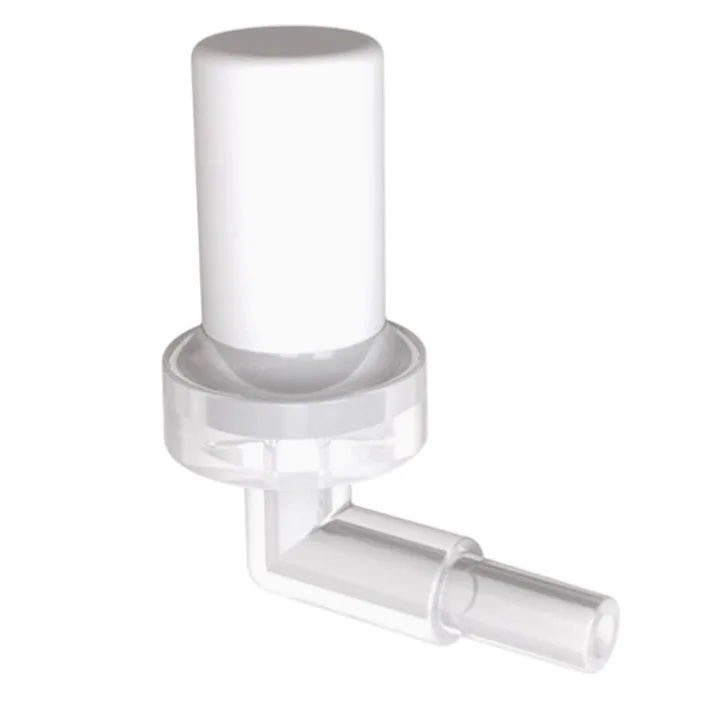
- Super CO2 Compact Internal Diffuser up to 45 Litres: The Super CO2 Compact Internal Diffuser up to 45 Litres connects to standard CO2 tubing and delivers a fine mist of CO2 for plant health in smaller aquariums. In a small planted breeding tank, this diffuser adds CO2 without obstructing the view, but you still need to manage surface agitation from the sponge filter.
Which filter fits your breeding tank?
Best for
- Breeders raising fry or shrimp that need gentle flow and no intake suction
- Small to mid-size breeding tanks up to 70 gallons
- Hobbyists who want low-maintenance, low-risk filtration
Not for
- Large, heavily stocked grow-out tanks that need high flow and large media volume
- Keepers who want hidden equipment and canister-level water polishing
- Anyone unwilling to add a pre-filter sponge to a canister intake