Quick answer
Biotin helps hair, skin, and nails only if your body is actually short on it. If you eat eggs, nuts, seeds, or whole grains regularly, you likely get enough and a supplement won't transform your hair. If you have a diagnosed deficiency, brittle nails, or a condition that depletes biotin, a supplement can make a real difference. Start with a low dose, give it three to six months, and check with your clinician first.
Biotin
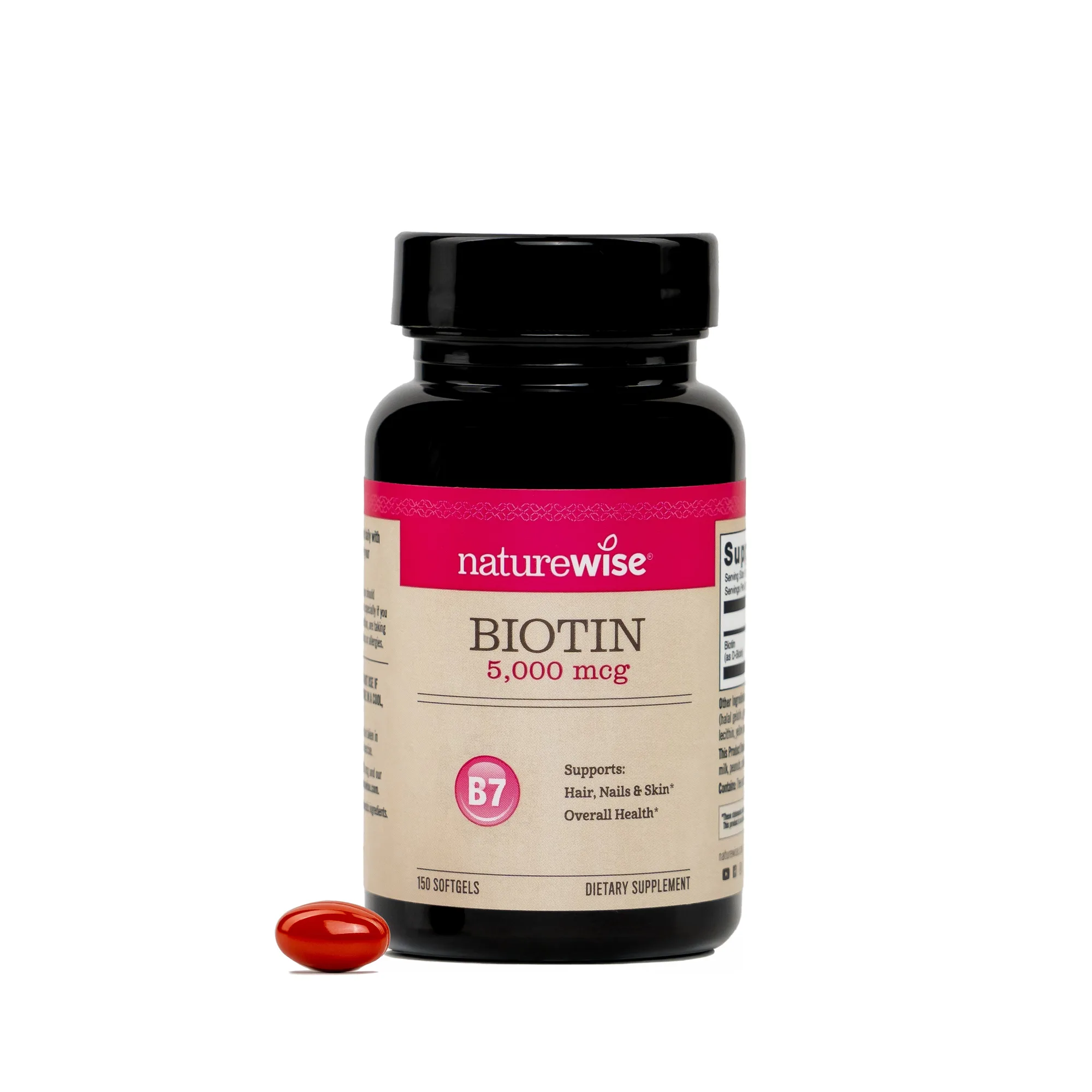
Biotin is one of the most hyped ingredients in the hair growth supplement aisle, but the honest answer to whether it works is: it depends on your baseline. Your body needs biotin to build keratin, the protein that makes up hair, skin, and nails. If you are deficient, correcting that deficiency can visibly improve all three. If you are not deficient, extra biotin mostly just leaves your body in urine.
This guide walks you through a practical, ordered process for deciding whether biotin is worth your money, how to take it correctly, and what to expect along the way. You will also see where biotin fits alongside other nutrients that support hair and skin, so you can build a routine that actually matches your goals.
What biotin actually does in your body
Biotin is a water-soluble B vitamin that acts as a coenzyme in several metabolic reactions, including the breakdown of fats and carbohydrates. It also plays a role in maintaining the structure of keratin, which is why it gets linked to hair, skin, and nails. The key point is that biotin is not a growth stimulant like minoxidil; it is a nutrient your body needs in small amounts to run normal processes.
Most adults need only about 30 micrograms of biotin per day, and a balanced diet usually covers that easily. Eggs, nuts, seeds, salmon, sweet potatoes, and whole grains are common sources. Because the requirement is so small, true deficiency is uncommon in healthy people. That is why studies on biotin supplements in well-nourished adults tend to show little to no change in hair or nail growth.
- Check your diet first: if you regularly eat eggs, nuts, or whole grains, you are probably not deficient.
- Biotin is water-soluble, so excess amounts are excreted rather than stored.
Who is most likely to benefit from a biotin supplement
Certain groups are more prone to low biotin levels. Pregnant women, people with long-term use of certain anti-seizure medications, and those with conditions that affect nutrient absorption may be at higher risk. Smoking and heavy alcohol use can also interfere with biotin status. If you fall into one of these groups, a supplement is more likely to make a noticeable difference.
Brittle nails are one of the clearest signs that biotin supplementation may help. Some small studies have shown improved nail thickness and reduced splitting in people with brittle nails who took biotin. Hair and skin changes are less predictable because they depend on many other factors, including iron, zinc, vitamin D, and protein intake.
- Ask your clinician about testing if you suspect a deficiency rather than guessing.
- If your nails are brittle and you have no other explanation, biotin is a reasonable first step.
How to choose a biotin supplement and dose it correctly
Biotin supplements are widely available in doses ranging from 300 micrograms to 10,000 micrograms (10 mg). Higher doses are not automatically better. For general support, a dose in the 1,000 to 5,000 microgram range is common, but start lower if you are just exploring. Take it with food to support absorption, and keep the timing consistent each day.
When you shop, look for a product that clearly states the biotin amount per serving and avoids unnecessary fillers if you have sensitivities. If you are also targeting hair growth, you may want a formula that combines biotin with other researched ingredients. For example, the Grow Back Bundle from NatureWise pairs TocoGaia and AnaGain Nu in a vegan, sugar-free format, which gives you a broader approach than biotin alone.
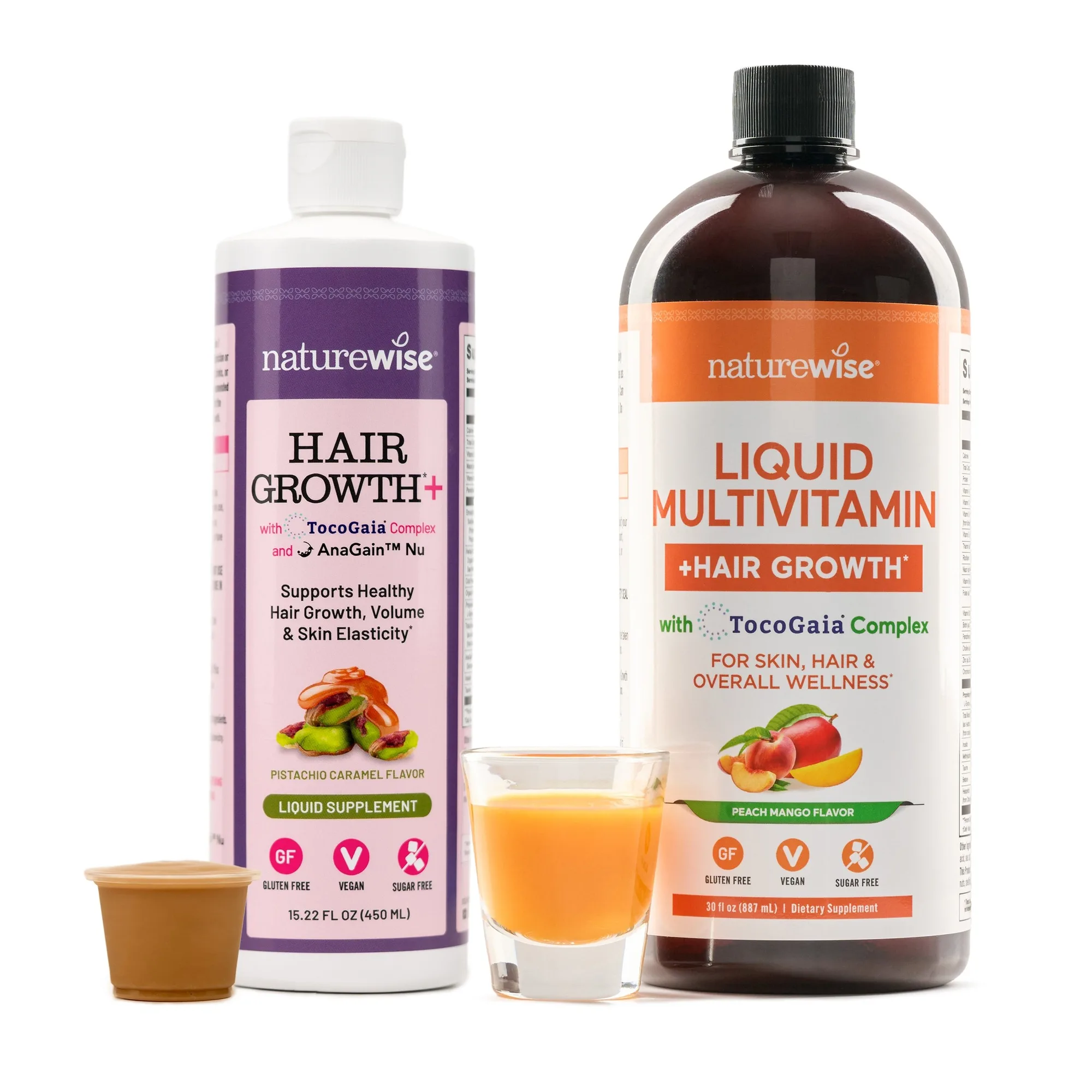
Grow Back Bundle
- Do not exceed the dose on the label unless a clinician tells you to.
- Biotin can interfere with certain lab tests, including thyroid and cardiac troponin tests, so tell your doctor you take it.
What to realistically expect and when
Hair and nail growth is slow. Nails take about three to six months to fully grow out, and hair grows roughly half an inch per month. That means any visible change from correcting a deficiency will take at least a few months, not weeks. Taking photos at the start and checking in monthly can help you judge progress without relying on memory.
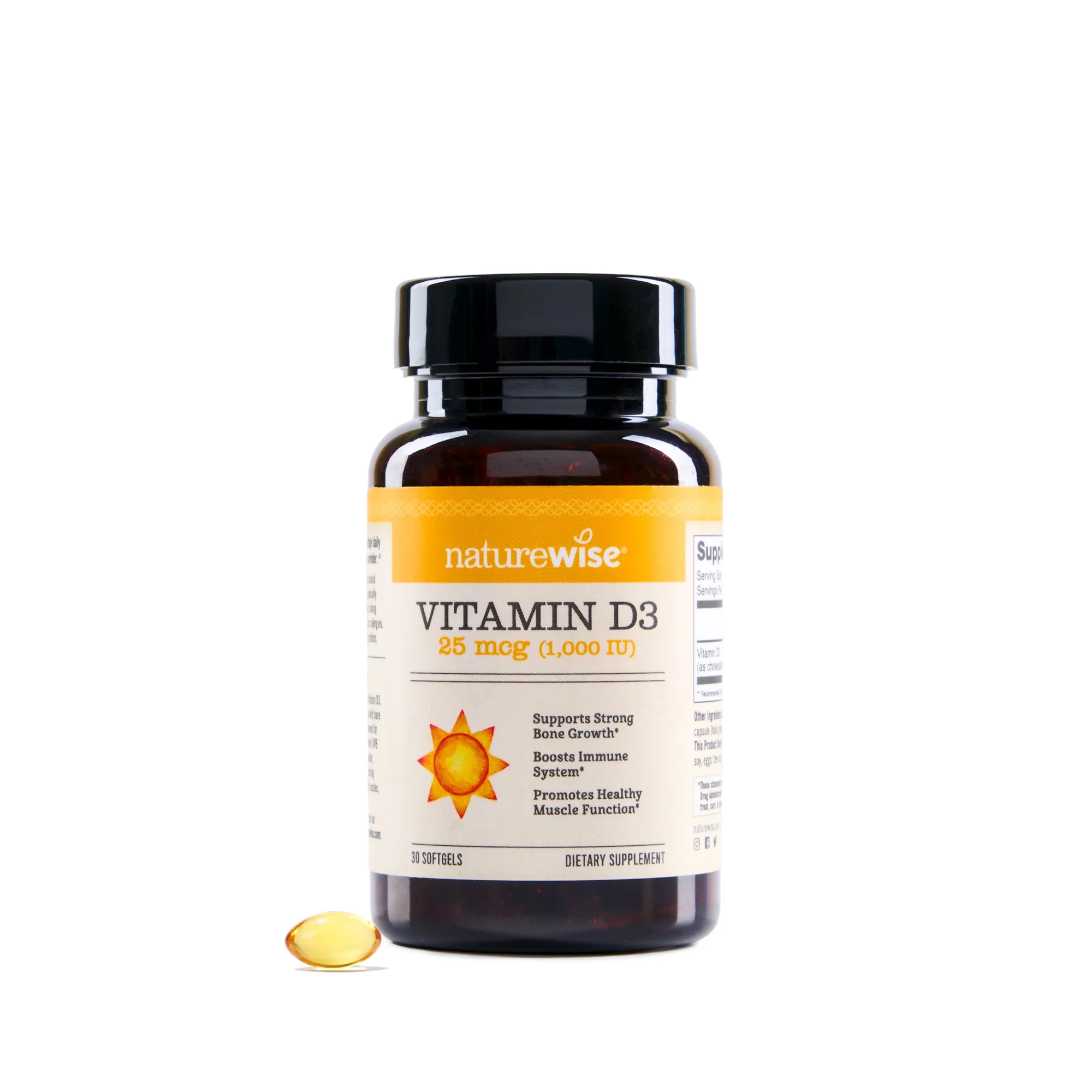
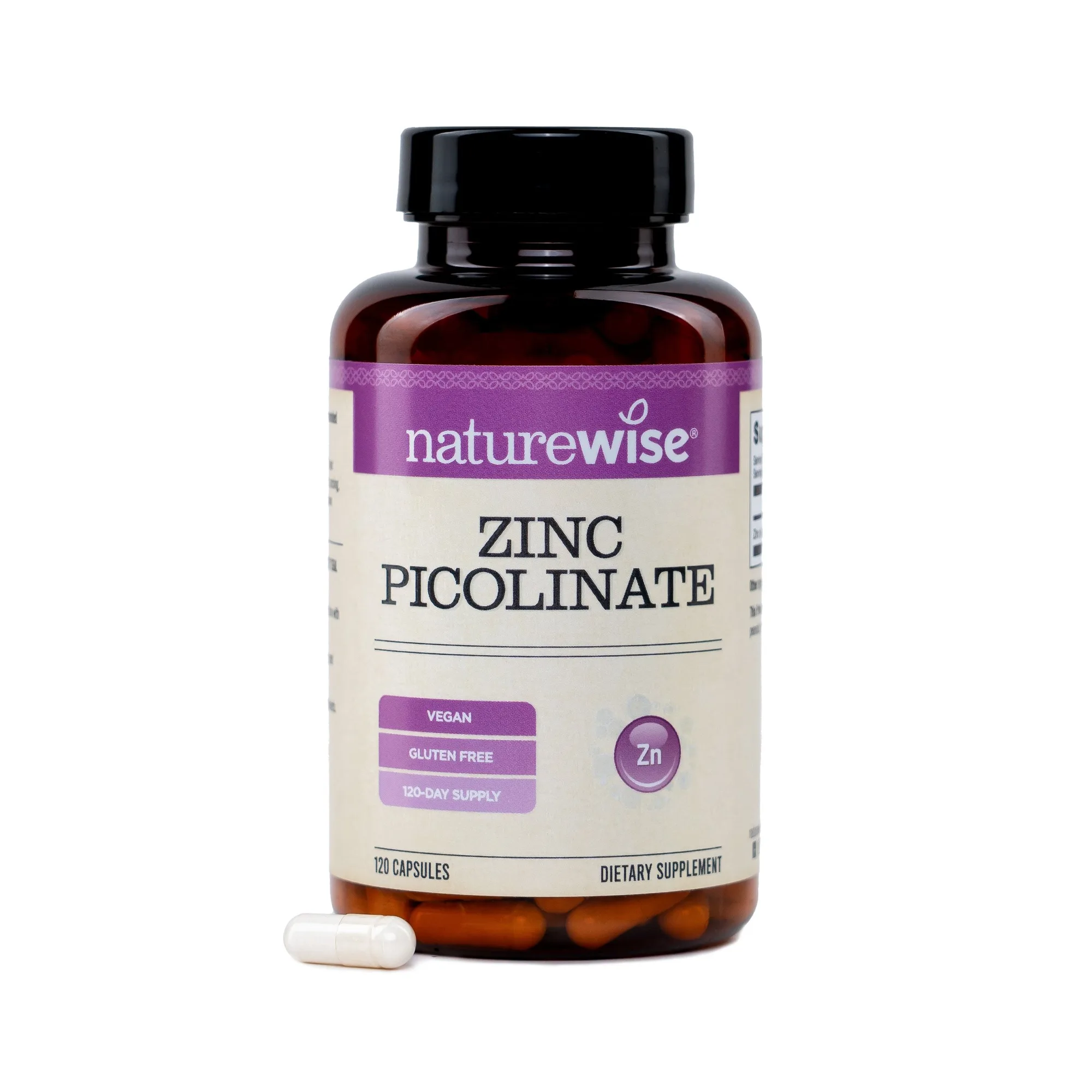
If you see no change after six months of consistent use and you are not deficient, biotin is probably not your missing piece. In that case, look at other nutrients that support hair and skin, such as zinc, vitamin D, and collagen. The Zinc + D3 & K2 from NatureWise combines 30 mg of zinc picolinate with vitamin D3 and K2, covering three nutrients that support immune function, bone health, and skin health.
- Track your nails first: they often respond faster than hair.
- If nothing changes in six months, reassess rather than increasing the dose.
Safety, side effects, and interactions
Biotin is generally well tolerated, and serious side effects are rare. The most common issue is that high doses can skew laboratory results, leading to misdiagnosis. If you take biotin, mention it before any blood test, especially if you are being evaluated for thyroid or heart issues. Some people report mild digestive upset, which usually resolves if you take it with food.
Biotin can also interact with certain medications, including some anti-seizure drugs. If you take prescription medication, check with your pharmacist before adding a supplement. And remember that more is not better: there is no evidence that mega-doses improve hair or nails beyond correcting a deficiency.
- Stop biotin at least two to three days before scheduled lab work if your doctor advises it.
- Ask your pharmacist about interactions if you take any prescription drugs.
Your step-by-step biotin routine
- Step 1: Assess your diet and risk factors: Review how often you eat biotin-rich foods like eggs, nuts, seeds, salmon, and whole grains. Note if you are pregnant, take anti-seizure medication, or have absorption issues. If you eat a varied diet and have no risk factors, you are probably not deficient and biotin may not help.
- Step 2: Talk to your clinician before starting: Ask whether testing for biotin deficiency makes sense for you. Bring up any medications you take and any symptoms like brittle nails or hair thinning. A simple conversation can save you months of guessing and rule out other causes like thyroid issues or iron deficiency.
- Step 3: Choose a dose and form that fits your needs: Start with a moderate dose, typically 1,000 to 5,000 micrograms per day, unless your clinician recommends otherwise. Pick a product with a clear label and no unnecessary extras. Higher doses are not better; consistency matters more than megadoses.
- Step 4: Take it consistently with food: Take your biotin at the same time each day, ideally with a meal. Set a reminder if needed, because sporadic use will not give you a fair test. If you miss a day, just resume the next day; do not double up.
- Step 5: Track progress for at least three to six months: Take clear photos of your hair and nails at the start, then monthly. Note any changes in nail strength, splitting, or hair shedding. Nails often show change first; hair takes longer because it grows slowly.
- Step 6: Reassess and adjust: If you see no improvement after six months and you are not deficient, consider stopping biotin and looking at other nutrients like zinc, vitamin D, or collagen. No change after six months is a clear signal to try a different approach.
Products that support hair, skin, and nail goals
- Grow Back Bundle: Formulated with TocoGaia and AnaGain Nu; vegan and sugar free; supports hair growth, skin elasticity, and hair volume. If you want a multi-ingredient approach rather than biotin alone, this bundle targets hair and skin from several angles in one routine.
- Zinc + D3 & K2: Contains 30 mg of zinc picolinate, 2000 IU vitamin D3, and 200 mcg vitamin K2 as MK-7; supports immune system, bone health, and skin health. Zinc and vitamin D are both involved in skin and hair maintenance, so this can complement a biotin routine if you are looking at overall nutrient status.
Biotin is not a magic bullet, but it is a safe, inexpensive nutrient that can genuinely help if you are deficient or prone to brittle nails. Start with an honest look at your diet and risk factors, talk to your clinician, and give it a fair three-to-six-month trial. If it does not move the needle, you will know it is time to look at other nutrients that support hair, skin, and nails.