Quick answer
Clean food and water dishes daily, wipe tray liners every one to two days, and do a full perch-and-cage scrub once a week. For wood or cement perches, moisten the surface with warm water first, then use a perch cleaner made for those materials. Skip sand perches with liquid cleaners and avoid harsh fumes around birds.
Set up a two-tier cleaning schedule
A bird cage stays healthier when you separate quick daily resets from the deeper weekly scrub. Daily tasks take a few minutes: swap out soiled tray liner, rinse food and water dishes, and remove wet or spoiled fresh food. The weekly session is when you tackle perches, cage bars, toys, and the tray base. This split keeps mess from building up and makes the weekly job faster.
- Daily: fresh water, rinse dishes, remove spoiled food, spot-clean tray liner.
- Every 1-2 days: replace tray liner or bedding and wipe the tray base if soiled.
- Weekly: scrub perches, wash dishes with hot soapy water, wipe bars and tray base, inspect toys.
Choose products by surface, not by scent
Birds have sensitive respiratory systems, so the safest cleaning products are the ones designed for the surface you are cleaning and that rinse away completely. For wood or cement perches, a dedicated perch cleaner removes droppings without soaking the wood. For cage bars and tray bases, use a mild dish soap or a pet-safe cage cleaner, then rinse and dry fully before the bird returns. Avoid aerosol sprays, strong bleach fumes, and scented cleaners near the cage.
Handle perches differently from trays
Perches need friction and a clean surface, but they should not stay wet. Wood and cement perches can be moistened with warm water to loosen droppings and reduce dust, then scrubbed and dried. Sand perches are a different story: abrasive cleaners and liquid soaks can break down the surface, so check the manufacturer guidance before using any product on them. Tray bases are usually non-porous and tolerate a hotter soapy wash, but they still need a full rinse and dry.
Know when to replace instead of clean
Some items reach a point where cleaning is not enough. Wood perches with deep cracks, frayed rope perches, and toys with exposed bells or loose strings should be replaced rather than scrubbed. Tray liners that stay damp or torn should also be swapped out. Keeping a small stock of replacement liners and a spare perch makes the weekly routine faster and avoids skipping steps when something wears out.
Weekly bird cage cleaning steps
- Move the bird to a safe room: Place your bird in a carrier or a closed room away from the cleaning area before you start. This keeps it away from fumes, wet surfaces, and open cage doors. Checkpoint: the bird is secure and the room is ventilated before any product is opened.
- Remove dishes, toys, and perches: Take out food and water dishes, removable toys, and perches. Set wood and cement perches aside for their own cleaning step. Shake loose debris into a trash bag rather than onto the floor. Common mistake: cleaning around perches instead of removing them, which leaves droppings on the underside.
- Clean the tray and cage base: Remove the tray liner, then wash the tray base with hot soapy water or a pet-safe cage cleaner. Rinse thoroughly and dry completely. Replace the liner with a fresh one. Checkpoint: no soap residue or standing water remains before the tray goes back.
- Scrub wood or cement perches: Moisten the perch with warm water to reduce dust and loosen droppings, then gently work a perch cleaner over the surface until clean. Rinse and let the perch dry fully before returning it to the cage. Do not use this method on sand perches; check the perch material first.
- Wash dishes and wipe bars: Wash food and water dishes with hot soapy water, rinse well, and air-dry. Wipe cage bars with a damp cloth, paying attention to areas near perches and food dishes where droppings and food residue collect. Common mistake: skipping the bars because they look clean; residue builds up where the bird sits most.
- Inspect toys and replace worn items: Check toys for loose strings, exposed metal, or cracked parts. Replace frayed rope perches and damaged toys instead of trying to clean them. Return only dry, intact items to the cage. Next step: keep spare liners and one clean perch on hand so you never skip the weekly swap.
Product facts
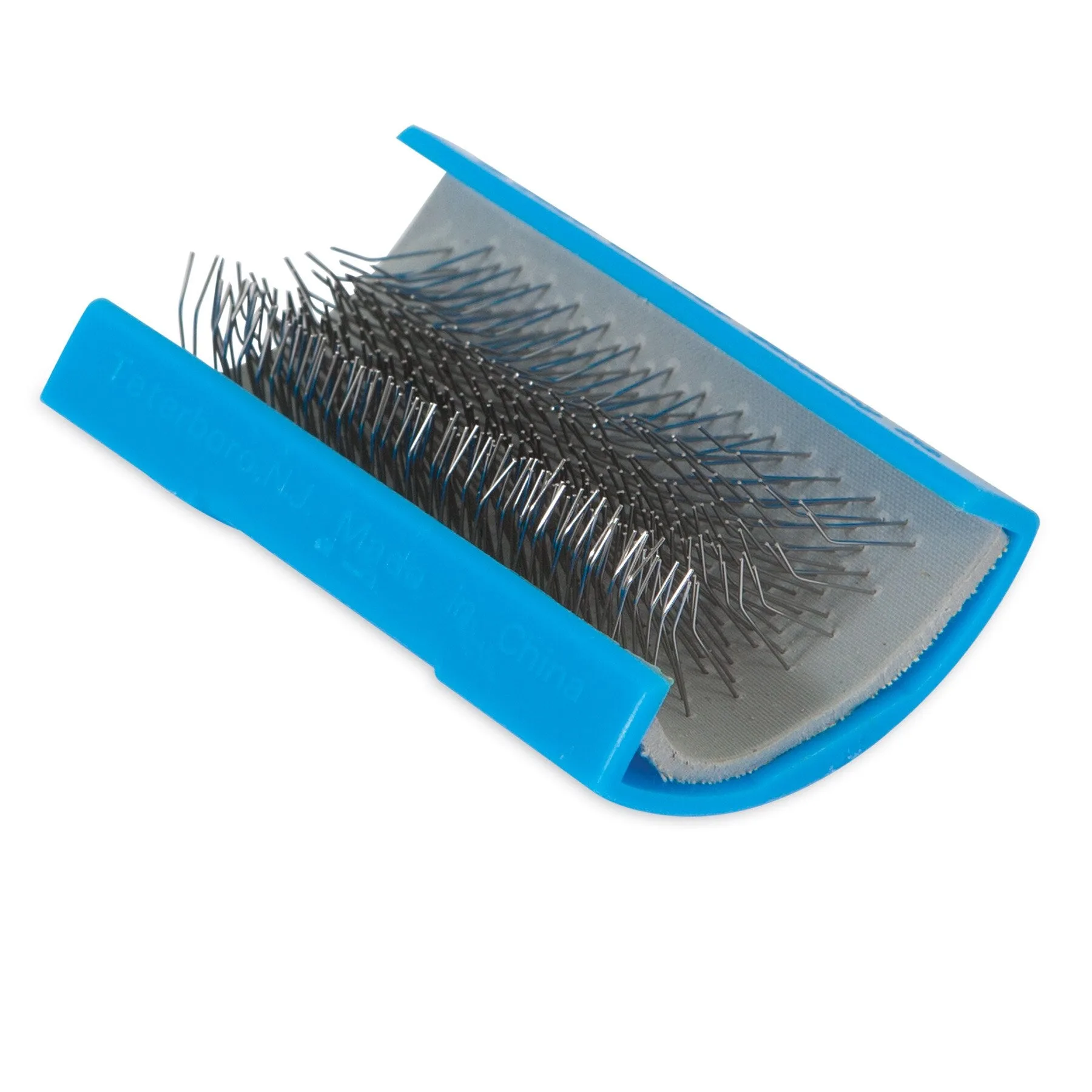
- JW Bird Perch Cleaner: JW Bird Perch Cleaner is designed for wood or cement perches and should not be used on sand perches. The instructions say to moisten the perch with warm water first to prevent excessive dust and loosen droppings, then gently move the cleaner over the perch until clean. This gives you a specific, low-dust method for the perch step of your routine and a clear material limit so you do not damage sand perches.
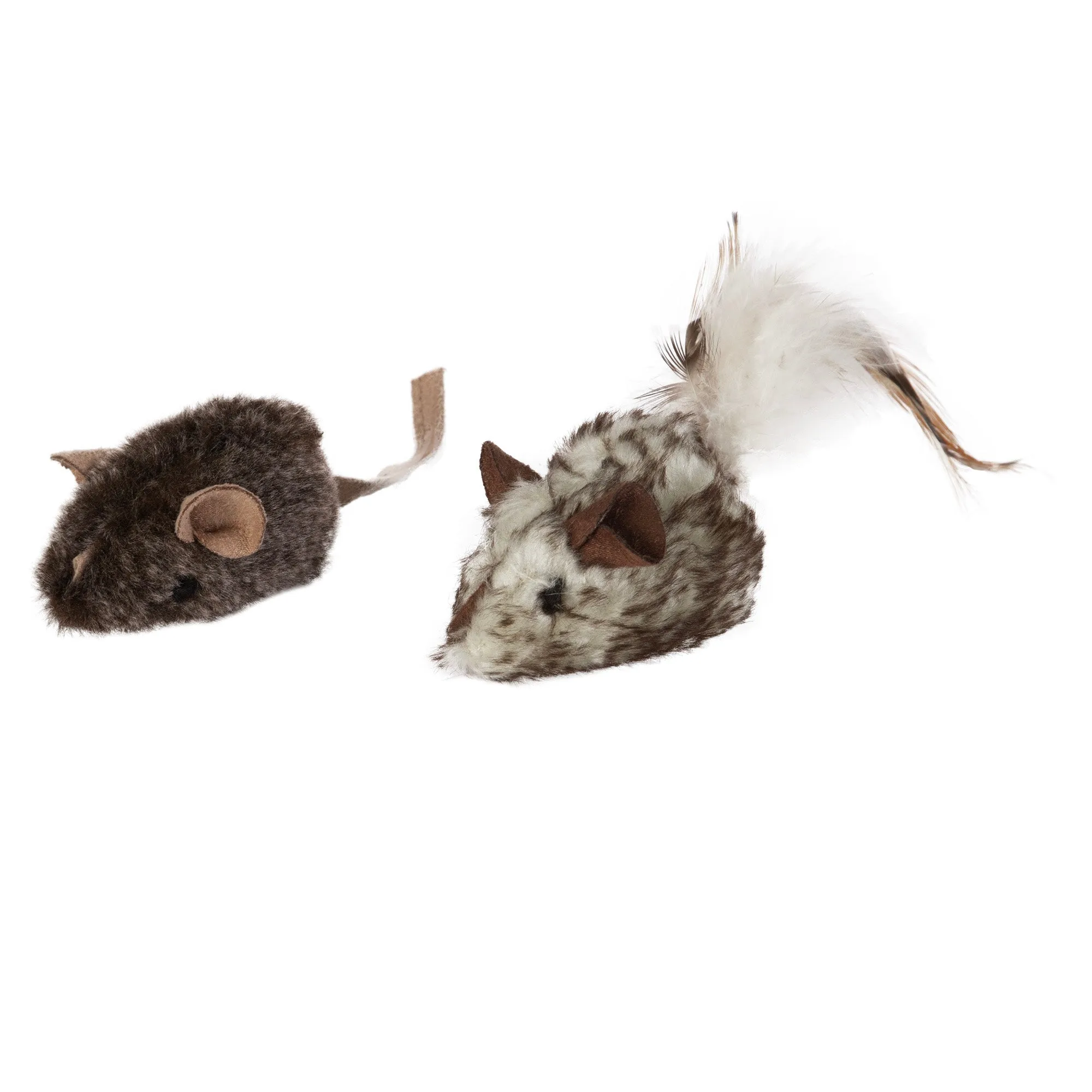
- Mad Cat Double Trouble Mice With Real Mouse Sound & Catnip: Mad Cat Double Trouble Mice With Real Mouse Sound & Catnip is filled with catnip and silvervine, an all-natural catnip alternative that can work for cats who do not respond to catnip alone. If you keep both birds and cats, this is a cat toy for separate play sessions, not a bird cage item, and it helps you keep species-specific toys organized.
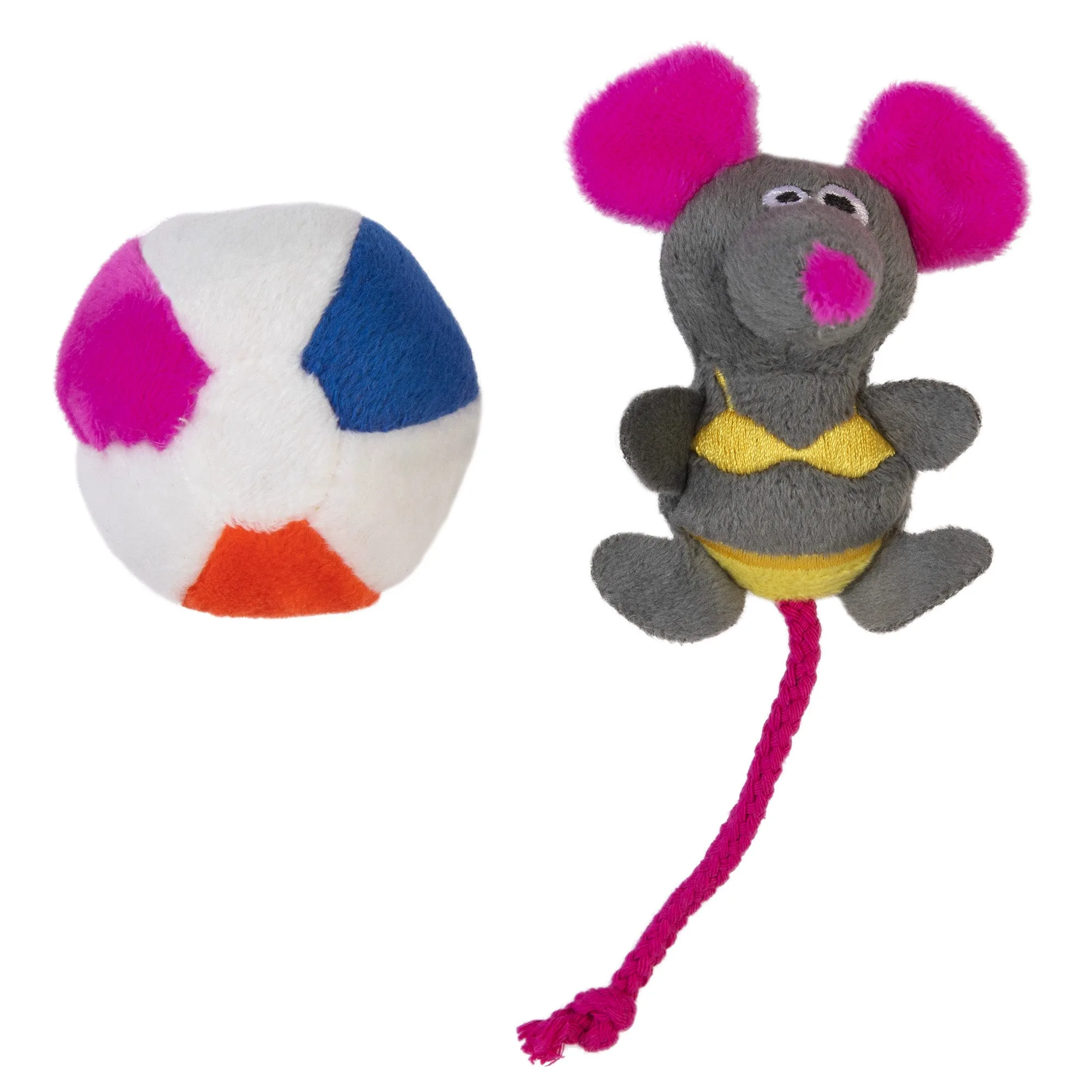
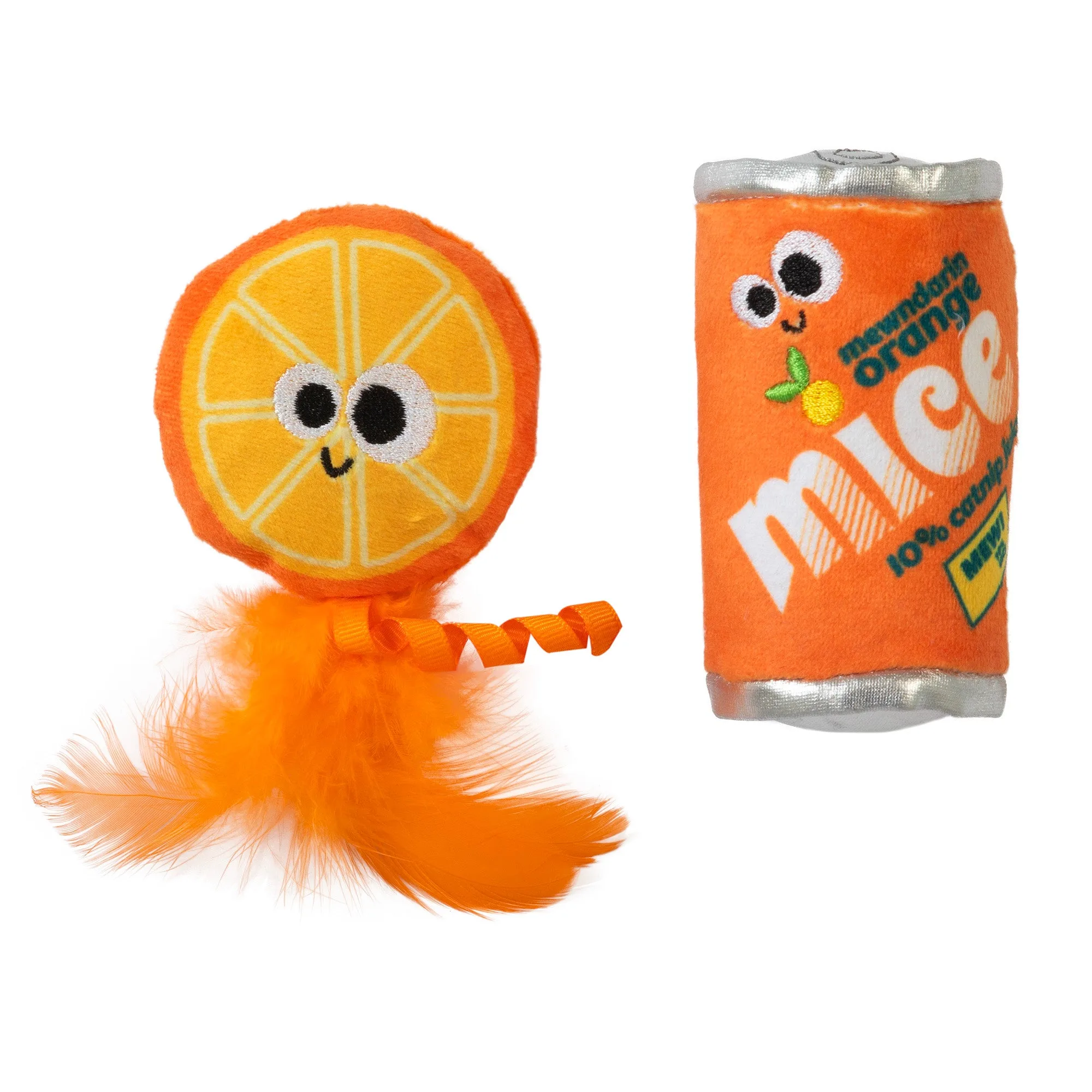
- Mad Cat Orange Mice Soda: Mad Cat Orange Mice Soda is filled with a custom blend of catnip and silvervine and includes a crinkle sound for enticing play. Useful as a cat-side distraction while you clean the bird area, keeping the cat engaged away from the cage.