Quick answer
Start with a complete, species-appropriate pellet as the base of the diet, then add a measured seed mix and fresh vegetables for variety. For most small pet birds, aim for roughly 60–70% pellets, 20–30% vegetables, and 10–20% seed by volume, adjusting with your veterinarian based on species, age, and health. Always transition gradually over 2–4 weeks and measure portions rather than free-feeding.
Bird food types and what they actually do
Bird food falls into three practical groups: complete pellets, seed mixes, and fresh or supplemental foods. Pellets are formulated to deliver consistent vitamins and minerals and should form the nutritional base for most companion birds. Seed mixes offer foraging enrichment and variety but are often higher in fat and lower in calcium, so they work best as a measured supplement rather than the whole diet. Fresh vegetables add moisture, fiber, and interest, while fruits and treats should stay occasional.
- Pellets: complete nutrition; choose a size and formula suited to your bird's species and age.
- Seed mixes: enrichment and variety; measure daily rather than refilling a full bowl.
- Fresh foods: dark leafy greens, carrots, and squash; remove uneaten portions after a few hours.
How to choose a bird seed mix without guessing
Read the ingredient list before the front label. A mix with a long list of high-fat seeds (sunflower, safflower) and few grains or legumes is better treated as a treat than a staple. Look for a clear species or size designation on the package, and check whether the manufacturer provides feeding guidance. If the label gives no analysis or feeding directions, treat that as a limitation and ask the store or your veterinarian before making it the main diet.
Setting daily bird feeding portions
Portion control prevents the common pattern of birds picking favorite seeds and leaving the rest. A practical starting point for small birds is 1–2 tablespoons of pellets plus 1 teaspoon of seed and 1–2 tablespoons of chopped vegetables per day, then adjust based on body condition and activity. Weigh your bird weekly on a kitchen scale and record the number; stable weight with good droppings is a better signal than a clean bowl.
Transitioning to a balanced bird diet
Birds are conservative eaters, so abrupt changes can lead to refusal or hunger. Mix new pellets into the current food at 10–20% and increase every few days over 2–4 weeks. Offer new vegetables in the morning when appetite is highest, and remove fresh food after 2–4 hours to prevent spoilage. If your bird stops eating or loses weight, slow the transition and consult your veterinarian.
Decision rules for choosing bird food
- If your bird is a seed junkie: Choose a pellet first and use seed as a measured training treat; transition slowly by mixing 10–20% pellets into the current seed and increasing every few days. Aim for pellets as the base within 2–4 weeks, not overnight.
- If you want a single complete food: Pick a pellet labeled for your bird's species or size and follow the package feeding range as a starting point, then adjust with weekly weights. Complete pellets reduce guesswork but still need portion control.
- If your bird has health issues: Ask your veterinarian before changing diet; prescription or therapeutic foods exist for specific conditions and are not interchangeable with general maintenance diets. Health conditions override general feeding rules.
- If the label gives no analysis or feeding guidance: Treat the product as a treat or enrichment item, not a staple, and look for a mix with a clear species designation and feeding directions. No feeding guidance means no place as the main diet.
Product facts to know
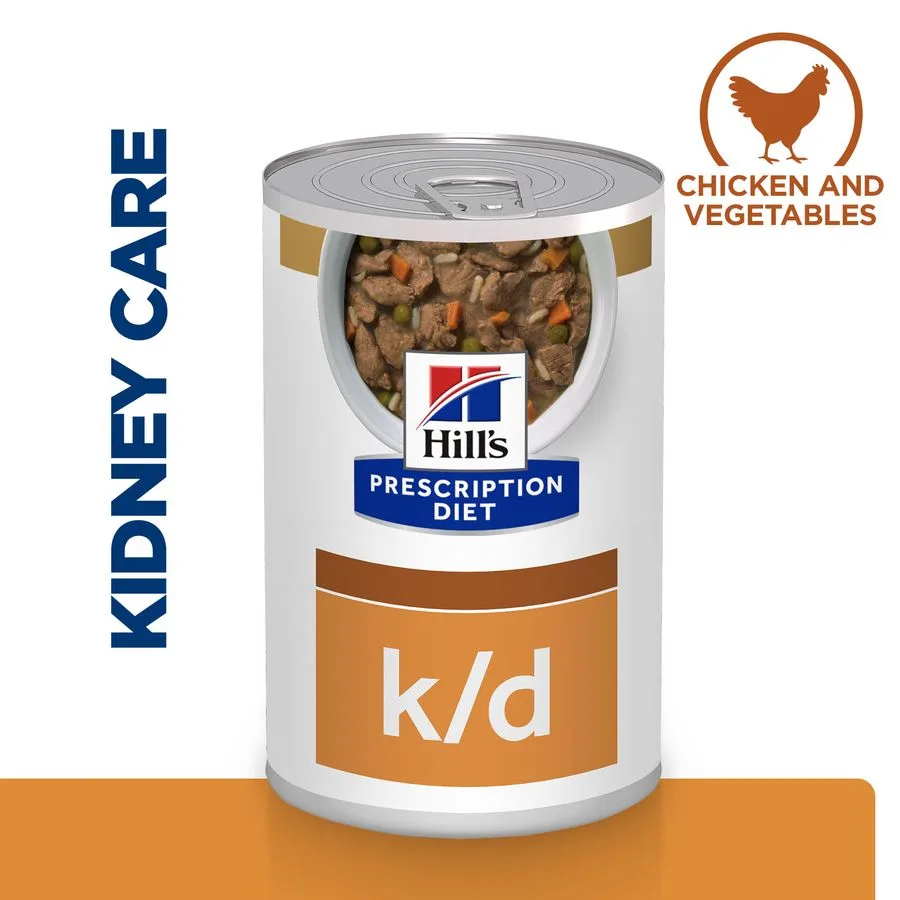
- Hill's™ Prescription Diet™ k/d Kidney Care Stew Dog Food with Chicken and added Vegetables: Hill's Prescription Diet k/d Kidney Care Stew Dog Food with Chicken and added Vegetables is clinical nutrition developed by Hill's nutritionists and veterinarians to help protect vital kidney function and enhance appetite and food intake. This is a veterinary prescription diet for dogs with kidney conditions, not a general bird food; it illustrates why species-specific formulas matter when choosing any pet food.
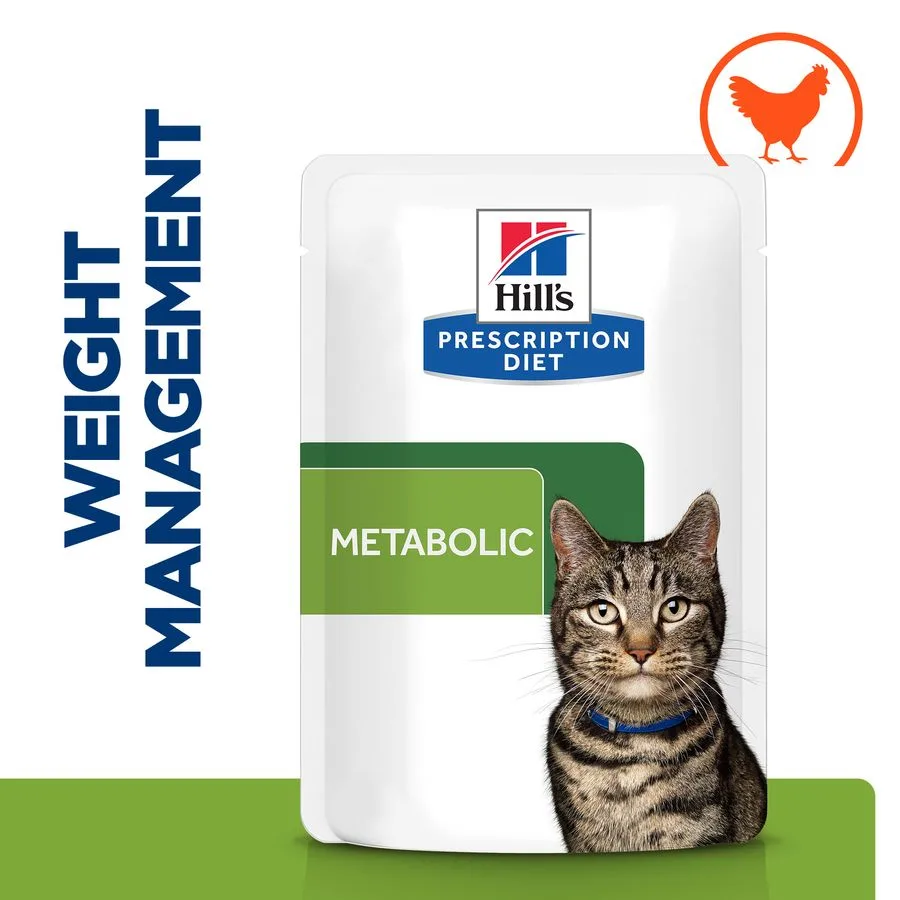
- Hill's™ Prescription Diet™ Metabolic Feline Advanced Weight Solution Chicken: Hill's Prescription Diet Metabolic Feline Advanced Weight Solution Chicken is clinical nutrition formulated to help cats lose weight and keep it off by working with their unique energy use. Weight management formulas show how portion control and complete nutrition are handled in other species; for birds, apply the same principle with a measured pellet-and-seed plan rather than free-feeding.
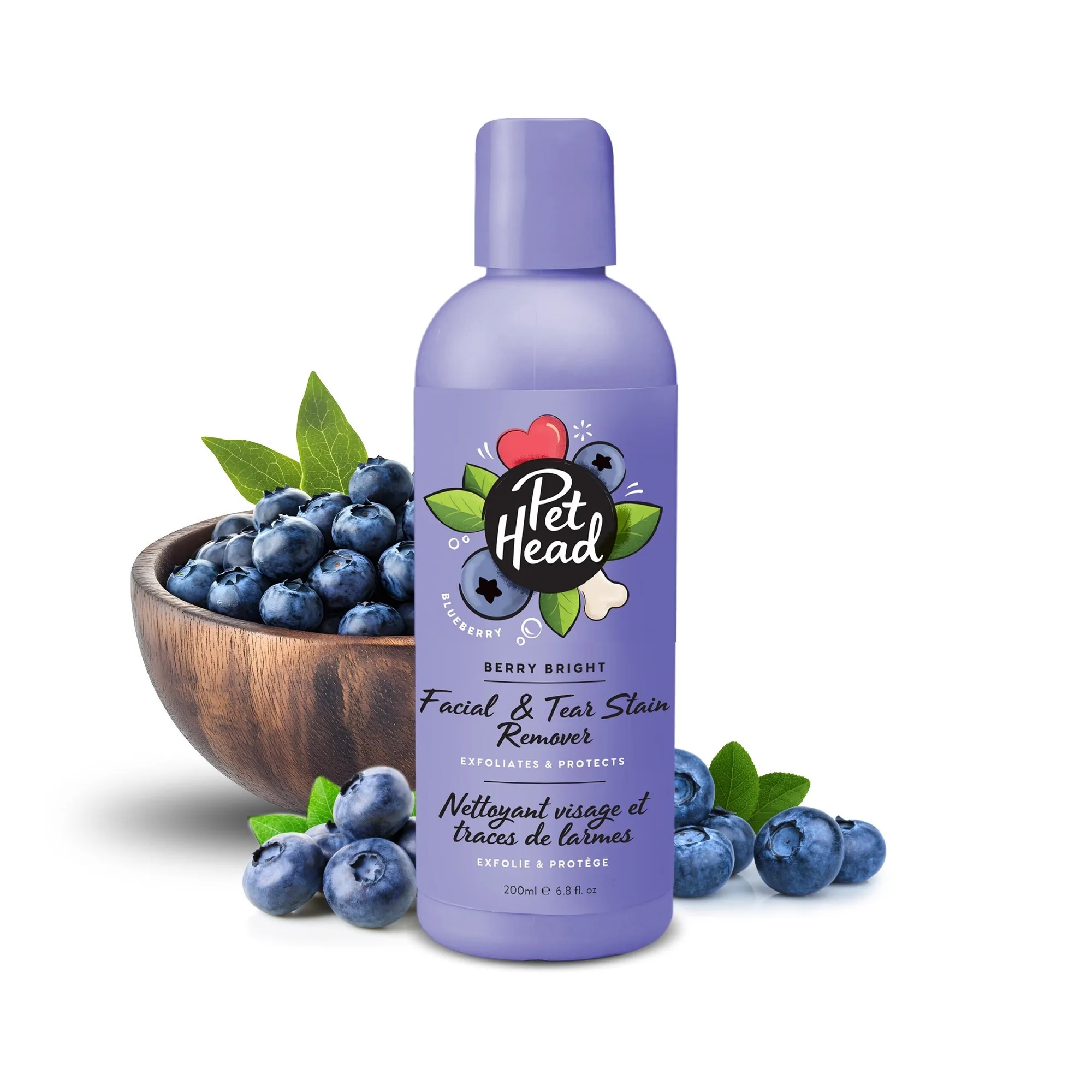
- Pet Head Berry Bright Facial Tear & Stain Remover: Pet Head Berry Bright Facial Tear & Stain Remover is a two-in-one blueberry facial and tear stain remover designed for white and light coats, gently exfoliating and cleaning. This grooming product is for dogs and cats, not birds; it is a reminder to check species labels on every product, including foods and grooming items.
Who this approach fits
Best for
- Owners of small companion birds such as budgies, cockatiels, and lovebirds who want a practical daily feeding plan
- Households willing to measure portions and weigh their bird weekly
Not for
- Birds under veterinary care for a diagnosed condition; follow your veterinarian's prescription diet instead
- Owners looking for a single set-and-forget food without measuring or monitoring weight