Quick Answer
To choose the right board game for your group, start by checking the player count and play time on the box, then match the complexity to your group’s experience. For a mixed group, pick a game with simple rules and a theme everyone enjoys. If you’re unsure, look for versatile games that play well at different player counts.
Shopping for a board game can feel overwhelming when every box promises fun. The secret to a good purchase is not picking the most popular title, but matching the game to your group’s size, taste, and time. This guide breaks down the key factors so you can buy with confidence.
Think about who will sit at the table. A game that shines with four players might fall flat with two. A heavy strategy game could frustrate a casual group, while a light party game might bore seasoned gamers. By asking a few simple questions, you can narrow down the options and find a game that fits.
Start with Player Count
The number of players is the most critical factor. Check the box for the recommended player range. Some games only work at exact counts; others flex across a range. For example, if you usually play with two, look for games that explicitly support two players. Many games list a range like 2–4, but some play better at the higher end.
If your group size varies, consider games that adjust well. A game that plays 1–6 offers flexibility, but be aware that the experience may change with the number of players. Always verify the minimum and maximum, and think about whether the game scales smoothly or just barely works at the extremes.
- Check the box for player count and play time before buying.
- If your group is usually two, look for games designed for two, not just playable with two.
- For variable groups, choose games that play well across their full range.
Match Complexity to Your Group
Board games range from light party games to heavy strategy simulations. Complexity affects how long it takes to learn and how much mental energy is required. If your group includes new players, start with games that have simple rules and quick turns. More experienced players might enjoy deeper decisions and longer playtimes.
A good rule of thumb: if the rulebook is over 20 pages, it’s probably not a light game. Look for terms like 'family game' or 'gateway game' if you want something accessible. On the other hand, if your group loves strategy and doesn’t mind a learning curve, a heavier game can be a rewarding investment.
- Read reviews that mention complexity and learning curve.
- When in doubt, choose a game that can be taught in under 10 minutes.
- Don’t buy a heavy game for a group that prefers light fun.
Consider the Theme
Theme is the story or setting of the game. It can be a major draw. Some groups love fantasy, others prefer trains, space, or adventure. A theme that excites your group will make them more willing to learn the rules. If everyone enjoys a particular subject, that can be a strong reason to choose one game over another.
However, theme alone shouldn’t carry a purchase. A game with a great theme but poor mechanics will disappoint. Look for games where the theme is woven into the gameplay, not just pasted on. For example, a survival date night game might appeal to couples, but check that the mechanics support a fun two-player experience.
- Ask your group what themes they enjoy.
- Read reviews to see if the theme matches the gameplay.
- If the theme is a priority, search for games in that genre.
Decision Rules for Buying a Board Game
- Player count rule: If your group size is fixed, buy a game that works best at that number. If your group varies, choose a game with a wide range and check reviews for how it plays at different counts. Always match the game to your typical player count.
- Complexity rule: If your group is new to board games, pick a light or medium game. If they are veterans, a heavy game is fine. Read the rulebook length and reviews to gauge complexity. Choose a complexity level that matches your group’s experience.
- Theme rule: If your group has a strong theme preference, use that as a filter. But always verify that the gameplay is solid and the theme integrates well. Theme can be a tiebreaker, but not the only reason to buy.
Games That Fit Different Groups
- Rallyman GT: Rallyman GT is a roll and move Game with a simple yet exciting dice mechanic that invites players to push their luck and navigate the terrain as best they can. 1-6 players ages 10+ 45 minute play time. This game fits groups of 1 to 6 players, making it a flexible choice for game nights with varying numbers. The simple dice mechanic and 45-minute play time work well for casual and family groups.
- Iberian Railways: In Iberian Railways, 3 to 5 players compete to build railways to connect the many important cities in Spain and Portugal. If your group is typically 3-5 players and enjoys economic strategy, this game offers a deeper experience. The loan mechanic adds a unique twist that appeals to experienced gamers.
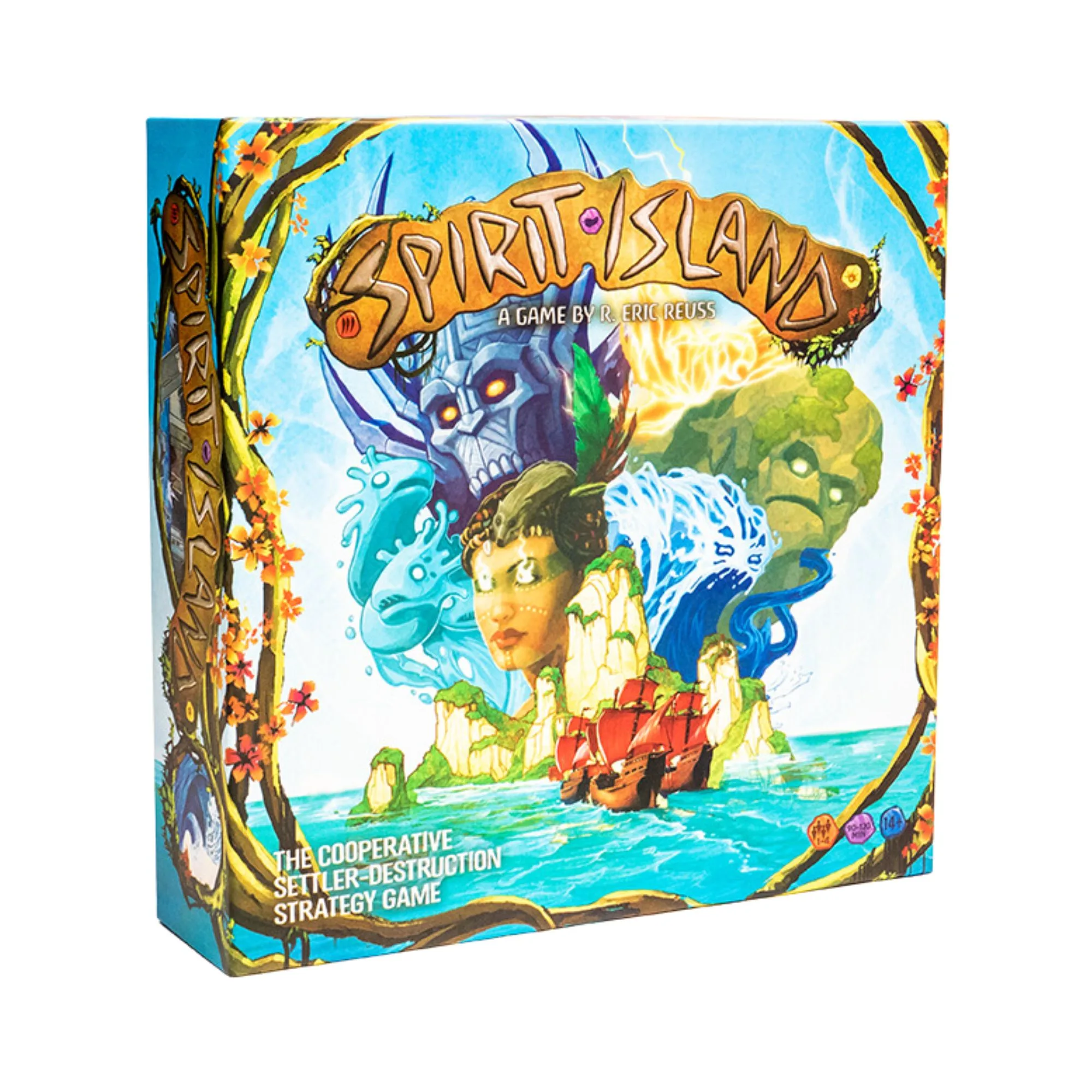
- Spirit Island: Spirit Island is an award-winning, cooperative, settler-destruction strategy game for 1 to 4 players. For groups that love cooperative challenges, Spirit Island offers a complex and rewarding experience. Its 1-4 player range also allows solo play, which is great for those who want to play alone.
Who Should Buy What
Best for
- Couples or two-player groups looking for a light, romantic theme: Stranded in Love: Ecuador - A Jungle Survival Date Night Board Game
- Groups of 3-5 who enjoy economic strategy and railroad building: Iberian Railways
- Co-op fans who like deep strategy and are okay with a learning curve: Spirit Island
Not for
- Large groups over 5 players: most of these games have low player caps
- Players who dislike complex rules: Spirit Island may be too heavy
- Those who want a quick party game: Rallyman GT is simple but still takes 45 minutes
Choosing the right board game comes down to knowing your group. Start with player count, then match complexity and theme. By following these practical rules, you’ll pick a game that hits the table again and again. Happy gaming!