Quick Answer
Start your board game collection by focusing on versatile games that fit your group's size and preferences. Set a budget, prioritize quality over quantity, and organize your shelf so you actually play what you own. Grow deliberately by adding games that fill a gap or offer a fresh experience.
Board game collecting is more than just buying games; it's about curating a library that brings people together. Whether you're new to the hobby or looking to expand, a thoughtful approach helps you avoid clutter and wasted money.
This guide offers practical rules for starting and growing a collection that you'll actually use. From budgeting to storage, you'll learn how to make smart choices that keep your shelf both functional and fun.
Define Your Collection Goals
Before you buy anything, think about what you want from your collection. Are you hosting regular game nights for friends? Do you play mostly with family? Or are you a solo gamer? Your answers shape your purchases.
A collection built for a regular group of four to six adults will look different from one focused on two-player or solo play. Similarly, if you enjoy variety, you might prioritize different mechanics like deck-building, area control, or cooperative play. Knowing your goals prevents impulse buys that sit unplayed.
- List your typical player count and session length.
- Identify genres or mechanics your group enjoys.
- Set a monthly or yearly budget for new games.
Start with Versatile, High-Value Games
When starting out, choose games that are easy to teach, play well across different group sizes, and offer replayability. These staples become the foundation of your collection and are often the ones you'll reach for most.
For example, games like 'Saboteur 2' support up to 12 players, making it a great party option that works for larger groups. Meanwhile, 'Dobbers: Quest for The Key' combines deck-building and RPG elements in a surprisingly deep package that appeals to both casual and experienced players, offering many strategies to explore.
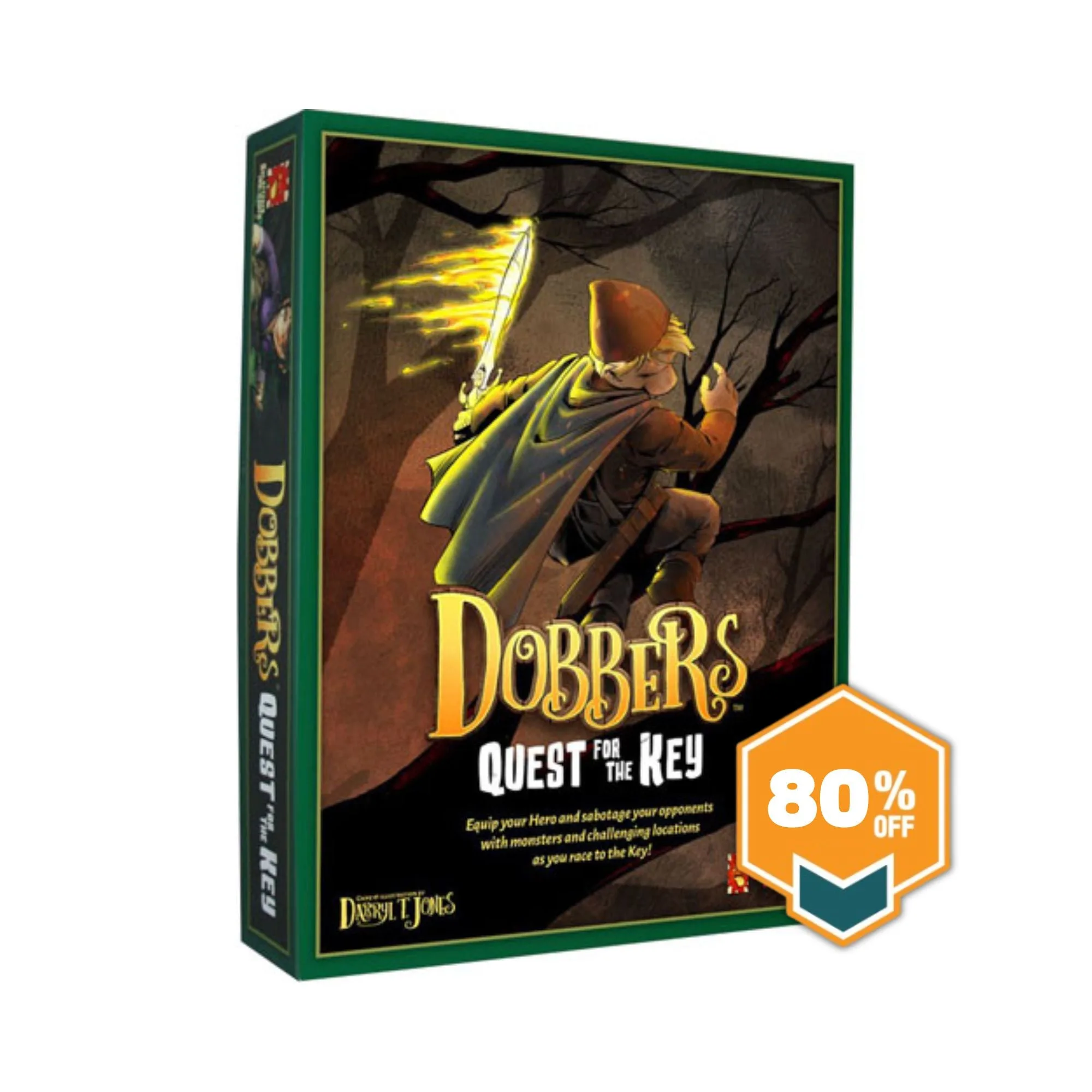
Dobbers: Quest for The Key
- Look for games with simple rules but strategic depth.
- Check player counts to ensure they match your typical group.
- Read reviews or watch playthroughs to gauge replayability.
Balance Quality and Quantity
It's tempting to snap up every sale, but a curated collection of twenty games you love beats a hundred you never play. Focus on games that offer unique experiences or fill a specific niche in your library.
Consider the value a game brings for its price. For example, 'Open Season' offers a quick, thematic experience at a low price point, making it a low-risk addition. On the other hand, a more expensive game like 'Fired Up' might justify its cost if it becomes a regular at your table. Always weigh the price against how often you'll actually play it.
- Avoid buying games just because they're on sale.
- Consider trade-in or resale options if you outgrow a game.
- Donate or sell games you never play to free up space.
Organize Your Collection
A well-organized collection makes it easy to find the right game for the moment. Sort games by player count, genre, or even alphabetically—whatever works for you. Keep frequently played games within easy reach.
Storage solutions like shelves, bins, and drawer organizers help protect boxes and components. Clear labeling and consistent placement reduce the chance of losing pieces. Regularly declutter by rehoming games that no longer fit your group's taste.
- Use vertical storage to prevent box sagging.
- Keep an inventory list to avoid duplicate purchases.
- Revisit your organization system as your collection grows.
Decision Rules for Buying Board Games
- Rule of Three: Before buying a new game, ask if it fills a gap in your collection. Do you already own a game with similar mechanics or theme? If yes, consider whether the new one offers a distinct enough experience. Avoid duplicates and keep your collection diverse.
- Budget Cap: Set a monthly or quarterly budget for board games. Whether it's $20 or $100, sticking to a cap prevents overspending and encourages thoughtful choices. Track your spending and adjust as needed.
- Play Before You Buy: Whenever possible, try a game at a local game store, board game cafe, or with a friend before purchasing. If that's not possible, watch a full playthrough video to understand the flow. Reduce the risk of buying a game that falls flat with your group.
Games Worth Considering for Your Collection
- Open Season: In Open Season, you play as a monster who takes revenge on adventurers and decorates your living room with their heads. The game takes place over nine rounds, then players score. This quick, thematic game adds variety and a touch of dark humor without a big investment, making it a fun filler for game nights.
- Dobbers: Quest for The Key: Quest for the key is a surprisingly deep and meaty deck building, RPG adventure. Each player equips their hero with special weapon, armor and item cards, while creating challenges for the other players with creature and location cards. It offers a rich, replayable experience that blends deck-building and RPG elements, appealing to groups that enjoy strategic depth and character progression.
- COATL: Players are Aztec priests wanting to fulfill the prophecies of the Gods. They will have to create 3 feathered snakes known as Cóatl by connecting the head, body, and tail pieces. This tile-laying game is easy to learn but offers strategic choices, making it a great gateway game for new players or a light option for veterans.
Is This Collection Approach Right for You?
Best for
- Players who host regular game nights and want a versatile library.
- Those who prefer quality over quantity and enjoy curating a personal collection.
- Anyone who wants to avoid clutter and make every purchase count.
Not for
- Collectors who seek rare or out-of-print titles as investments.
- Players who enjoy having every expansion and promo, regardless of play frequency.
Starting a board game collection is a rewarding journey if you approach it with intention. Define your goals, choose games that offer lasting value, and keep your shelf organized. As you grow, remember that the best collection is one that gets played. Happy gaming!