Quick answer
For most people, platinum-cure silicone and borosilicate glass are the safest, most durable choices because they are non-porous and easy to clean. TPE and TPR are porous, so they can harbor bacteria if not cleaned thoroughly and replaced regularly. If you want a toy that lasts and stays hygienic, prioritize silicone, glass, or properly finished stainless steel.
What does "body-safe" actually mean for a sex toy?
A body-safe material does not leach harmful chemicals, does not trap bacteria in tiny surface holes, and can be cleaned effectively. Non-porous materials like silicone, glass, and stainless steel meet all three. Porous materials like TPE, TPR, PVC, and jelly rubber may be free of phthalates but still have microscopic openings that hold moisture and microorganisms. That doesn't make them automatically dangerous, but it does mean they need more frequent replacement and careful cleaning.
Is TPE safe for sex toys?
TPE (thermoplastic elastomer) is generally considered safe for external use when it is phthalate-free and you clean it before and after every use. However, TPE is porous, so it can absorb bacteria, and it may degrade over time, becoming sticky or cloudy. For internal use or for anyone prone to infections, silicone is a better long-term choice. If you do choose TPE, treat it as a shorter-term toy and replace it every few months or at the first sign of odor or texture change.
Silicone vs TPE: what's the real difference?
Silicone is non-porous, heat-resistant, and can be boiled or washed with soap and water without breaking down. TPE is softer and often less expensive, but it cannot be fully sterilized and may contain mineral oils that degrade other toys if stored together. Silicone also tends to hold its shape and smoothness longer. If you want a toy that will last for years and work with any lubricant, silicone is the stronger investment. If you're experimenting and want a lower upfront cost, TPE can be a reasonable starting point—just plan to replace it.
How can I tell if a toy is non-porous?
Check the product description for the words "non-porous," "medical-grade silicone," "platinum-cure silicone," or "borosilicate glass." If the material is listed only as "rubber," "jelly," or "soft plastic," assume it's porous. You can also do a simple at-home check: if the surface feels tacky or retains a smell after washing, it's likely porous. Non-porous toys feel smooth and dry quickly after washing.
Are phthalate-free toys automatically safe?
No. Phthalate-free means the manufacturer avoided a specific class of plasticizers that have been linked to health concerns, but it doesn't guarantee the material is non-porous or free of other potential irritants. A phthalate-free TPE toy is still porous. Look for both "phthalate-free" and "non-porous" if you want the highest level of safety. Reputable brands will list both on the packaging or product page.
What about glass and stainless steel?
Borosilicate glass and surgical-grade stainless steel are non-porous, hypoallergenic, and can be sterilized with boiling water or a 10% bleach solution. They are excellent for temperature play and are extremely durable if stored properly. The main tradeoff is that they are rigid, so they don't flex with your body. For many people, that firmness is a plus for G-spot or prostate pressure, but it's worth noting if you prefer a softer feel.
Material safety FAQ
Is TPE safe for sex toys?
TPE is generally safe for external use if it's phthalate-free and cleaned thoroughly, but it's porous and can harbor bacteria. It should be replaced every few months. Choose TPE for budget-friendly external toys, but switch to silicone for internal use or if you're infection-prone.
Silicone vs TPE: which is better?
Silicone is non-porous, boilable, and long-lasting. TPE is softer and cheaper but porous and less durable. Silicone is the better investment for longevity and hygiene; TPE is a lower-cost option for experimentation.
How do I know if a toy is non-porous?
Look for terms like 'medical-grade silicone,' 'platinum-cure silicone,' or 'borosilicate glass.' Avoid vague labels like 'jelly' or 'rubber.' When in doubt, check the product description or contact the manufacturer.
Products that meet body-safe standards
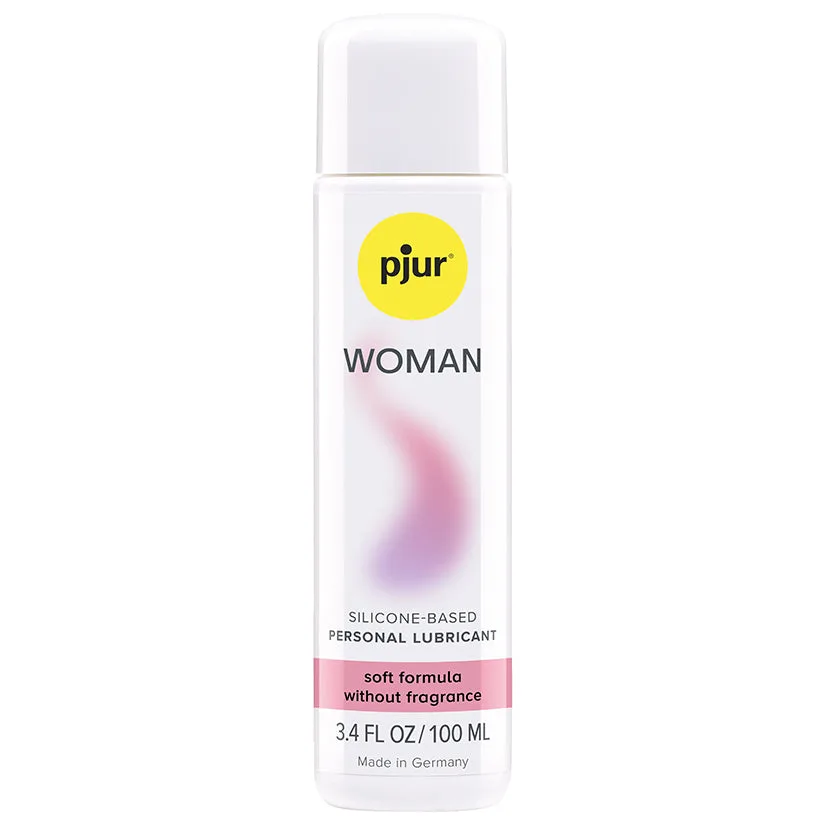
- pjur WOMAN Concentrated Silicone Personal Lubricant 3.4oz: pjur WOMAN Concentrated Silicone Personal Lubricant is made without preservatives and is compatible with latex, polyurethane, and polyisoprene condoms. It is dermatologically tested. Silicone-based lube is a good match for non-porous toys like glass and stainless steel, but it can degrade silicone toys. If you use silicone toys, choose a water-based lube instead.
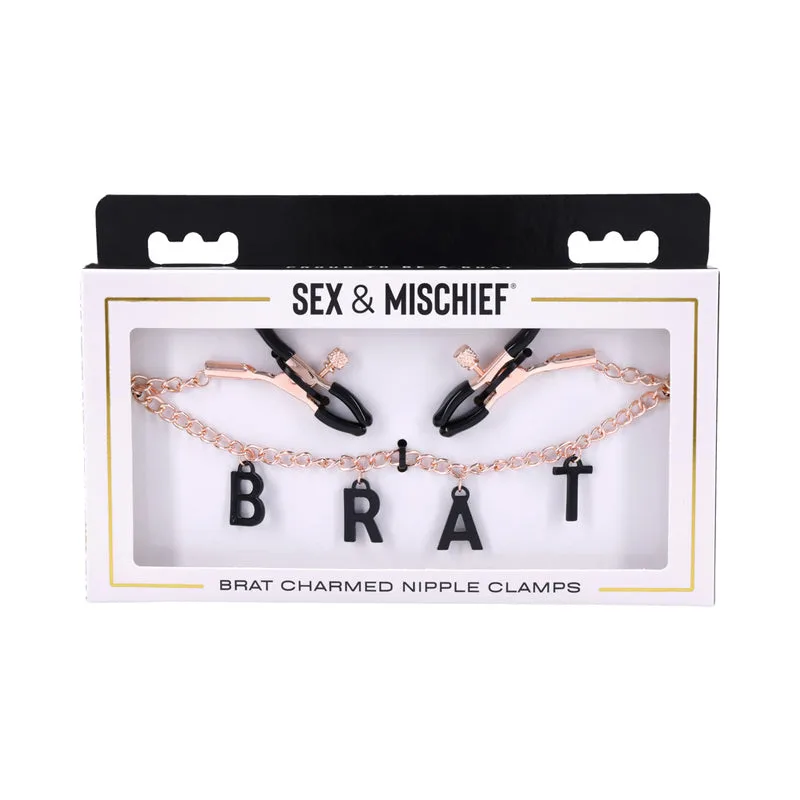
- Sportsheets Sex & Mischief Brat Charmed Nipple Clamps: Sportsheets Sex & Mischief Brat Charmed Nipple Clamps have dual-sided adjustable tension and rubber-tipped ends. The rubber tips provide a softer, more comfortable grip than bare metal, and adjustable tension lets you control pressure—an important safety feature for nipple play.
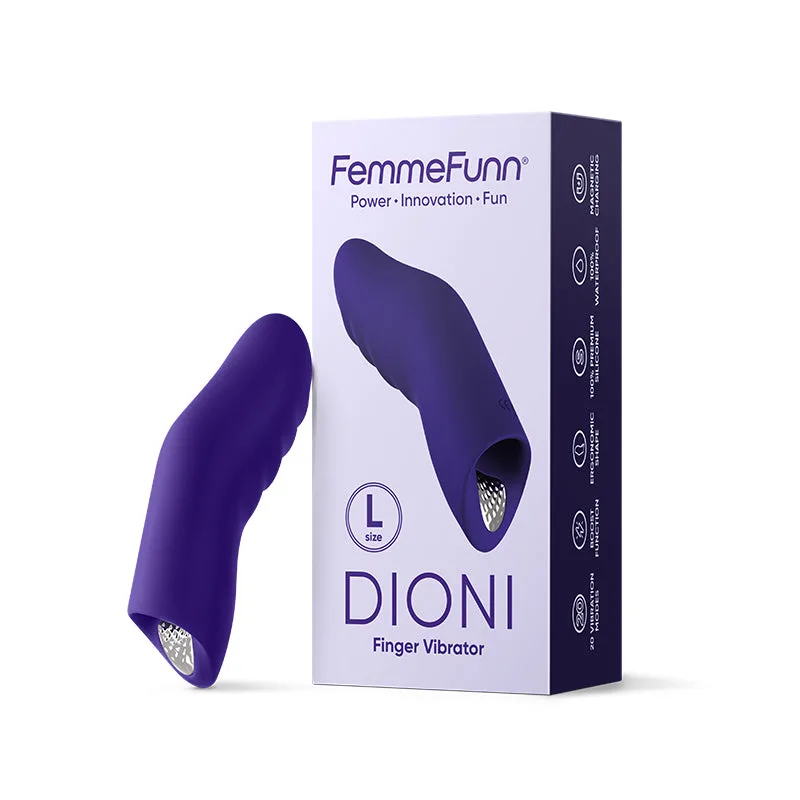
- FemmeFunn Dioni Rechargeable Silicone Finger Vibrator Large Dark Purple: FemmeFunn Dioni Rechargeable Silicone Finger Vibrator is made from 100% premium silicone and is splashproof. Silicone is non-porous and easy to clean with soap and water, making this a hygienic choice for a finger vibrator. Splashproof means it can be rinsed but not submerged.