Quick Answer
A bodysuit and a one-piece swimsuit may look similar, but they serve different purposes. Bodysuits are designed for layering and fashion, made from materials like silk that aren't water-friendly, while one-piece swimsuits are crafted from quick-drying, chlorine-resistant fabrics meant for water. If you're heading to the beach, choose a swimsuit; for a night out, a bodysuit is your go-to.
At first glance, a bodysuit and a one-piece swimsuit can seem interchangeable—both cover your torso and snap at the crotch. But the similarities end there. Understanding the difference between a bodysuit and a swimsuit is key to making the right purchase, whether you're shopping for lingerie-inspired apparel or planning your next pool day.
In this comparison, we'll break down the fabric, structure, and intended use of each garment, so you can confidently decide which piece belongs in your wardrobe. We'll also look at two specific styles from Kiki de Montparnasse to illustrate the practical differences.
Fabric and Construction: The Core Difference
The most significant difference between a bodysuit and a one-piece swimsuit is the material. Swimsuit fabrics are engineered to withstand water, chlorine, and sun exposure, drying quickly and holding their shape when wet. Bodysuits, on the other hand, are typically made from luxurious materials like silk, lace, or stretch blends that are not designed for submersion. For example, the Tous Les Jours Bodysuit from Kiki de Montparnasse is crafted in 'sensuous stretch silk'—a fabric that would become heavy, translucent, and potentially damaged if worn in water.
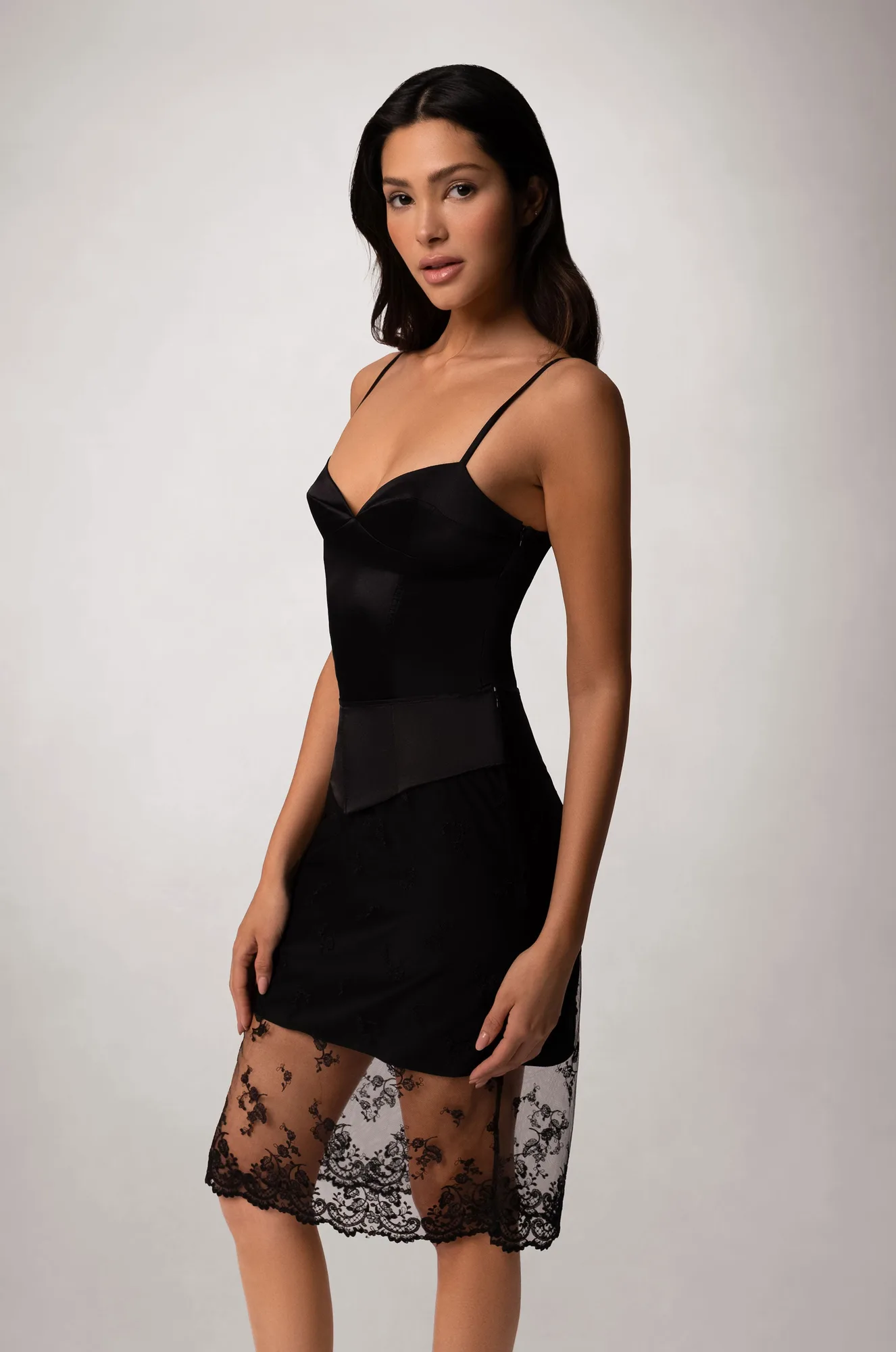
Tous Les Jours Bodysuit
Construction also differs. Swimsuits often feature built-in cups, tummy control panels, and linings to provide support and modesty when wet. Bodysuits prioritize silhouette and style, sometimes incorporating boning or structured details that wouldn't fare well in water. The Tous Les Jours Bodysuit, for instance, has 'structured front boning' that defines the bust—a feature you won't find in a typical swimsuit, as boning can rust or lose shape in water.
- Check the care label: if it says 'dry clean only,' it's not meant for water.
- Swimsuits are made with synthetic blends like nylon and spandex for durability in water.
Design Features: From Lingerie to Swimwear
Bodysuits and swimsuits also differ in design details. Lingerie bodysuits often feature adjustable straps, hook-and-eye closures, and delicate trims that are meant to be seen or subtly peek out from clothing. The Tous Les Jours Bodysuit includes 'adjustable straps, an invisible side zipper, and a clasp at the back that frames a subtle open-back detail'—all elements that make it a versatile layering piece.
In contrast, one-piece swimsuits prioritize secure fit and ease of movement. The Lace Inset One Piece from Kiki de Montparnasse features 'a straight neckline with a sheer lace panel just above the bust' and a 'low V-back secured with double loop ties.' These details are designed to stay in place during swimming, while the lace is likely a swim-specific fabric that withstands water and chlorine. Adjustable shoulder straps are common in both, but swimsuits often have wider straps or racerbacks for support.
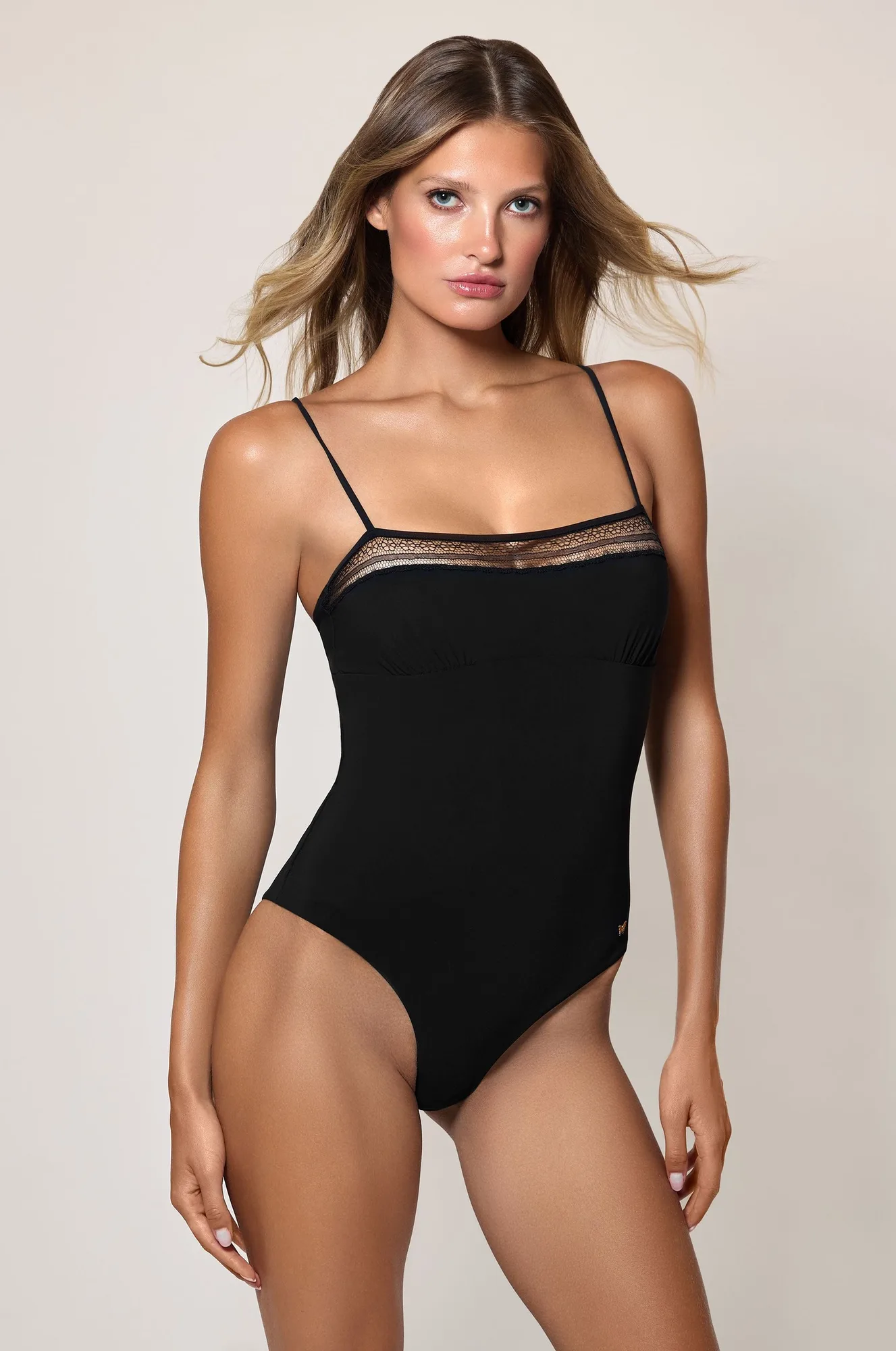
Lace Inset One Piece
- Look for 'swim' in the product name or category to ensure water-readiness.
- Bodysuits with delicate lace or silk trims are best kept dry.
Styling and Versatility: How to Wear Each
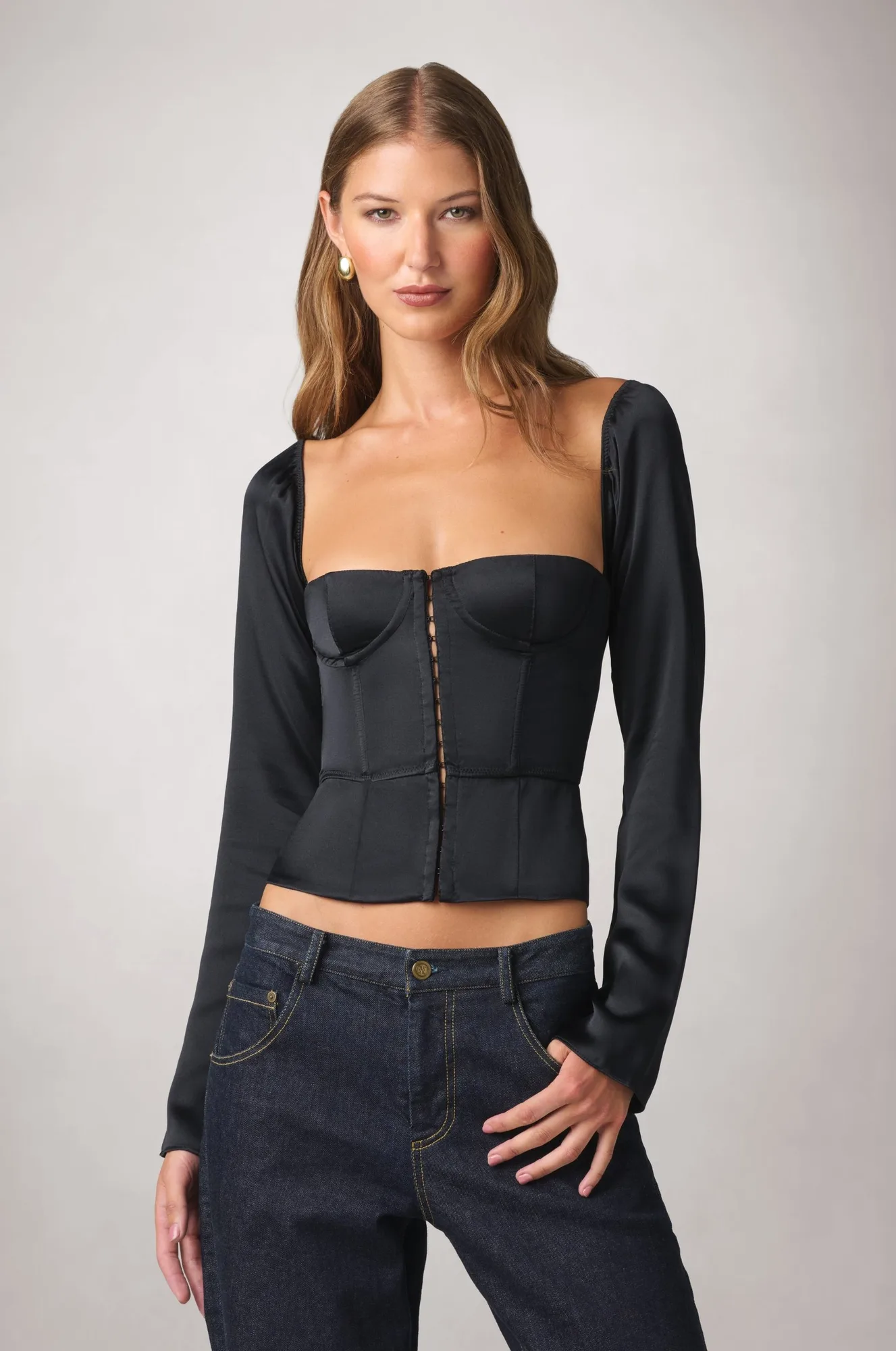
Bodysuits are a fashion staple, designed to be worn as tops with jeans, skirts, or tailored pants. They create a sleek, tucked-in look without bunching. The Tous Les Jours Bodysuit, for example, is styled 'with denim or tailored separates' and even features a 'mesh panel at the base of the spine' for a peek-through moment. This makes it a perfect choice for a night out or a chic office look under a blazer.
One-piece swimsuits, however, are made for the beach, pool, or spa. They can also be styled as bodysuits for a fashion-forward look, but only if the fabric and construction allow it. The Lace Inset One Piece, with its elegant design, could double as a bodysuit for a beachside party, but you'd need to ensure it's quick-drying and comfortable for all-day wear. When in doubt, check the product category: if it's listed under 'ONE PIECE SWIM,' it's designed for water.
- Bodysuits are ideal for layering under blazers or high-waisted pants.
- Swimsuits can be styled as bodysuits for summer events, but avoid sitting in wet fabric for long periods.
Trade-Offs to Consider
- Fabric: Bodysuits use luxurious materials like silk that are not water-resistant. Swimsuits use quick-drying synthetics. If you plan to swim, always choose a swimsuit.
- Structure: Bodysuits may have boning and structured details for silhouette, which can be uncomfortable or damaged in water. Swimsuits offer flexible support. For all-day water wear, prioritize swimsuit construction.
- Versatility: Bodysuits are perfect for layering under clothing. Swimsuits can double as bodysuits for summer events but require careful fabric choice. If you want a piece for both, look for a swimsuit with a sleek, bodysuit-like design.
Product Comparison: Bodysuit vs Swimsuit
- TOUS LES JOURS BODYSUIT: Crafted in sensuous stretch silk with structured front boning and a sculpted bust. Features adjustable straps, an invisible side zipper, and a clasp at the back that frames a subtle open-back detail. A mesh panel at the base of the spine creates a peek-through moment. This bodysuit is designed for fashion and layering, not water. The silk fabric and boning require special care, so avoid wearing it as a swimsuit.
- LACE INSET ONE PIECE: Features a straight neckline with a sheer lace panel above the bust, a low V-back with lace inset and double loop ties, and adjustable shoulder straps for a tailored fit. This one-piece is built for swimwear, with details that stay secure in water. It's the right choice for beach or pool, and its elegant design allows for styling beyond the water.
Choosing the Right Piece for You
Best For
- Bodysuit: Fashion-forward layering, date nights, or creating a sleek silhouette under tailored clothing.
- One-Piece Swimsuit: Swimming, beach lounging, or any water activity where you need reliable coverage and quick-dry fabric.
Not For
- Bodysuit: Swimming or any water exposure, as silk and delicate details can be ruined.
- One-Piece Swimsuit: Formal office wear or occasions where you need a structured, tucked-in top that won't show swimwear lines.
In the bodysuit vs swimsuit debate, the right choice comes down to your activity. For water, a one-piece swimsuit like the Lace Inset One Piece is essential. For style and layering, a lingerie bodysuit like the Tous Les Jours Bodysuit offers versatility and allure. Understand the fabric and construction, and you'll never confuse the two again.