Quick Answer
Bojagi is not just a wrapping cloth—it's a symbol of luck and joy in Korean culture, and its philosophy of care and intention is increasingly reflected in modern skincare rituals.
The Cultural Significance of Bojagi
Bojagi, the traditional Korean wrapping cloth, derives its name from the Korean word 'bok,' which translates to 'luck.' This etymology highlights its role as a carrier of good fortune, rather than a mere practical item.
During the Joseon Dynasty, Bojagi held a special place in wedding ceremonies, adorned with patterns symbolizing aspirations of joy and happiness. It transcended its primary role as a gift wrapper and emerged as a meaningful cultural artifact.
From Wrapping Cloth to Skincare Inspiration
The values embedded in Bojagi—care, intention, and celebration—resonate with modern skincare philosophies that emphasize mindful routines and holistic beauty.
Brands like Beauty of Joseon draw on such cultural heritage to create products that honor tradition while addressing contemporary skincare needs, making the connection between Korean beauty culture and its historical roots more tangible.
Myths vs. Reality: Bojagi in Skincare
- Myth: Bojagi is just a piece of fabric: Verdict: False. Bojagi is a cultural symbol of luck and joy, deeply rooted in Korean traditions and ceremonies. Appreciate Bojagi as a meaningful emblem, not just a wrapping material.
- Myth: Bojagi has no modern relevance: Verdict: False. The philosophy of care and intention behind Bojagi inspires contemporary skincare rituals and packaging aesthetics. Incorporate mindfulness into your skincare routine, inspired by Bojagi's cultural values.
- Myth: Skincare brands ignore cultural heritage: Verdict: False. Brands like Beauty of Joseon integrate traditional elements like Bojagi into their product identity, bridging past and present. Choose brands that honor cultural traditions for a more meaningful beauty experience.
Product Inspiration
-
Bojagi: Bojagi is a traditional Korean wrapping cloth whose name derives from 'bok,' meaning luck, and was used in wedding ceremonies with patterns symbolizing joy and happiness. Understanding Bojagi's cultural significance adds depth to the skincare ritual, reminding users that beauty is about intention and care, not just application.
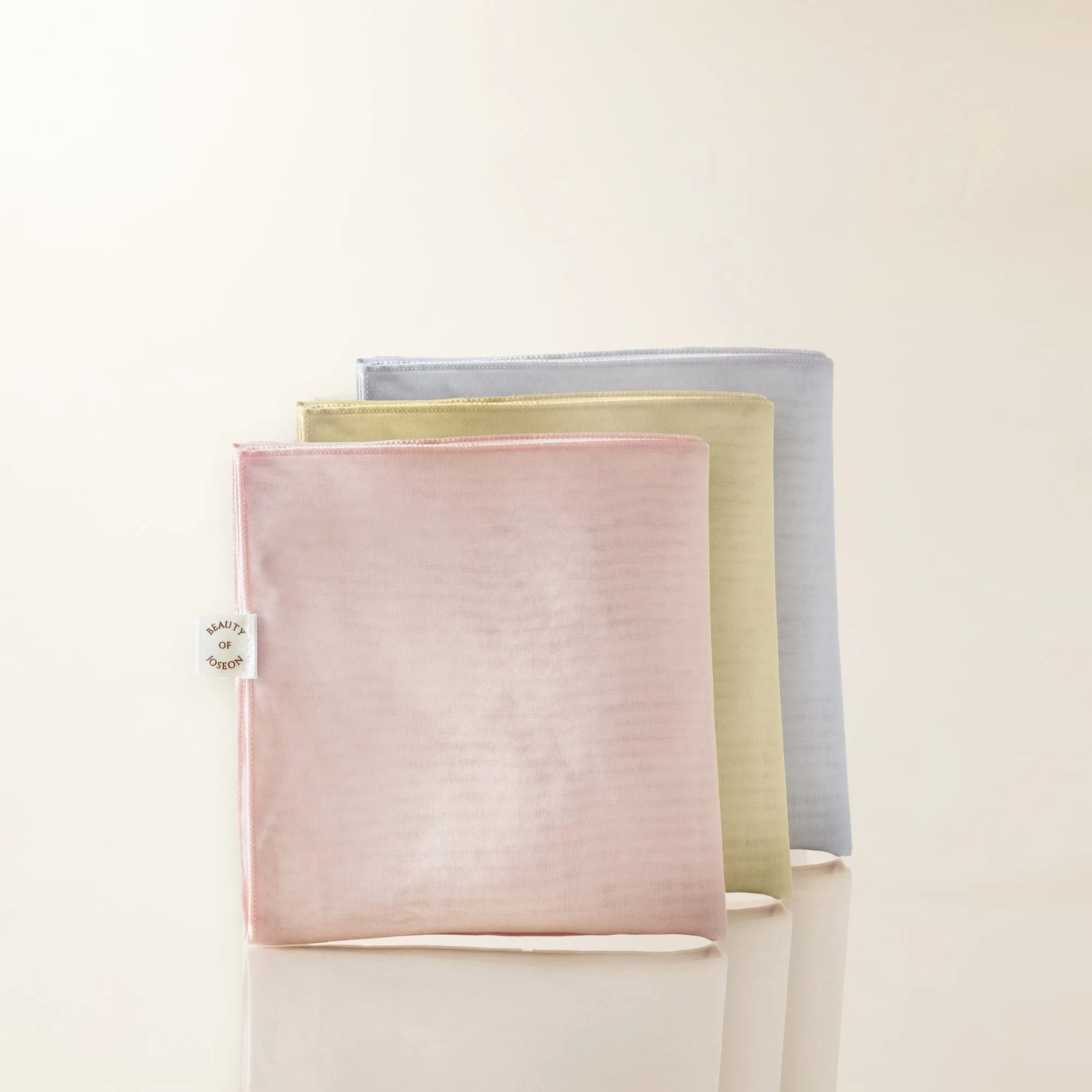
Bojagi