Quick Answer
Start bondage rope play with soft, body-safe materials like silicone or cotton, never nylon or uncoated jute. Always have safety shears nearby, establish a clear safeword, and check for numbness or discoloration every few minutes. Avoid tying around joints, the neck, or face, and never leave a tied partner unattended.
Why Rope Choice Matters for Safety
The material of your rope directly affects both comfort and safety. Natural fibers like cotton or hemp are soft and breathable, but they can tighten with movement and are harder to cut in an emergency. Synthetic ropes like nylon can cause rope burn on fast pulls and are slippery, making knots harder to control. For beginners, silicone or cotton ropes offer a good balance of grip, comfort, and easy release. Avoid ropes that are too thin (under 6mm) as they can dig into the skin and cause nerve damage.
Essential Gear Beyond Rope
Safety shears are non-negotiable. EMT shears or bandage scissors can cut through most ropes quickly without harming the skin. Keep them within arm's reach during every session. A backup safeword system (like "red" for stop, "yellow" for slow down) should be agreed upon before starting. If you're using a gag or blindfold, establish a non-verbal signal like dropping a held object or tapping out.
Step-by-Step Bondage Rope Safety for Beginners
- Choose the Right Rope Material: Select a soft, body-safe rope like cotton, silicone, or treated hemp. Avoid rough jute, nylon, or any rope with a chemical smell. Test the rope on your inner arm for irritation before use. Checkpoint: If the rope leaves red marks after a light rub, it's too abrasive.
- Learn Basic Ties Before Playing: Practice simple single-column and double-column ties on a pillow or your own leg first. Never attempt a complex harness or suspension without hands-on instruction from an experienced rigger. Common mistake: Jumping into a full body harness without knowing how to release knots quickly.
- Communicate Limits and Safewords: Agree on a safeword (e.g., "red" for stop) and a non-verbal signal (e.g., tapping out twice) before tying. Check in every 5–10 minutes with a simple "color check" (green/yellow/red). Checkpoint: If your partner can't speak, ensure they can still drop an object or tap.
- Monitor Circulation and Nerve Pressure: Watch for numbness, tingling, pale or blue skin, or cold extremities. Loosen or remove any rope that crosses a joint, the neck, or the front of the ankle. Never tie directly over a nerve point (like the inside of the wrist or behind the knee). Common mistake: Tying too tightly around the wrist thinking it adds security – it actually risks nerve damage.
- Always Have Safety Shears Handy: Keep EMT shears or a dedicated rope-cutting tool within reach. Test that they can cut your rope before the session. Never use a knife or scissors with pointed tips near skin. Checkpoint: If you can't cut the rope in one snip, get different shears.
- Never Leave a Tied Partner Unattended: Stay in the same room and remain alert. If you need to step away, untie your partner first. Even a short break can lead to circulation issues or panic. Common mistake: Thinking "just for a minute" is safe – it's not.
- Aftercare: Check Skin and Hydrate: After untying, gently massage the tied areas to restore circulation. Look for rope marks, bruising, or broken skin. Offer water and a warm blanket. Discuss what felt good and what to adjust next time. Checkpoint: If marks last longer than a few hours, consider using wider or softer rope next session.
Rope Alternatives Worth Considering
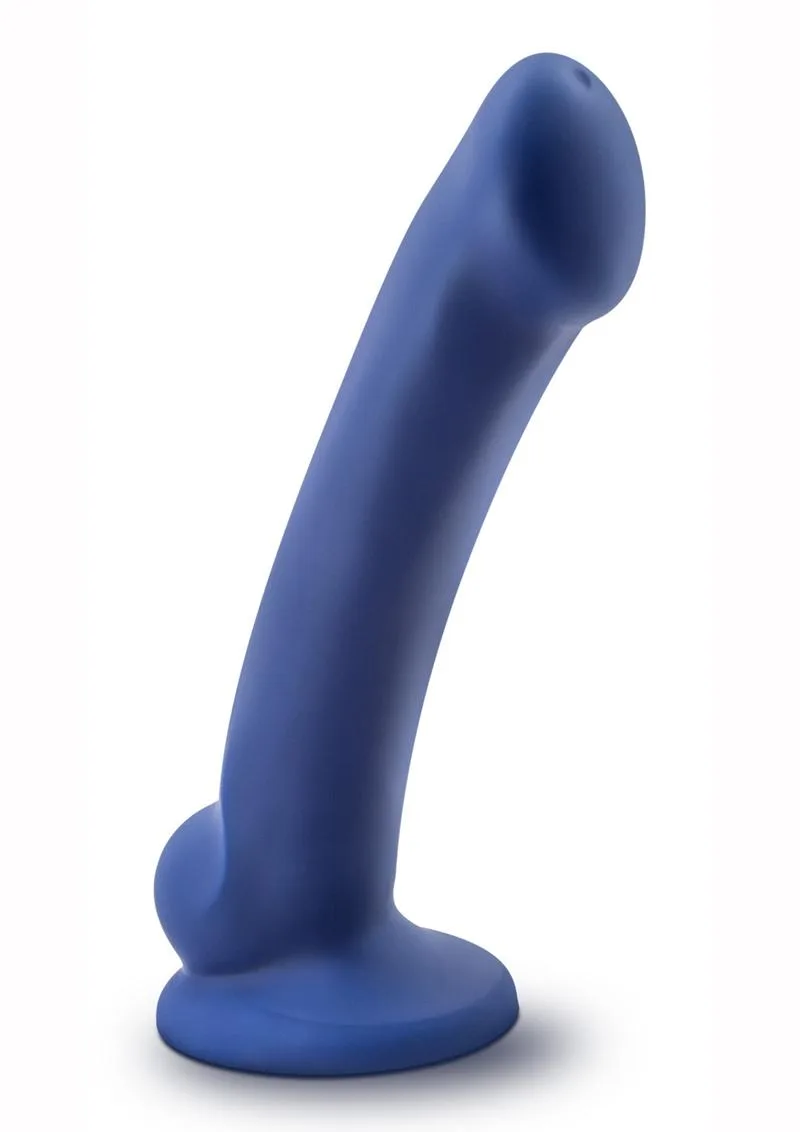
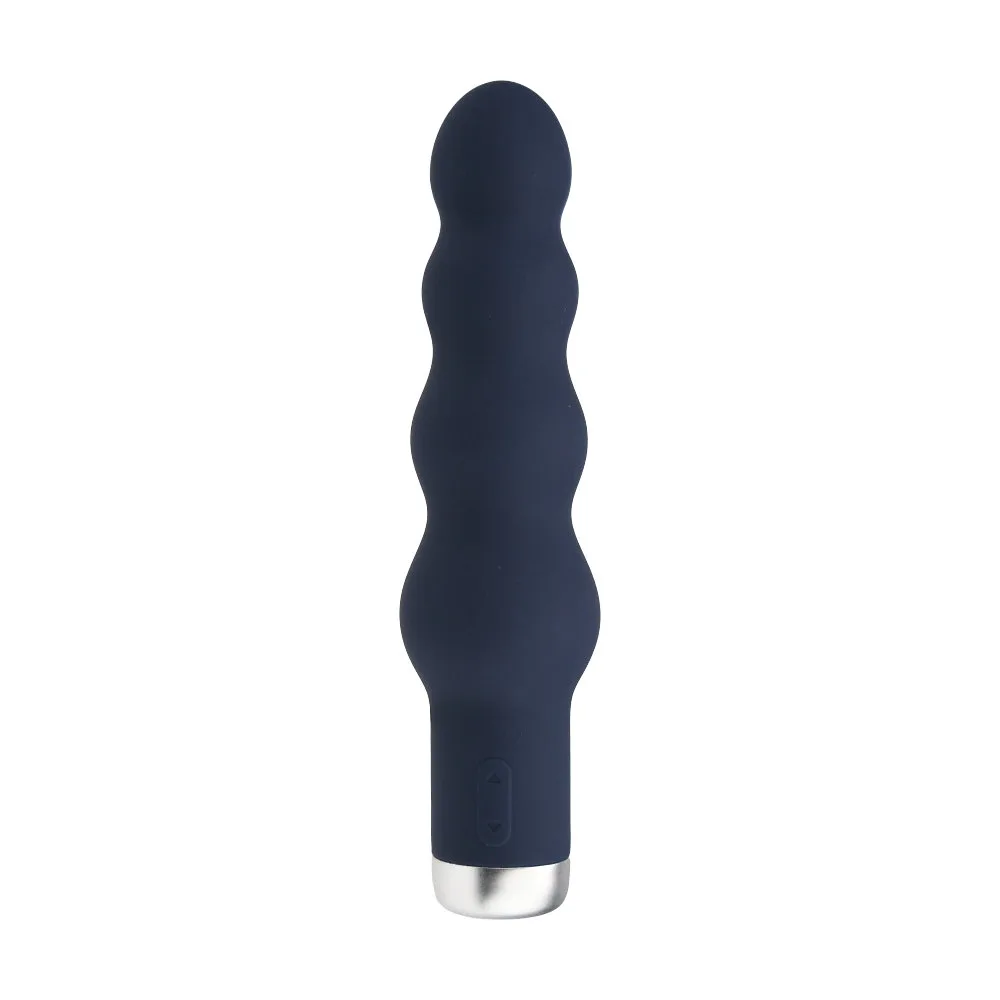
- Addiction Toy Collection Ben Silicone Dildo with Balls: Addiction Toy Collection Ben Silicone Dildo with Balls – 7” silicone ribbed dildo with a dramatically raised ribbed texture. While not a rope, this silicone toy demonstrates the kind of body-safe, easy-to-clean material you want in any bondage accessory. Silicone is non-porous, hypoallergenic, and won't irritate skin during extended play.