Quick answer
Both boron and magnesium support bone health, but they work differently. Boron helps your body use calcium and magnesium more effectively and supports hormone function for bone maintenance. Magnesium directly contributes to bone structure and activates vitamin D for calcium absorption. If you can only choose one, magnesium is more foundational for bone density, but boron offers unique benefits that magnesium alone cannot replace.
How Boron Supports Bone Health
Boron is a trace mineral found naturally in fruits and vegetables, and it plays a crucial role in bone growth and maintenance. It helps regulate the metabolism of calcium, magnesium, and vitamin D, making these nutrients more available for bone building. Boron also supports hormone function, particularly estrogen and testosterone, which are important for maintaining bone density as you age. Additionally, boron helps reduce inflammation and oxidative stress, both of which can weaken bones over time.
How Magnesium Supports Bone Health
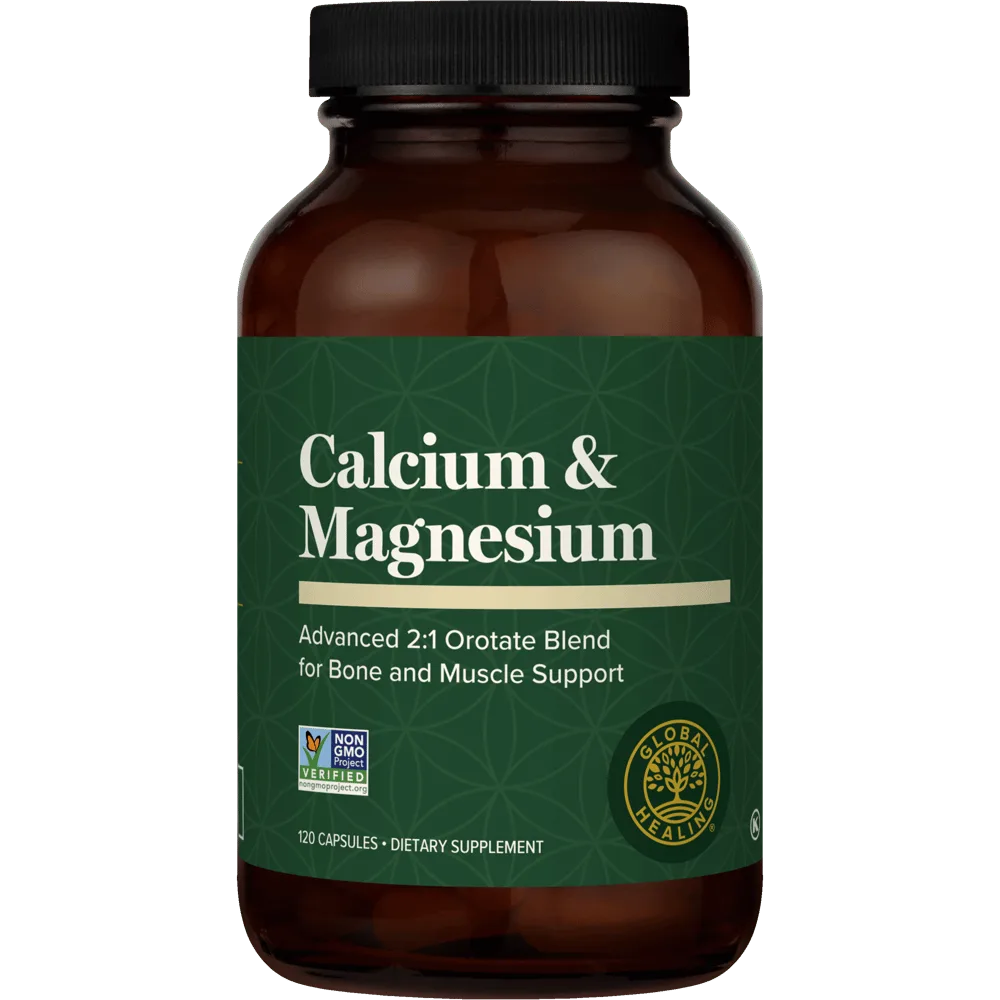
Magnesium is a major mineral that makes up part of the bone structure itself. About 60% of the body's magnesium is stored in bones. It is essential for activating vitamin D, which in turn regulates calcium absorption. Without enough magnesium, calcium cannot be properly utilized, and it may even deposit in soft tissues instead of bones. Magnesium also supports the cells that build new bone (osteoblasts) and helps regulate parathyroid hormone, which controls calcium balance.
Key Differences at a Glance
Boron is a trace mineral needed in smaller amounts, while magnesium is a major mineral required in larger daily quantities. Boron works indirectly by improving how your body uses other bone-building nutrients, whereas magnesium plays a direct structural role in bone and is required for vitamin D activation. Boron also supports hormone balance and inflammation response, which magnesium does not address as directly. Both are essential, but they fill different gaps in bone health support.
Trade-offs: Boron vs Magnesium for Bone Health
- Boron is a trace mineral with indirect bone benefits: Boron helps your body retain and utilize calcium and magnesium, supports hormone balance, and reduces inflammation. However, it does not directly build bone structure like magnesium does. Best as a complementary mineral to enhance the effectiveness of other bone nutrients.
- Magnesium is a structural bone mineral: Magnesium is physically part of bone and is required for vitamin D activation, which controls calcium absorption. Without enough magnesium, calcium supplements may be less effective or even problematic. Consider magnesium the foundational mineral for bone density before adding boron.
- Using boron and magnesium together: Boron improves magnesium retention and utilization, so taking them together can be more effective than either alone. A multivitamin that includes both ensures balanced intake without guessing doses. For comprehensive bone support, look for a formula that includes both minerals.
Product facts
- Boron: Boron is a naturally occurring trace mineral found in fresh fruits and vegetables proven to play a crucial role in bone growth and maintenance, wound healing, hormone function, inflammation response, brain health, and longevity. If you want to improve how your body uses calcium and magnesium for bone density, boron provides targeted support that a standalone magnesium supplement may not cover.
brain health
- Multivitamin with Minerals: A powerful combination of essential vitamins, bioavailable minerals, and functional nutrients to promote cellular energy, antioxidant protection, and metabolic balance. For those who prefer comprehensive support, this multivitamin includes both boron and magnesium along with other bone-friendly nutrients, simplifying your routine.
Which should you choose?
Best for
- People who want to improve calcium and magnesium utilization and support hormone balance for bone maintenance
- Those looking for a gentle, easy-to-absorb trace mineral to complement an existing bone health routine
Not for
- Anyone with a known magnesium deficiency or low vitamin D levels, as magnesium should be addressed first
- People who prefer a single, all-in-one supplement rather than managing multiple individual minerals