Quick answer
For safe bottle warming, use a bottle warmer or a warm water bath, never a microwave, and test the milk on your wrist before feeding. For chilling on the go, fill the Dr. Brown's Chilling Insert with water and freeze it, or fill it with ice cubes, then place it in the chiller. If milk has been at room temperature for more than two hours or is already warm, do not try to re-chill it; discard it.
Why milk temperature problems happen (and how to spot them)
Temperature problems usually show up as a baby who refuses the bottle, fusses, or spits up more than usual. A bottle that feels warm on the outside may still have cold spots if it was heated unevenly, and a bottle that sat out too long can look fine but be unsafe. The fix is to control the heat source and the clock, not just the bottle.
Before you warm or chill anything, ask two questions: How long has the milk been out, and how was it stored? Freshly pumped breast milk can sit at room temperature for up to four hours, but if it has been warmed and partially fed, it should be used within two hours. Formula should be used within two hours of preparation. These limits matter more than the exact temperature you serve.
How to warm a bottle safely (and what to avoid)
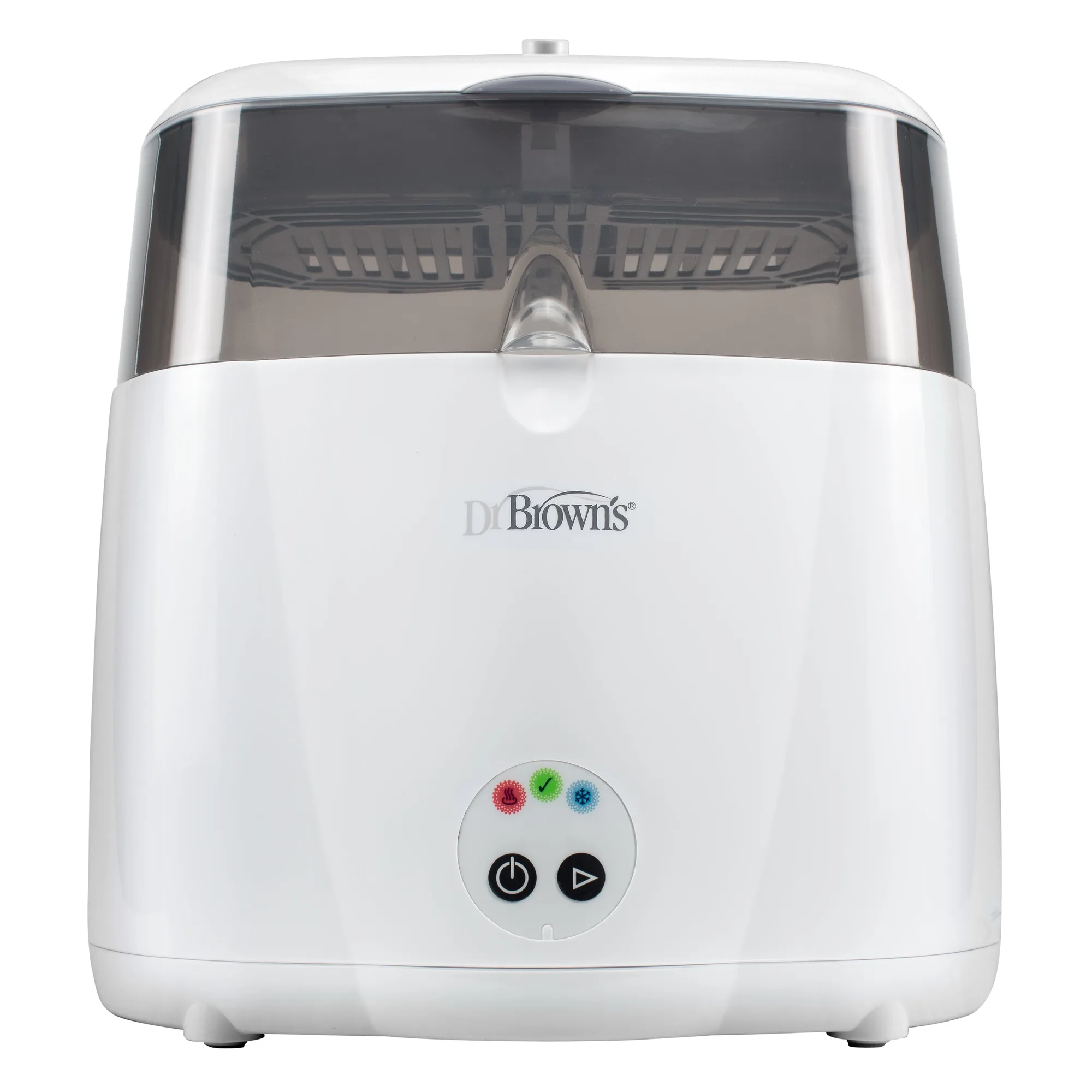
The safest way to warm a bottle is to set it in a bowl of warm, not hot, water or use a bottle warmer on a low setting. Swirl the bottle gently to even out the heat, then test a few drops on the inside of your wrist; it should feel lukewarm, not hot. Never microwave breast milk or formula because it can create hot spots that burn a baby's mouth even when the bottle feels cool outside.
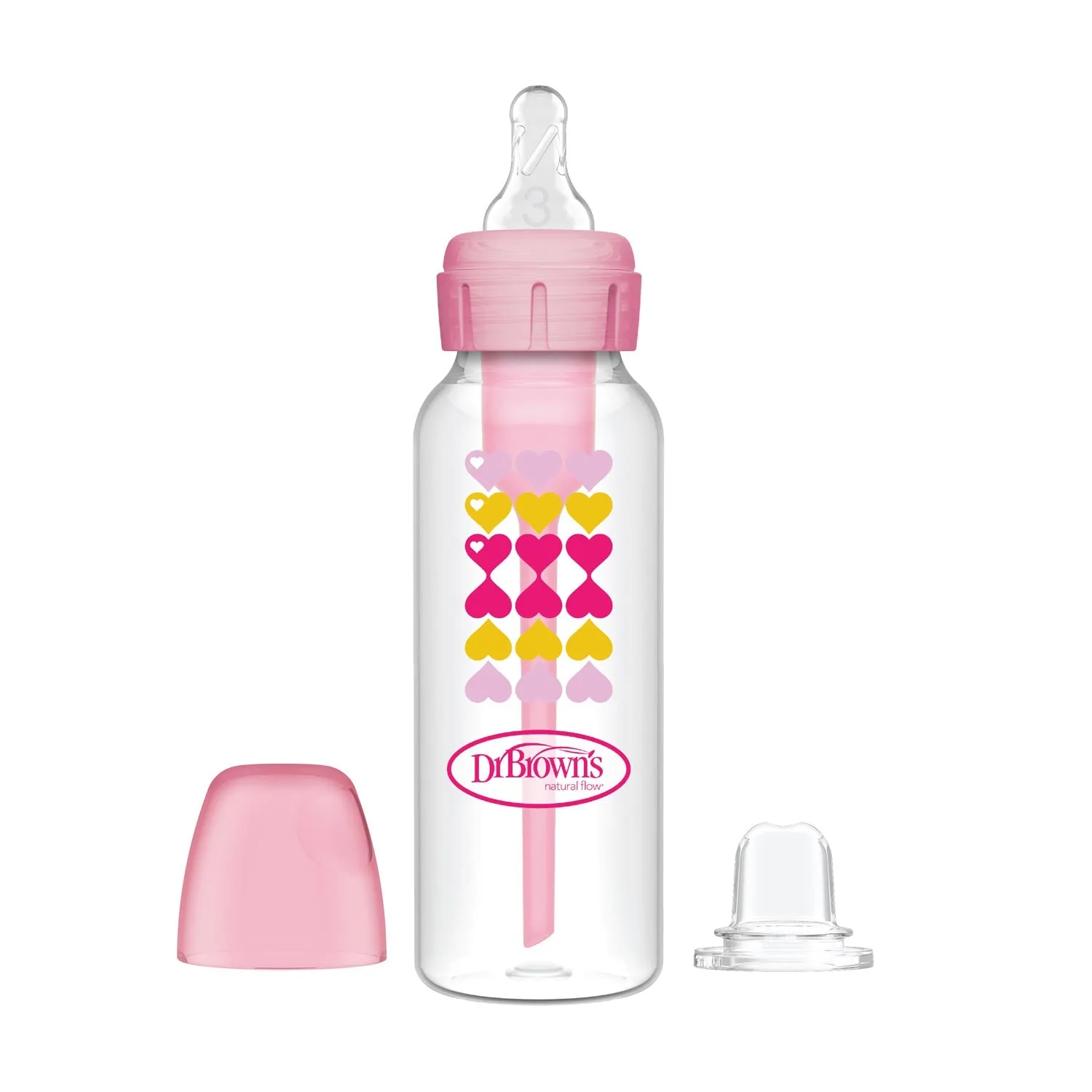
If you are warming a Dr. Brown's bottle with internal vent parts, remove the vent reservoir and nipple before warming the bottle body. This lets heat reach the milk evenly and avoids trapping steam. After warming, reassemble the bottle and check the nipple for clogs or tears before feeding.
How to use the Dr. Brown's Chilling Insert for breast milk or formula
The Dr. Brown's Chilling Insert is a stainless steel tube that fits inside the Dr. Brown's Breast Milk & Formula Chiller. To use it, fill the insert with water and freeze it, or fill it with ice cubes, then place it in the chiller. The insert comes with a leakproof silicone freezer cap, so you can store it in the freezer without spills.
This setup is designed for short trips and outings, not for long-term storage. It keeps milk cold during transport, but it does not replace a refrigerator or a cooler with ice packs for all-day trips. If you need to keep milk cold for more than a few hours, use a well-insulated cooler and replenish the ice.
When to stop and choose another option
Stop trying to warm or chill the same bottle repeatedly. Every time milk moves between hot and cold, bacteria have more chances to grow, and the milk quality drops. If a bottle has been warmed and your baby did not finish it, throw away the leftover milk after two hours. Do not put it back in the fridge to chill and re-warm later.
If your baby consistently refuses warm or cold milk, try serving it at room temperature instead. Some babies prefer one temperature over another, and forcing a temperature they dislike can make feeding stressful. If you are unsure whether milk is still safe, err on the side of caution and discard it.
Diagnosis: match the symptom to the fix
- Baby refuses a warm bottle or pulls away: The milk may be too hot or unevenly heated. Test a few drops on your wrist. If it feels hot, cool the bottle under running cold water or in a bowl of cold water for a minute, then retest. If the bottle still feels hot after cooling, discard the milk and start with a fresh bottle.
- Milk is still cold in the middle after warming: You may be warming too quickly or not swirling. Use a warm water bath and swirl gently every 30 seconds. Avoid microwaving, which heats unevenly. If the bottle has been warming for more than 15 minutes and is still cold, the water may be too cool. Replace with warmer water and continue.
- Chilling insert does not keep milk cold on the go: The insert may not have been frozen long enough, or the chiller was left in a hot car. Freeze the insert overnight and keep the chiller out of direct sun. If milk has been above 40°F (4°C) for more than two hours, discard it. For longer trips, use a cooler with ice packs instead.
Product facts
- Dr. Brown's™ Chilling Insert for Breast Milk & Formula Chiller: Replacement stainless steel Chilling Insert for the Dr. Brown's Breast Milk & Formula Chiller. Includes silicone Freezer Cap. Fill with water and freeze, or fill with ice cubes. Lets you keep a spare insert frozen and ready, so you can rotate between trips without waiting for one to freeze. The freezer cap prevents leaks in the freezer.
- Dr. Brown's™ Silicone Insert Replacement for the Silicone Baby Bottle - 9oz/270mL: Replacement Silicone Insert for the Dr. Brown's Silicone Baby Bottle - 9oz/270mL. The thin silicone insert collapses as baby feeds, minimizing air intake to help reduce colic, spit-up, burping, and gas. The only thing breast milk or formula touches is food-grade silicone. Dishwasher (top rack), sterilizer, and boiling safe. If you use the silicone bottle, having a spare insert means you can keep feeding without waiting for a wash cycle. The food-grade silicone is safe for breast milk and formula, and the insert is easy to clean.