Quick answer
A bra band riding up your back almost always means the band is too loose, either because you're wearing the wrong size or the elastic has worn out. The fix is to try a smaller band size or replace the bra. For D+ cup sizes, a supportive band is essential for proper weight distribution.
Why your bra band rides up
The band provides about 80% of your bra's support. When it rides up, the bra can't hold your bust weight properly, leading to shoulder pain, poor posture, and sagging. Common causes include a band that's too big (the most frequent issue), stretched-out elastic from age or washing, or a too-tight shoulder strap pulling the back up. For women with D+ cups, the band needs to be snug enough to anchor the bra without digging in.
How to fix a riding-up bra band
Start by checking your band size. Measure your ribcage directly under your bust, then add 4-5 inches for your band size—but this rule often fails for fuller busts. A better approach: try a band size smaller than your current one, and go up a cup size to keep the same volume. For example, if you wear a 36D, try a 34DD. The band should feel snug on the loosest hook when new. If you can pull it more than 2 inches away from your body, it's too loose.
If the band fits but still rides up, check your shoulder straps. Tightening them can lift the back of the band. Also, inspect the elastic: if the band has lost its snap, it's time to replace the bra. Most bras last 6-9 months with regular wear. Hand washing and air drying can extend their life.
When to consider a different bra style
Some bra styles naturally provide more band stability. For D+ cup sizes, a plunge bra with a wider band and firm underwire can help keep everything in place. If you've tried size adjustments and the band still rides up, the bra's construction may not suit your body shape. Look for bras with three or four hook rows for better distribution.
Diagnosis: Is your bra band riding up?
- Symptom: The back band creeps upward during the day, leaving red marks on your shoulders from straps doing the work. Your band is likely too loose or stretched out.
- Likely cause: Band size too large (most common) or elastic fatigue from age. For D+ cups, a too-large band can't support the bust weight, so the bra shifts upward. Check your band fit: it should stay parallel to the floor.
- Corrective action: Try a band size smaller and a cup size larger (sister sizing). If the bra is old, replace it. Adjust shoulder straps to ensure they're not too tight, which can pull the band up. A snug band on the loosest hook is the goal.
- Stop or choose another option: If the band still rides up after sizing down and adjusting straps, the bra style may not suit your frame. Consider a bra with a wider band or more hook rows. If you experience pain or digging, stop wearing that bra and consult a fit specialist. Not every bra works for every body—move on to a better option.
Product recommendations for a secure fit
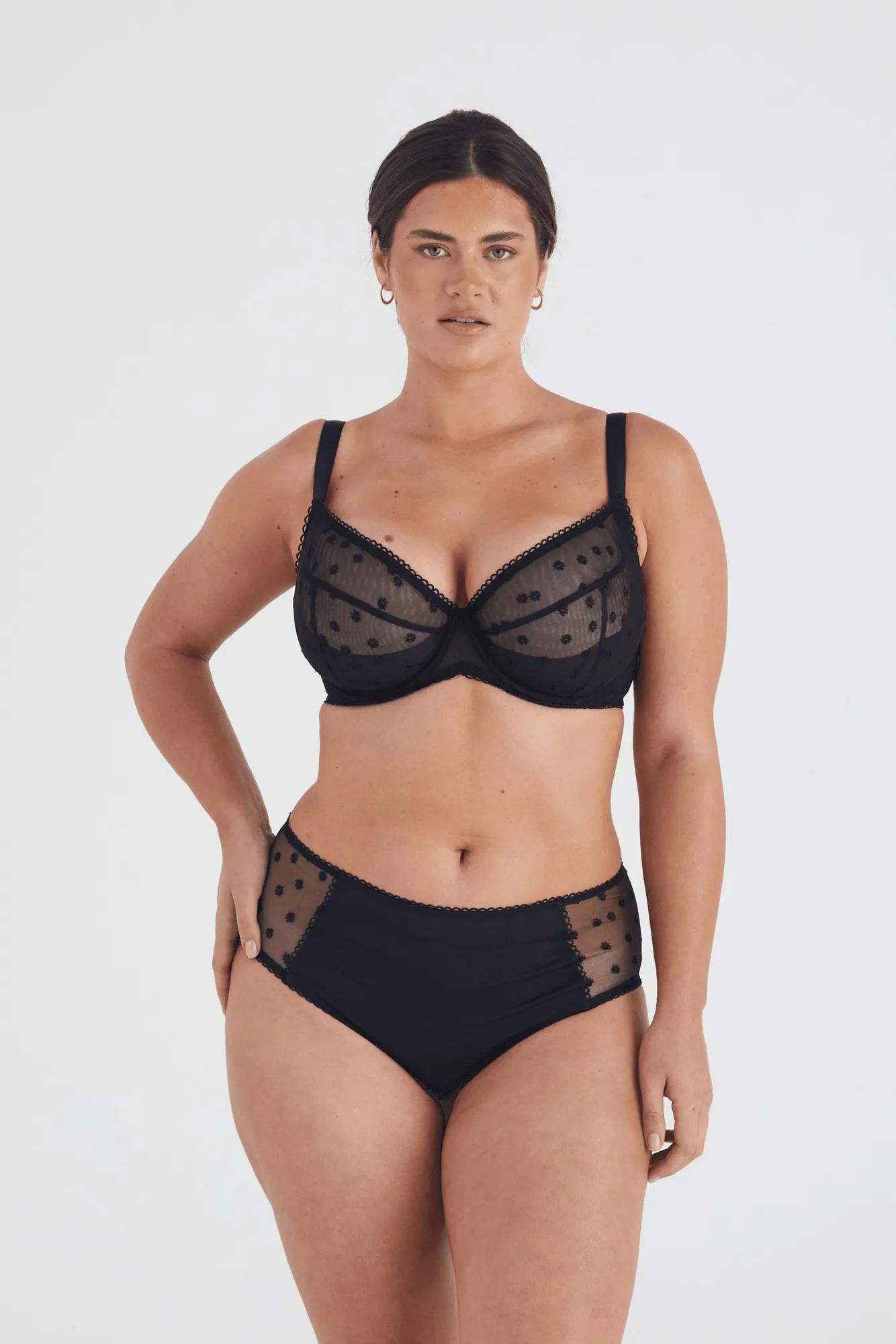
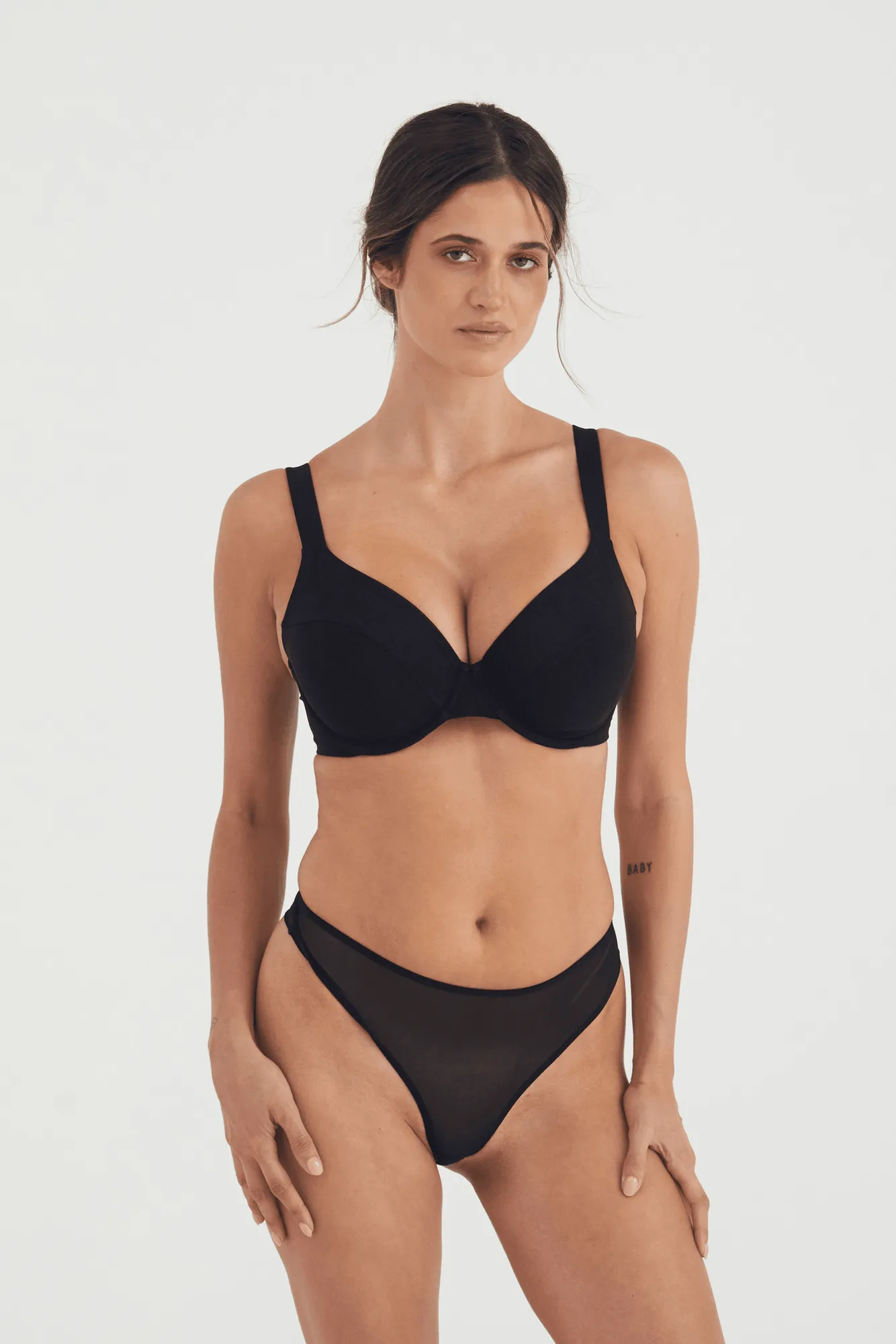
- Busty Basics Plunge Bra - Black: The Busty Basics Plunge Bra - Black is designed for women with bigger busts, featuring a carved-out neckline and plunge front you won't fall out of. A well-constructed plunge bra with a supportive band helps prevent riding up by anchoring the bra firmly against your ribcage, especially for D+ cup sizes.