Quick answer
A well-fitting bra stays anchored on the loosest band hook, keeps the centre front flat against your sternum, and holds your bust fully inside the cups without spillage or gaping. If you can slide the band more than about 5 cm away from your back, or your straps dig in and leave marks, the band is usually too big. Fix the band first, then reassess the cup.
Most bra size mistakes are band mistakes. If your band is too loose, your cups can look too small even when they are the right size, and your straps end up doing work they were never designed to do.
Run this bra fit check once, in front of a mirror, with the bra on the loosest hook. It takes two minutes and tells you whether you need a different band, a different cup, or simply a different style.
The 6 signs your bra is the wrong size
These are the symptoms that show up most often, and each one points to a specific fix rather than a full wardrobe replacement. Work through them in order, because a band problem can create cup symptoms that disappear once the band is corrected.
If two or more of these apply to you, treat it as a sizing issue, not a comfort issue. Adjusting hooks and straps only masks the problem temporarily.
- The band rides up at the back during the day.
- Straps leave deep marks or slip off your shoulders.
- The centre front of the bra floats away from your chest.
- Your bust spills over the top or sides of the cup.
- The cups gape or wrinkle at the top.
- The underwire sits on breast tissue instead of behind it.
How should a bra fit? The band, cup and strap check
A bra should fit snugly on the loosest hook so you have room to tighten it as the elastic relaxes over time. The band should sit level all the way around, not climbing up your back. Roughly 80 percent of the support should come from the band, with straps contributing the rest.
In the cup, the wire should follow your natural breast root and sit flat against your ribcage, not on soft tissue. The centre front should touch your sternum. Your whole bust should be inside the cup with no overflow and no empty space at the top.
- Check the band first: if it lifts away easily or rides up, size down in the band.
- Then check the cup: spillage usually means go up a cup, gaping often means go down a cup.
- Straps should be snug but never tight enough to leave red grooves.
Why your band size matters more than you think
Band size controls where your bust sits and how much weight the bra carries. A band that is too large lets the whole bra migrate upward, which pulls the cups out of position and makes straps dig in. This is why so many people who feel their straps are too tight actually need a smaller band, not looser straps.
When you change band size, cup size usually needs to change too. Going down one band size generally means going up one cup letter to keep the same cup volume. This is the single most common bra size mistake, and it is why two bras that look identical on the label can fit completely differently.
- Measure your underbust snugly, then round to the nearest even number for a starting band size.
- Never judge fit by the number on the label alone; brands and styles vary.
- Recheck fit after any band change, because the cup volume shifts with it.
How to run a bra fitting checklist at home
Put on your bra, fasten it on the loosest hook, and lean forward to settle your bust into the cups. Stand up straight and look at the band level in a mirror. Slide two fingers under the band at the back; if your whole hand fits easily, the band is too loose.
Next, check the centre front and the wire. Then move your arms, reach overhead, and sit down. A bra that only fits while you are standing still is not the right size for daily wear.
- Fasten on the loosest hook, not the tightest.
- Scoop breast tissue forward and up into the cup.
- Test movement: reach, bend, and sit before deciding.
When the problem is the style, not the size
Some symptoms come from the cut rather than the measurement. A moulded cup that gaps at the top often means the cup shape does not match your breast shape, not that the size is wrong. A smooth moulded cup can be a good everyday option when you want a seamless finish under clothing, while a lace or unlined style may follow your natural shape more closely.
If a full-coverage moulded bra feels restrictive, try a lightly padded style with a supportive underwire, which can sculpt and lift without adding bulk. The goal is a bra that stays put through a normal day, not one that only works when you stand still.
- Gaping at the top of a moulded cup often signals a shape mismatch.
- Full-coverage styles suit a larger chest better than shallow cups.
- If a style is discontinued, ask for its replacement before rebuying.
Bra fit check FAQ
How do I know if my band is too big?
The band rides up your back, you can pull it more than about 5 cm away, or you are already on the tightest hook on a new bra. Size down in the band and go up one cup letter to keep the same cup volume.
What does it mean if my cups gape at the top?
This often means the cup is too large or the cup shape does not match your breast shape, especially in moulded styles. Try one cup smaller, then try a different cup shape before deciding.
Why do my straps dig in even when the band feels fine?
Straps dig when they are carrying too much weight, which usually means the band is too loose rather than the straps being too tight. Tighten the band, not the straps, and recheck after a full day of wear.
Should I fasten a new bra on the tightest hook?
No. Fasten on the loosest hook so the elastic has room to relax over time and you can tighten it as the bra ages. If the loosest hook already feels loose, the band size is too big.
Can I fix a wrong size with a bra extender?
An extender adds length to a band that is slightly too tight, but it cannot fix a band that is too large or a cup that is the wrong volume. Use extenders as a temporary fix, not a permanent sizing solution.
How often should I recheck my bra size?
Recheck every six to twelve months, and after any significant weight change, because band and cup needs shift together. Replace bras when the loosest hook no longer holds the band level.
Real bras that show how fit details differ
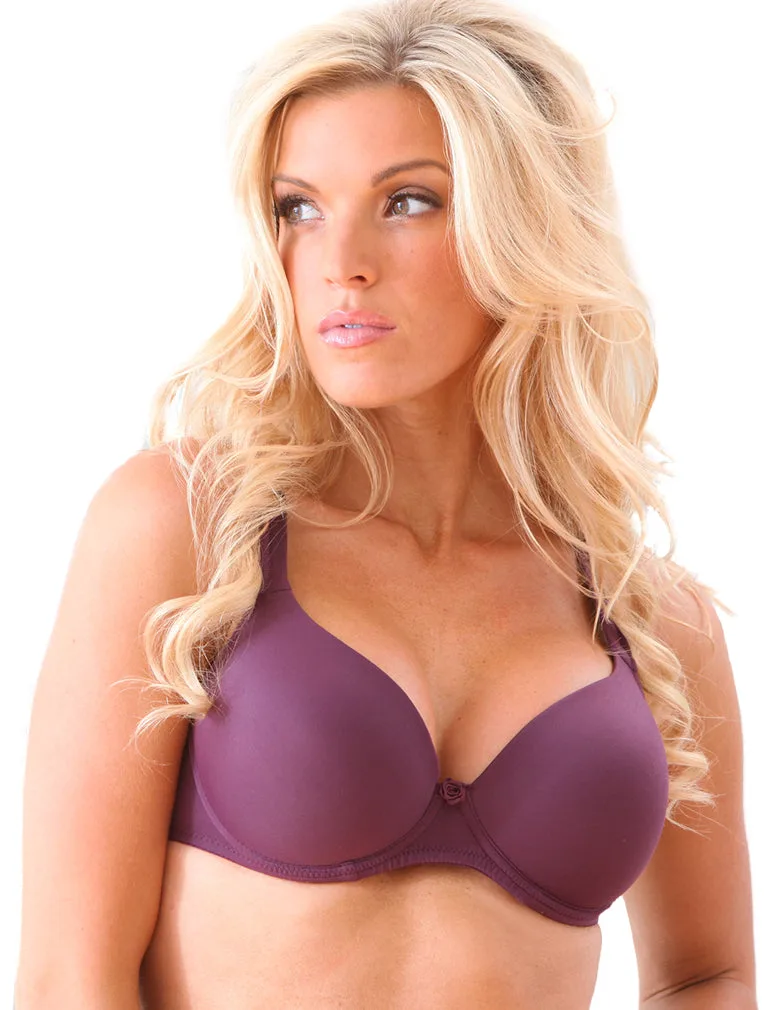
- B1002 Smooth Sweetheart: DEEP PURPLE: Smooth moulded cup with underwire support that disappears under clothes; listed as final sale with no returns or exchanges. A good everyday choice if your main complaint is a bra showing through a t-shirt, but confirm your size first because final sale means no exchanges.
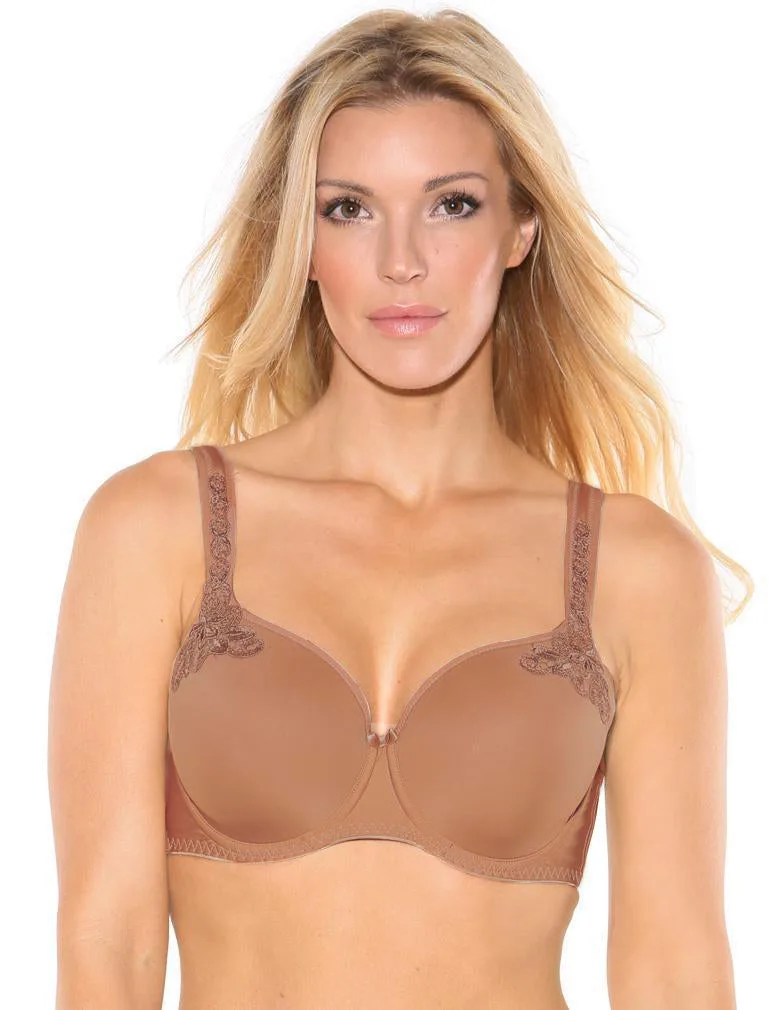
- B1012 Maxine Moulded: MOCCA: Seamlessly flexible, lightly padded cup with full coverage and supportive underwires; the listing notes B1212 Zora as the replacement style. Useful if you need full coverage and lift for a larger chest, and worth knowing the replacement style before you commit to a limited-stock colour.
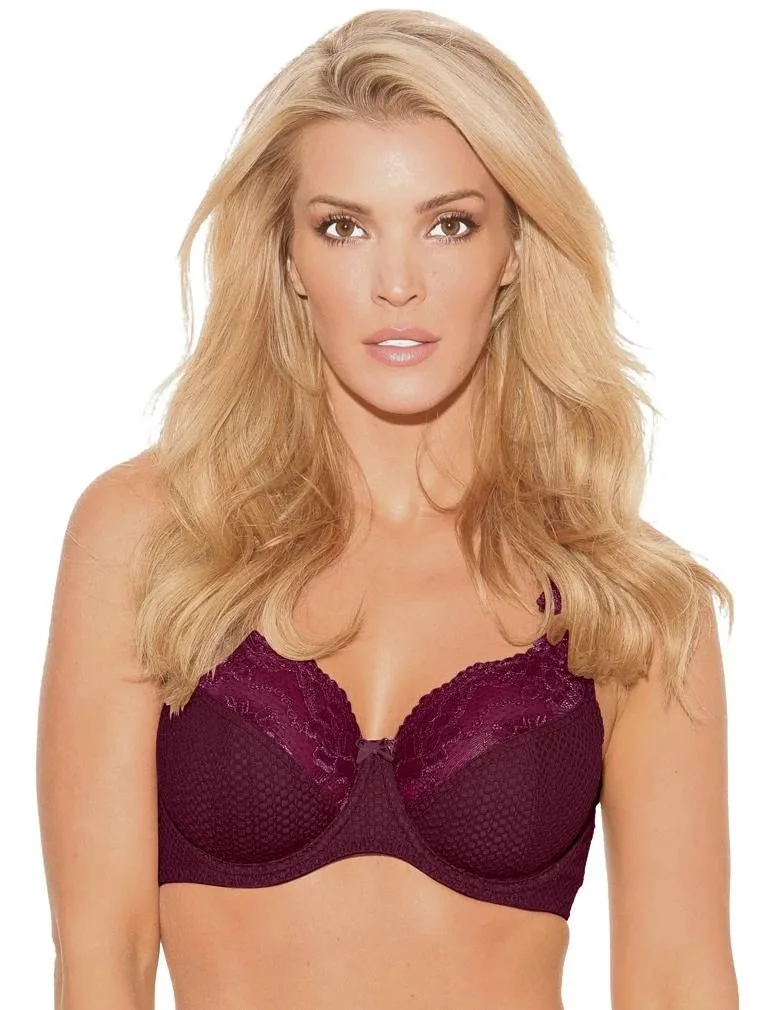
- B2761 Serena Lace: BURGUNDY: Lace bra with J-hooks and matching panties in bikini and brief styles; available by cup size. A J-hook lets you convert to a racerback for extra strap security, which helps if your straps keep slipping off your shoulders.
Run the six-point bra fit check once, fix the band before the cup, and you will solve most of the discomfort you have been blaming on the wrong thing. If a style still fights you after that, the cut is the problem, not your size.