Quick Answer
If you're new to the Brass series or prefer a more accessible, slightly shorter game, start with Brass: Birmingham. If you want the classic, tighter economic experience that started it all, choose Brass: Lancashire. Both offer deep strategy, but Birmingham is more forgiving and varied, while Lancashire is the purist's choice.
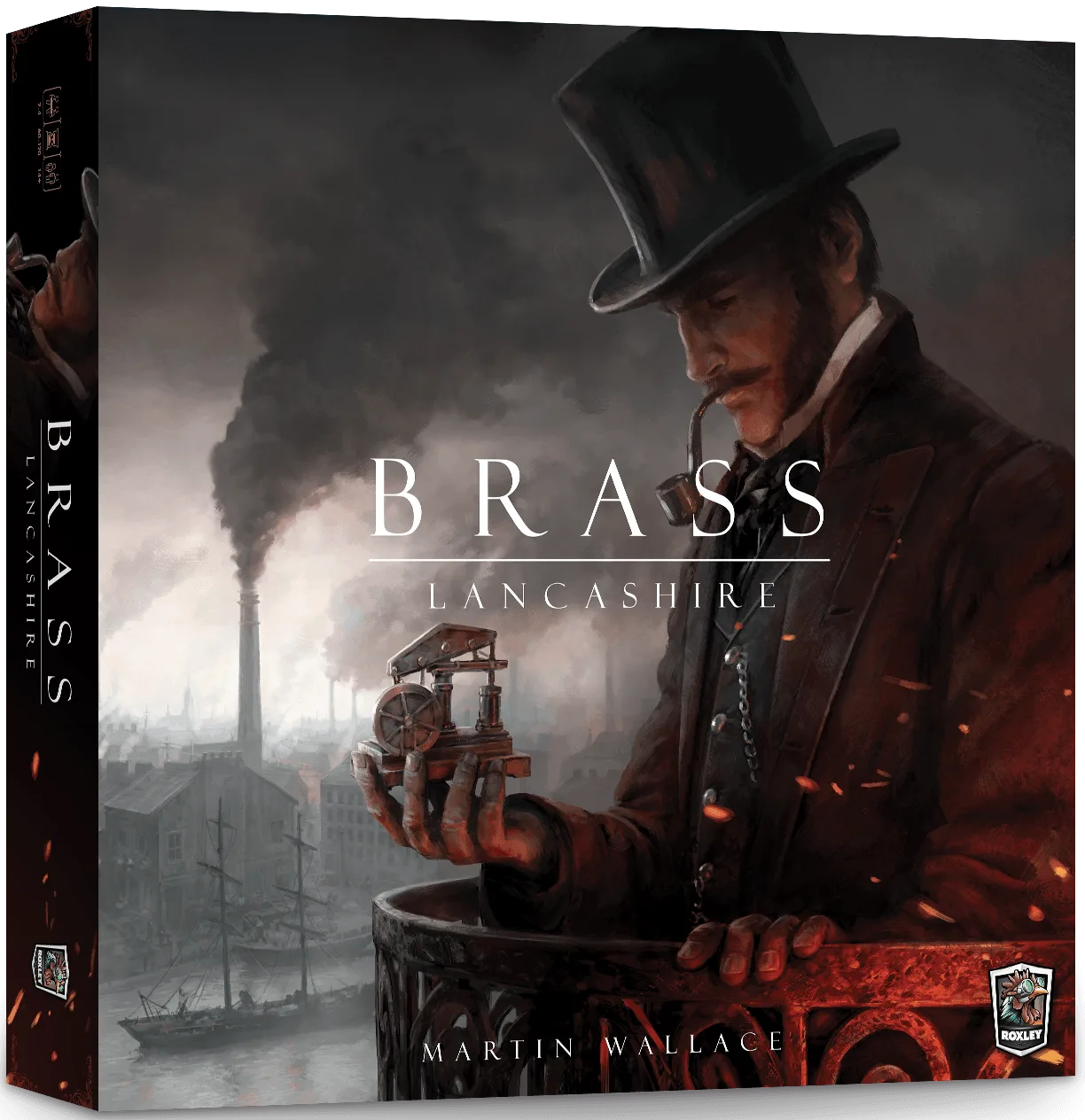
Brass: Lancashire
The Brass series by Martin Wallace is a benchmark in economic board gaming, and choosing between Lancashire and Birmingham can be tough. Both games share a core loop of building industries, networking, and managing coal and iron, but they deliver distinct experiences. This guide breaks down the key differences to help you decide which one deserves a spot on your shelf.
We'll compare gameplay feel, complexity, and setting, then give you clear decision rules. Whether you're a seasoned gamer or just starting your economic game journey, you'll know exactly which Brass to buy.
Core Gameplay: Shared DNA, Different Flavors
At their heart, both Brass games challenge you to develop industries like cotton mills (Lancashire) or beer and manufactured goods (Birmingham) across a historical map of England. You'll take loans, build networks, and flip industries for profit. The turn structure and the famous 'network' mechanic—where your connections determine what you can build—are identical in both.
The key difference lies in the strategic focus. Lancashire is tighter and more cutthroat, with players competing for limited coal and port locations. Birmingham introduces beer as a resource and offers more varied industry paths, making it feel more open and forgiving. If you enjoy tense, interactive economics, Lancashire shines; if you prefer a bit more room to maneuver, Birmingham is your game.
- Both games excel at player interaction through shared infrastructure.
- Birmingham's beer mechanic adds a layer of planning for selling goods.
Complexity and Learning Curve: Which Is Easier?
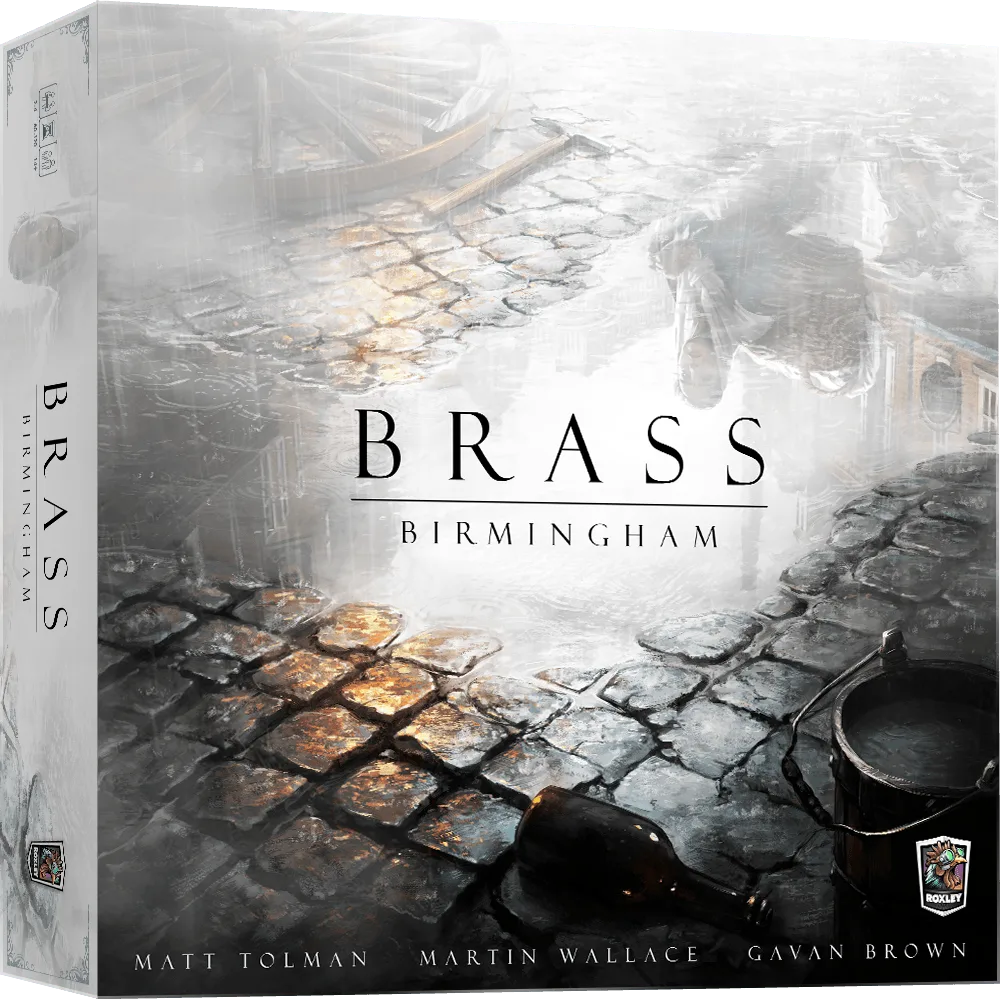
Brass: Birmingham is often considered the more accessible entry point. Its rule set is slightly streamlined, and the additional industry options give new players more flexibility to recover from mistakes. The game also includes improved two- and three-player rules, making it easier to play with smaller groups.
Brass: Lancashire, on the other hand, is the original design. It's a bit harsher: coal is scarcer, and the cotton industry demands careful timing. Experienced gamers who enjoy a punishing challenge often prefer it. If you're teaching new players, Birmingham's forgiving nature is a real advantage.
- Birmingham's rulebook is clearer for first-timers.
- Lancashire rewards deep strategic planning and experience.
Setting and Theme: Historical vs. Industrial Variety
Both games are set in the Industrial Revolution, but they focus on different regions and eras. Lancashire recreates the original cotton-based economy of the 18th century, with a focus on ports and canals. Birmingham, set later, includes a wider range of industries like brewing and manufacturing, reflecting the city's diverse industrial heritage.
If you're a history buff who appreciates the authenticity of the original, Lancashire's setting is iconic. If you prefer a game that feels more varied and modern, Birmingham's broader scope might appeal. The artwork and components in both editions are top-notch, but note that the Deluxe Edition of Lancashire features updated art and high-quality components.
- Lancashire's map is more constricted, increasing competition.
- Birmingham's map offers more routes and strategic options.
Decision Rules: Choose Your Brass
- If you're new to economic games: Start with Brass: Birmingham. Its more forgiving mechanics and clearer rules make it easier to learn and enjoy from the first play. Birmingham is the best entry point.
- If you're a seasoned gamer who loves tight, interactive challenges: Choose Brass: Lancashire. Its scarcity and cutthroat competition offer a deeper, more demanding experience that veterans often prefer. Lancashire delivers the classic, pure Brass challenge.
- If you play mostly with 2 or 3 players: Both games are good, but Lancashire's Deluxe Edition includes improved 2 & 3 player rules, making it a stronger choice for smaller groups. Lancashire Deluxe is ideal for small groups.
Product Facts
- Brass: Lancashire Bundle: Deluxe Edition of Martin Wallace's original masterpiece with new art, new high quality components, improved 2 & 3 player rules, and player mats. As one of the top 30 highest rated board games on boardgamegeek.com, Brass is widely regarded as one of the deepest, most replayable economic games ever designed. If you're drawn to Lancashire, this bundle gives you the definitive version with upgraded components and better rules for smaller groups, making it a worthy investment for collectors and serious gamers.
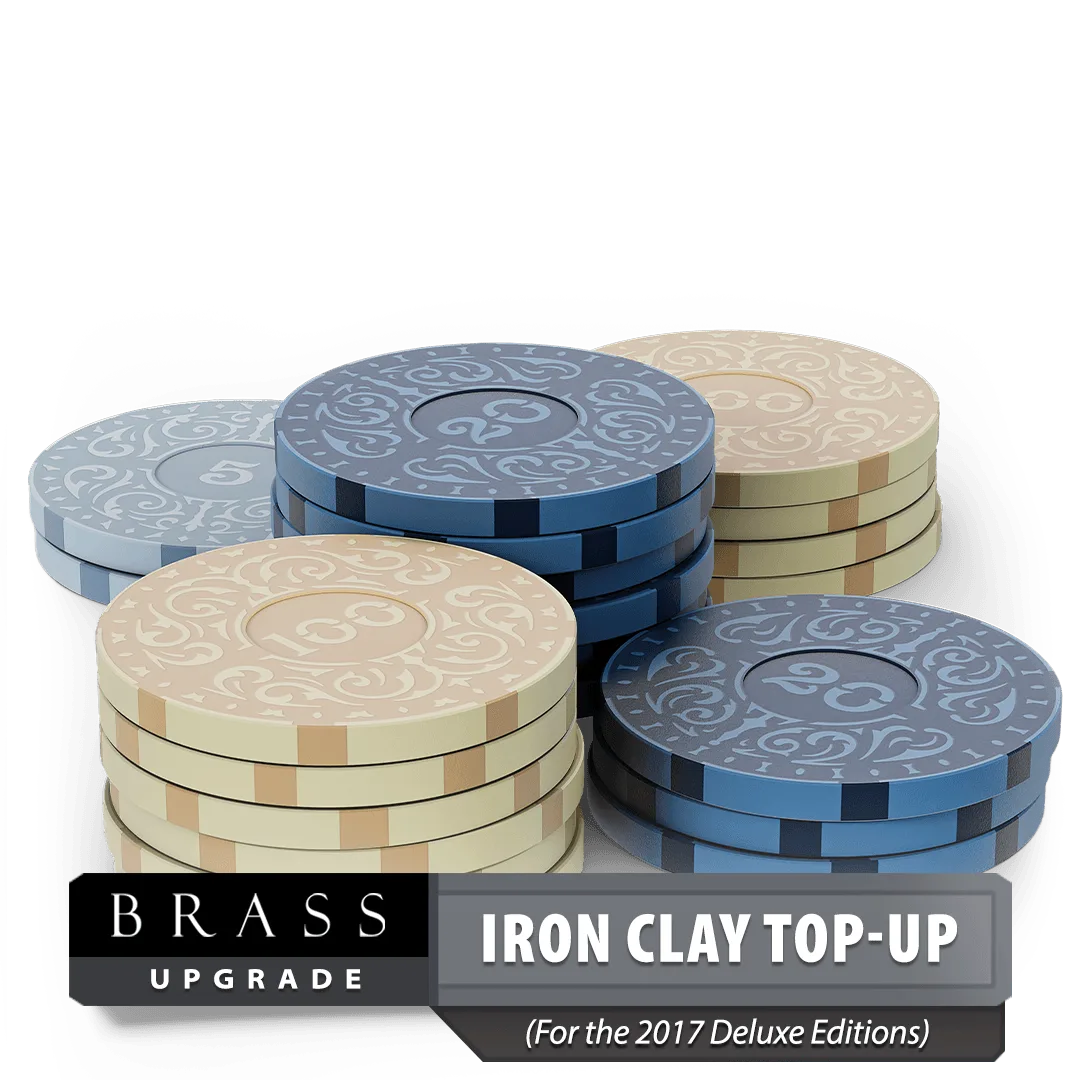
- https://roxleyeun.com/products/iron-clays-brass-upgrade-sleeve-a856b96ca486a49185011f80-1121221Iron Clays: 22-Chip Brass Upgrade Sleeve: An accessory designed to upgrade your Brass experience (no catalog description supplied; product name indicates a chip sleeve). While not essential, this sleeve can protect your Iron Clays chips if you use them for Brass, adding a touch of customization to your game nights.
Which Brass Fits You?
Best for
- Brass: Birmingham – Newcomers to the series and players who prefer a more forgiving, varied economic experience.
- Brass: Lancashire – Purists and experienced gamers who enjoy a tight, competitive challenge and appreciate the original design.
Not for
- Brass: Lancashire – Those who dislike high player interaction and punishing scarcity; it may feel too stressful.
- Brass: Birmingham – Players who want the purest, most historically accurate simulation of the original Brass experience.
Ultimately, both Brass: Lancashire and Brass: Birmingham are exceptional games that reward repeated plays. Your choice comes down to your experience level and preferred style of challenge. If you're still unsure, consider trying both—many players eventually own both for their unique qualities. Whatever you pick, you're in for a deep, satisfying economic journey.