Quick answer
For the first month, you need a small, flexible breastfeeding starter kit: a few comfortable nursing bras, washable breast pads, a water bottle, and one or two simple items that keep your baby calm and close during feeds. Buy the minimum first, then add products only when a real need shows up. A multi-use item like the Nuby Animal Adventures Tummy Time Pillow can double as a supervised lounging spot between feeds, but it does not replace a nursing pillow or a safe sleep surface.
Animal Adventures Tummy Time Pillow
The first month of breastfeeding is less about gear and more about frequency. You will feed often, day and night, so the best newborn feeding must haves are the ones that reduce friction and help you stay comfortable without turning your home into a warehouse. Most parents overbuy before birth and then discover that a handful of items do the real work.
This breastfeeding buying guide gives you decision rules instead of a giant checklist. It covers what to buy now, what to borrow, and what to skip until you know your baby and your routine. It also explains where a simple multi-use product fits into the picture, and where it does not.
Start with the items you will touch every day
Your first-month breastfeeding essentials are the things you use at nearly every feed: nursing bras or tanks that fit without digging, reusable or disposable breast pads, a large water bottle, and snacks you can eat one-handed. These are not glamorous, but they solve the two biggest first-month problems, which are discomfort and hunger. Buy two or three bras in a size that fits you now, not your pre-pregnancy size.
Keep the count low on purpose. You can wash pads and bras frequently, and you will learn within a couple of weeks whether you prefer a clip-down bra, a pull-aside tank, or a combination. If you are building a breastfeeding starter kit as a gift, choose neutral sizes and include a gift receipt, because fit is personal and changes fast.
- Buy 2–3 nursing bras or tanks rather than a full drawer.
- Choose pads you can wash or replace easily; leaks change week to week.
- Set up one feed station with water, a snack, and a charger before baby arrives.
Choose support items by the job they do
Nursing pillows, stools, and back supports are sold as a set, but they solve different problems. A firm pillow raises baby to breast height and can reduce shoulder strain. A small stool changes your seated posture if you are short or feeding in a low chair. A back support helps if you already have lower-back pain. Buy the one that matches your actual discomfort, not the whole bundle.
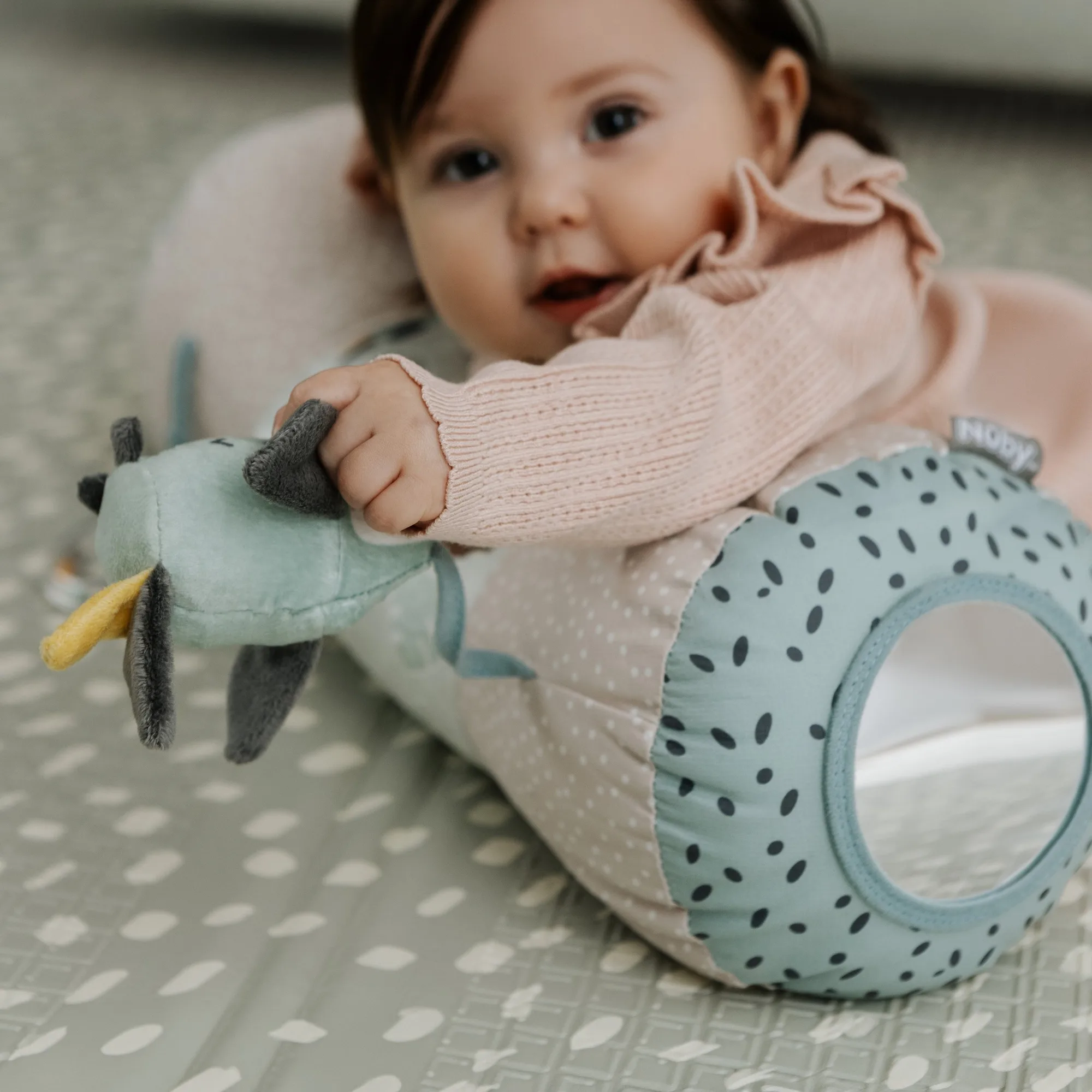
Multi-use products can stretch your budget if you understand their limits. The Nuby Animal Adventures Tummy Time Pillow is described as multi-functional and includes a baby-safe mirror that promotes self-awareness. It gives your baby a place to lounge comfortably until they can roll over and become more mobile. Use it for supervised awake time, and keep separate, flat surfaces for sleep.
- Match the support item to one specific problem you can name.
- Use lounging pillows only for supervised, awake time.
- Do not stack a lounging pillow inside a crib or bassinet.
Add small developmental items that earn their keep
Feeding months include a lot of one-handed time, so a lightweight toy you can attach nearby is often more useful than another piece of feeding furniture. The Nuby Animal Adventures Spiral Activity Toy | Elephant attaches easily to any stroller or car seat handle, keeping baby entertained on every outing. Soft plush characters, squeaks, crinkles, and rattles stimulate the senses and teach cause and effect, which makes it a practical developmental toy rather than clutter.
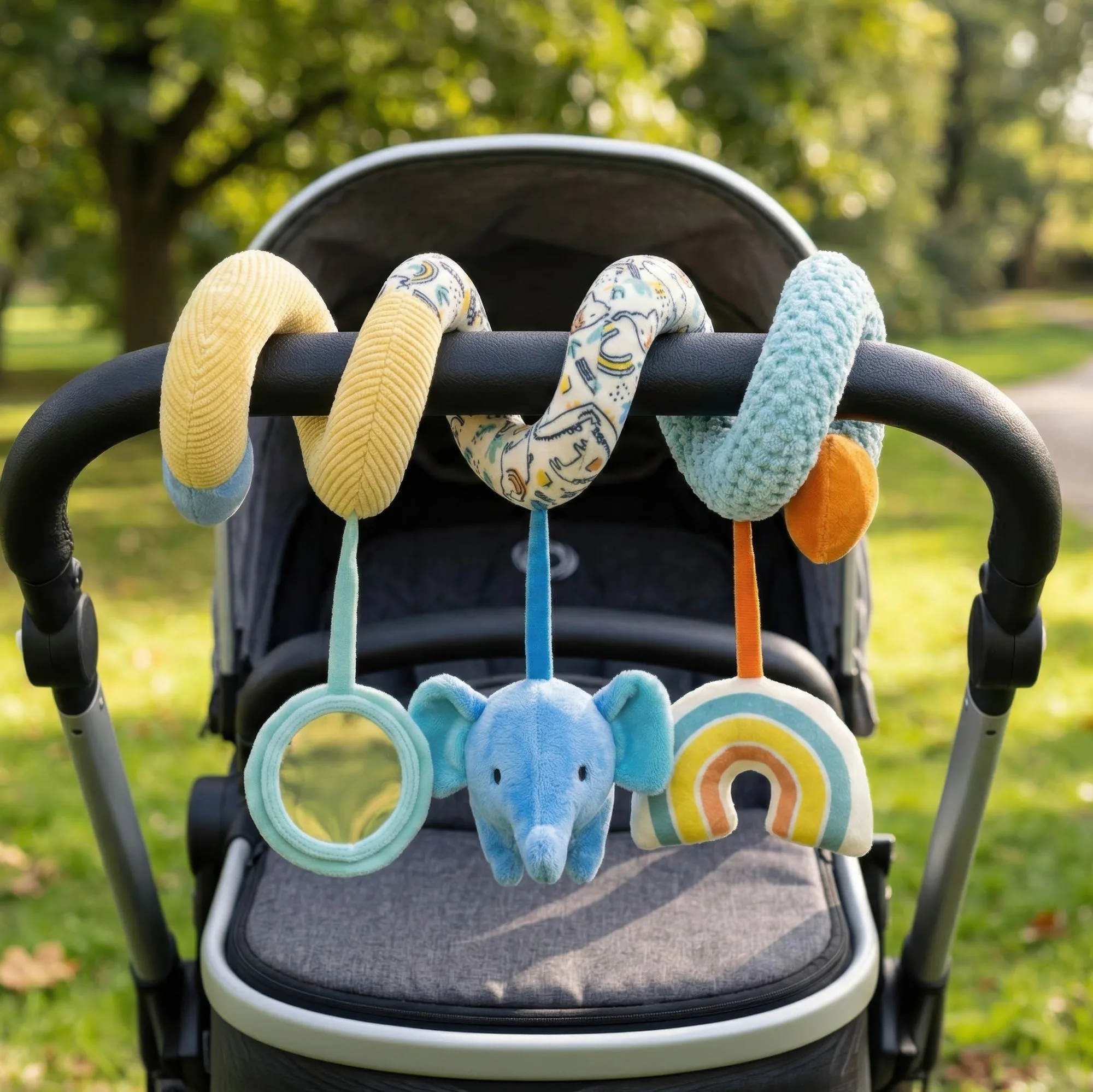
Animal Adventures Spiral Activity Toy | Elephant
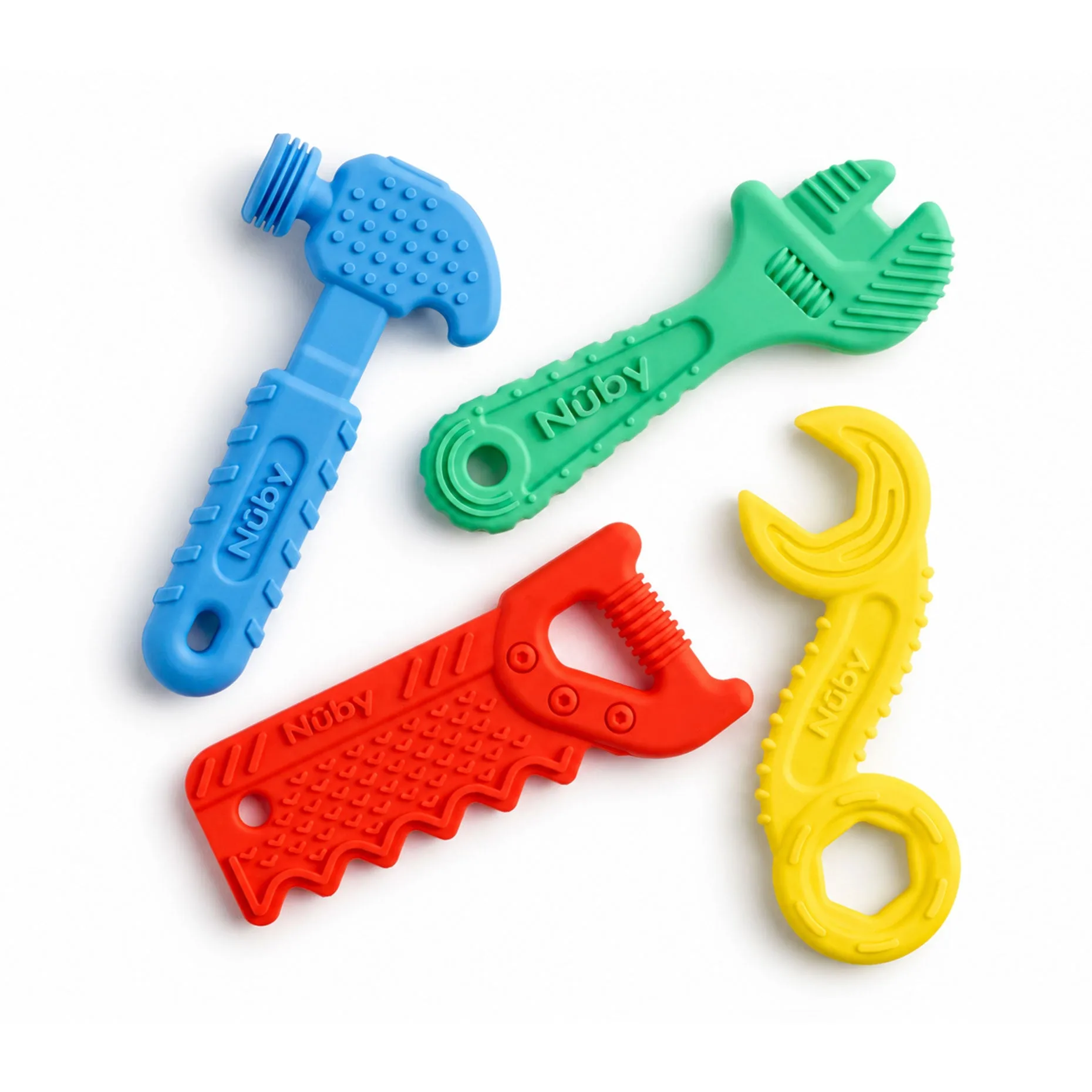
The same logic applies to teethers. The Nuby Tool Teethers (4 Pack) are made from soft, easy-to-clean silicone with multiple textured surfaces that help massage and soothe tender gums. They are sized for little hands to grasp and chew. You do not need them on day one, but they are a low-cost item that becomes useful as early as the first weeks if your baby starts mouthing.
- Pick attachable toys so they stay off the floor during outings.
- Choose easy-to-clean materials for anything that goes in the mouth.
- Keep one teether in the diaper bag and one at home.
Skip or delay these until a real need appears
You can delay pumps, bottles, and large supply systems until you have a reason to use them. Many parents buy a full pump setup before birth, then find that their feeding plan changes. If you return to work or need to bottle-feed, buy then, and check what your insurance or local program covers first. A single manual pump or a small bottle may be enough to start.
Also delay specialty pillows, nipple shields, and supplements unless a lactation professional recommends them. These items are not one-size-fits-all, and the wrong fit can create new problems. The honest trade-off is that waiting can feel unprepared, but buying early often means buying twice. A short list you actually use beats a full closet you have to store.
- Wait on pumps and bottles unless you have a specific plan.
- Ask a lactation professional before buying specialty feeding tools.
- Keep receipts for anything you buy before birth.
Decision rules for your first-month breastfeeding kit
- If you are feeding around the clock: Prioritize comfort and access: two or three well-fitting nursing bras, washable pads, a water bottle, and one-handed snacks. These items reduce daily friction more than any single gadget. Buy these before birth; they are the core of a breastfeeding starter kit.
- If your back or shoulders ache during feeds: Add one support item that matches the problem: a firm nursing pillow for height, a stool for posture, or a back support for existing pain. Do not buy all three at once. One targeted support item beats a full bundle you may not use.
- If you want multi-use products: Choose items with clear second jobs, such as the Animal Adventures Tummy Time Pillow for supervised lounging and mirror play, or the Animal Adventures Spiral Activity Toy for stroller and car seat entertainment. Multi-use is only a win if you will actually use the second job.
- If you are unsure about pumps and bottles: Wait. Buy a pump or bottle only when you have a specific reason, such as returning to work or a recommendation from a lactation professional. Check coverage options first. Delaying these purchases usually saves money and storage space.
Product facts that help you decide
- Animal Adventures Tummy Time Pillow: Nuby’s Animal Adventures Tummy Time Pillow is multi-functional, making it the perfect companion to use as your baby grows. It gives your baby a place to lounge comfortably until they are able to roll over and start becoming more mobile, and it features a baby-safe mirror that helps promote self-awareness. It can serve as a supervised lounging and awake-time spot between feeds, which makes it useful in the first month, but it is not a sleep surface and does not replace a nursing pillow.
- Animal Adventures Spiral Activity Toy | Elephant: The Animal Adventures Spiral Activity Toy attaches easily to any stroller or car seat handle, keeping baby entertained on every outing. Soft plush characters, squeaks, crinkles, and rattles stimulate the senses and teach cause and effect. It is rated 0+ months and has 3 hanging sensory toys. It gives you a hands-free way to keep baby calm during feeds and outings, and the 0+ rating means you can use it from the first weeks.
- Tool Teethers (4 Pack): The Nuby Tool Teethers 4-Pack is designed for little hands and sore gums. These playful silicone tools feature multiple textured surfaces that help massage and soothe tender gums while keeping babies entertained. They are made from soft, easy-to-clean silicone and are sized for grasping and chewing. They are a low-cost, easy-to-clean item that becomes useful when mouthing starts, so they are worth having on hand even if you do not need them on day one.
Who this first-month approach fits
Best for
- Parents who want a short, practical breastfeeding essentials list instead of a full registry.
- Gift buyers building a breastfeeding starter kit who want useful items at low risk of going unused.
- Families who prefer to add newborn feeding must haves only when a real need appears.
Not for
- Parents who already know they will pump exclusively and need a full pump and bottle system from day one.
- Shoppers looking for a single pre-assembled kit that covers every possible feeding scenario.
- Anyone seeking medical advice about latch, supply, or feeding complications; those questions need a lactation professional.
Build your first-month breastfeeding kit around comfort, frequency, and a few multi-use items you will actually reach for. Start small, keep receipts, and add products only when your baby and your routine show you what is missing. That approach keeps your budget and your storage space under control while still covering the newborn feeding must haves that matter most.