Quick answer
Choose a bucket bag by matching its opening and height to what you carry daily, then pick a strap setup you can wear for hours. A structured bucket bag with a shoulder strap and a short handle covers most routines. If you carry a laptop or need hands-free security, a compact crossbody or a zipped briefcase will serve you better.
A bucket bag looks simple, but the details decide whether you actually use it. The opening, the base width, the strap drop and the closure all change how the bag feels on a normal day.
This guide walks through the decisions in order: what you carry, how you carry it, and which materials and closures hold up. Use the rules below to narrow the field before you compare specific bags.
Start with what you carry, not the bag
Empty your current bag and group the contents: daily essentials, work items, and occasional extras. A phone, wallet, keys and a small pouch fit almost any bucket bag. Add a tablet, a water bottle or a notebook and you move into medium territory. Add a laptop and you should stop looking at bucket bags entirely.
Bucket bags have a wide base and a narrower top, so tall items stand upright while flat items settle at the bottom. That shape is friendly to bottles and pouches, less friendly to folders. Measure your largest everyday item before you shop, then compare it to the bag's listed height and base width.
- Lay your items flat and measure the longest one; that number is your minimum interior height.
- If you carry a laptop, choose a briefcase or laptop bag instead of a bucket bag.
Bucket bag size: small, medium and large in practice
Small bucket bags hold a phone, cardholder, keys and lip balm, and they disappear under an arm. Medium is the everyday sweet spot: phone, wallet, pouch, small bottle and a folded scarf. Large adds a tablet, a light jacket or a lunch container, but the bag starts to swing and dig into the shoulder.
Height matters more than width for how a bucket bag carries. A bag around 8 to 9 inches tall sits near the waist; anything past 11 inches starts to read as a tote and needs a wider strap to stay comfortable. Always check the listed dimensions rather than judging from photos.
- Small: essentials only, best for evenings and short errands.
- Medium: the most versatile size for a full day out.
- Large: good for travel days, but pair it with a wide strap.
Straps decide how often you reach for it
A bucket bag with straps that convert from shoulder to crossbody earns its place in a rotation. A single long strap is simplest; a short handle plus a long strap gives you a hand-carry option for crowded spaces. Check the maximum strap length and the drop before buying, because a strap that is too short turns a crossbody into an awkward shoulder bag.
Wider straps spread weight and reduce digging, which matters once the bag passes about 2 pounds loaded. If the strap is not removable, you are locked into one look. Removable or adjustable straps let you swap in a wider one later, and they make the bag easier to store.
- Measure your ideal crossbody drop: from shoulder to the top of your hip.
- Prefer adjustable straps so the bag works with coats and lighter layers.
Closures, openings and access
An open bucket bag is fast to use and easy to overfill, but it offers no protection in rain or crowds. A drawstring or zip top keeps contents in place and slows down casual access. A flap with a turn lock adds a second layer of security for quick-access items while keeping the main compartment sealed.
Think about how often you open the bag. If you pay for transit or check your phone constantly, a top zip plus a front pocket beats a single deep compartment. If you mostly carry the bag to a desk and back, an open or drawstring top is fine and faster to pack.
- Top zip for commuting and travel; drawstring for lighter daily use.
- A front flap pocket keeps your phone reachable without opening the main bag.
Materials: leather, pebbled leather and vegan options
Smooth leather shows scratches; pebbled leather hides them and keeps its shape with less fuss. Vegetable-tanned leather develops a patina but needs more care in the first months. Vegan leather bucket bags cost less and handle rain better, but they tend to crease and peel sooner, so treat them as a shorter-term choice.
Weight follows material. Full-grain leather adds heft, which is fine for a shoulder bag and tiring for a crossbody worn all day. If you plan to carry the bag for hours, weigh the trade-off between durability and comfort before you commit.
- Pebbled leather: best balance of durability and low maintenance.
- Vegan leather: budget-friendly, but expect a shorter lifespan.
How to try a bucket bag before you commit
Load the bag with your actual items, not the display stuffing. Walk for a few minutes and check whether the strap stays on your shoulder and whether the base bumps your hip. Look at the interior: slip pockets and a zip pocket keep small items from disappearing into the bottom.
Check the hardware and stitching at stress points, especially where the strap meets the body. If the bag has no interior organization, plan to add a pouch, because a deep bucket bag swallows loose items quickly.
- Test with your real load, including a full water bottle.
- Confirm the return window before buying online.
Decision rules for choosing a bucket bag
- If you carry a laptop: Skip bucket bags and choose a briefcase or laptop bag with a padded compartment. Bucket bags have no structured laptop protection.
- If you commute or travel: Choose a top zip or drawstring closure and an adjustable crossbody strap. Security and hands-free carry matter most on the move.
- If you carry only essentials: A compact crossbody with divided pockets keeps items reachable and secure. Smaller bags are easier to wear all day.
- If you want one bag for work and weekends: Pick a medium structured bucket bag with a shoulder strap and short handle. Versatility beats maximum capacity for most people.
- If you carry heavy loads: Choose a wide, removable strap and check the bag's listed weight. Weight and strap width decide comfort after an hour.
Catalog examples that show the trade-offs
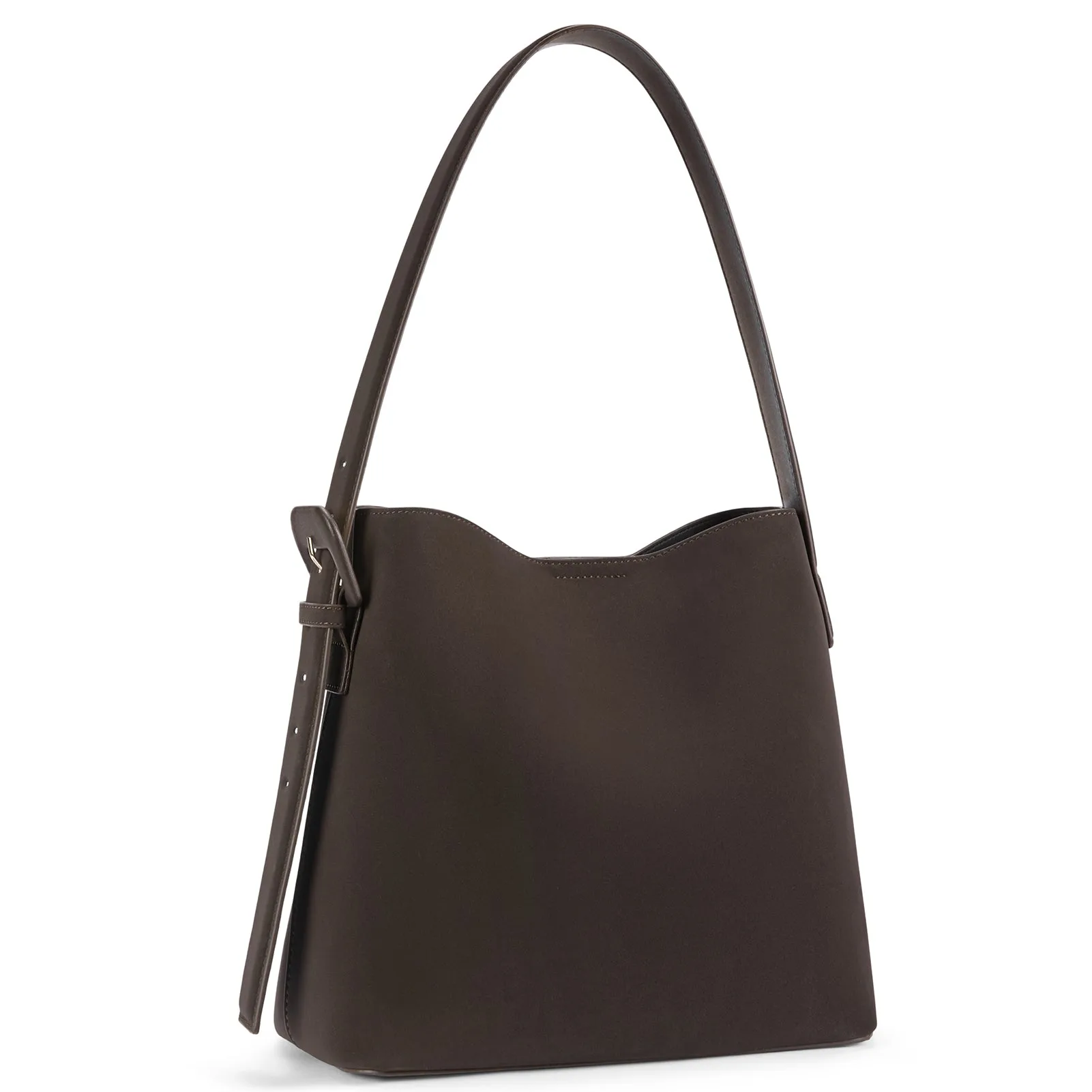
- https://bostantenhgv.com/products/lotty-soft-leather-chic-bucket-bag-brown-222752b6f0f029214afb9ad9-1529949Lotty Soft Leather Chic Bucket Bag — Brown: Structured bucket-shaped bag with ample space and multiple pockets, wearable as a shoulder bag or handbag. The dual carry style and pocket layout suit someone who wants one bag for both workdays and weekends.
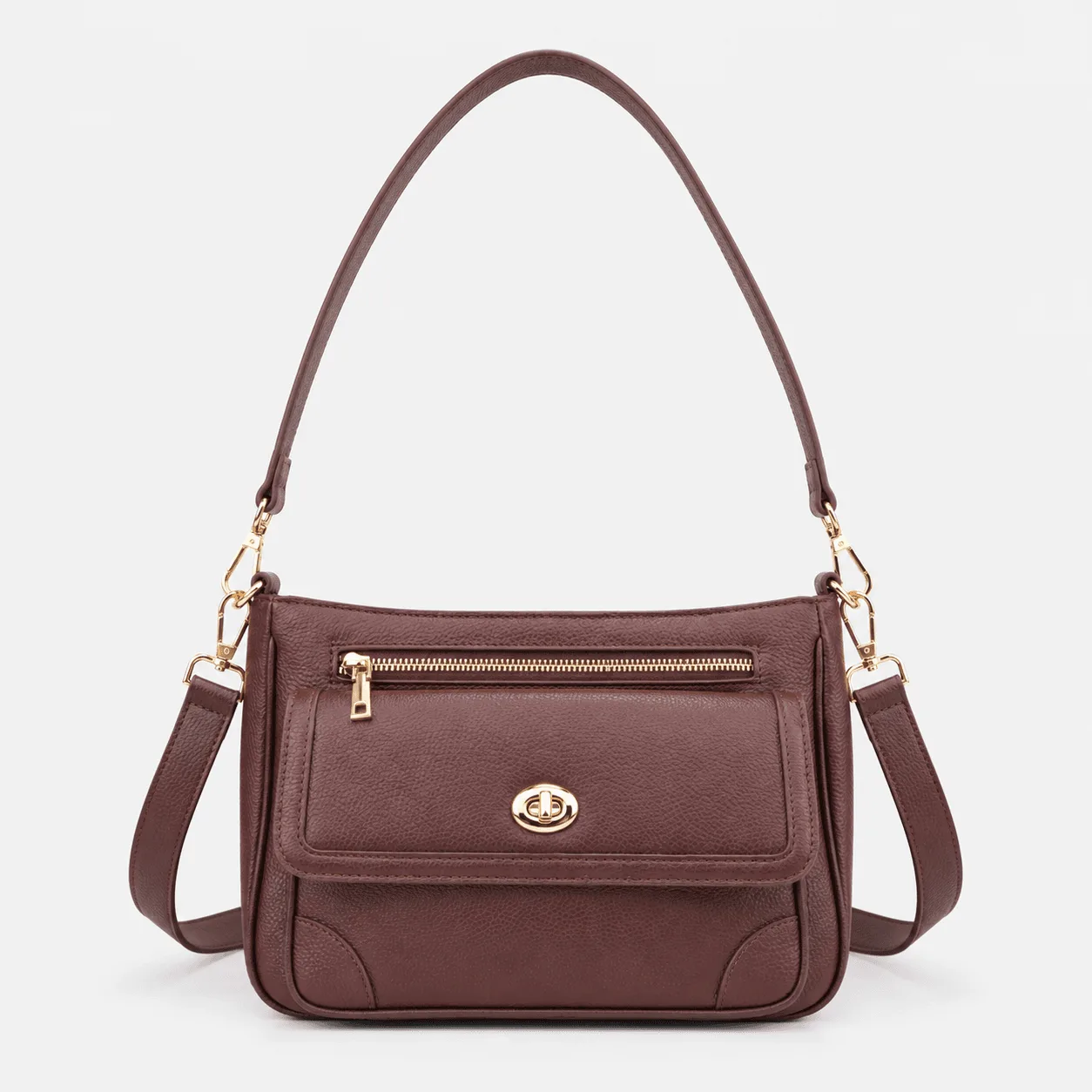
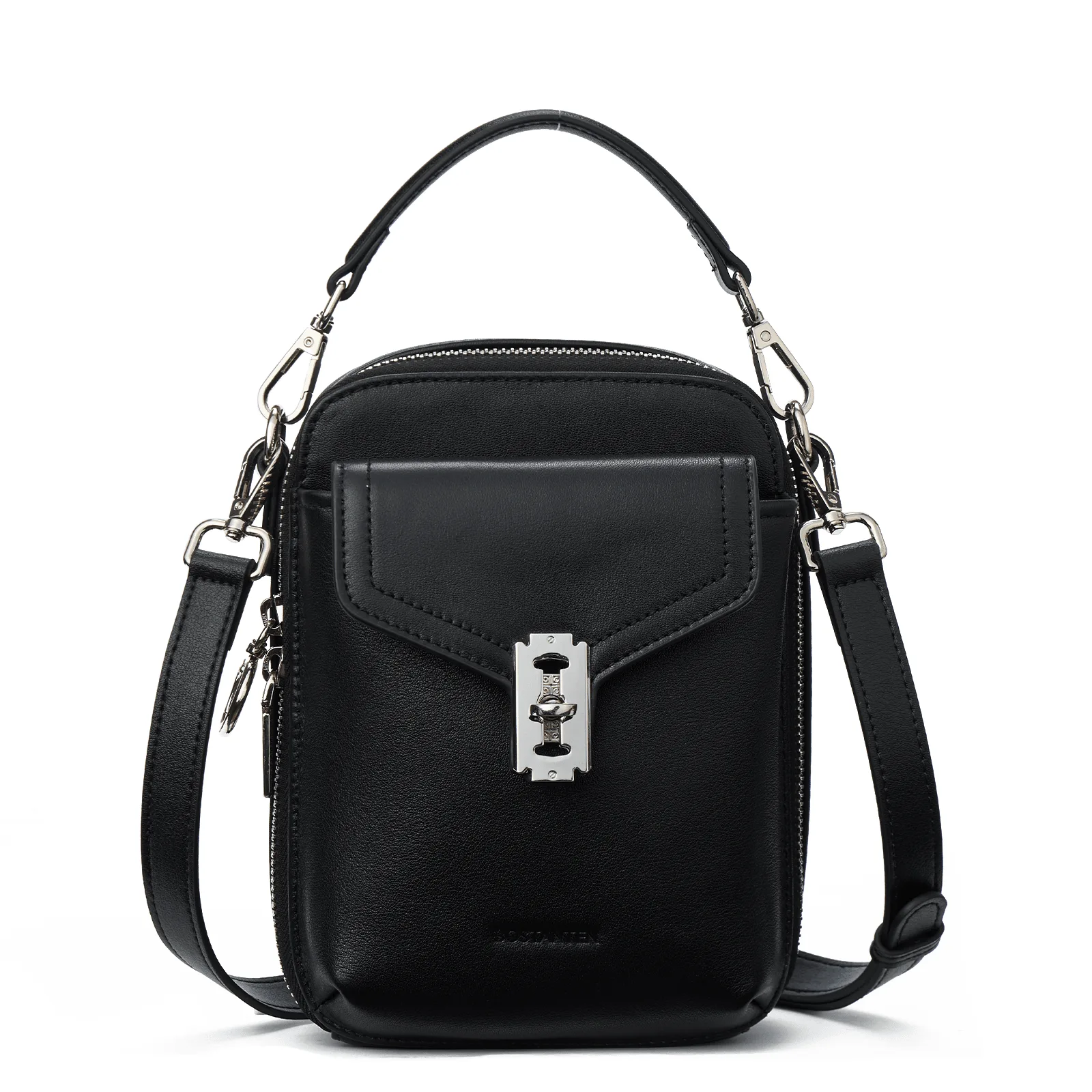
- Nevin Vegetable-Tanned Genuine Leather Crossbody Phone Bag: Compact crossbody with a top-zip main compartment plus a turn-lock front flap pocket, and divided interior pockets for phone and cards. A better fit than a full bucket bag when you carry only essentials and want hands-free security.
- Turn Lock Flap Messenger Crossbody - Pebbled Leather: Full grain pebbled cowhide leather with suede lining and golden hardware, measuring 10.5 by 2.35 by 8.4 inches. The listed dimensions show how a medium crossbody compares to a bucket bag before you buy.
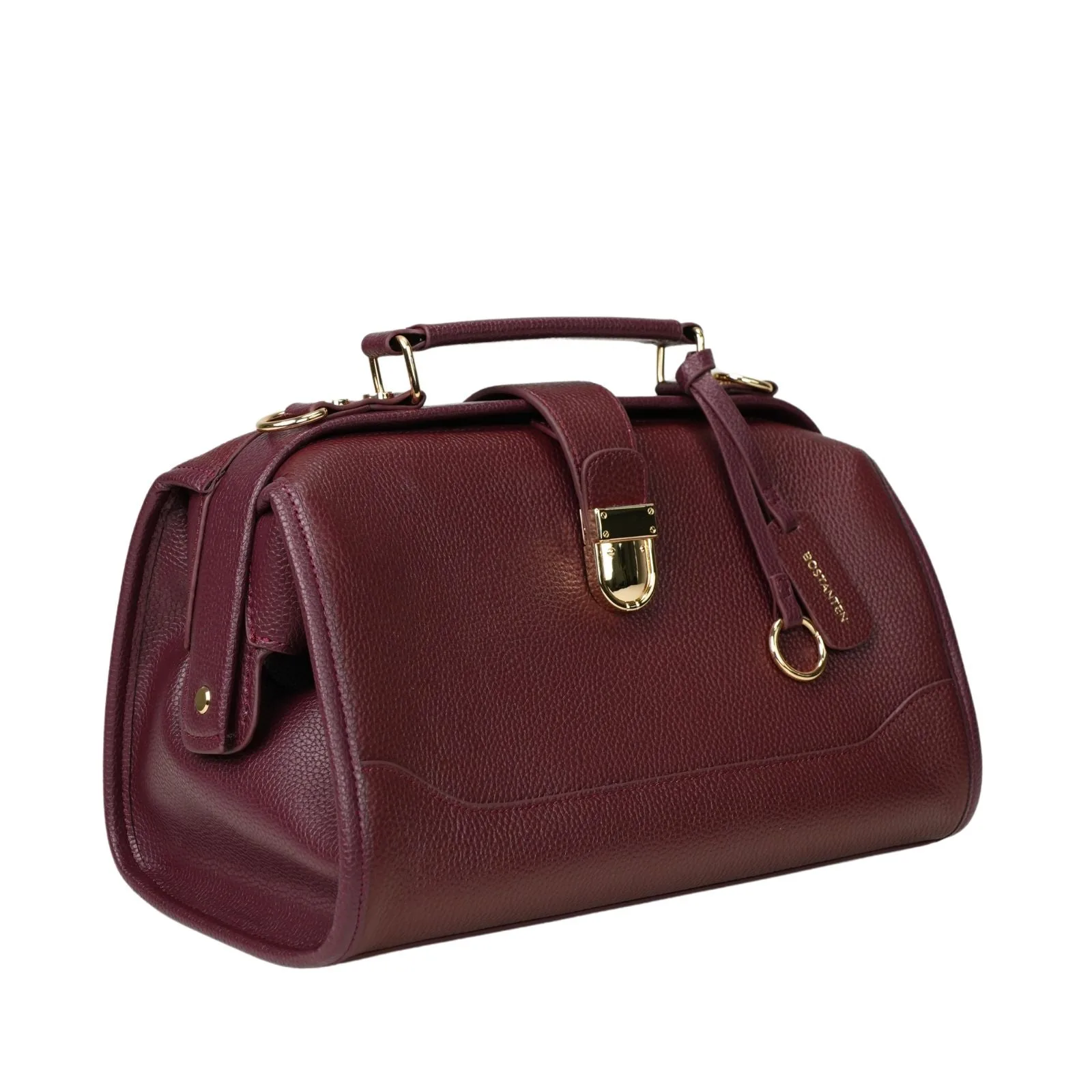
- Timeless Grace Doctor Bag - Full Grain Pebble Leather: Pebbled leather with a magnetic snap clasp, measuring 11.8 by 6.5 by 7.9 inches and weighing about 0.9 kg, with one main compartment, one zip pocket and two slip pockets. A structured alternative with a defined interior layout if you prefer organization over an open bucket shape.
Who should buy a bucket bag
Best for
- Everyday carry of phone, wallet, pouch and a small bottle
- People who want a shoulder or hand-carry bag with a relaxed shape
- Weekend and casual use where quick access matters
Not for
- Carrying a laptop or large folders
- Anyone who needs a fully sealed bag in heavy rain
- Minimalist carry where a compact crossbody is lighter and more secure
Choose the size from your daily load, the strap from how long you carry it, and the closure from where you go. A medium structured bucket bag with an adjustable strap covers most routines; step down to a compact crossbody when you carry less, or up to a briefcase when you carry more.