Quick answer
Start with the frame you already own, then add components that match its wheel size and mounting style. For most families, that means keeping the original wagon or trike and upgrading wear items like wheels, grips, and covers rather than rebuilding from scratch. If you are buying new, choose a model with a steel frame and standard wheel sizes so future parts are easier to source.
What actually counts as a component
A ride-on toy is not one product; it is a frame plus a short list of parts that wear, loosen, or get lost. The frame, wheels, tires, handlebar or steering column, seat, and any deck or cargo surface are the core components. Accessories such as covers, bells, and streamers sit on top of that system and rarely affect fit.
Before you buy anything, identify which part is failing. A wobbly ride usually means a loose axle or worn wheel hub, not a bent frame. A trike that tips easily is often a steering or seat-position issue. Naming the real problem stops you from buying a component that does not solve it.
Match wheel size before anything else
Wheel diameter is the single most common compatibility failure. A 12-inch front wheel on a classic tricycle is a specific size, and a replacement wheel from a different model will not roll correctly even if the axle fits. Measure the existing wheel across its center, then confirm the replacement matches that number.
Tire type matters too. Rubber tires grip and wear differently than plastic wheels, and mixing them on the same vehicle creates uneven rolling. If you are replacing one wheel, replace the pair or set so the ride stays balanced.
Frame material and mounting style
Steel frames accept bolt-on components and tolerate tightening and re-tightening over years of use. Plastic frames often use molded clips or press-fit joints that are not designed to be taken apart, so customization is limited to what the manufacturer already supports.
Check how the component attaches before buying. Bolts, clips, and press-fit sockets are not interchangeable. If a listing does not state the mounting style and you cannot see it in the product photos, treat it as unverified and look for a clearer option.
When to upgrade versus replace
Upgrade when the frame is sound and the failing part is a wear item: wheels, grips, seat, or a cover. Replace the whole toy when the frame is cracked, the steering geometry is bent, or the model is so old that no compatible parts are sold.
For outdoor storage, a cover is cheaper than replacing a rusted frame. Protecting the bike or wagon from water and UV light extends the life of every component you already own, which is the most cost-effective form of customization.
Decision rules for buying components
- Measure the wheel first: Measure the existing wheel diameter and confirm the replacement matches before ordering. A 12-inch wheel will not substitute for a 10-inch one. If the size is not stated, do not buy.
- Confirm the mounting style: Bolts, clips, and press-fit sockets are not interchangeable. Match the attachment type shown on your current part. No mounting detail means no purchase.
- Buy wear items in sets: Replace wheels, grips, or tires as a pair or full set so the ride stays balanced and wears evenly. One new wheel on a worn set creates a wobble.
- Protect before you replace: If the frame is sound, a waterproof cover costs far less than a new ride-on and prevents the rust and UV damage that force replacements. Cover first, replace only when the frame fails.
Components worth knowing
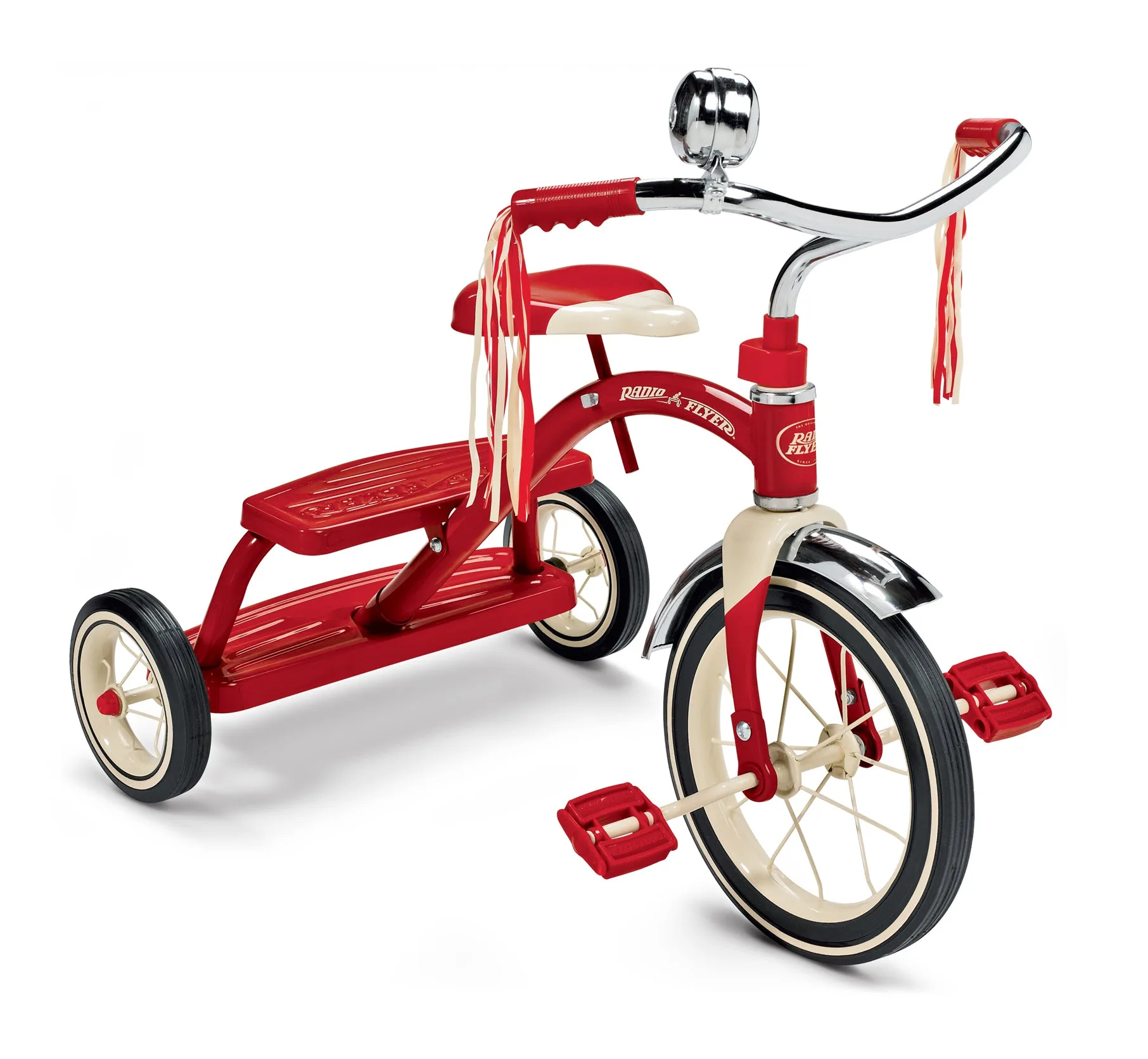
- Classic Red Dual Deck Tricycle: Steel frame, spoked wheels, rubber tires, adjustable seat, controlled turning radius, 12-inch front wheel. A steel frame with standard 12-inch wheels is the easiest platform to maintain and customize over time, and the adjustable seat extends how long it fits your child.
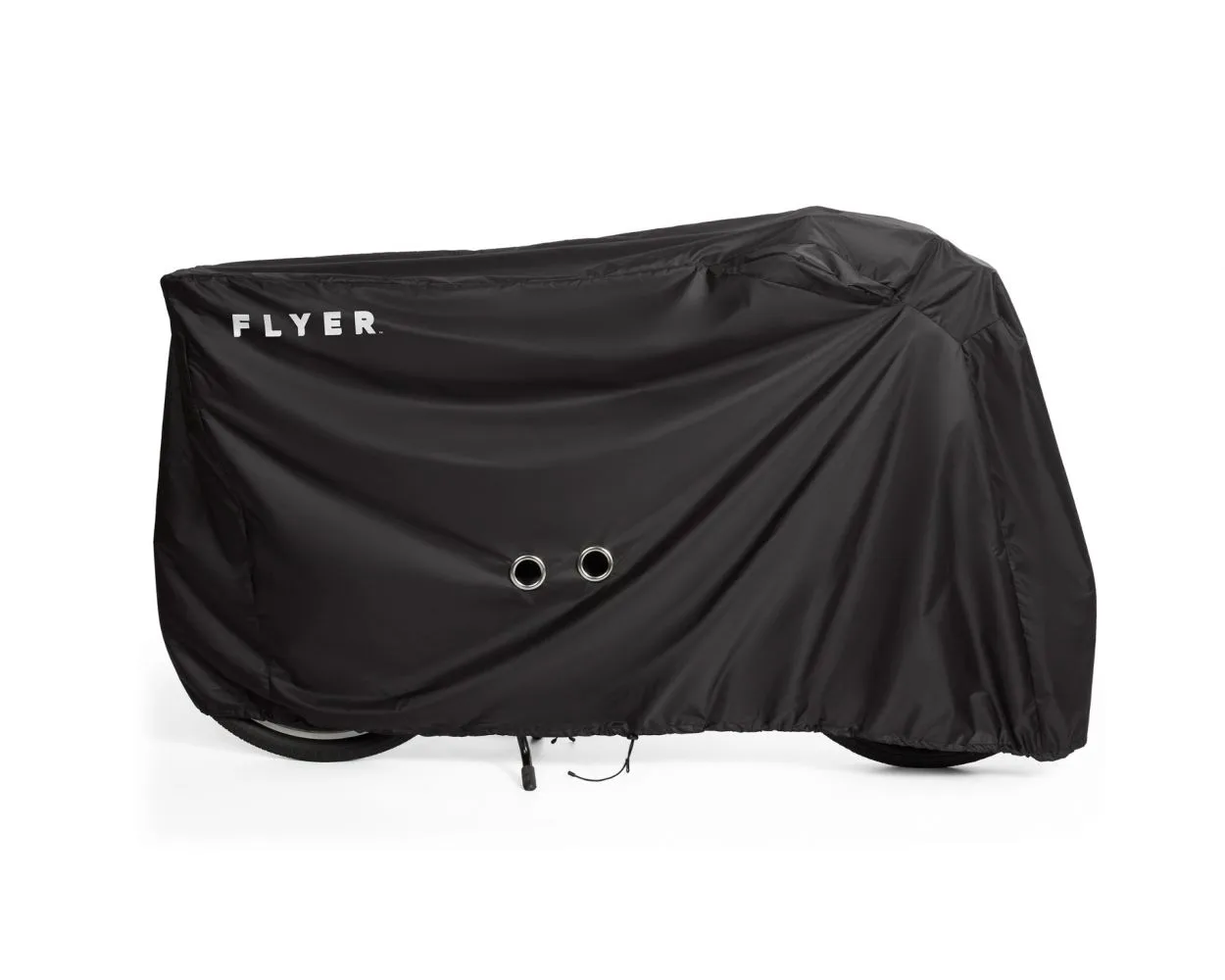
- Waterproof Bike Cover-Flyer M880, Folding Cargo, and Cruisers: Adjustable elastic drawstring, waterproof ripstop, UV protection, integrated storage pouch, dual aluminum alloy lock holes. Protects the components you already own from water and UV damage, and the lock holes let you secure the bike without removing the cover.
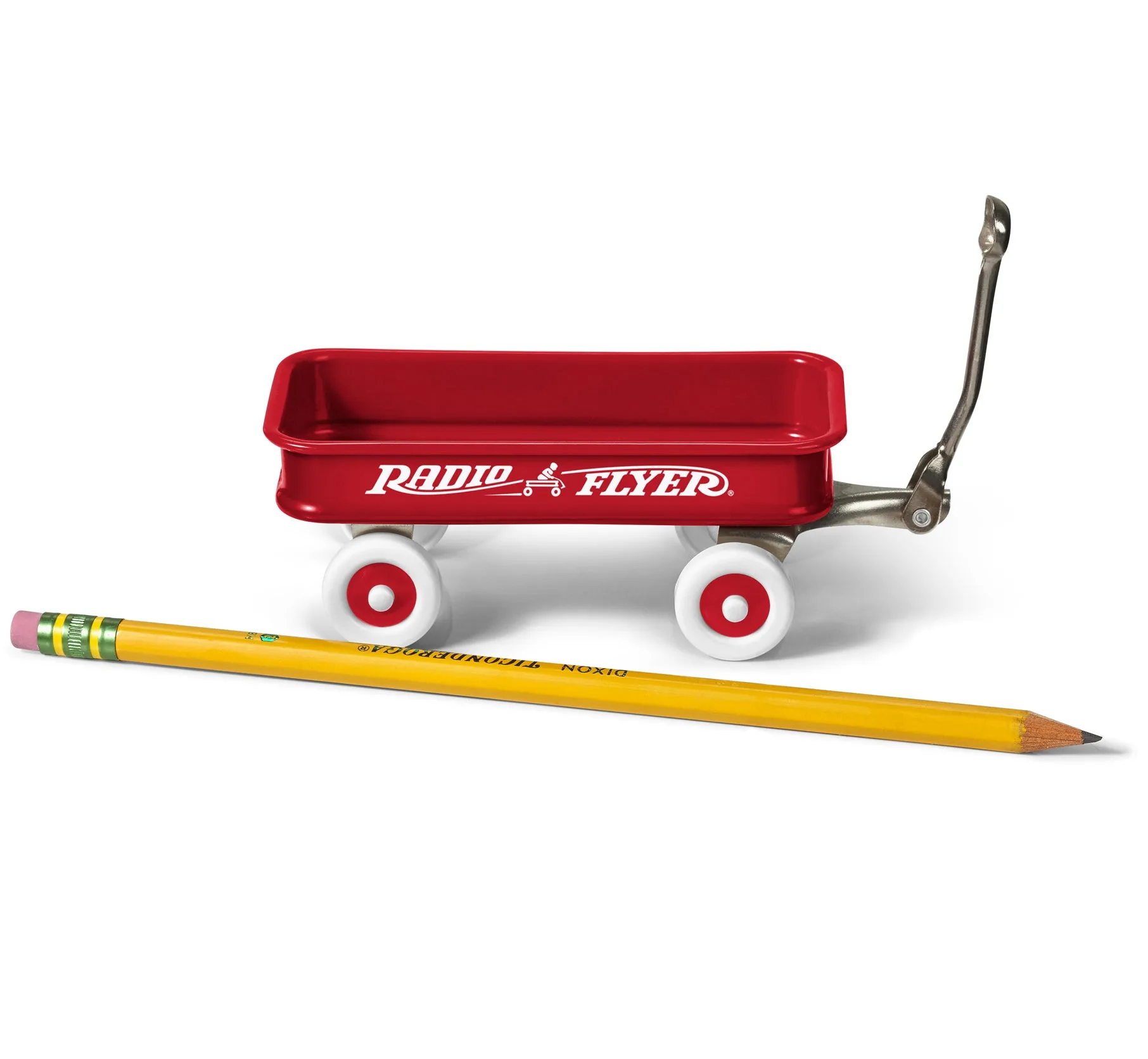
- Single Miniature Classic Wagon: Miniature version of the original wagon with rotating handle and durable rolling wheels, sized for small items like coins and business cards. A low-cost way to test whether a child engages with a wagon before investing in a full-size build, and it doubles as desk or gift decor.
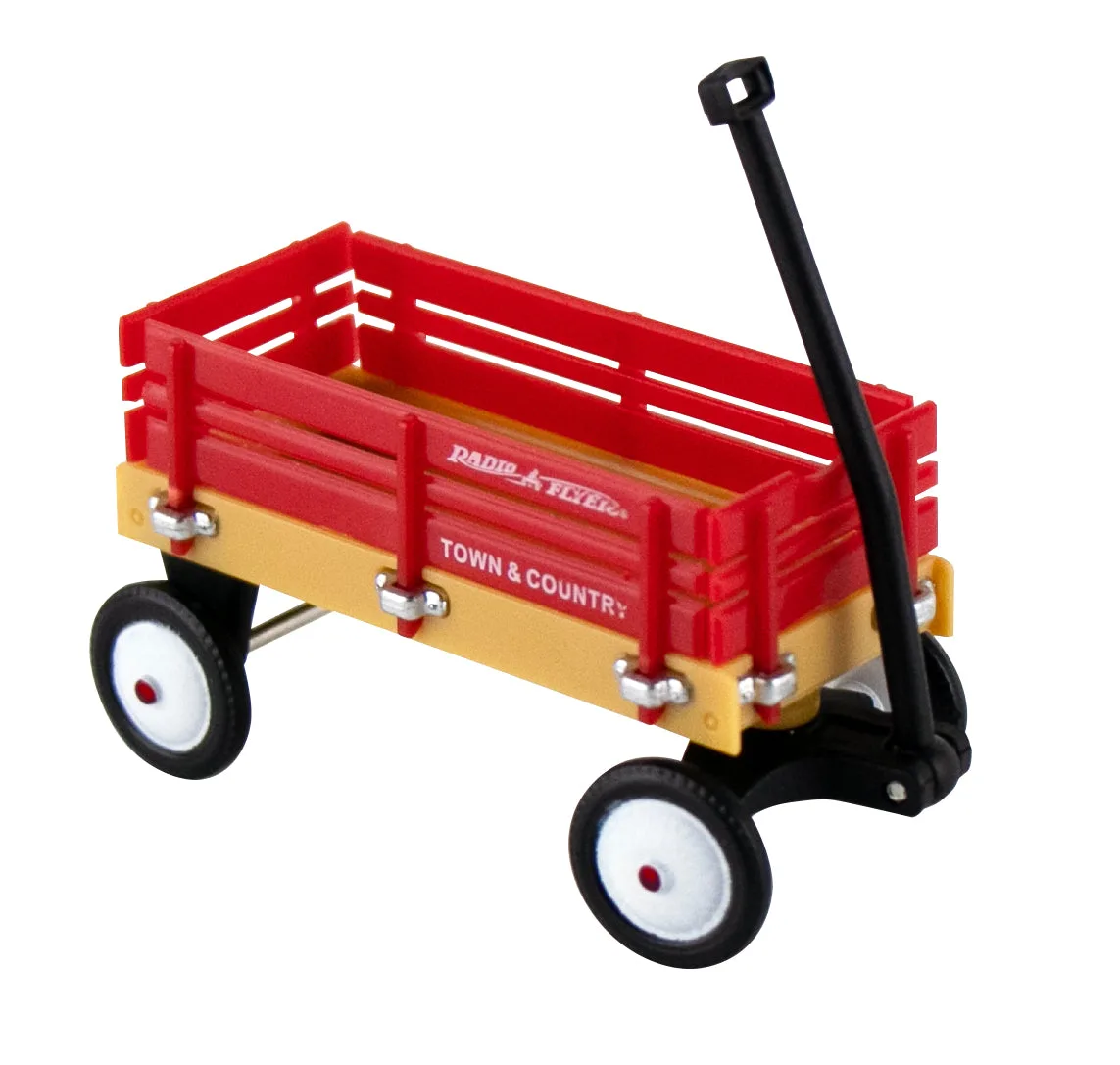
- World's Smallest Town & Country Wagon: Miniature Town & Country Wagon produced by Super Impulse, intended for collectors, desk decor, or small-scale play. Useful as a display or gift item, but it is not a ride-on component and should not be treated as a source of replacement parts.
Who this approach fits
Best for
- Families maintaining a steel-frame wagon or tricycle they already own
- Buyers who want to extend the life of a ride-on toy instead of replacing it
- Shoppers comparing component options before committing to a full build
Not for
- Owners of plastic, press-fit ride-ons with no replaceable parts
- Buyers expecting a single universal part to fit every model
- Anyone treating miniature collectible wagons as a source of ride-on components