Quick answer
Buy the 25 lb bag only if you bake rye at least twice a month, can freeze or cool-store most of it, and will finish it within about four to six months. If you bake rye occasionally or have limited freezer space, a smaller retail bag is the smarter buy. The bulk bag wins on value per pound; it loses if flour goes stale before you use it.
The real math behind a 25 lb bag
A 25 lb bag is roughly 100 cups of rye flour, depending on how you scoop and sift. A standard 1.5 lb loaf of mostly rye bread uses about 3 to 4 cups, so the bag supports around 25 to 30 loaves. If you bake one rye loaf a week, that is about six months of baking. If you bake two loaves a week, you are looking at roughly three months, which is a comfortable window for whole grain flour stored well.
The value case is straightforward: bulk rye flour 25 lb costs less per pound than small retail bags, and freshly milled whole grain rye brings flavor and freshness you cannot get from a bag that has sat on a shelf. The catch is that whole grain rye contains the bran and germ, so it goes stale faster than white flour. Your buying decision is really a storage decision.
How to tell if you are a bulk buyer
Run this quick self-check before you commit. Count your rye bakes in a typical month, measure your freezer space, and confirm you have airtight containers that hold several pounds at a time. If two of those three answers are strong, the bulk bag is likely a good fit.
Also consider your baking style. Rye is heavy and absorbs more water than wheat, so it shines in dense loaves, crackers, and quick breads rather than light sandwich bread. If your rotation is mostly rye, bulk makes sense. If rye is a flavor accent in a mostly wheat kitchen, a smaller bag will stay fresher.
- You bake rye at least twice a month.
- You can freeze 10 to 15 lb and keep the rest in a cool, dark, airtight container.
- You will finish the bag within four to six months.
- You already know how you will use the last few pounds, such as crackers or a weekly loaf.
Storage rules that protect your investment
Whole grain rye flour keeps best cold. Split the bag on day one: keep about a month's worth in a sealed jar in a cool cupboard and freeze the rest in heavy freezer bags or airtight containers. Label each portion with the date so you rotate oldest first.
Bring frozen flour to room temperature before baking, and stir it before measuring because whole grain flour settles. If you notice a dull, dusty smell or a bitter edge, the flour has turned and should not go into a bake you care about. Buying in bulk only saves money when you actually use what you store.
Decision rules for buying rye flour in bulk
- Bake frequency: Buy the 25 lb bag if you bake rye at least twice a month. Choose a smaller retail bag if rye appears in your kitchen only a few times a year. Frequency is the single strongest predictor of whether bulk pays off.
- Freezer capacity: Plan to freeze most of the bag. If you cannot spare roughly a gallon-sized container plus a few bags of space, bulk rye will likely stale before you finish it. No freezer space means a smaller bag is the better value, even at a higher price per pound.
- Timeline to finish: Aim to use the bag within four to six months of milling. Whole grain rye contains bran and germ, so it does not keep like white flour. Write the purchase date on the bag and check it before each bake.
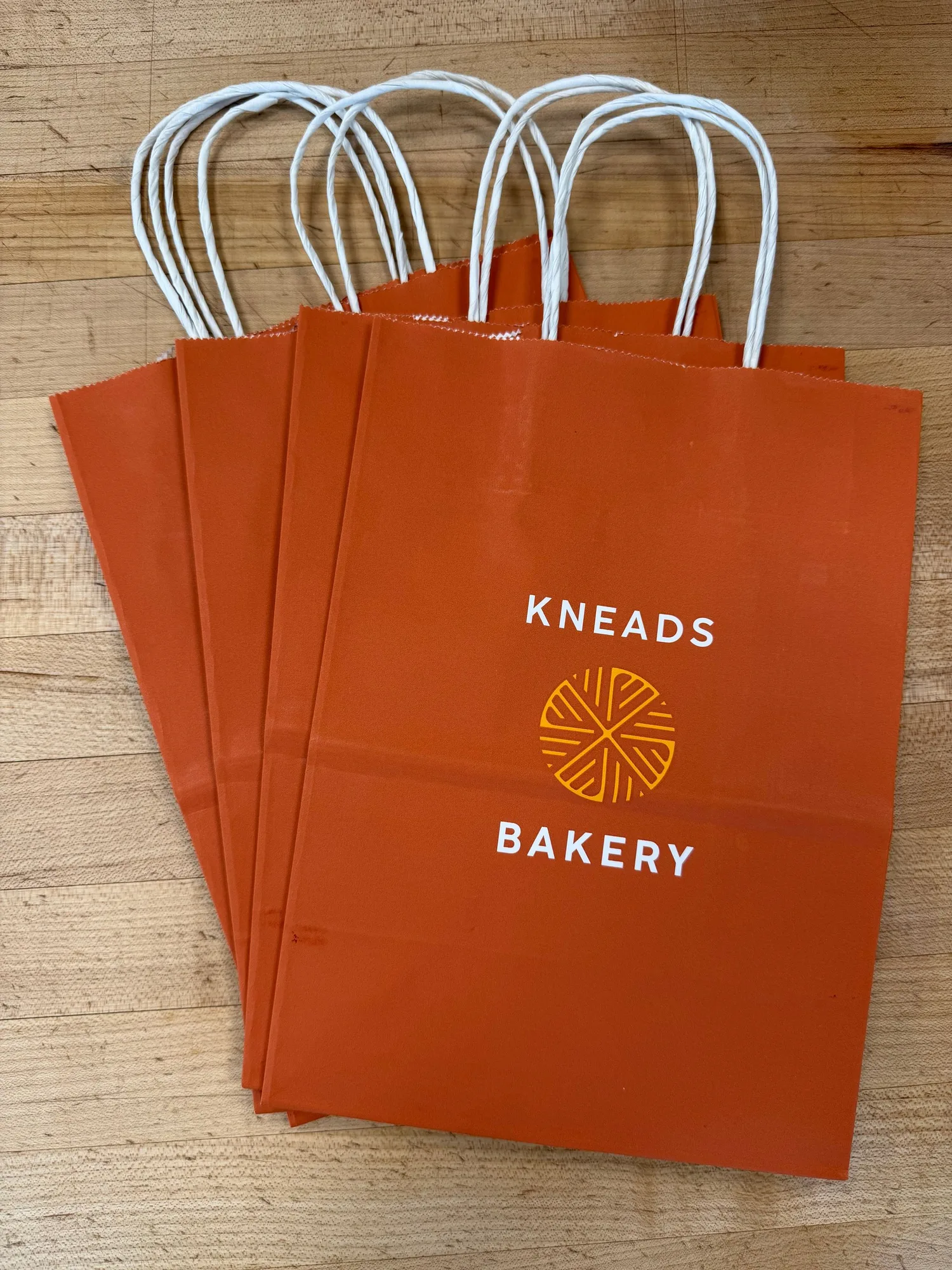
- Packaging plans: If you sell or gift rye bakes, pair the flour purchase with appropriate packaging such as handled bags or pastry boxes so your product reaches customers in good shape. Buy packaging in the same planning session as the flour so you are not caught short mid-season.
Product facts
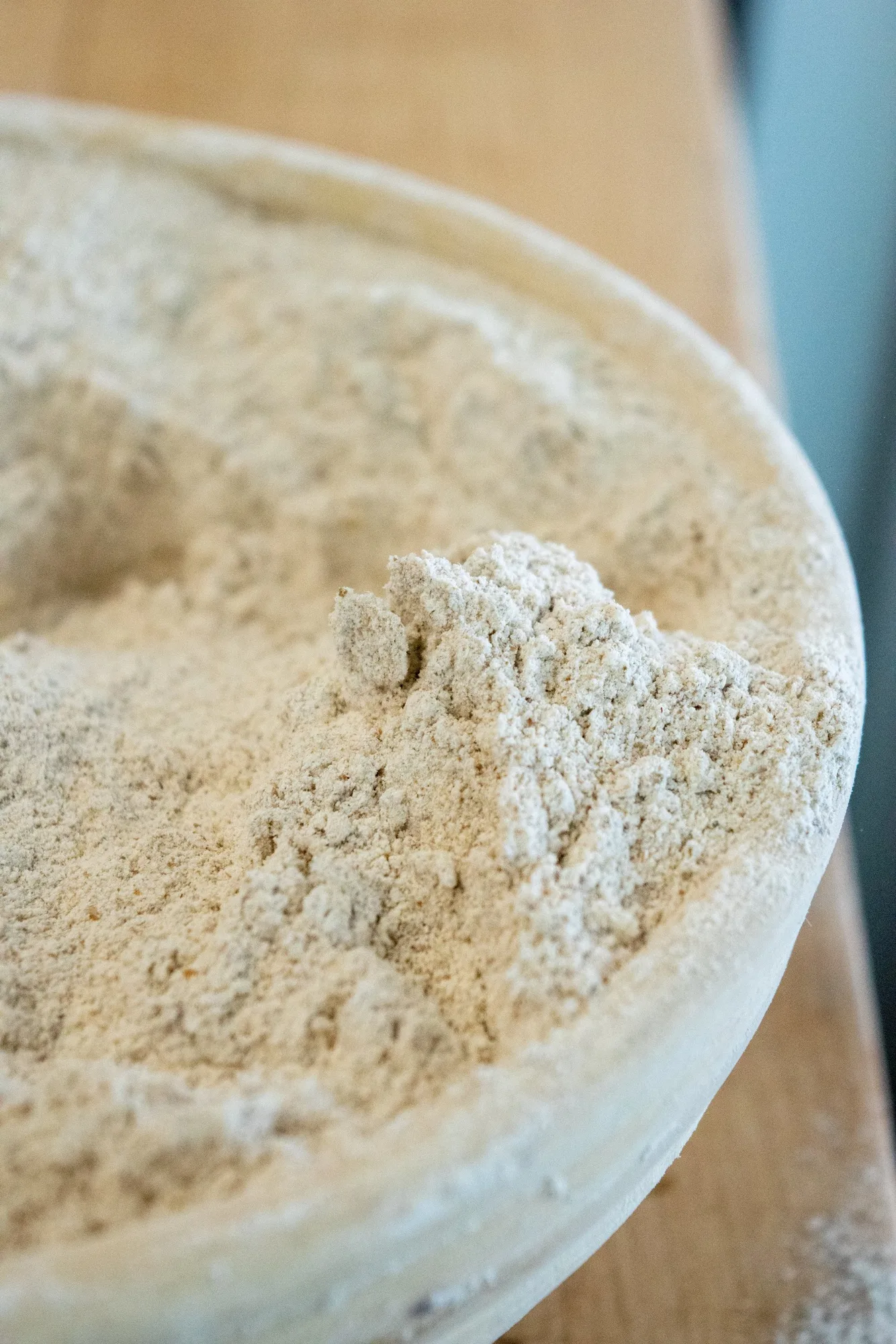
- Bulk Whole Grain Rye Flour 25#: Bulk Whole Grain Rye Flour 25# is freshly milled whole grain flour produced using the in-store New American Stone Mill. Freshly milled whole grain rye carries more flavor and aroma than shelf-stable retail flour, which is the main reason to buy this format rather than a small bag.
- Handle Bags Small: Handle Bags Small are sold by the case with listed dimensions of 8" x 4.75" x 10.25" and are marked wholesale-only under commissary packaging. If you bake rye bread or crackers to sell or share, these handled bags give you a compact packaging option sized for small loaves and bundles.
Who should buy the 25 lb bag
Best for
- Home bakers who make rye bread, crackers, or quick breads at least twice a month
- Small bakery or café operations that go through rye steadily and can store it cold
- Bakers who value freshly milled whole grain flavor and want a lower cost per pound
Not for
- Occasional bakers who make one rye recipe a year
- Anyone without freezer or cool, dark storage space for most of the bag
- Bakers who mainly use wheat flour and keep rye as a minor accent