Quick answer
Matcha carries more caffeine per brewed cup than yerba mate, and yerba mate sits well above most decaf teas. Decaf tea still holds a small residual amount, while caffeine-free herbal tea contains none. If you want a caffeine-free cup for evening or daily wellness, choose an herbal blend such as Organic Decaf Joint Health or Organic Ashwagandha Root.
How much caffeine is in matcha compared with yerba mate?
Matcha is made from powdered green tea leaves, so you consume the whole leaf and get more caffeine per serving than from steeped tea leaves. Yerba mate is a holly plant brewed as a loose leaf tea and also supplies caffeine, but the amount depends heavily on how much leaf you use and how long you steep it. For a practical comparison, treat matcha as the stronger option per typical cup and yerba mate as a moderate source. Neither is a decaf drink, so if you are avoiding caffeine entirely, look for herbal options instead.
Does organic decaf tea still contain caffeine?
Yes, decaffeinated tea usually retains a small amount of caffeine because the decaffeination process removes most but not all of it. The exact residual level varies by leaf and method, and the product label is the best place to check. Organic Decaf Joint Health is described as a decaffeinated herbal blend, so it is not completely caffeine-free. If you need zero caffeine, choose a product explicitly labeled caffeine-free, such as Organic Horsetail or Organic Ashwagandha Root.
What is the difference between decaf tea and caffeine-free herbal tea?
Decaf tea starts as a caffeine-containing tea leaf and goes through a decaffeination step, which leaves a small residue. Caffeine-free herbal tea is made from plants that never contained caffeine in the first place, so no removal process is needed. That distinction matters if you are sensitive to caffeine or planning a cup close to bedtime. Check the ingredient list: a blend that includes green tea, even decaffeinated, is not the same as a pure herbal infusion.
How do I choose a decaf or caffeine-free tea for daily use?
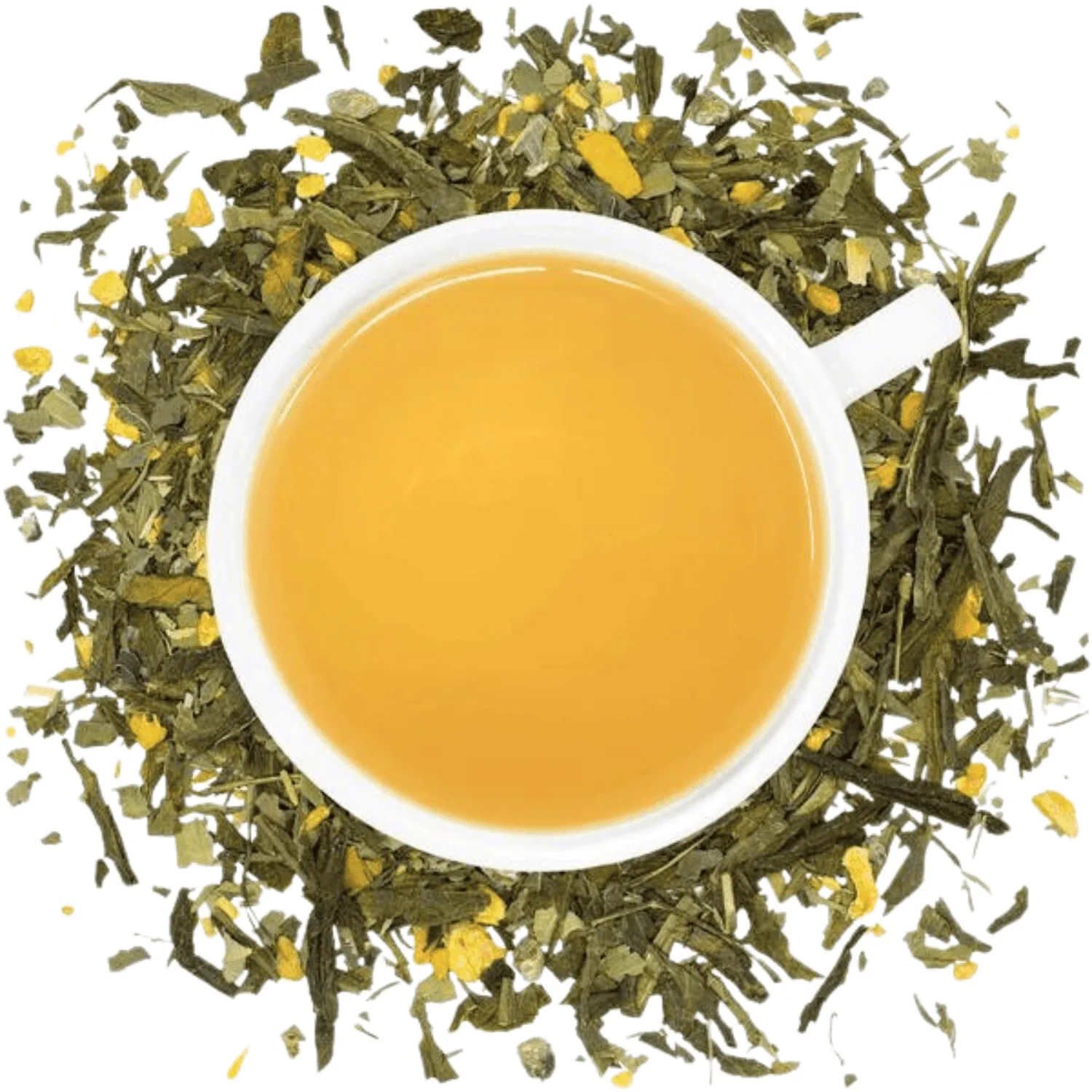
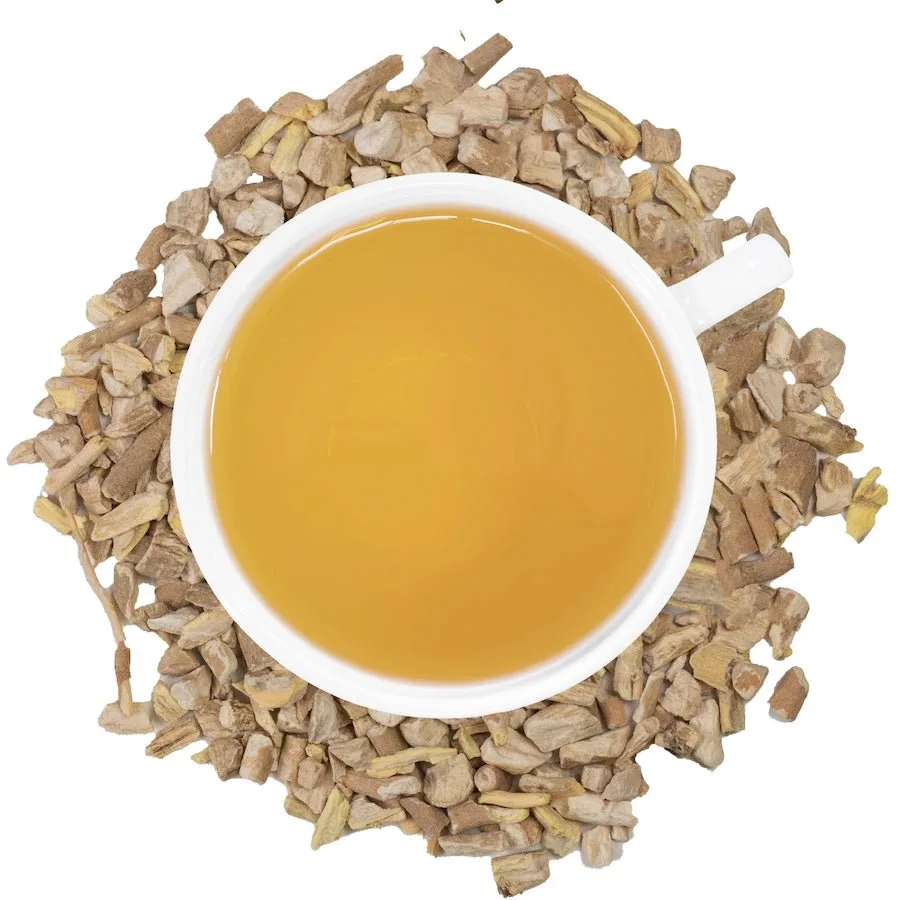
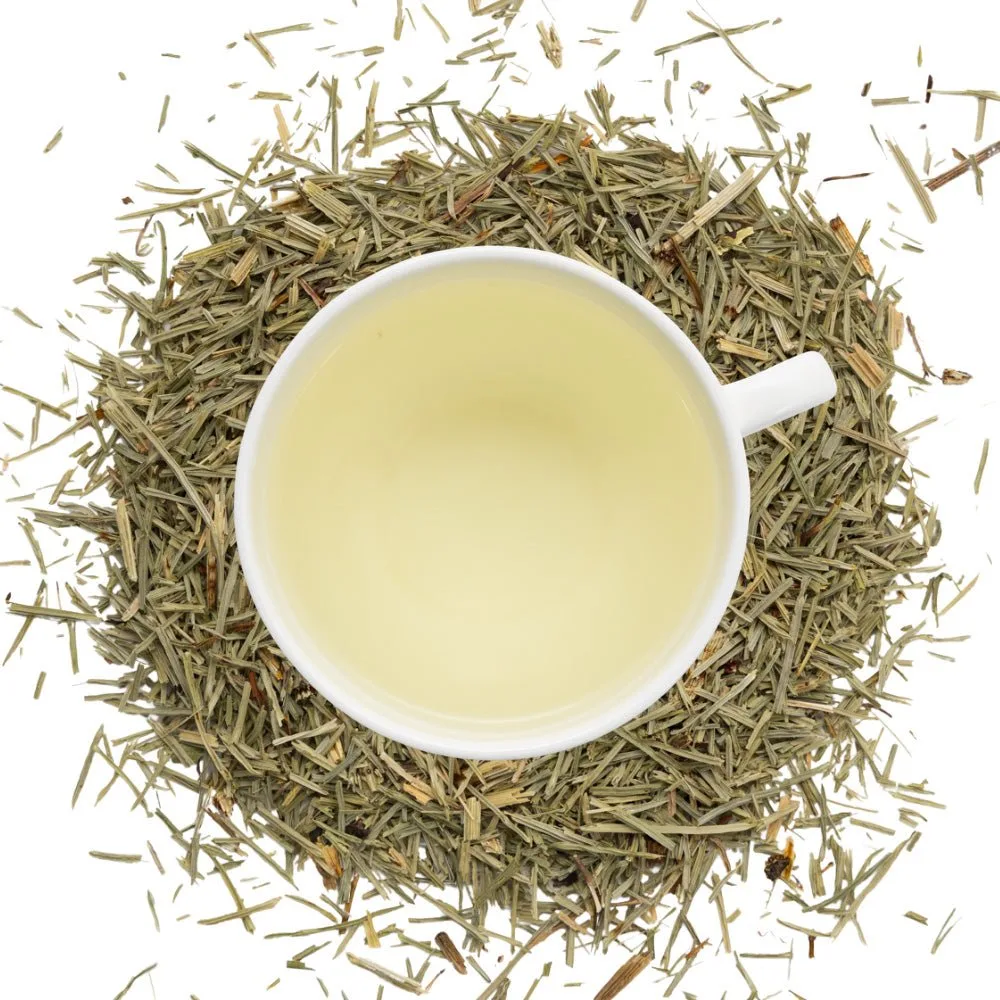
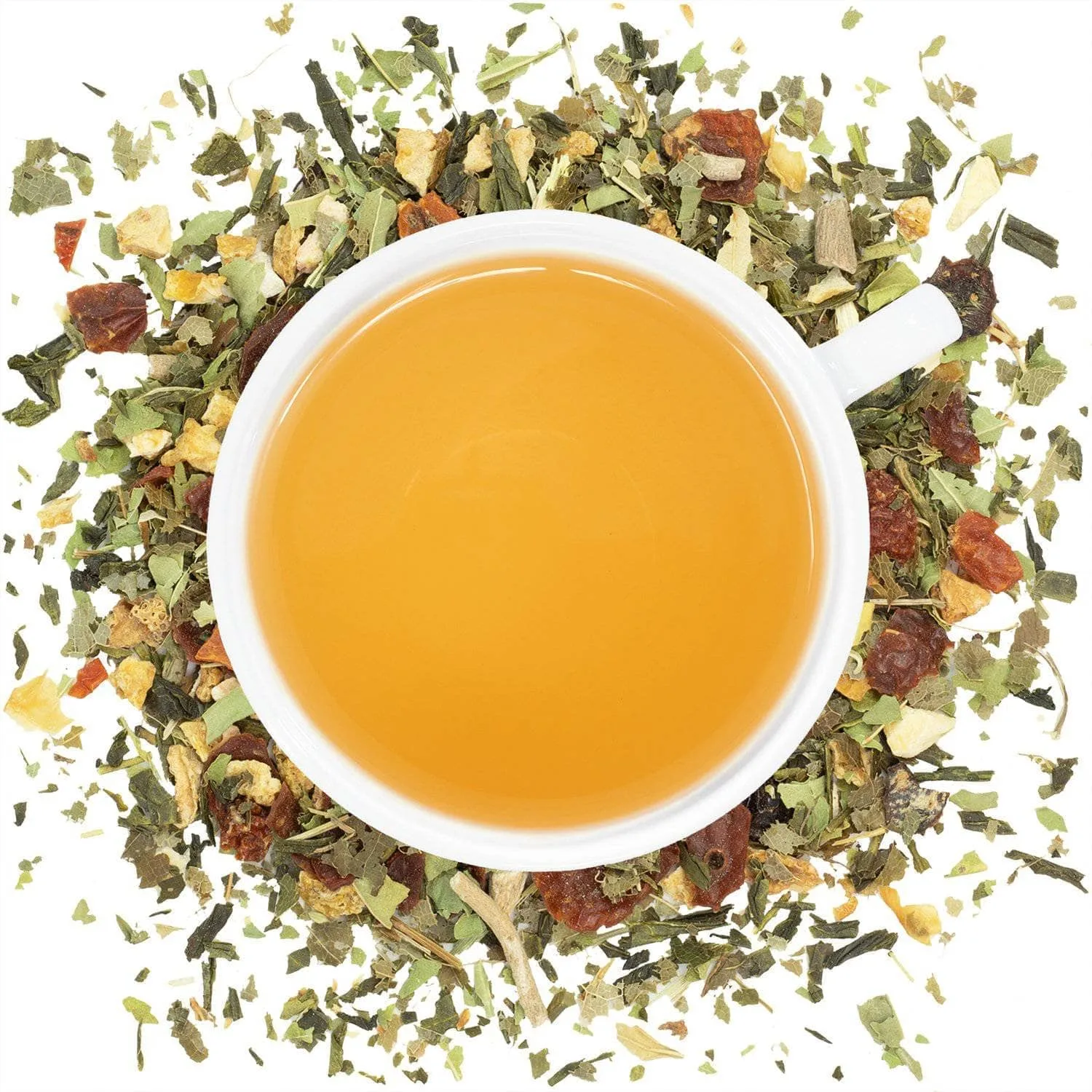
Start with your caffeine limit and the time of day you plan to drink. For a morning cup with some caffeine, matcha or yerba mate can work. For an afternoon or evening routine, a caffeine-free herbal tea is the safer choice. Organic Decaf Joint Health combines decaffeinated green tea with ingredients like devil's claw, ginger, and lemon verbena, giving a citrus-flavored cup that fits a health-conscious lifestyle. If you prefer an earthy, grassy flavor with no caffeine at all, Organic Horsetail is a straightforward herbal option. For an adaptogenic ingredient with an earthy flavor, Organic Ashwagandha Root is another caffeine-free choice.
Caffeine questions answered
Which has more caffeine, matcha or yerba mate?
Matcha generally delivers more caffeine per cup because you consume the powdered leaf, while yerba mate provides a moderate amount that varies with leaf quantity and steep time. Choose matcha for a stronger lift, yerba mate for a gentler one.
Is organic decaf tea completely caffeine-free?
No. Decaffeination removes most caffeine but typically leaves a small residue. Check the label for the exact claim. If you need zero caffeine, pick a caffeine-free herbal tea instead.
What is a good caffeine-free tea for evening?
Organic Horsetail and Organic Ashwagandha Root are both caffeine-free herbal options with earthy flavors. Brew either in the evening without worrying about caffeine keeping you up.
Product facts
- Organic Decaf Joint Health: Organic Decaf Joint Health is a decaffeinated herbal blend with a bright citrus flavor profile, featuring green tea, devil's claw, ginger, and lemon verbena. It offers a lower-caffeine option with a pleasant citrus taste, but because it contains decaffeinated green tea, it is not completely caffeine-free.
- Organic Horsetail: Organic Horsetail is 100% organic horsetail herb in loose leaf format, caffeine-free and herbal. It provides a naturally earthy and grassy cup with no caffeine, making it suitable for any time of day.
- Organic Ashwagandha Root: Organic Ashwagandha Root is an adaptogenic ingredient with an earthy flavor and no caffeine. It is a caffeine-free herbal option for those looking to avoid caffeine while incorporating an adaptogen into their routine.