Quick Answer
To help your dog relax, combine physical exercise with structured mental stimulation and consistent calm communication, as taught in practical training guides like Calm Down Rover!
Why Mental Exercise Matters for a Hyper Dog
Many owners focus only on physical activity, but an under-stimulated mind can keep a dog in a constant state of arousal. Mental challenges—such as training exercises, puzzle toys, or nose work—tire a dog more effectively than a long run and teach them to shift gears into a calm state.
Common Mistakes When Trying to Calm a Dog
A frequent error is rewarding the excitable behavior by giving attention (even scolding) when the dog is bouncing off the walls. Another is skipping the cool-down after exercise—a dog that stops running abruptly may stay wired. Instead, end play with a short calming routine like a sit-stay or a chew session.
Step-by-Step Calm-Down Routine for Dogs
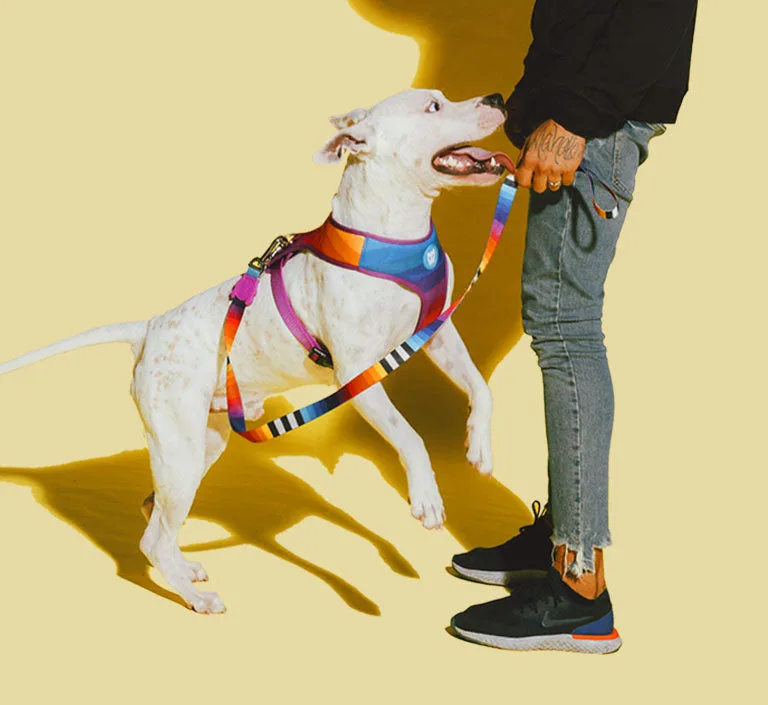
- Step 1: Start with a Controlled Walk: Take your dog on a 15- to 20-minute loose-leash walk, asking for a 'heel' or 'watch me' periodically. This combines physical exercise with mental focus. Common mistake: allowing pulling or lunging, which reinforces excitement. Use a front-clip harness if pulling is an issue.
- Step 2: Introduce a Calm Sit or Down Stay: After the walk, ask your dog for a sit or down stay on a mat or bed. Reward calm posture (not just the position) with quiet praise or a treat. Start with 30 seconds and gradually increase. Common mistake: using an excited tone or high-value treats that rev up the dog. If your dog breaks the stay, reset calmly without scolding.
- Step 3: Add a Mental Enrichment Activity: Give your dog a problem to solve—such as a stuffed Kong, a snuffle mat, or a short training session of new cues. Mental work reduces arousal faster than more running. Common mistake: leaving the activity out when the dog loses interest, which can cue frustration. Always supervise enrichment items to prevent swallowing parts.
- Step 4: Enforce a Quiet Time Out: Guide your dog to a designated calm zone (crate or bed) with a chew or LickiMat. Stay nearby but ignore attention-seeking. This teaches the dog to self-settle. Common mistake: using the crate as punishment, making it aversive. Pair the space with positive things—treats, chews, soft bedding.
Helpful Resource
-
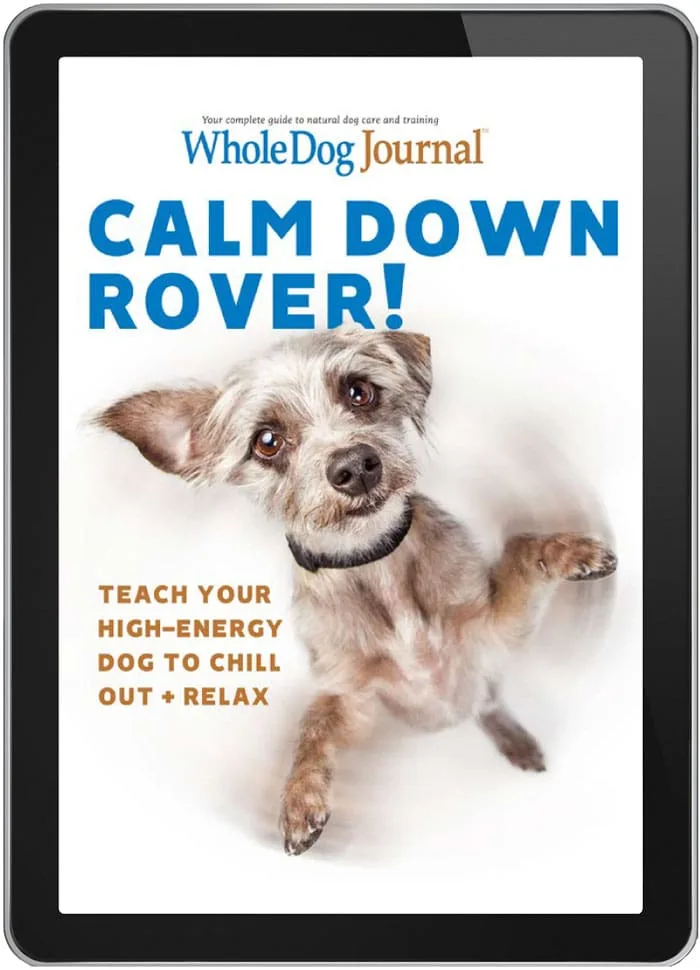
Calm Down Rover!: Calm Down Rover! is packed with step-by-step training exercises and communication techniques you can use to help your dog be the best dog he can be! It gives you a structured approach to teach your high-energy dog how to relax, covering both physical and mental exercise.
Calm Down Rover!