Quick answer
Buy aluminium if your priority is stability per pound spent and you mostly shoot near the car or studio. Buy carbon fibre if you carry the tripod for hours, hike with it, or shoot long lenses where vibration damping matters. In both cases, the headline number to check first is load capacity, not material.
What actually changes between aluminium and carbon fibre
Aluminium legs are denser, so a comparable tripod weighs more. That extra mass can help in wind because the tripod resists tipping and micro-movement. Carbon fibre legs are lighter for the same stiffness, and the material absorbs high-frequency vibration faster, which shows up as fewer blurred frames when you shoot with long lenses or in breezy conditions. Carbon also feels less cold to touch in winter and does not dent as easily, but it costs significantly more and can crack under a sharp impact rather than bend.
Read load capacity before you read material
Load capacity is the maximum weight the head and legs are rated to support. Your camera plus lens plus any cage, microphone or flash must sit comfortably under that figure. A common mistake is buying a lightweight travel tripod with a low rating and then mounting a heavy telephoto zoom. If your total rig is close to the limit, the tripod will feel flexy and the head may slip, no matter how good the material is. As a working rule, aim for a capacity at least double your heaviest camera-and-lens combination.
Weight, packed length and travel reality
Carbon fibre usually wins on weight, but check packed length and folded diameter too. A carbon tripod that folds to 40 cm fits in a daypack; an aluminium one that folds to 60 cm may end up left at home. If you shoot mirrorless and walk all day, the best tripod material for mirrorless is often carbon simply because you will actually carry it. If your tripod lives in a studio or you shoot from a car, aluminium's extra mass is an advantage, not a problem.
Vibration, wind and long-lens shooting
Vibration shows up most with long focal lengths and slow shutter speeds. Carbon fibre damps it better, but you can also improve an aluminium tripod by hanging a bag from the centre hook, avoiding fully extended centre columns, and using a remote release or self-timer. If you regularly shoot at 200mm equivalent or longer, carbon fibre plus a solid head is the more forgiving combination. If you shoot wide to normal focal lengths, aluminium is usually stable enough and leaves more budget for a better head.
Heads, feet and spares matter as much as legs
A tripod is a system: legs, head, plate and feet. A cheap head on expensive carbon legs will frustrate you more than a good head on aluminium legs. Check that the head's own load rating matches the legs, that the quick-release plate is compatible with your camera or cage, and that rubber feet can be swapped for spikes on soft ground. Also confirm whether the centre column can be reversed or removed, because that affects low-angle work. These details are often missing from short listings, so verify them before buying rather than assuming.
Decision rules for choosing tripod material
- If you carry it more than an hour: Choose carbon fibre. The weight saving is the difference between taking the tripod and leaving it behind. Weigh your packed bag with and without the tripod before deciding.
- If you shoot from a car or studio: Choose aluminium. The lower price and extra mass help stability, and weight matters less when you are not carrying it far. Put the savings into a better ball head or a spare plate.
- If you use long lenses: Prioritise load capacity and vibration damping. Carbon fibre helps, but a higher-rated aluminium tripod with a hanging weight can also work. Aim for a load rating at least double your heaviest camera-and-lens rig.
- If your budget is tight: Buy aluminium legs and a good head rather than cheap carbon legs and a weak head. The head affects framing and slippage more day to day. Check head load rating separately from leg load rating.
Camix products that suit different tripod setups
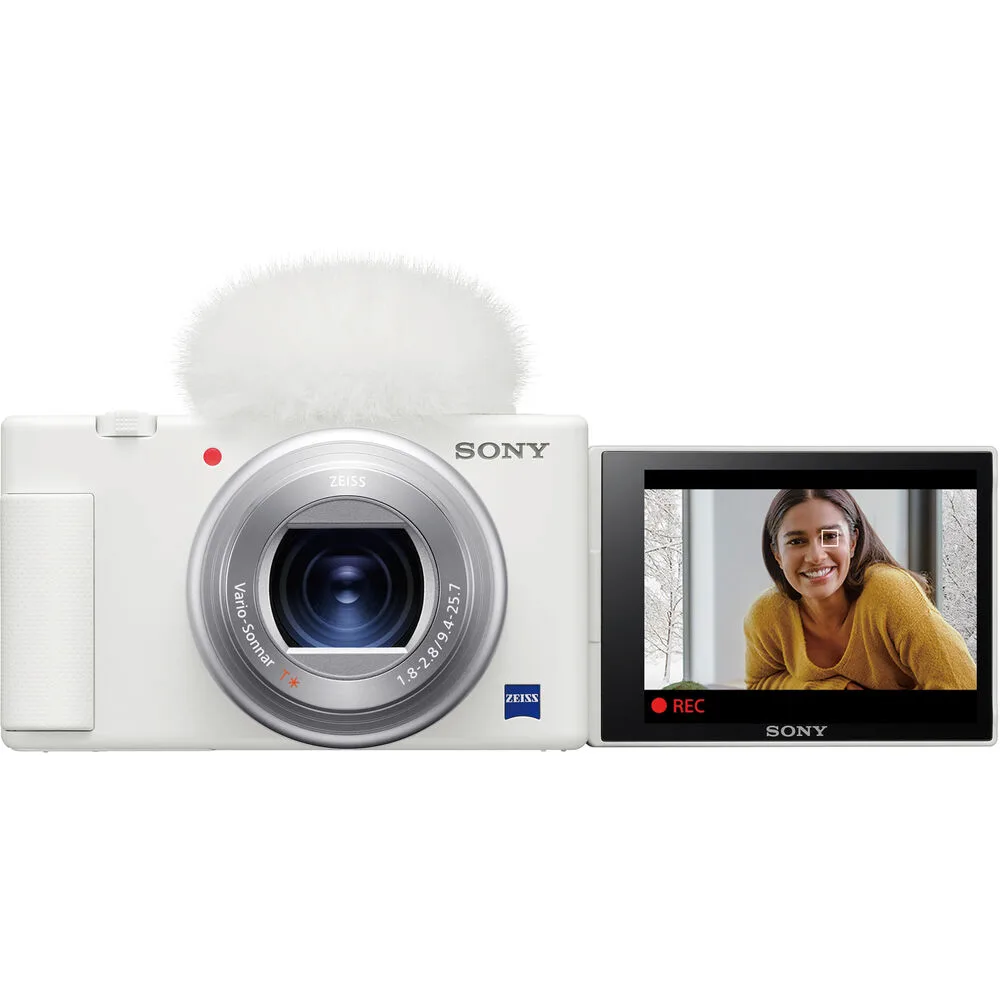
- Sony ZV-1 Vlogging Camera White: Sony ZV-1 Vlogging Camera White, in stock, 1 year warranty, free UK delivery, brand new stock. A compact vlogging camera like this is light enough for a travel aluminium tripod, so you can save money on legs and spend it on a smooth head.
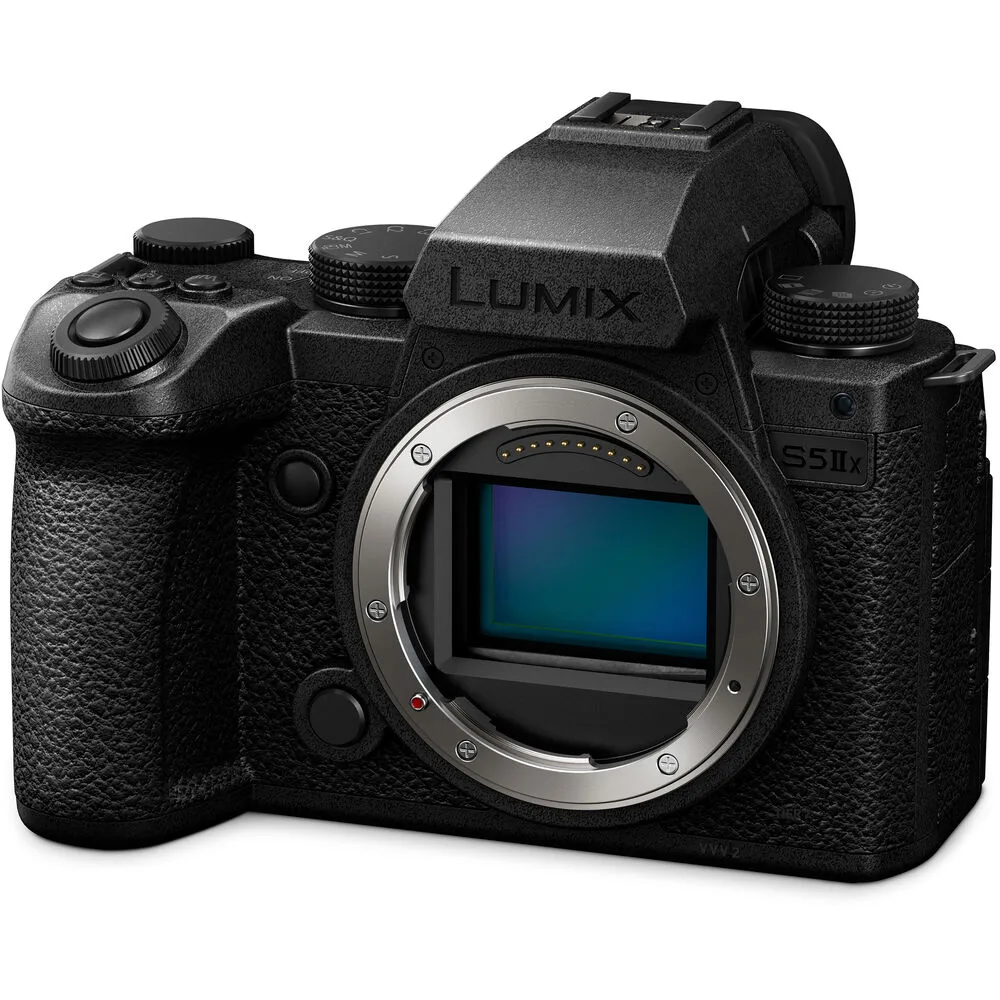
- Panasonic S5 II X Camera Body: Panasonic S5 II X Camera Body, in stock, 1 year warranty, free UK delivery, brand new stock. A full-frame body plus a fast lens pushes total rig weight up, so check tripod load capacity carefully before choosing a lightweight carbon or aluminium model.
Who should buy which material
Best for
- Travellers and hikers who carry a tripod all day
- Long-lens shooters who need vibration damping
- Mirrorless users who want a light kit that actually gets used
Not for
- Studio or car-based shooters who want maximum stability per pound spent
- Buyers on a tight budget who still need a reliable head
- Anyone who regularly works in extreme cold or rough terrain where carbon can crack