Quick Answer
Yes, a lick mat can help calm an anxious dog, but it is not a cure-all. Licking is a natural, soothing behavior that can provide temporary relief, but it does not address the root cause of anxiety. Use it as one tool in a broader calming strategy.
If you have an anxious dog, you have probably seen videos of dogs happily licking a mat smeared with peanut butter and wondered if it really works. Lick mats have become a go-to recommendation for calming dogs, but the truth is more nuanced. While licking does have a calming effect, it is not a magic solution for every anxious pup.
This article separates fact from fiction. We explain what a lick mat actually does, why it can help some dogs, and when it might not be enough. By the end, you will know whether a lick mat deserves a spot in your dog's relaxation toolkit.
What a Lick Mat Actually Does
A lick mat is a textured surface that you spread with a treat like peanut butter, yogurt, or wet food. The dog licks the mat to get the food, which can take several minutes. The repetitive licking action is thought to have a calming effect because it releases endorphins, the brain's feel-good chemicals. This is similar to how grooming or nursing can soothe a dog.
The physical act of licking requires focus, which can distract an anxious dog from a stressor. For example, during a thunderstorm or while you clip nails, a lick mat can redirect your dog's attention. It also encourages slow, rhythmic breathing, which can help lower heart rate. These effects are temporary but can be useful in specific situations.
However, a lick mat is not a sedative. It does not treat separation anxiety, noise phobias, or other deep-seated issues. It is a management tool, not a cure. Think of it as a way to help your dog cope in the moment, not to eliminate anxiety long-term.
- Use a lick mat during known triggers, like grooming or fireworks, to provide a distraction.
- Keep sessions short (10–15 minutes) to avoid overfeeding and overstimulation.
Myth: Lick Mats Work for Every Dog
Not all dogs are food-motivated or enjoy licking. Some dogs may ignore the mat entirely, especially if they are too stressed to eat. Others may get frustrated if the food is too hard to get. It is important to watch your dog's reaction. If they show signs of stress, like pacing or whining, the mat may not be helping.
Also, while licking can be calming, it can also be a sign of stress itself. Dogs sometimes lick excessively when they are anxious. If your dog seems obsessed with the mat or licks even after the food is gone, it may be a sign of underlying anxiety that needs a different approach.
- If your dog refuses the mat, try a different spread or a different activity.
- Consult a veterinarian or behaviorist if anxiety is severe.
How to Use a Lick Mat Effectively
To get the most benefit, introduce the lick mat in a calm environment first. Let your dog explore it without pressure. Once they are comfortable, you can use it during mildly stressful events. For example, give it to your dog when you leave the house or when visitors arrive. The goal is to create a positive association with the mat, not to use it only during high-stress moments.
You can also freeze the mat with the spread on it to make it last longer. This is especially useful for teething puppies or during hot weather. Just be sure to use dog-safe ingredients. Avoid xylitol, chocolate, grapes, and other toxic foods. Always supervise your dog with the mat to prevent chewing or swallowing pieces.
- Rotate spreads to keep your dog interested.
- Clean the mat thoroughly after each use to prevent bacteria.
Verdicts on Common Lick Mat Claims
- Claim: Lick mats calm dogs instantly: Licking does release endorphins, which can promote calmness, but it is not instant. Some dogs need time to settle into the activity. The effect is gradual and depends on the dog's state. Give your dog a few minutes to engage with the mat before expecting results.
- Claim: Lick mats are a cure for separation anxiety: They can distract your dog when you leave, but they do not address the underlying fear. Separation anxiety often requires behavior modification and, in some cases, medication. Use a lick mat as a temporary aid, not a sole treatment.
- Claim: All dogs love lick mats: Not true. Some dogs are not interested in licking or may be too stressed to eat. It is important to know your dog's preferences. If your dog ignores the mat, try other calming tools like puzzle toys or a quiet space.
Related Pupwell Products
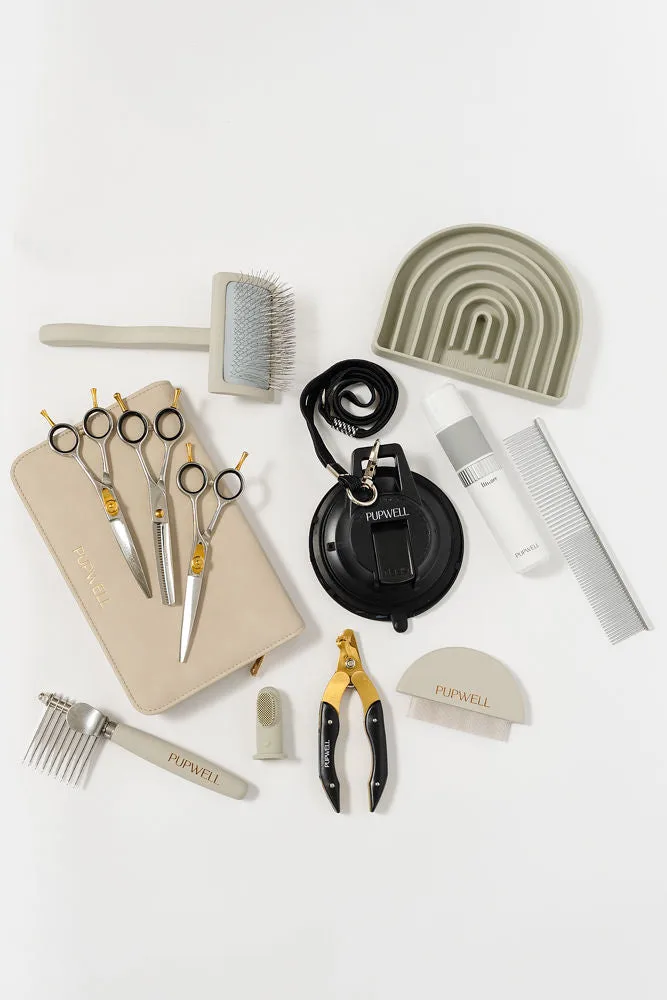
- Ultimate Dog Grooming Kit: Professional grooming tools with education included. If grooming is a trigger for your dog, using a lick mat during grooming can help. This kit includes tools that are designed to be used safely and effectively, reducing stress for both you and your dog.
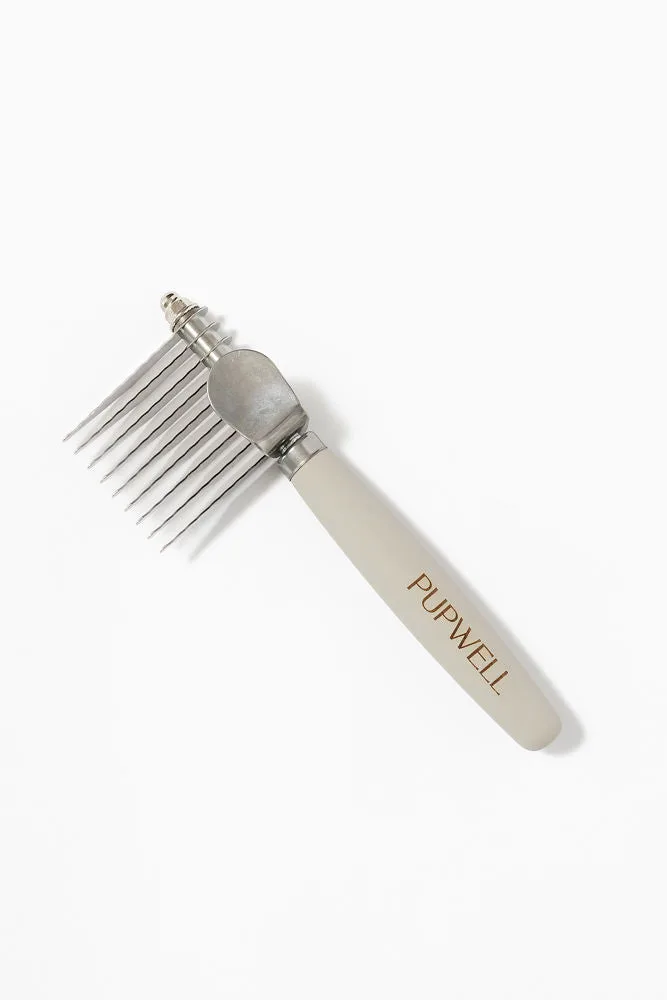
- https://pupwellefd.com/products/the-detangler-wholesale-437d1a9c90477a8b157539b3-794820The Detangler (wholesale): Stainless steel comb for detangling knots and preventing mats. Regular brushing prevents painful mats that can cause anxiety. Pair the Detangler with a lick mat to make grooming sessions more pleasant.
A lick mat can be a helpful addition to your dog's calming toolkit, but it is not a one-size-fits-all solution. Use it for distraction during stressful moments, but also address the root cause of anxiety with training, exercise, and possibly professional help. When used correctly, a lick mat can make a real difference for many dogs.