Quick answer
Cats can eat chicken liver treats, but not every day. Liver is rich in vitamin A and protein, which are beneficial in moderation. Daily feeding can lead to vitamin A toxicity or an unbalanced diet. Stick to a few times per week and keep treats under 10% of daily calories.
Why chicken liver treats aren't for daily feeding
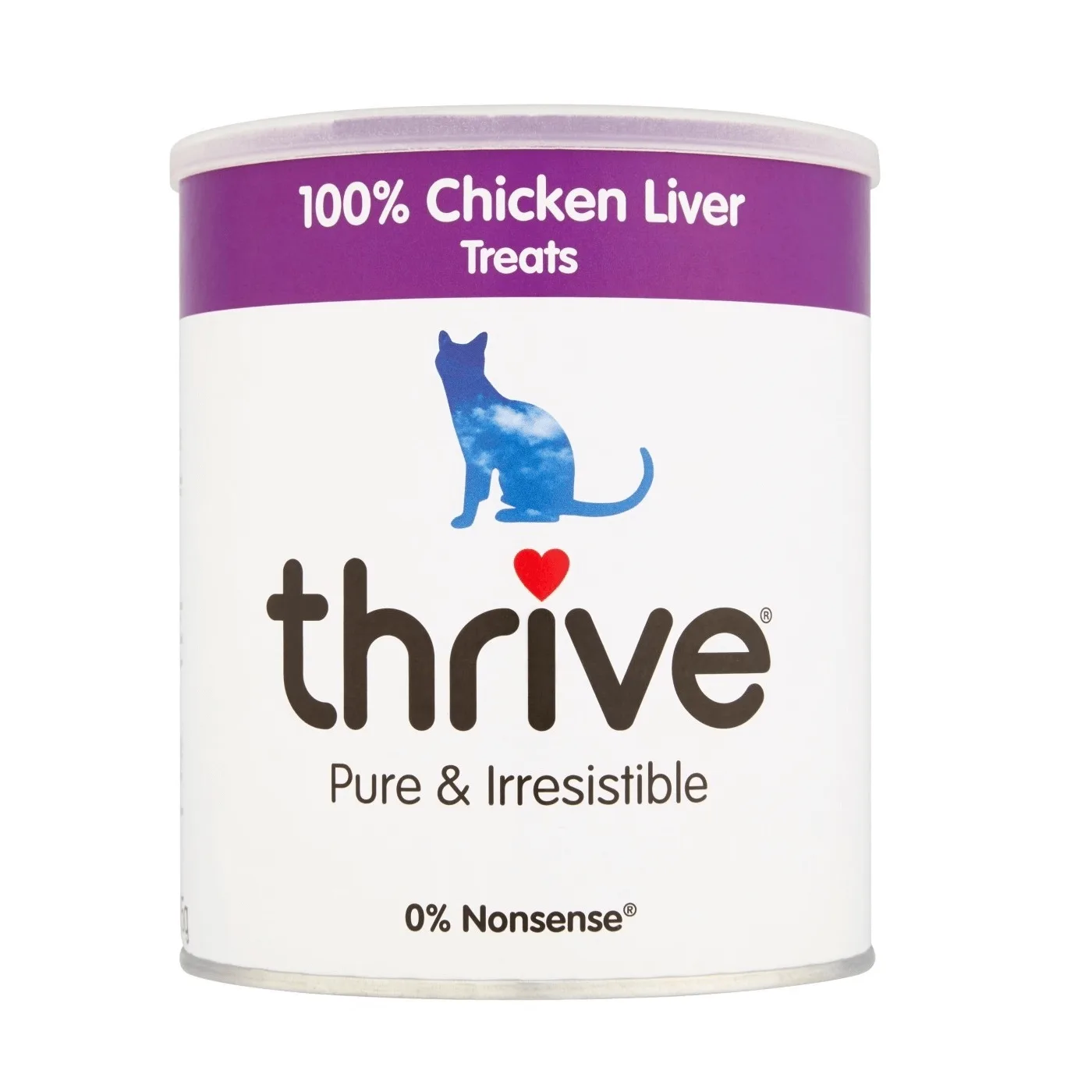
Chicken liver is packed with nutrients like protein and omega fatty acids, which support your cat's health. However, it's also very high in vitamin A. While cats need vitamin A, too much can cause toxicity over time, leading to bone issues or joint pain. That's why even high-quality treats like Thrive Chicken Liver Cat Treats, made with 100% real chicken liver and no artificial additives, should be given sparingly.
The general rule for any cat treat is that it should make up no more than 10% of your cat's daily calorie intake. For a typical adult cat, that might mean just a few small treats per day, and not every day. If you're feeding liver-based treats, consider alternating with other protein sources like white fish to keep the diet varied and balanced.
How to safely incorporate chicken liver treats
Start by offering one or two small pieces of a freeze-dried chicken liver treat, such as those from Thrive, and observe your cat's reaction. Because these treats are freeze-dried to preserve natural flavor and nutrients, they are highly palatable and easy to portion. You can break the larger pieces into smaller bits to control serving size.
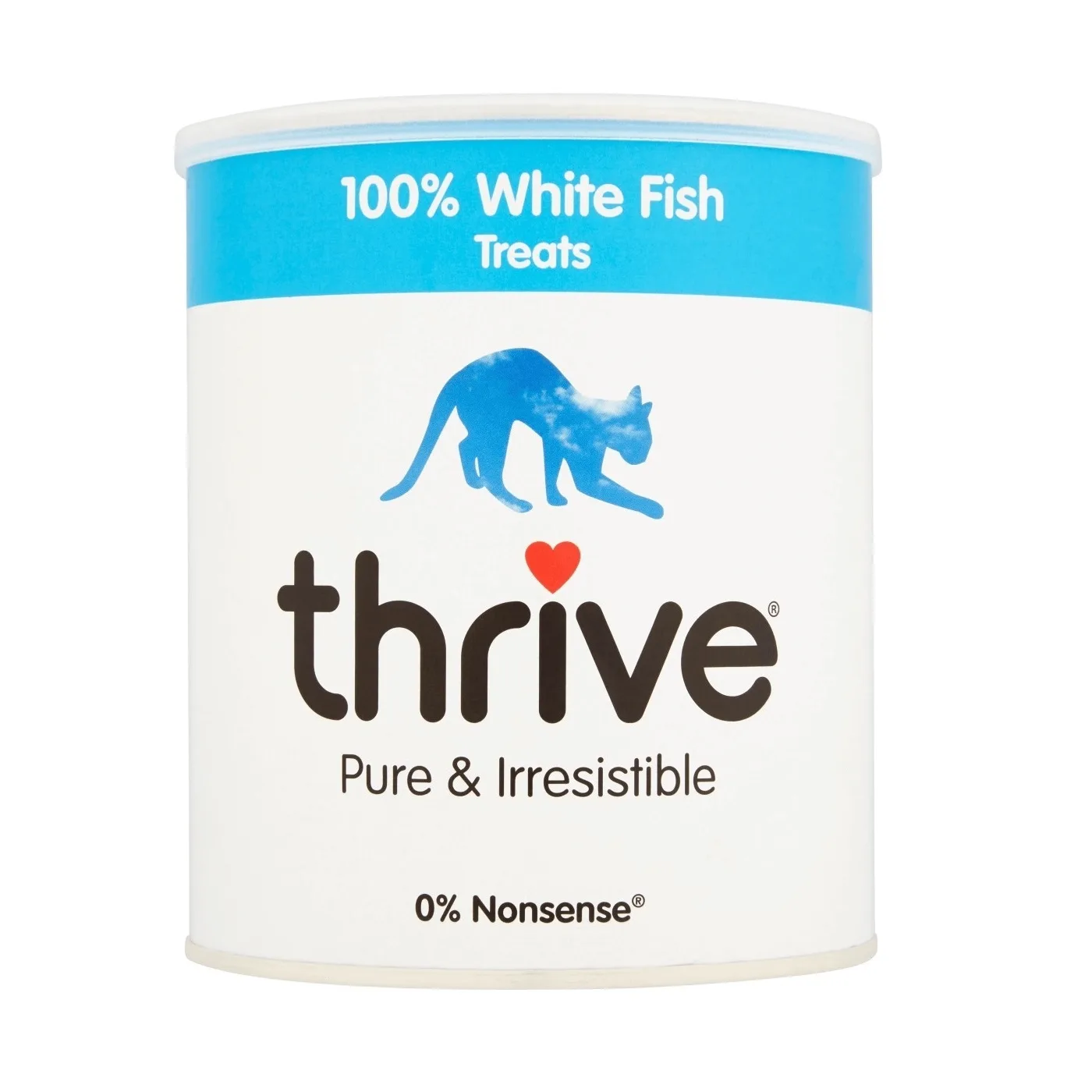
A good schedule is to offer chicken liver treats two to three times per week, not daily. On other days, you might offer a different single-ingredient treat like Thrive White Fish Cat Treats, which provides a crunchy texture that also supports dental health. This rotation reduces the risk of overloading any one nutrient while still giving your cat variety.
Frequently asked questions about cat treat frequency
How many chicken liver treats can I give per day?
For an average 10-pound cat, limit treats to about 10% of daily calories. That's roughly 2-3 small pieces of freeze-dried liver treat per day, but not every day. On treat days, stick to that portion and reduce main meal slightly if needed. A few small pieces a few times per week is a safe target.
What are the signs of too much liver in a cat's diet?
Signs of vitamin A toxicity from overfeeding liver can include lethargy, stiffness, or difficulty jumping. These symptoms develop over weeks or months of daily feeding. If you notice any changes, stop liver treats and consult your vet. Watch for stiffness or lethargy and rotate treat types.
Can I use wet food as a treat instead?
Yes, a complete wet food like Thrive Complete Chicken & Chicken Liver with Vegetables can be a nutritious treat option. It's a balanced meal in broth, so you can offer a small spoonful as a topper or snack. Just account for it in your cat's daily food portion. Wet food treats can add moisture and variety without overloading liver.
Product facts at a glance
- Thrive Chicken Liver Cat Treats Maxi Tube 135g: Thrive Chicken Liver Cat Treats Maxi Tube 135g are made with 100% real chicken liver, rich in essential proteins and omegas, with no artificial colors, flavors, or preservatives. They are freeze-dried to preserve natural nutrients. Because the treats are single-ingredient and free from additives, you can feel confident about the quality when feeding them in moderation. The freeze-drying process locks in nutrition without extra fillers.
- Thrive White Fish Cat Treats Maxi Tube 110g: Thrive White Fish Cat Treats Maxi Tube 110g is made with 100% natural white fish, providing essential vitamins and minerals. Its crunchy texture helps support healthy teeth and gums. White fish treats offer a different protein source and a crunchy texture that can help clean teeth. Rotating with liver treats gives your cat variety and reduces the risk of overfeeding any single nutrient.