Quick answer
Certain herbal teas, especially those with turmeric, ginger, and dandelion root, may help reduce inflammation when used consistently as part of a balanced diet.
How herbal teas may help with inflammation
Many herbal teas contain compounds like curcumin (in turmeric) and polyphenols that can influence inflammatory pathways in the body. While not a replacement for medical treatment, regular consumption may support the body's natural anti-inflammatory response, especially for mild or chronic low-grade inflammation.
Limitations to keep in mind
Herbal teas are not a cure-all. Their effects vary based on individual health conditions, the specific herbs used, and how the tea is prepared. They work best as part of a broader healthy lifestyle, not as a standalone treatment for serious inflammatory conditions.
Frequently asked questions about herbal teas and inflammation
How quickly can I expect results from drinking anti-inflammatory teas?
Results vary. Some people notice subtle improvements in joint comfort or sinus congestion within a few days of daily use, but significant changes often take several weeks. Consistency matters more than quantity.
Which herbs are most studied for inflammation?
Turmeric (curcumin), ginger, and green tea (EGCG) have the most research behind them. Dandelion root and nettle leaf also have traditional use and some supportive studies, though less extensive than turmeric.
Can herbal teas replace my anti-inflammatory medication?
No. Herbal teas are dietary supplements, not medications. They may complement a treatment plan but should never replace prescribed anti-inflammatory drugs without consulting a healthcare provider. Always talk to your doctor before using herbal teas alongside or in place of medication.
How should I prepare turmeric tea for maximum benefit?
Turmeric is fat-soluble, so adding a small amount of milk, coconut oil, or honey can improve absorption. Steep for 5–7 minutes in hot (not boiling) water to preserve delicate compounds.
Are there any side effects of drinking anti-inflammatory teas?
Most people tolerate herbal teas well, but turmeric can cause stomach upset in high doses, and some herbs may interact with blood thinners. Start with one cup per day and monitor how you feel.
Product highlights
-
Inflammation Be Gone Turmeric Tea (Organic): Inflammation Be Gone Turmeric Tea (Organic) combines turmeric, ginger root, cinnamon bark, cloves, nettle leaf & root, chamomile, black pepper, and rooibos tea. This blend provides multiple herbs traditionally used for anti-inflammatory support, offering a convenient way to incorporate several potentially helpful ingredients in one cup.
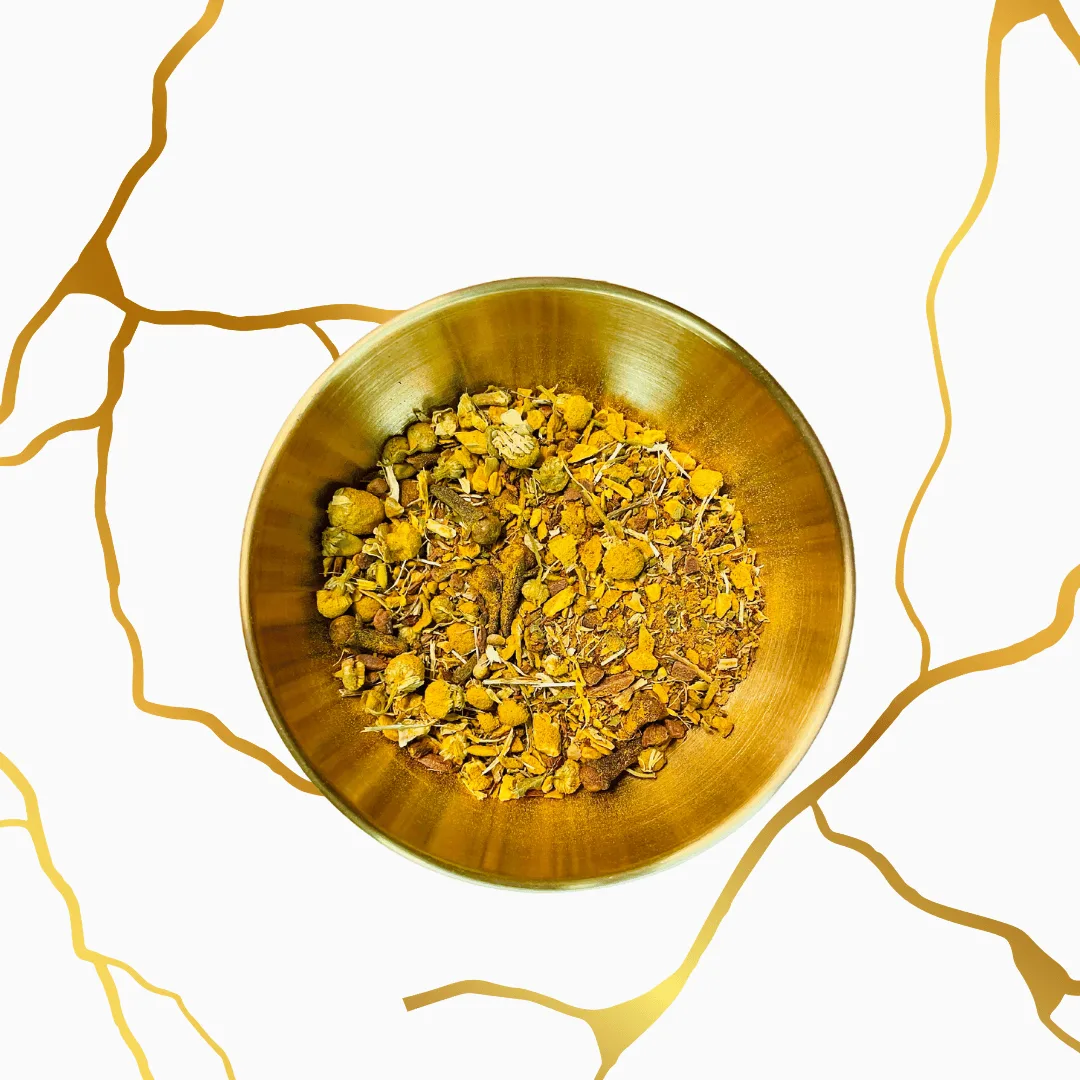
Inflammation Be Gone Turmeric Tea (Organic)