Quick answer
Most standard plastic bottles, including insulated ones, are not designed for hot liquids. For safe use, keep liquids below 120°F (49°C) and check the bottle's temperature rating. For hot drinks, a stainless steel insulated bottle is a better choice.
Why plastic bottles have temperature limits
Plastic bottles are made from materials like polypropylene (PP) or Tritan, which have different heat tolerances. While many are BPA-free and food-safe, they can warp, leach chemicals, or lose structural integrity when exposed to high heat. Manufacturers typically recommend avoiding boiling water or hot beverages.
Insulated plastic bottles often have a double-wall design that keeps the exterior cool, but the inner plastic layer still contacts the liquid. The insulation doesn't change the plastic's heat tolerance, so the same temperature limits apply.
When a plastic bottle is okay for warm liquids
If you need to carry warm (not hot) water, a plastic bottle can work as long as the liquid is below 120°F (49°C). This is safe for most food-grade plastics and won't cause damage. Always test the temperature on your wrist first—if it feels hot, it's too hot for the bottle.
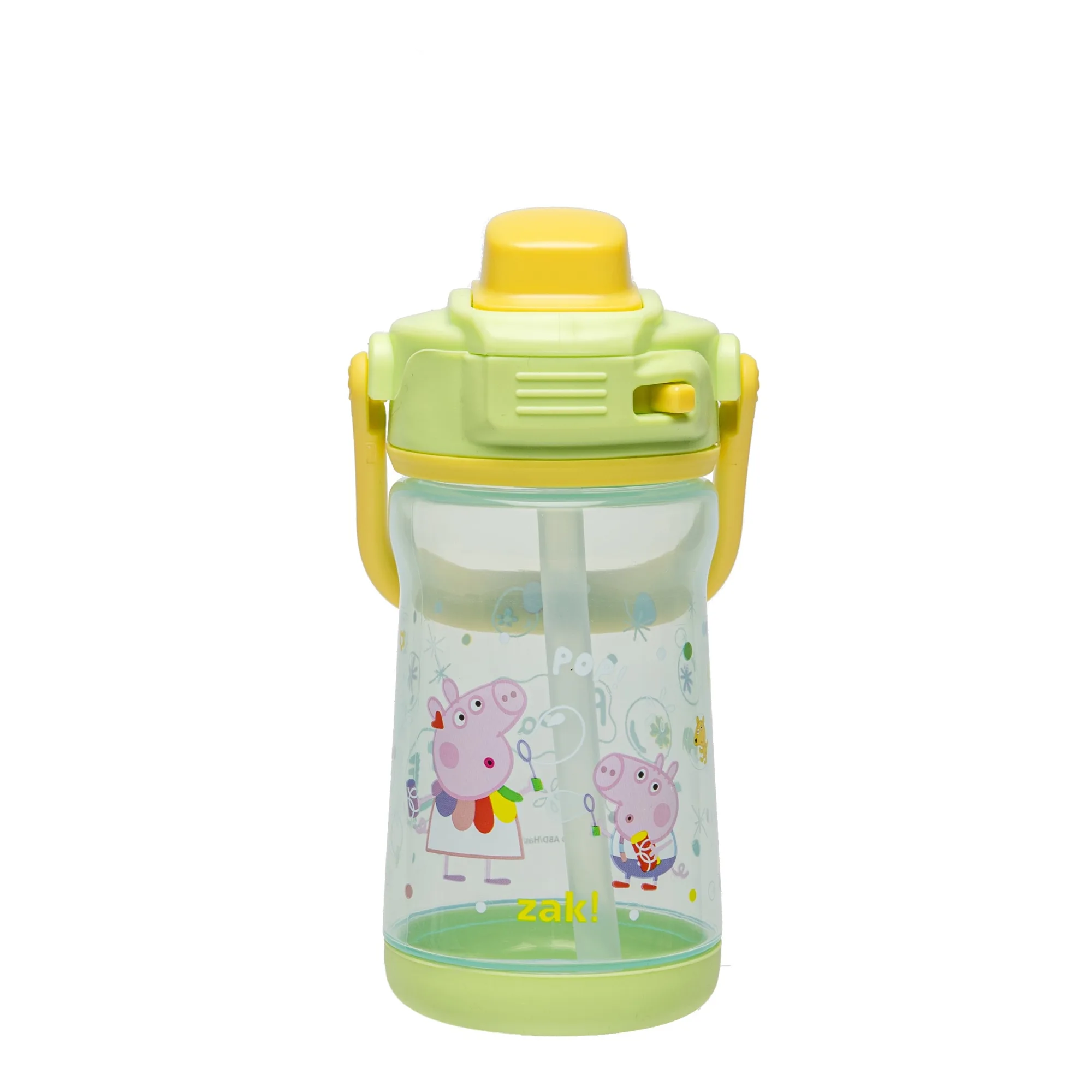
For children's bottles, like the Beacon 12 oz. Peppa Pig bottle, the soft silicone spout and plastic body are designed for cold or room-temperature drinks. Using hot liquid could damage the spout or create a burn risk.
Frequently asked questions about hot liquids in plastic bottles
Can I put boiling water in a plastic bottle?
No. Boiling water (212°F / 100°C) can warp, melt, or cause chemical leaching in most plastic bottles. Always use a stainless steel or glass container for boiling water. Never pour boiling water into a plastic bottle.
What temperature is safe for a plastic water bottle?
Most food-grade plastic bottles are safe up to 120°F (49°C). Check the bottom of the bottle for a temperature rating or recycling code. Polypropylene (PP, #5) handles higher heat than PET (#1) or HDPE (#2). Keep liquids below 120°F to be safe.
Is an insulated plastic bottle safe for hot coffee?
No. Even insulated plastic bottles have an inner plastic layer that contacts the liquid. Hot coffee (around 160-185°F) exceeds safe plastic temperatures. Choose a stainless steel insulated bottle for hot beverages. Use stainless steel for hot coffee or tea.
Can hot liquid damage the bottle's insulation?
Yes. Prolonged exposure to heat can degrade the insulation layer or the seals, reducing the bottle's ability to keep drinks cold. It may also cause the bottle to leak or lose vacuum seal integrity. Hot liquids can shorten the lifespan of an insulated plastic bottle.
What about warm milk or formula in a plastic bottle?
Warm milk or formula (around body temperature, 98-100°F) is generally safe in food-grade plastic bottles. Avoid microwaving plastic bottles, as it can create hot spots and damage the plastic. Use a bottle warmer or warm water bath instead. Warm (not hot) milk is fine; avoid microwaving plastic.
Product insights
-
Beacon Bottle, 12 oz.: The Beacon 12 oz. Peppa Pig bottle is made from durable, lightweight plastic with a soft silicone spout and a flip-up protective cover. This bottle is designed for everyday hydration with cold or room-temperature drinks, not hot liquids. The silicone spout and plastic body may not withstand high heat, and hot liquid could pose a burn risk for children.
Beacon Bottle, 12 oz.