Quick Answer
Yes, you can take vitamin C and probiotics together. They support different aspects of health—vitamin C for immune function and probiotics for gut flora—and there's no known negative interaction. To maximize benefits, separate them by a few hours if possible, and choose a probiotic with shelf-stable strains.
Many people wonder if combining vitamin C and probiotics is safe, especially when they're looking to boost immunity and improve digestion at the same time. The short answer is yes, but timing and product quality matter.
Vitamin C is a water-soluble antioxidant that supports immune health, while probiotics are beneficial bacteria that help maintain a balanced gut microbiome. Since your gut houses a large portion of your immune system, supporting both can be a smart strategy—but you need to know how to take them effectively.
How Vitamin C and Probiotics Work Together
Vitamin C is well-known for its role in immune defense, helping white blood cells function and protecting cells from oxidative stress. Probiotics, on the other hand, help maintain a healthy balance of gut bacteria, which is crucial for digestion and immune regulation. Together, they can provide complementary support: a healthy gut can enhance nutrient absorption, including vitamin C, while vitamin C helps support the immune system that probiotics influence.
There's no evidence that taking them together causes harm. Some people worry that the acidic nature of vitamin C might kill probiotic bacteria, but most quality probiotics are designed to survive stomach acid. Still, timing can be optimized to ensure both work effectively.
- Consider taking probiotics on an empty stomach or with a light meal to improve survival, and vitamin C with food to reduce stomach upset if needed.
Can You Take Them at the Same Time?
You can take vitamin C and probiotics at the same time, but separating them by a few hours may be beneficial. Vitamin C is water-soluble and quickly absorbed, while probiotics need to reach the intestines alive. Taking probiotics on an empty stomach (or just before a meal) and vitamin C with a meal can reduce any potential interaction and improve absorption.
If you prefer a one-step routine, look for products that combine both, or choose a probiotic with shelf-stable strains that are more resilient. For example, Nutralife's ProBiotica Extra Care contains 75 billion CFUs from 6 researched strains, including the HOWARU® strain, which is shelf-stable—meaning it can withstand room temperature and is more likely to survive the digestive journey.
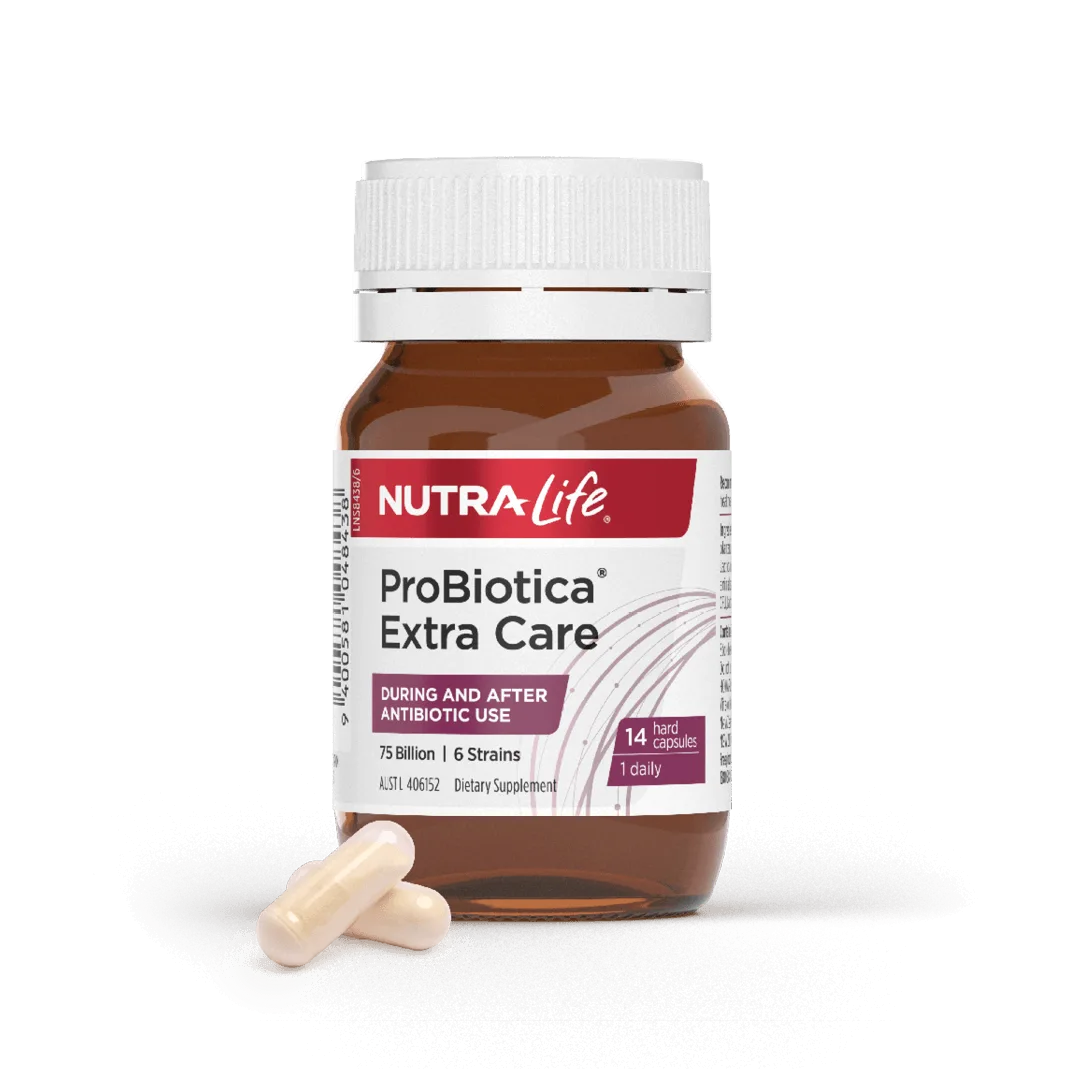
ProBiotica Extra Care
- If you take a high-dose vitamin C (like 1000 mg), splitting the dose throughout the day can reduce stomach irritation and improve absorption.
What to Consider for Gut Health and Immunity
When combining supplements, it's important to think about your overall health goals. If you're prone to colds or want extra immune support, vitamin C is a classic choice. For digestive issues like bloating or irregularity, probiotics can help. But if you have a specific condition like lactose intolerance, you might need a targeted probiotic or enzyme product.
For children, probiotic needs differ. Nutralife's Probiotica Kids Daily is a chewable tablet designed for kids, with a vanilla flavor and shelf-stable, non-dairy strains. It supports healthy gut microflora and a strong immune system—making it a convenient option for families.
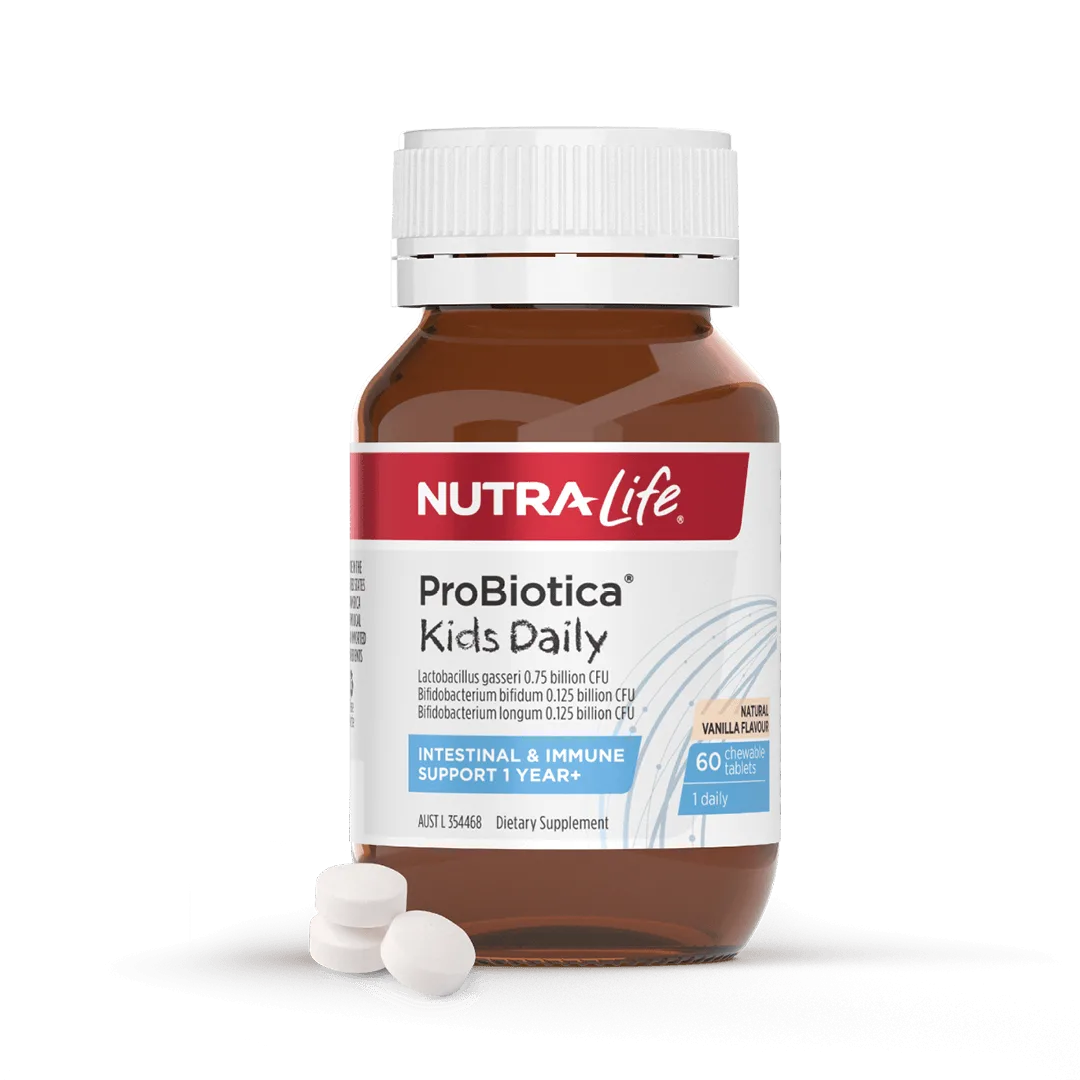
Probiotica Kids Daily
- Always check the CFU count and strain diversity on a probiotic label to ensure you're getting a meaningful dose.
Diagnosing Your Supplement Routine
- Symptom: You're unsure if you can combine them: You're not alone—many people wonder if mixing vitamin C and probiotics is safe. The answer is yes, but timing and product quality are key. You can take them together, but consider separating by a few hours.
- Likely cause: Concerns about stomach acid or absorption: Vitamin C is acidic, and some worry it might kill probiotic bacteria. In reality, quality probiotics are designed to survive stomach acid, and vitamin C is quickly absorbed. Choose shelf-stable probiotic strains for better survival.
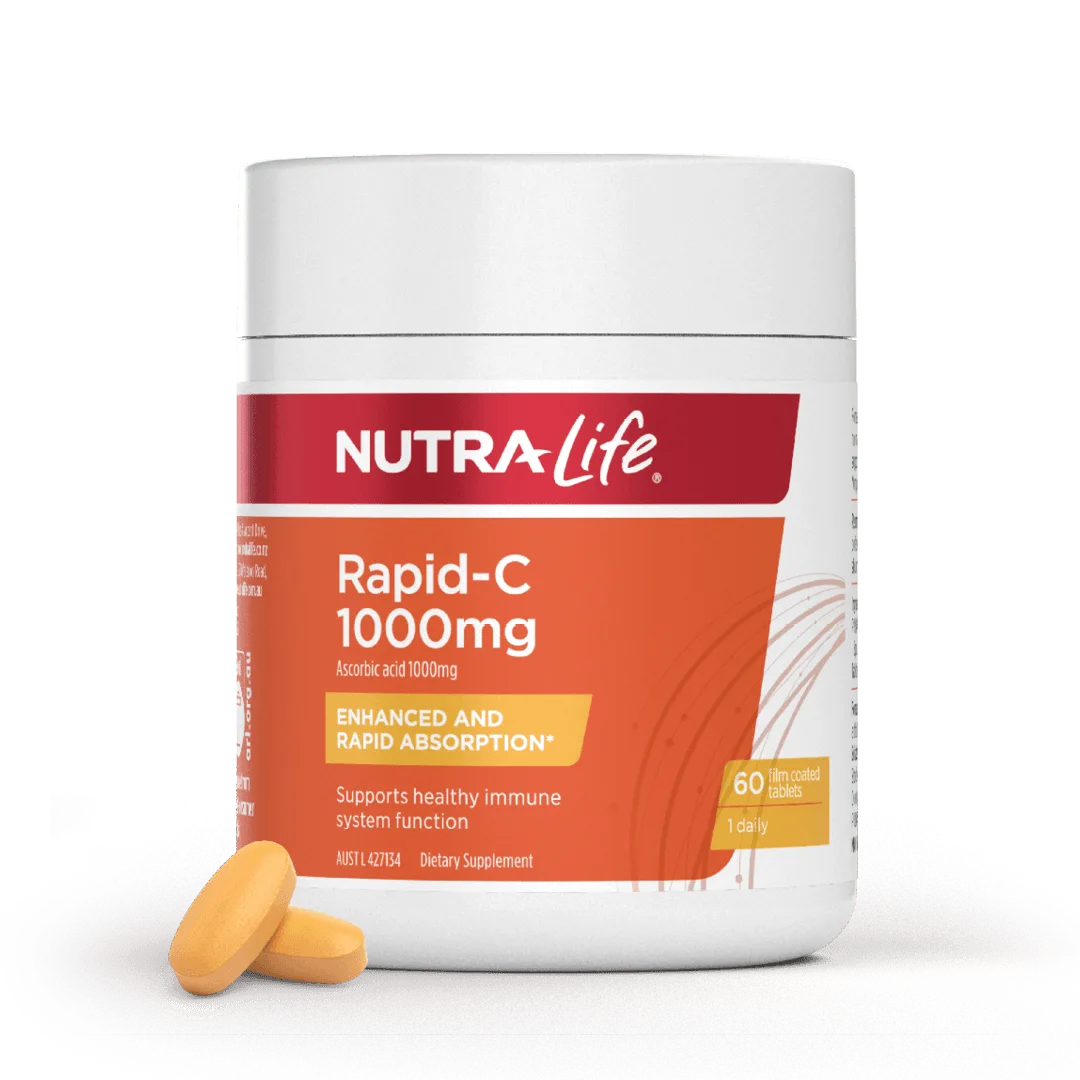
- Corrective action: Optimize timing and choose quality products: Take probiotics on an empty stomach or before a meal, and vitamin C with food. Look for high-CFU, shelf-stable probiotics and rapidly absorbed vitamin C. Consider ProBiotica Extra Care and Rapid-C 1000mg for a reliable combo.
- Stop or choose another option if: You have a medical condition: If you have a chronic illness, are pregnant, or take medications that interact with supplements, consult a healthcare provider before combining. When in doubt, ask your doctor first.
Products That Can Help
- ProBiotica Extra Care: ProBiotica Extra Care contains 75 Billion CFUs from 6 researched strains, including the scientifically researched HOWARU® strain, that are shelf stable. Shelf-stable strains are more likely to survive stomach acid and reach your intestines, so you get the full benefit even if you take it with vitamin C.
- Rapid-C 1000mg: Formulated with PUREWAY-C®, a researched form of Vitamin C that is rapidly absorbed and has enhanced absorption by the body compared to standard ascorbic acid. Rapid absorption means you can take it closer to your probiotic without worrying about prolonged stomach acid exposure, and it supports immune health effectively.
Taking vitamin C and probiotics together is safe and can be beneficial for both gut health and immunity. By choosing quality products and timing them wisely, you can get the most out of your supplement routine. Always listen to your body and consult a professional if you have specific health concerns.