Quick Answer
To keep sweet vanilla and resinous perfumes like DSH's Cantaloupe or Skin Scent at their best, store them in a cool, dark place away from heat and light, keep bottles tightly sealed, and use them within a reasonable time. Proper care preserves the rich, warm notes and extends the fragrance's life.
Sweet vanilla and resinous notes are some of the most beloved in perfumery, offering warmth, depth, and a comforting embrace. But these rich ingredients can be sensitive to environmental factors, and without proper care, they may lose their luster or turn stale. Whether you've invested in an artistic fragrance like DSH Perfumes' Cantaloupe or a resinous blend, understanding how to store and handle them is key to enjoying every drop.
In this guide, we'll walk through common problems with vanilla and resin perfumes, their likely causes, and the corrective actions you can take. You'll also learn when it's time to stop troubleshooting and consider a different approach. Let's ensure your sweet, resinous scents remain as beautiful as the day they arrived.
Why Sweet Vanilla and Resinous Notes Need Special Care
Sweet vanilla and resinous notes—like benzoin, labdanum, or myrrh—are prized for their complexity and longevity. However, these ingredients can be sensitive to heat, light, and air. Vanilla's natural sweetness can become flat or sour if exposed to high temperatures, while resins may harden or lose their balsamic depth. Understanding these vulnerabilities helps you take proactive steps.
Most perfumes are a blend of alcohol, water, and aromatic compounds. The delicate balance can be disrupted by environmental stress. For instance, sunlight can break down molecular bonds, altering the scent profile. Heat accelerates evaporation and oxidation, which can dull the fragrance's top notes and muddy the base. Air exposure can also introduce moisture, potentially causing cloudiness or changes in scent.
- Store perfumes in a cool, dark place, like a drawer or closet, away from windows and heat sources.
- Keep bottles tightly sealed to minimize air exposure and prevent evaporation.
- Avoid storing perfumes in the bathroom, where humidity and temperature fluctuate.
Common Problems and How to Fix Them
If your sweet vanilla perfume seems weaker than before, the likely cause is exposure to heat or light. The corrective action is to move it to a cooler, darker location and give it a few days to settle. Similarly, if a resinous perfume develops a slightly sharp or sour note, oxidation may be the culprit. Ensure the cap is secure and consider decanting into smaller bottles to reduce air space.
Another issue is residue or stickiness around the bottle's rim. This often happens when perfume is left on its side or in a warm area. Wipe the rim clean with a soft cloth and store the bottle upright. If the scent changes dramatically or becomes unpleasant, it may be time to replace it, as some degradation is irreversible.
- If your perfume smells off, give it a day in a stable environment before testing again.
- Use a small funnel to transfer perfume to a travel atomizer to reduce air exposure.
- Keep a log of when you opened each bottle to track its age.
Proactive Tips for Extending Longevity
To get the most from your sweet vanilla and resinous perfumes, incorporate a few habits. Apply to pulse points, but avoid rubbing your wrists together, as friction can break down the fragrance. Moisturize your skin before applying to help the scent last longer. Also, consider layering with a matching body lotion or oil if available.
When not in use, keep the bottle in its original box or a dark pouch. This adds an extra layer of protection from light. If you have a large collection, rotate your perfumes to ensure each gets used within a reasonable timeframe. Perfumes don't last forever, and older bottles may lose their vibrancy, so enjoy them while they're at their peak.
- Apply perfume right after showering, when skin is clean and slightly damp.
- Store bottles upright to minimize contact between the fragrance and the cap.
- Avoid shaking the bottle, as this introduces air and speeds up oxidation.
Diagnosis: Is Your Perfume Worth Saving?
- Symptom: Fading scent strength: Your perfume seems weaker than when you first bought it. Likely cause: heat or light exposure. Correct by moving to a cool, dark spot. If it doesn't improve in a week, the damage may be permanent.
- Symptom: Sour or sharp smell: The sweet vanilla or resinous notes have turned slightly acidic or unpleasant. Likely cause: oxidation from air exposure. Ensure the cap is tight and consider decanting into smaller bottles. If the scent doesn't recover, it's time to replace.
- Symptom: Residue or stickiness around the cap: You notice a sticky film or crystals around the bottle's opening. Likely cause: perfume residue that has dried or reacted with the cap. Clean gently and store upright. If this recurs, check for a faulty seal and consider a new bottle.
DSH Perfumes: Fragrances Worth Caring For
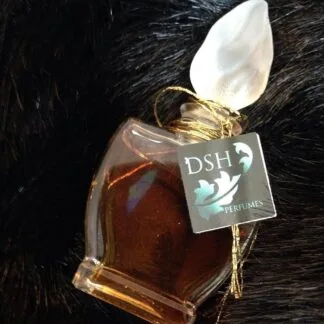
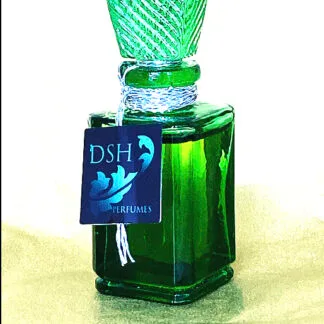
- Cantaloupe: DSH Perfumes presents Cantaloupe, a fragrance that captures the essence of fresh, ripe cantaloupe. This artistic scent is part of the brand's collection of award-winning fragrances. While not vanilla, this fruity scent benefits from the same storage principles to preserve its juicy freshness. Proper care ensures the sweet top notes remain vibrant.
- Skin Scent: Skin Scent by DSH Perfumes is an artistic, award-winning fragrance that offers a unique olfactory experience. Presented in a standard size, perfect for everyday wear. As a versatile everyday scent, it's likely to be used frequently. Keeping it in a cool, dark place ensures it stays consistent, so you can rely on it as a signature.
Caring for your sweet vanilla and resinous perfumes doesn't have to be complicated. By storing them properly, handling them with care, and recognizing when a scent is beyond saving, you can enjoy your DSH fragrances for as long as possible. Remember, the goal is to preserve the artistry in every bottle, so you can experience the warmth and depth these notes offer time and again.