Quick answer
Seamless underlash extensions last more than one wear when you keep the adhesive off the cluster band, clean the band with a lint-free pad and oil-free remover, and store clusters flat in a sealed tray. If the band is bent, gummy, or shedding more than a few fibers, replace the cluster instead of reusing it.
Seamless underlash extensions are sold as a salon-style look you apply at home, but the difference between one wear and four or five wears is mostly handling. The clusters are lightweight and flexible, so they respond well to gentle removal and poorly to tugging, soaking, or being tossed loose in a bag.
This guide separates the symptoms you will actually see (shedding, lifting, crunchy bands) from their likely causes, then gives the corrective action for each. It also flags the point where a cluster is done and you should reach for a fresh one.
Why clusters shed after the first wear
Shedding usually starts at the band, not the fibers. When you pull a cluster off without dissolving the adhesive first, you stretch the ultra-thin band and loosen the knot-free construction that keeps the fibers aligned. Once that structure loosens, fibers drop every time you handle the cluster.
The fix is patience at removal, not force. Use an oil-free remover or a bond remover designed for lash adhesive, let it sit for the full dwell time, and slide the cluster down instead of peeling it outward. If you feel resistance, add more remover rather than pulling harder.
- Never pull a cluster straight off the natural lash line; slide it downward along the lash.
- Keep adhesive off the upper half of the band so fibers stay free.
- If fibers shed on the tray before you even apply them, the pack was stored badly or is past its best.
Lifting and premature fall-off
Lifting at the inner or outer corner almost always traces to application conditions rather than the cluster itself. Oily lids, leftover mascara, or a moisturizer applied within an hour of bonding will weaken the adhesive bond. Humidity and cold also change how fast a bond-and-seal adhesive cures, so the same routine can behave differently in winter.
Correct it by cleansing the lash line with an oil-free cleanser and letting it dry completely before bonding. Apply the bond in a thin line at the base of your natural lashes, place the cluster, then seal. If corners lift repeatedly, your eye shape may need a shorter cluster at that position rather than more adhesive.
- Skip eye cream and oil-based makeup remover on lash days.
- Wait the full cure time before showering, steaming, or swimming.
- Press the corner down for a few seconds with the spoolie end, not your fingertip.
How to clean underlash extensions without wrecking them
Cleaning is where most reusable underlash extensions get ruined. Soaking clusters in water or rubbing them between your fingers breaks down the band and leaves residue that stops the next adhesive from gripping. Instead, lay the cluster on a lint-free pad, dab oil-free remover along the band only, and wipe away adhesive with a clean spoolie.
Let clusters air-dry completely on a flat surface before they go back in the tray. Any moisture trapped in the tray turns the band tacky and encourages mold in a sealed container. Once dry, they should feel like they did on day one, not stiff or sticky.
- Clean the band, not the fibers; fibers rarely need more than a light brush-through.
- Never use cotton balls, which catch and pull on lash fibers.
- Dry flat for at least an hour before sealing the tray.
Underlash extensions storage tips that actually work
Storage is the easiest part to get right and the easiest to neglect. Clusters left loose in a makeup bag bend, tangle, and pick up lint that shows up as a fuzzy lash line. Keep them in the original tray or a small divided lash box, with the curve facing the same direction so the band does not take a new shape.
Keep the tray sealed and away from direct sun and bathroom humidity. Heat softens the band and humidity softens the adhesive residue you did not remove, so a cool, dry drawer is ideal. Label refill packs by style if you keep more than one on hand.
- Store clusters in the curve they were made in; flipping them flattens the band.
- Keep the tray closed between uses to block dust and pet hair.
- If you travel, use a hard lash case instead of a zip pouch.
How many wears is realistic
Most people get three to five wears from a well-cared-for cluster, but that number depends on your adhesive, your removal habits, and how often you wear them. A cluster worn daily and removed daily will age faster than one worn for a weekend.
Track it honestly: if a cluster needs extra adhesive to stay put, if the band has a visible kink, or if it sheds more than a few fibers per wear, retire it. Reusing a failing cluster costs more in frustration than a fresh one costs in money.
- Rotate two sets so each cluster gets rest between wears.
- Retire any cluster with a bent or gummy band immediately.
- Buy refill packs in the style you actually reach for most.
Symptom, cause, fix, and stop point
- Fibers shedding from the band: Cause: peeling the cluster off before the adhesive dissolves, which stretches the band. Fix: use an oil-free remover, wait the full dwell time, and slide the cluster down. Stop point: if more than a few fibers drop per wear, the cluster is done. Gentle removal is cheaper than replacing clusters.
- Corners lifting within a day: Cause: oil, leftover makeup, or moisture on the lash line before bonding. Fix: cleanse with an oil-free product, dry fully, apply a thin bond line, and seal. Stop point: if the same corner lifts three times, switch to a shorter cluster at that position. Prep and placement beat extra adhesive.
- Band feels crunchy or sticky after cleaning: Cause: leftover adhesive residue or trapped moisture in the tray. Fix: re-clean the band with oil-free remover, air-dry flat for at least an hour, and reseal the tray only when fully dry. Stop point: if the band stays stiff or kinked, replace the cluster. A crunchy band will not bond cleanly again.
- Clusters tangled or bent in storage: Cause: loose storage in a bag or pouch, or clusters stored against their natural curve. Fix: return clusters to the original tray or a divided lash box, curve facing the same direction, and keep the tray closed. Stop point: if the band has a visible kink, do not try to straighten it. The tray is part of the product, not packaging.
Product facts that affect care and reuse
- Seamless Underlash Extensions Naked, 100-Count: Each cluster is designed with an ultra-thin band that blends into natural lashes, and the set is lightweight, flexible, and comfortable for all-day wear. A thin, flexible band is easier to clean and reshape, but it also bends more easily in storage, so a flat tray matters more than it does with stiffer strips.
- DUO Underlash Bond & Seal Adhesive 10 Day Wear: It is a 2-in-1 adhesive with micro-spoolie applicators on both ends, and the fast-drying Black Bond goes on like mascara. Precision applicators let you keep adhesive at the base of the lashes instead of the band, which is the single biggest factor in whether a cluster survives removal.
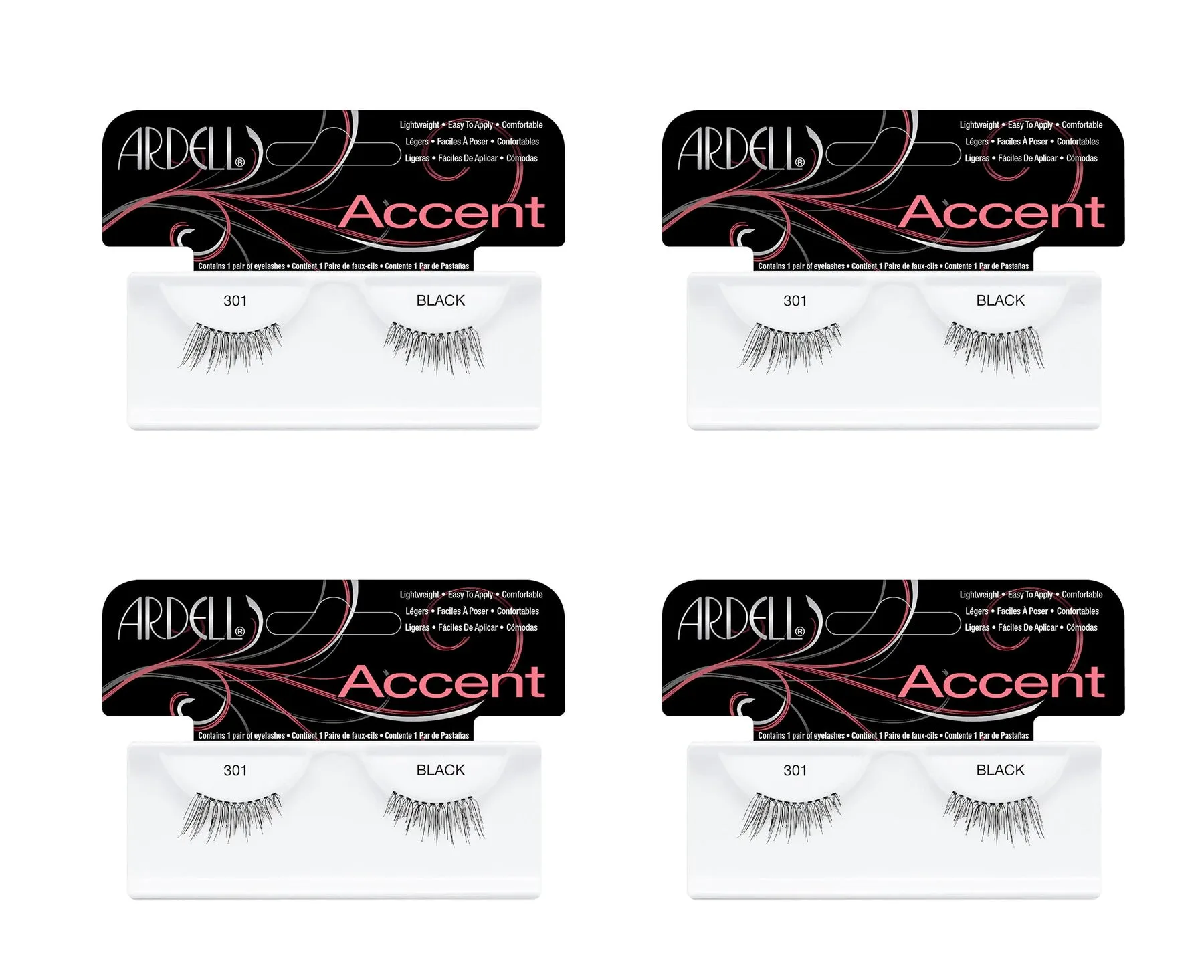
- Seamless Underlash Extensions Modern Wing 32 ct: The refill pack contains 32 knot-free, patented clusters for seamless blending, with a winged silhouette and crisscross layers. Knot-free clusters have no bulky node to trap adhesive, so they clean up faster and shed less when you remove them correctly.
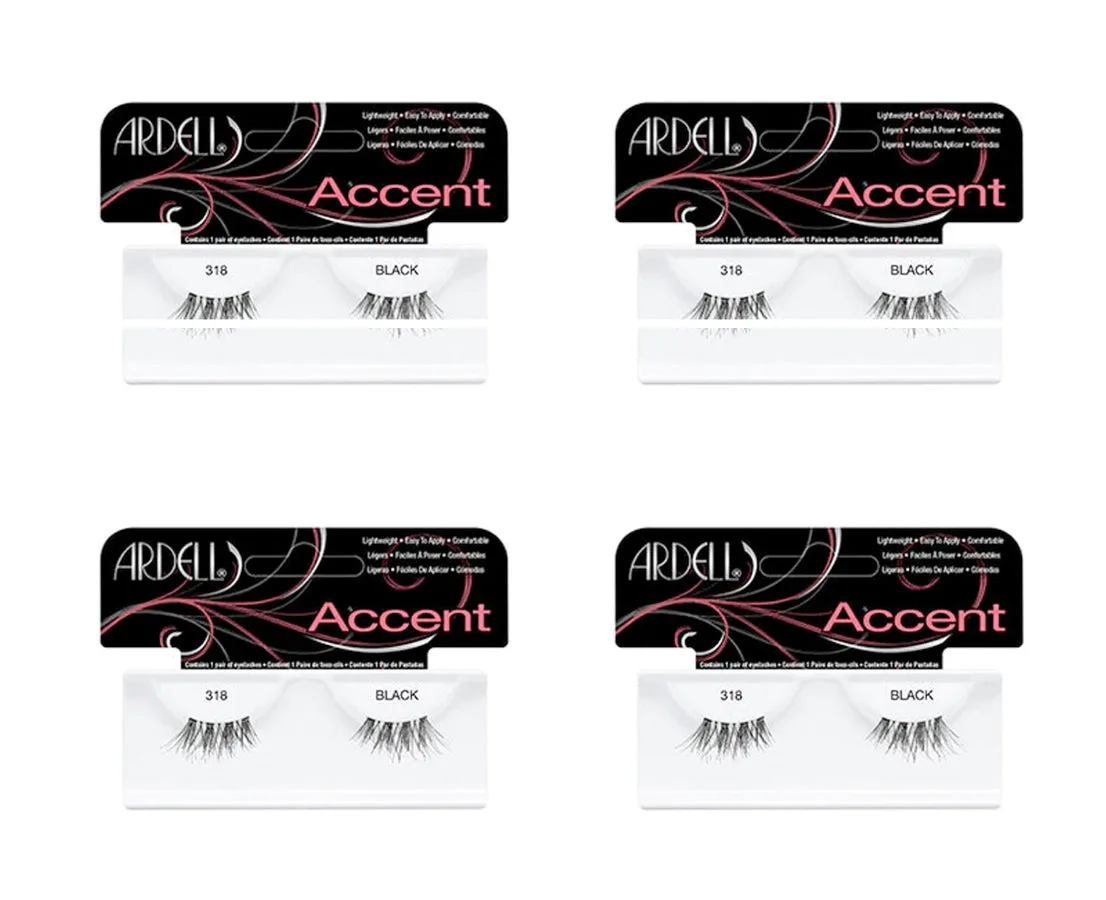
- wispies-354316">X-Tended Wear Lash System Kit, Demi Wispies: The kit packages the signature Demi-Wispies cluster lashes with the essentials in one handy pack. Keeping the tray, applicator, and adhesive together makes it far more likely you will clean and store clusters properly instead of leaving them loose.
Seamless underlash extensions care comes down to four habits: dissolve before you remove, clean only the band, dry flat, and store in the curve. Do that and a refill pack stretches much further, and the clusters that do fail will fail for reasons you can see coming.