Quick answer
Choose hard cargo storage boxes when you carry crushable or spill-prone items and want stackable, weather-resistant protection. Choose soft cargo gear bags when you need flexible capacity, easy carrying, and a low packed footprint between trips. For most camping setups, a mixed system works best: one or two rigid boxes for structure and a few soft bags for overflow.
How to decide between hard boxes and soft bags
Start with what you carry, not with the container. Hard boxes win when contents are fragile, heavy, or messy. Soft bags win when contents are compressible, light, or irregularly shaped. A second filter is access: if you need gear during a fuel stop or a quick lunch, a soft bag you can pull onto the tailgate beats a box that requires unloading the layer above it. A third filter is the return trip. Soft bags flatten and store in a closet; empty hard boxes still occupy the same volume in your garage.
Organization trade-offs that affect daily camping use
Hard boxes create fixed zones, which makes vehicle cargo organization predictable: the stove box, the dry food box, the recovery gear box. That predictability costs flexibility. If a box is half empty, you still pay the full volume. Soft bags adapt to partial loads and squeeze into gaps, but they can slump when underfilled and they hide contents unless you use labeled pouches or clear panels. For camping gear storage solutions, the practical middle ground is to assign categories to containers and keep a written or labeled index so anyone in the group can find the water filter without unpacking everything.
Access, weather, and security differences
Soft bags are faster to open and easier to carry to a picnic table, shower block, or tent. Hard boxes are slower to open but better at keeping dust, rain, and rodents out when the lid seals well. Neither type is a substitute for locking valuables out of sight; if security matters, choose a box you can lock or keep valuables in the vehicle cab. For dusty or wet road trips, prioritize sealed hard boxes for bedding and dry food, and use soft bags for items that can tolerate some exposure or that you will move frequently.
Fit guidance: measure before you buy either type
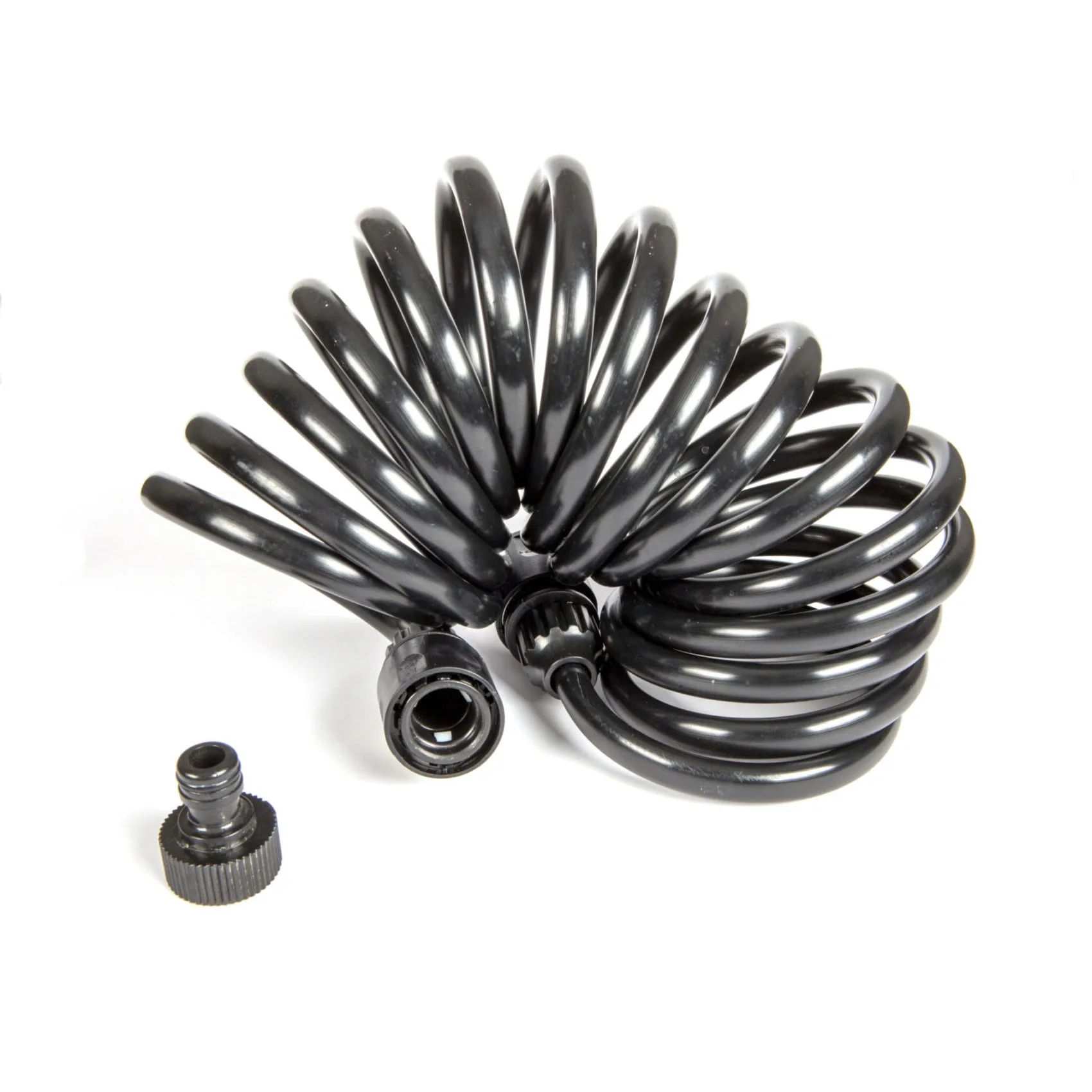
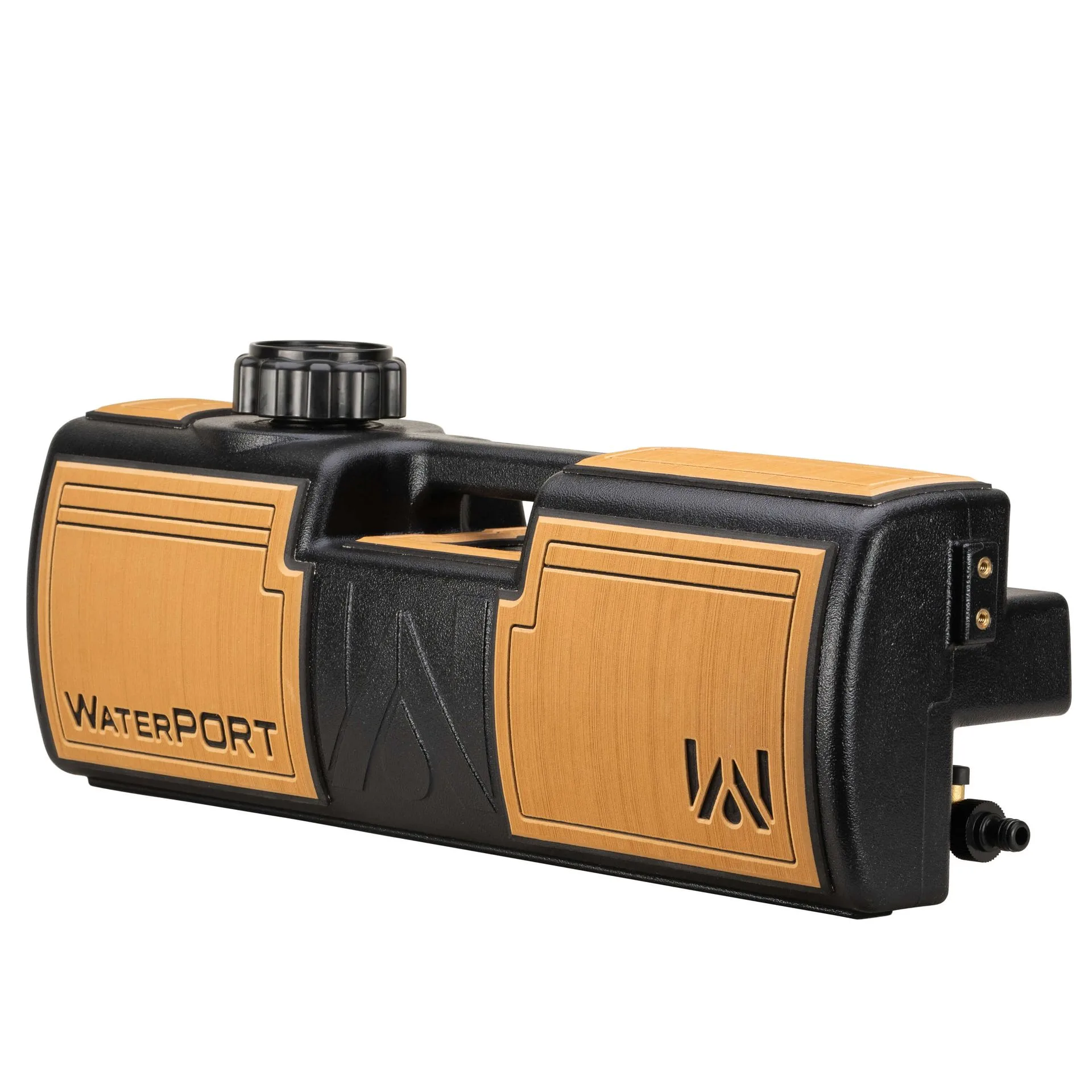
Measure the usable cargo opening, not just the trunk floor. Many vehicles have a narrower tailgate opening than the interior width, so a box that fits the floor may not fit through the door. Check height clearance under a tonneau cover or cargo rack, and account for tie-down points. Soft bags can compress through tight openings, which is a real advantage in smaller SUVs and crossovers. If you carry water or use a pressurized tank, plan a dedicated spot for it and keep hoses and wraps accessible rather than buried under boxes. For example, the EVA Wrap - 4 Gallon is a pre-cut wrap for the 4 Gallon Day Tank available in Tan and Grey, and the 16FT Coil Hose is a TPV hose intended for potable water use with quick connect adapters for older systems. Both are accessories that work best when you can reach the tank area without unloading the whole cargo area.
Decision rules for cargo storage boxes vs bags
- Choose hard boxes if contents are fragile, heavy, or messy: Rigid walls protect stoves, lanterns, dry food, and liquids from crushing and shifting. They also stack, which helps vehicle cargo organization when you load tall. Best for bedding, dry food, kitchen gear, and anything that leaks.
- Choose soft bags if you need flexible capacity and easy carrying: Soft bags compress into odd gaps, carry over your shoulder, and store flat between trips. They are easier to move from vehicle to campsite. Best for clothing, sleeping bags, tarps, and overflow gear.
- Use a mixed system for most camping trips: Put structure-critical and mess-prone items in boxes, and put compressible or frequently accessed items in bags. Keep water accessories reachable rather than buried. Label each container by category so anyone can find gear without unpacking.
- Measure the tailgate opening and height clearance before buying: Interior floor space is not enough. Check the narrowest opening and the height under covers or racks. Soft bags tolerate tight openings better than rigid boxes. If the opening is tight, favor soft bags or smaller boxes.
Accessories that support either storage choice
- EVA Wrap - 4 Gallon: Pre-cut EVA wrap for the WaterPORT 4 Gallon Day Tank, available in Tan and Grey, designed to add style and functionality to the tank. If you carry a water tank in your cargo area, wrapping it protects the tank surface and keeps it visually distinct from other gear, so you can identify it quickly when loading and unloading.
- 16FT Coil Hose: 16-foot TPV hose approved for potable water use, with quick connect adapters that work with older WaterPORT systems. A longer potable-water hose lets you route water away from a packed cargo area for cooking, showering, or filling bottles without moving storage boxes or bags.
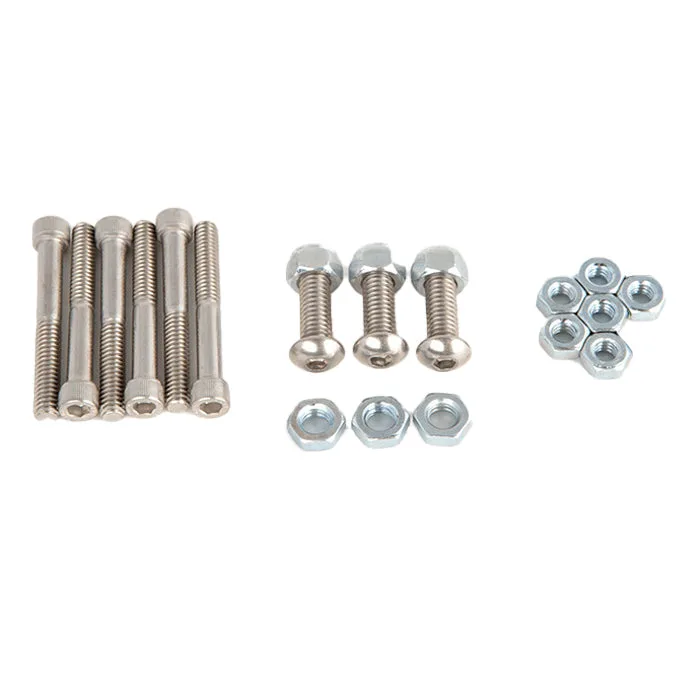
- Hardware Set - 4 Gallon: Hardware set for the WaterPORT 4 Gallon Day Tank, including bolts for secure assembly with rust-free construction, intended as a replacement or spare kit. Keeping spare rust-free hardware on hand prevents a loose tank mount from becoming a trip-ending problem, especially if you store the tank alongside heavy boxes that shift on rough roads.
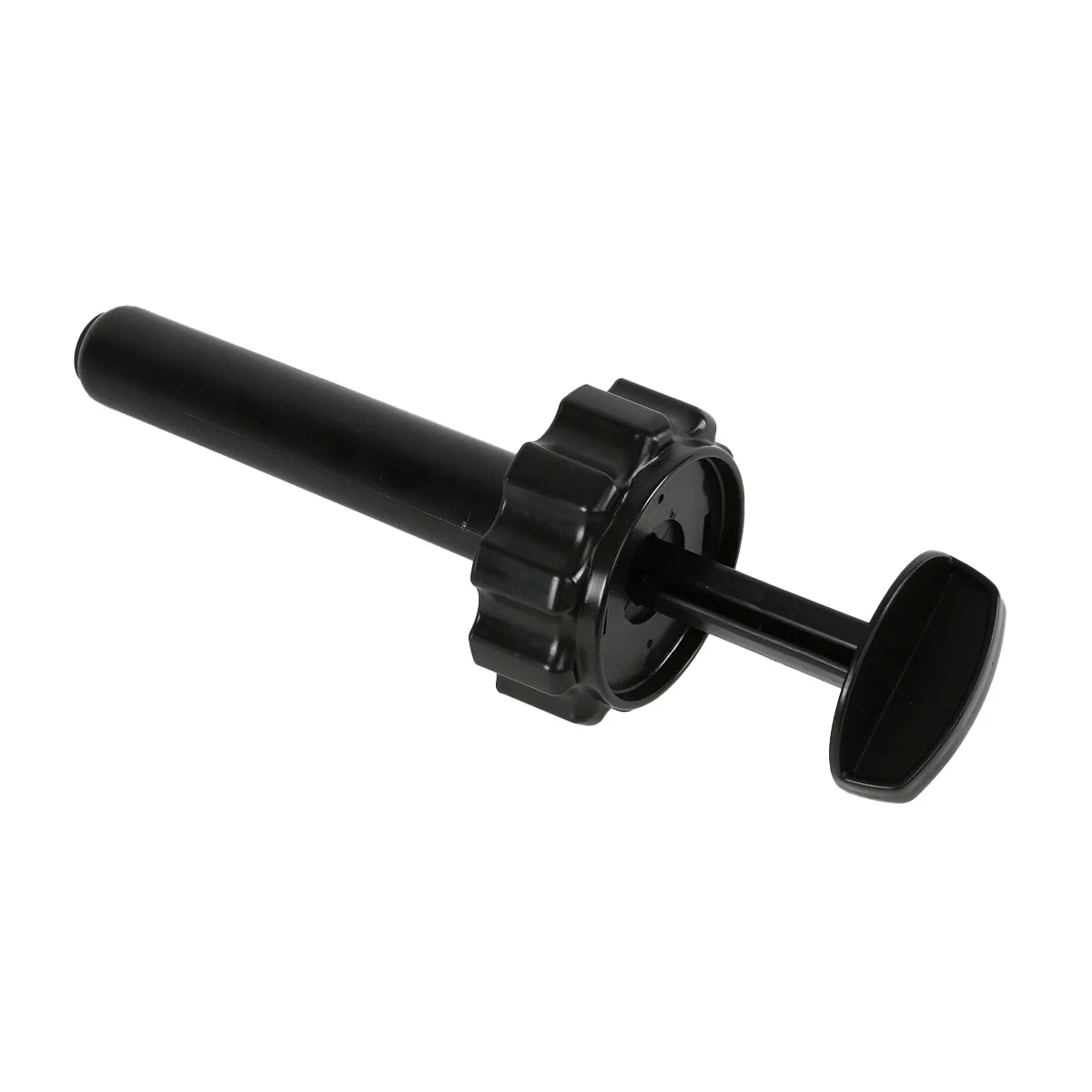
- Pump Cap Gasket - 3 Pack: Three replacement gaskets for the WaterPORT pump cap, designed to help restore a proper seal and fix a faulty pump cap seal. A spare gasket set is small enough to keep in a glovebox or side pouch, so a leaking pump cap does not force you to reorganize or abandon your water setup mid-trip.
Who should choose which
Best for
- Campers who carry fragile, heavy, or spill-prone gear and want stackable protection
- Road trippers who need predictable, labeled zones for dry food, kitchen, and bedding
- Vehicle owners with a wide, flat cargo area and secure tie-down points
Not for
- Campers with very tight tailgate openings who need containers to compress
- Travelers who must carry gear long distances from the vehicle to the campsite
- Anyone who wants containers to store flat and small between trips