Quick answer
Use one Case Study deck as your dedicated practice deck and keep it separate from display copies. Work in short blocks: warm up with basic controls, drill one sleight or flourish at a time, then finish with a full routine run-through. Rotate versions so you are not relying on a single deck's feel.
Set up a practice deck that stays a practice deck
The fastest way to improve is to stop switching decks every session. Pick one Case Study version as your working deck and leave the others sealed or stored. Each version is a 52-card regulation deck with 2 jokers and 2 info cards at 3.5 x 2.5 inches, so the handling format is consistent even when the artwork changes.
If you own more than one version, use the cheapest available copy as the daily driver and keep the others for comparison or collection. This protects the decks you care about while giving you a deck that is allowed to get worn in.
Warm up before you drill anything hard
Start every session with two minutes of simple moves: overhand shuffle, faro check, and a few basic cuts. The goal is not performance, it is calibrating your hands to the deck's current condition. A deck that has been sitting in a box for a week will feel different from one you used yesterday.
This warm-up also tells you whether the deck needs breaking in. If the cards clump or fan unevenly, spend the session on spreads and shuffles rather than on a new sleight.
Drill one skill per block, not five
Choose a single target for the session: a control, a color change, a false shuffle, or a flourish. Run it slowly enough that you can see the mistake, then speed up only when the slow version is clean. Ten focused minutes on one move beats an hour of scattered practice.
Keep a note of what failed. If you drop cards on the same beat every time, that beat is the drill for tomorrow.
Use the deck's paper and finish as feedback
Case Study decks are printed in China on Japanese paper and pressed and finished to Dan and Dave's specifications. That means the deck gives you readable feedback: if a fan is uneven, it is usually your pressure, not the cards. Treat the finish as a diagnostic tool rather than an obstacle.
Because the stock and finish are consistent across the line, a move that works on one version should transfer to another. If it does not, the problem is likely in your grip or timing.
Finish with a full run-through, not a single trick
End each session by performing two or three effects in sequence without stopping. This is where practice becomes usable. You will notice transitions, reset moments, and patter gaps that never appear when you drill one move in isolation.
If you are practicing cardistry, run a short combo instead of a single flourish. The goal is to link moves under mild pressure.
Your practice session, step by step
- Pick one working deck and one backup: Choose a Case Study version as your daily practice deck and keep a second version sealed or stored. Common mistake: rotating through every deck you own so no deck ever gets broken in properly. Checkpoint: your practice deck should feel slightly different by the end of the week.
- Warm up with shuffles and fans for two minutes: Run overhand shuffles, a faro check, and a few fans before touching your target move. This calibrates your hands to the deck's current condition and reveals whether the deck needs more breaking in. Checkpoint: if the fan is uneven, stay on spreads and shuffles for this session.
- Drill one sleight or flourish for ten focused minutes: Pick a single target, slow it down until you can see the mistake, then increase speed only when the slow version is clean. Common mistake: practicing five moves badly instead of one move properly. Checkpoint: note the exact beat where you drop cards and make that tomorrow's drill.
- Run a two- or three-effect sequence without stopping: Perform the effects in order, including transitions and resets. For cardistry, link two or three flourishes into a short combo. Common mistake: ending practice after isolated repetitions and never testing the link between moves. Checkpoint: if the sequence falls apart, the weak point is the transition, not the individual moves.
- Log the session and reset the deck: Write down one thing that improved and one thing that failed, then return the deck to its box or case. Common mistake: leaving the deck out, which exposes it to moisture and warping. Next step: start the next session with the failed item from today's log.
Case Study decks that work well for practice
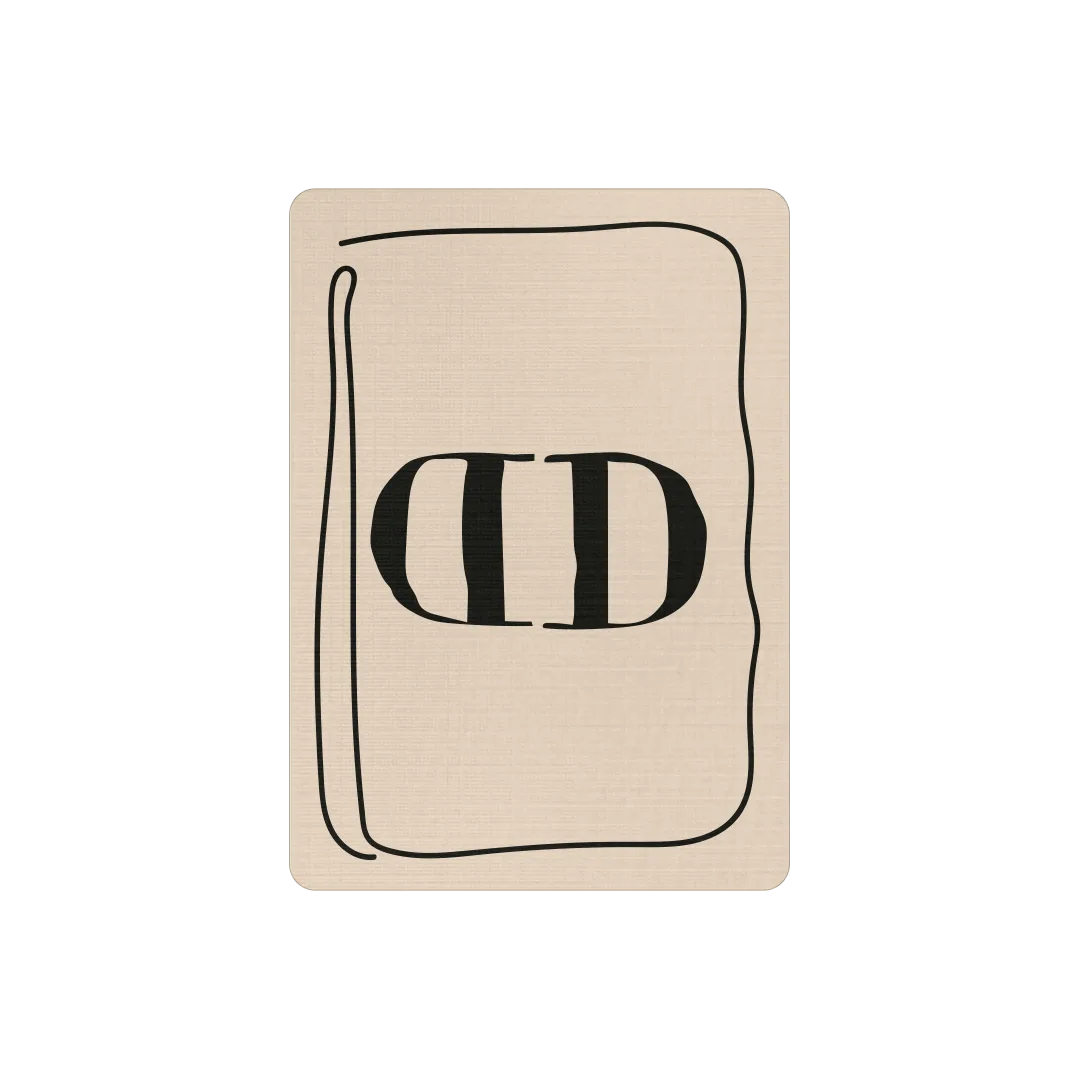
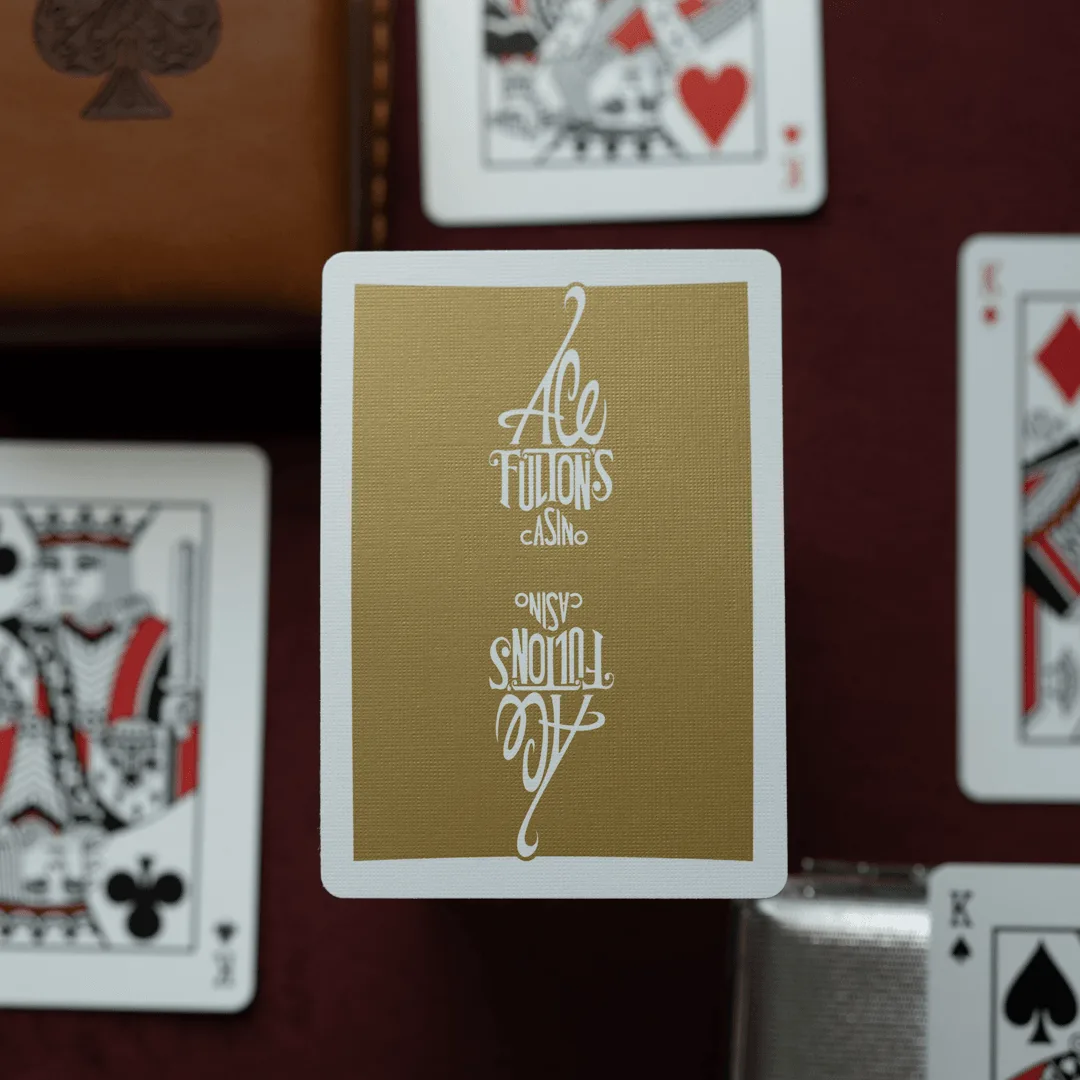
- Version 03: Version 03 is a 52-card regulation deck with 2 jokers and 2 info cards at 3.5 x 2.5 inches, printed in China on Japanese paper and pressed and finished to Dan and Dave's specifications. A standard-format deck means the sleights and spreads you drill transfer to almost any other deck you perform with.
- Version 06: Version 06 uses the same 52-card regulation format, 2 jokers, 2 info cards, Japanese paper, and the same pressing and finishing specifications. Because the handling format matches Version 03, you can rotate decks between sessions without relearning the feel.
- Version 09: Version 09 is also a 52-card regulation deck with 2 jokers and 2 info cards at 3.5 x 2.5 inches, printed in China on Japanese paper and finished to the same specifications. A third version gives you a rotation option so you are not wearing out a single deck or relying on one deck's condition.