Quick answer
Measure your cat from nose to tail base and from floor to top of head, then add 2-4 inches to each number. That final figure is the minimum interior size you should look for, because a carrier that is too small forces your cat to crouch and makes every trip more stressful. For most adult cats, a carrier around 18-20 inches long, 11-12 inches wide, and 11-12 inches tall works, but always confirm the interior dimensions rather than the exterior ones.
Measure your cat before you compare carriers
Use a soft tape measure and take three numbers while your cat stands naturally: nose to tail base, widest part of the chest, and floor to the top of the head. Write them down. If your cat is between sizes, size up rather than down, because a carrier that is slightly roomy is safer than one that pins the shoulders.
Carrier listings often quote exterior dimensions. Ask for or look for the interior measurement, since thick walls, frames, and padding can reduce usable space by an inch or more on each side. A carrier that looks large online can feel tight once the door and roof take their share.
- Nose to tail base plus 2-4 inches equals minimum interior length.
- Floor to top of head plus 2-4 inches equals minimum interior height.
- Chest width plus 1-2 inches equals minimum interior width.
- Weigh your cat and check the carrier's stated weight limit, not just its size.
Soft vs hard cat carrier: match the shell to the trip
Soft-sided carriers are lighter, often have more mesh panels, and can squeeze into a car footwell or under a seat. They are usually the better choice for short vet runs and for cats that settle better when they can see out. Hard-sided carriers hold their shape, are easier to wipe clean, and give more structural protection in a car, but they are bulkier to store and heavier to carry.
If you travel by plane, check the airline's specific under-seat dimensions before buying anything. Soft carriers are more likely to compress into tight spaces, but the final call belongs to the airline, not the product page. Measure the space under your own seat if you can, and keep the carrier's exterior dimensions within the published limit.
Ventilation and visibility change how your cat copes
Look for mesh on at least two sides, ideally three, so air moves through the carrier instead of trapping heat. Ventilation matters most on warm days and in cars, where a closed carrier can heat up quickly even with the windows down.
Visibility is a trade-off. Some cats calm down when they can watch what is happening; others do better with a carrier that can be partly covered. A carrier with mesh on multiple sides plus a lightweight cover gives you both options without buying twice.
Airline cat carrier tips and fit checks
Book the airline first, then buy the carrier. Each airline sets its own under-seat size and weight rules, and those rules can change by aircraft and cabin. Confirm the current limit in writing before you travel, and practice with the carrier at home so your cat is not meeting it for the first time at the gate.
Do a dry run: place the carrier on the floor, let your cat enter on its own, and close the door for a few minutes while you are nearby. If your cat cannot stand, turn around, and lie down without pressing against the sides, the carrier is too small for a long trip.
Decision rules for choosing a cat carrier
- Rule 1: Size from the interior, not the exterior: Add 2-4 inches to your cat's nose-to-tail-base and floor-to-head measurements, then compare only interior dimensions. If a listing gives exterior numbers only, treat the carrier as a maybe and keep looking. Your cat should be able to stand, turn, and lie down without touching the sides.
- Rule 2: Choose soft for cars and short trips, hard for structure: Soft-sided carriers win on weight, storage, and mesh airflow. Hard-sided carriers win on wipe-clean surfaces and shape retention in a crash-tested setup, but they are heavier and bulkier. Pick the shell that matches your most common trip, not your most exotic one.
- Rule 3: Confirm airline limits before you buy: Under-seat space and weight limits vary by airline and aircraft. Get the current rule in writing, then measure the carrier against it. A carrier that fits one airline may not fit another. No carrier is guaranteed for cabin travel until the airline confirms it.
Product facts that help with carrier decisions
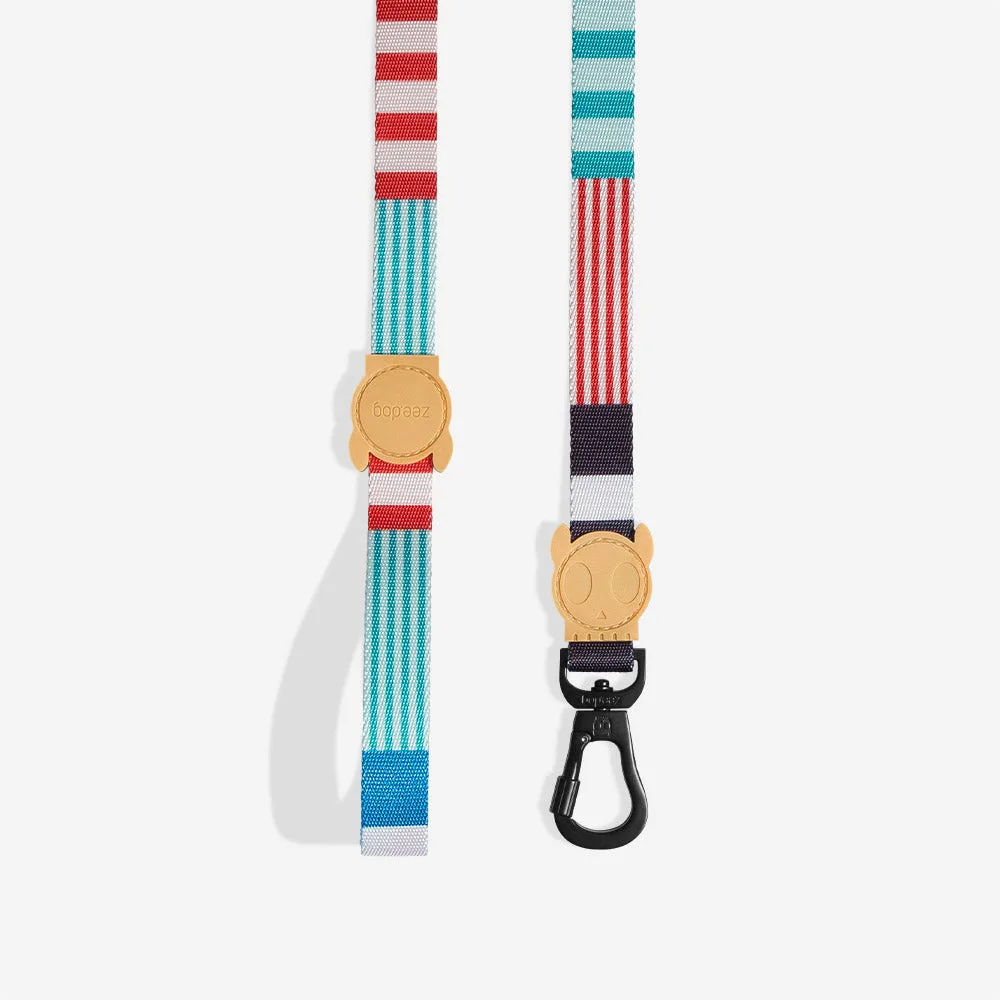
- H3D Jelly | Ruff Leash 2.0: The H3D Jelly Ruff Leash 2.0 is a shock-absorbing dog leash with a spring designed to absorb the impact of pulling, a cushioned neoprene handle, and a screw-lock super hook, available in two sizes. If you walk a dog and carry a cat carrier at the same time, a shock-absorbing leash reduces the jolt on your arm and the screw-lock hook adds a security check before you leave.
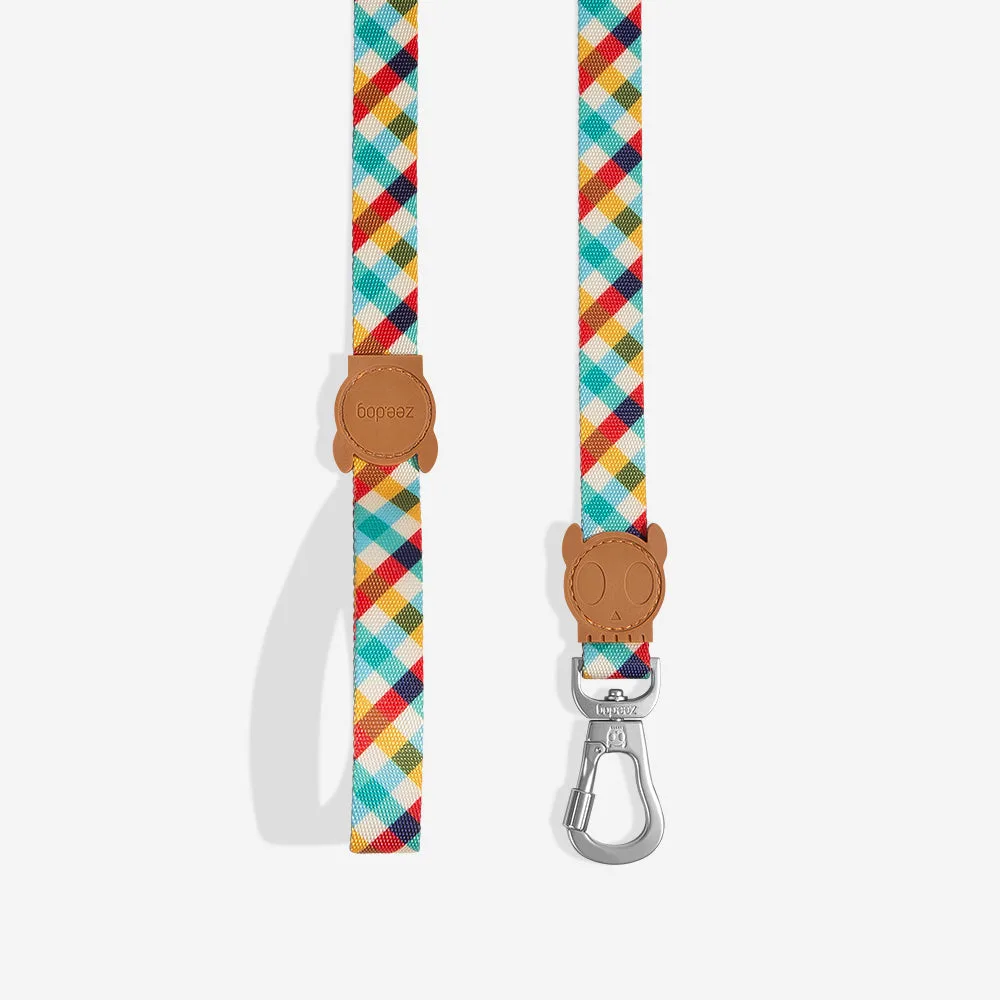
dog leash
- H3D Fly | Cat Collar: The H3D Fly Cat Collar is a quick-release collar made of super soft polyester, one size fits all, with a breakaway buckle that opens automatically if the cat gets stuck. A breakaway collar is the safer choice for a cat that may squeeze into tight spaces while you are packing or loading the carrier, because it releases instead of catching.
Who this carrier advice fits
Best for
- Owners buying their first carrier and unsure which measurements matter
- Cat owners who travel by car and want a lighter, easier-to-store carrier
- Owners flying with a cat who need to compare under-seat limits before buying
Not for
- Owners who need a carrier for a very large cat without first measuring interior space
- Anyone who wants a single carrier for both cabin flights and large dogs
- Shoppers looking for a carrier without confirming airline weight and size rules