Quick answer
For most cats, a mix of wand toys and interactive puzzle toys provides the best balance of exercise and mental stimulation. Laser pointers are great for high-energy play but can frustrate cats if they never catch anything. Choose based on your cat's age, energy level, and personality.
How each toy type works
Wand toys let you mimic prey movements like birds or mice, encouraging your cat to stalk, pounce, and chase. They build your bond through interactive play and let your cat physically catch the toy, which satisfies their hunting instinct. Laser pointers create an uncatchable red dot that triggers intense chasing, but because the dot disappears, some cats become frustrated or obsessive. Interactive puzzle toys, like treat-dispensing balls or sliding puzzles, challenge your cat to solve a problem for a reward, which is excellent for mental enrichment and independent play.
Choosing based on your cat's personality
High-energy kittens and young cats often love the fast, unpredictable movement of a laser pointer, but you should always end a laser session by landing the dot on a physical toy or treat they can catch. Laid-back or senior cats may prefer the slower, tactile engagement of a wand toy or the gentle challenge of a puzzle toy. Cats that get bored easily or need to burn mental energy benefit most from puzzle toys that hide treats or kibble.
Trade-offs at a glance
- Wand toys: Great for bonding and satisfying the hunting drive. You control the movement and your cat can catch the toy. Requires your active participation. Best for owners who can commit to daily interactive play sessions.
- Laser pointers: Excellent for high-energy cats that love to sprint and leap. Provides intense exercise in a small space. Risk of frustration if the cat never catches anything. Always end on a physical toy or treat to avoid obsessive behavior.
- Interactive puzzle toys: Perfect for mental stimulation and independent play. Keeps cats busy while you're away. Some cats may lose interest if the puzzle is too easy or too hard. Rotate puzzles and adjust difficulty to keep your cat challenged.
Toy features that matter
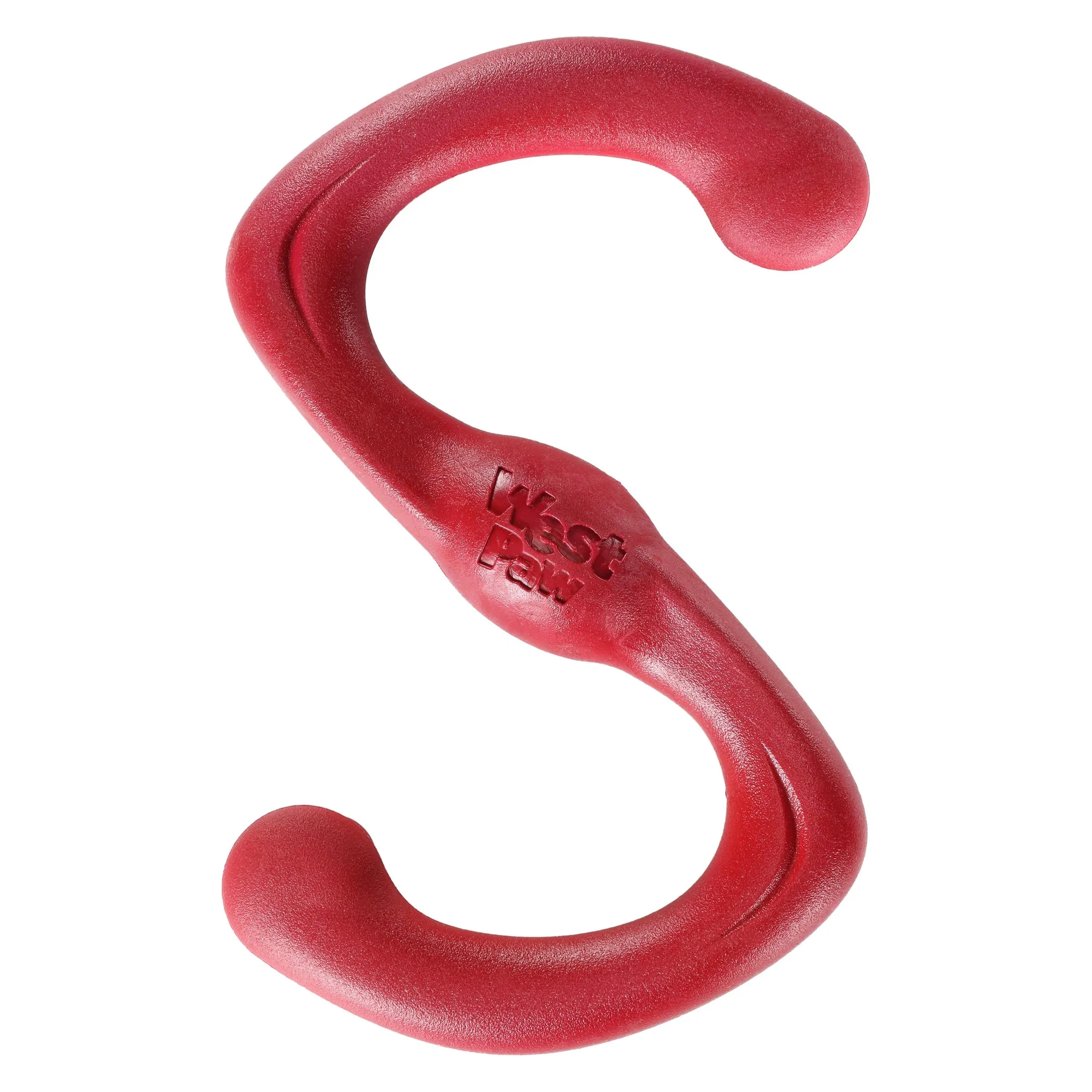
- Freedom "Mini" Dog Tug | 1 Handle: The Freedom Mini Dog Tug is a blend of softness and strength, designed for training and play. Heavy-duty construction stands up to enthusiastic tuggers. Best suited for XS to Medium dogs or any pet parent wanting a smaller tug. While designed for dogs, this tug's soft yet durable material and small size can work as a wand toy attachment for cats that enjoy a gentle, interactive tug or chase game. Its strength means it won't fray quickly during enthusiastic play.
- Qwizl: The Qwizl is a super tough treat toy designed to extend the life of expensive dog treats while keeping dogs busy. Side openings release scent and taste, and the continuous interior hole allows treats to extend out. Flexible ridges grip multiple sizes of treats. This interactive puzzle toy is built for tough chewers, making it ideal for cats that like to paw, bat, and work for their treats. The side openings and flexible ridges keep them engaged longer than a simple treat ball.
Which cat toy type is right for your cat?
Best for
- Cats that love to chase and need a workout: laser pointers (with a catchable reward)
- Cats that enjoy bonding and interactive play: wand toys
- Cats that need mental enrichment and independent play: interactive puzzle toys
Not ideal for
- Cats that get easily frustrated: laser pointers without a physical reward
- Owners with limited time for play: wand toys (require your active participation)
- Cats that lose interest quickly: simple puzzle toys without adjustable difficulty