Quick answer
Use a centella asiatica calming sheet mask two to three times a week while your skin is actively red, then drop to once a week for maintenance. If your skin stings, burns, or feels hot during wear, remove the mask immediately and treat that as a sign to space sessions further apart, not to mask more often.
Why centella asiatica suits a redness-focused routine
Centella asiatica is a plant extract long used in Korean skincare for calming and comforting the look of stressed skin. In a sheet mask format, the benefit is mostly about delivery: the mask holds hydration against your face for 10 to 20 minutes, which temporarily softens the tight, hot feeling that often comes with redness. That makes it a good fit for a sensitive skin routine, but it does not replace a barrier cream or sunscreen.
The Centella Asiatica Calming Mask (10 Sheets) pairs centella with green tea and mugwort extracts, plus three types of hyaluronic acid for deep hydration in minutes. Green tea and mugwort are both traditional soothing botanicals, so the formula is built around comfort rather than exfoliation or brightening. Because sheet masks are single-use and pre-soaked, you cannot adjust the concentration, so frequency is your main control.
How to read your skin before you mask
Frequency should follow what your skin is doing, not a fixed calendar. Check for three things before opening a mask: whether the redness is constant or comes and goes, whether products that normally feel fine now sting, and whether your skin feels tight or looks flaky. Constant redness with stinging points to a compromised barrier, and that is when you should mask less, not more.
If redness is tied to a known trigger such as sun exposure, a new active, or a hot shower, a single calming mask that evening is reasonable. If redness is unexplained and persistent, see a dermatologist rather than self-treating with more sheet masks.
How to layer a calming mask with the rest of your routine
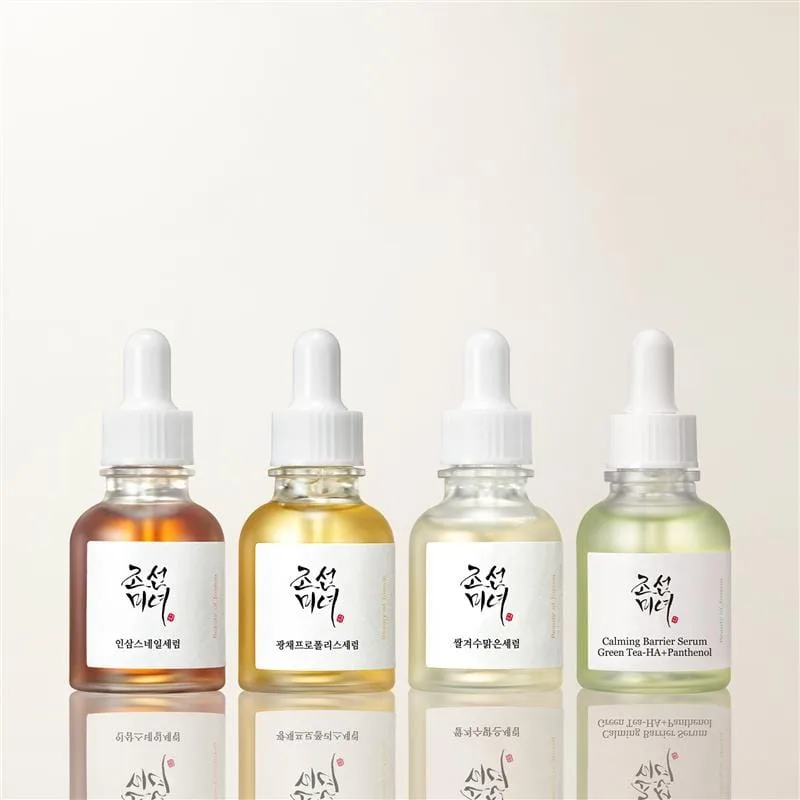
Order matters more than most people expect. Cleanse gently, apply your lightest hydrating layer such as a toner or essence, then place the mask. After removing it, press the remaining essence in and seal with a moisturizer. If you use the Glow Serum : Propolis + Niacinamide, apply it after the mask and before moisturizer so the niacinamide and propolis sit on top of the hydration rather than under a sheet.
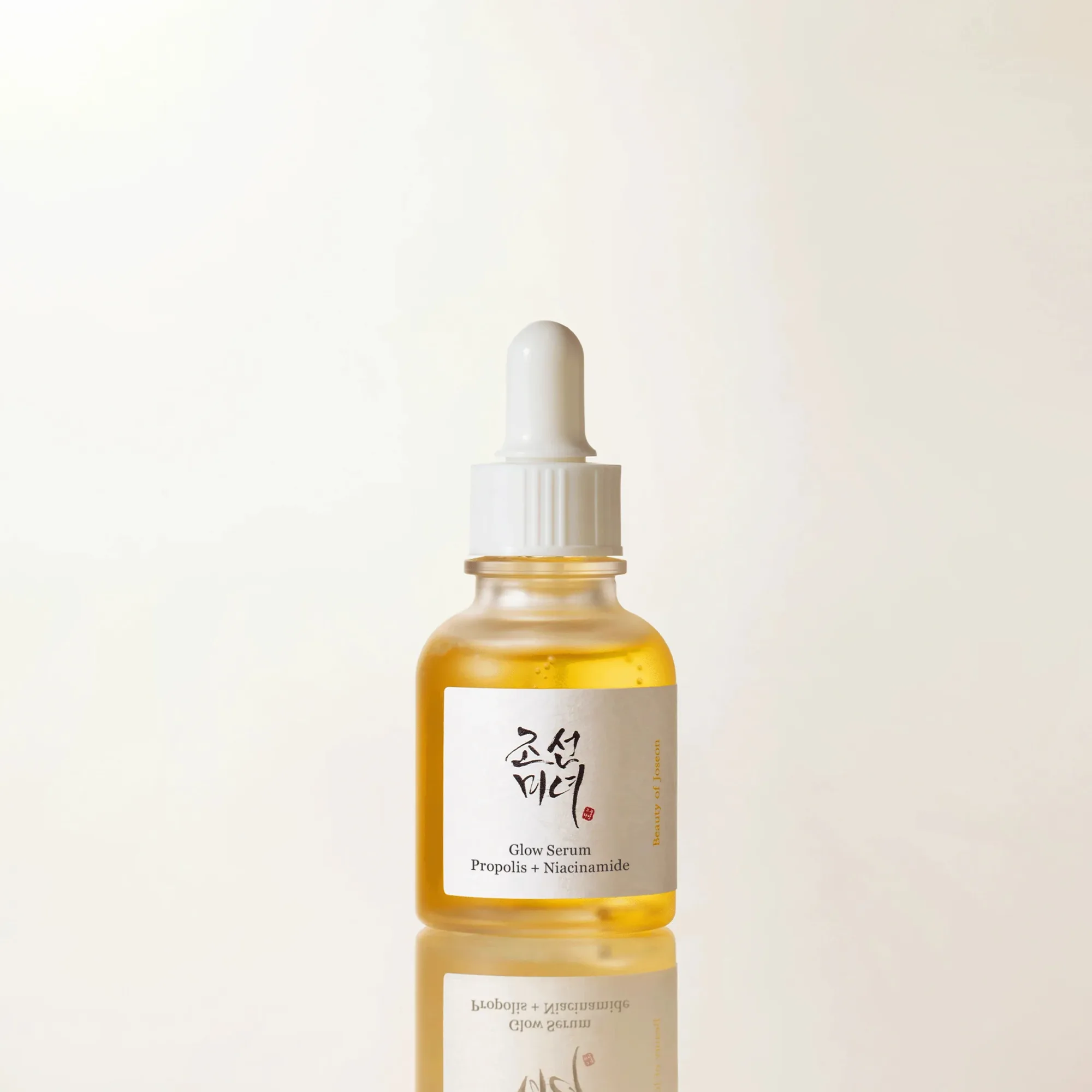
Glow Serum : Propolis + Niacinamide
Skip exfoliating acids, retinoids, and strong vitamin C on mask nights. Those actives plus a 15-minute occlusive sheet can push already-irritated skin past its limit. Save them for a different evening so you can tell which product caused any reaction.
Signs you are masking too often
Sheet masks are occlusive, meaning they trap moisture and whatever is on your skin against your face. For most people that is helpful, but daily use can leave sensitive skin feeling soggy, more reactive, or newly bumpy. If redness increases after masking rather than settling within an hour, cut back to once a week and reassess after two weeks.
Do not judge a calming mask by the first five minutes. A cool, wet sheet feels soothing to almost everyone. The real test is how your skin looks and feels the next morning, which is why spacing sessions gives you cleaner information.
Your step-by-step calming mask routine
- 1. Start with a gentle cleanse: Use lukewarm water and a non-stripping cleanser, then pat dry instead of rubbing. If your skin feels tight right after cleansing, your cleanser is too harsh and the mask will not fix that. Checkpoint: no stinging or squeaky-tight feeling before you continue.
- 2. Apply a light hydrating layer first: Press in a toner or essence while skin is still slightly damp. This gives the sheet mask something to hold against your skin and reduces the chance of the mask drying out your face as it sits. Checkpoint: skin should feel damp, not dripping.
- 3. Place the mask and set a timer: Smooth the sheet over your face, pressing out air bubbles around the nose and jaw. Leave it on for 10 to 20 minutes. Do not leave it on until it dries out, because a drying sheet pulls moisture back out of your skin. Checkpoint: remove it while the mask is still damp.
- 4. Press in the leftover essence: Remove the mask and gently pat the remaining essence into your skin. There is no need to rinse unless the formula feels sticky or you are prone to congestion. Common mistake: rubbing the essence in aggressively, which can worsen visible redness.
- 5. Seal with moisturizer: Follow with your usual moisturizer to lock in the hydration. If you use a serum, apply it between the mask and the moisturizer so it is not blocked by the sheet. Checkpoint: skin should feel calm and comfortable, not hot or itchy.
- 6. Plan the next session, not the next mask: During an active redness phase, repeat two to three times a week. Once redness settles, move to once a week. If your skin reacts after a session, wait at least four days before trying again. Common mistake: masking daily to speed up results, which often increases reactivity instead.
Product facts that affect how you use it
- Centella Asiatica Calming Mask (10 Sheets): These lightweight sheet masks stick comfortably to your face without slipping off, and are infused with green tea and mugwort extracts plus three types of hyaluronic acid for deep hydration in minutes. Because the mask stays in place, you can wear it while doing other tasks, but the hydrating focus means it is a comfort step, not a treatment for active breakouts or pigmentation.