Quick answer
For most Fujifilm shooters, the right CFexpress Type B card comes down to write speed and capacity, not read speed. If you shoot high-bitrate video or long bursts, choose the SanDisk Extreme PRO 512GB or 256GB with 1200MB/s write; if you mainly shoot stills and transfer files often, the 64GB card with 800MB/s write is enough. Buy the fastest write speed you can afford, then size the capacity to a single shoot day.
Write speed matters more than read speed
Every CFexpress Type B card here reads at 1700MB/s, so offloading to your computer feels similar across the range. The difference shows up while recording: write speed determines whether the buffer clears fast enough for sustained bursts or high-bitrate video. The 512GB and 256GB SanDisk Extreme PRO cards write at 1200MB/s, while the 64GB card writes at 800MB/s. That gap is the single most important spec when choosing a card for a demanding camera.
Capacity: match the card to a shoot day, not a whole year
It is tempting to buy one huge card and never think about storage again, but professionals usually prefer two or three mid-size cards over a single large one. Splitting a shoot across cards limits how much work you lose if a card fails and makes offloading faster. The 512GB card suits multi-day trips or long interview days where you cannot stop to swap. The 256GB card is the practical middle ground for a full day of stills and short clips. The 64GB card works well as a backup or for photographers who offload every evening.
Check compatibility before you buy
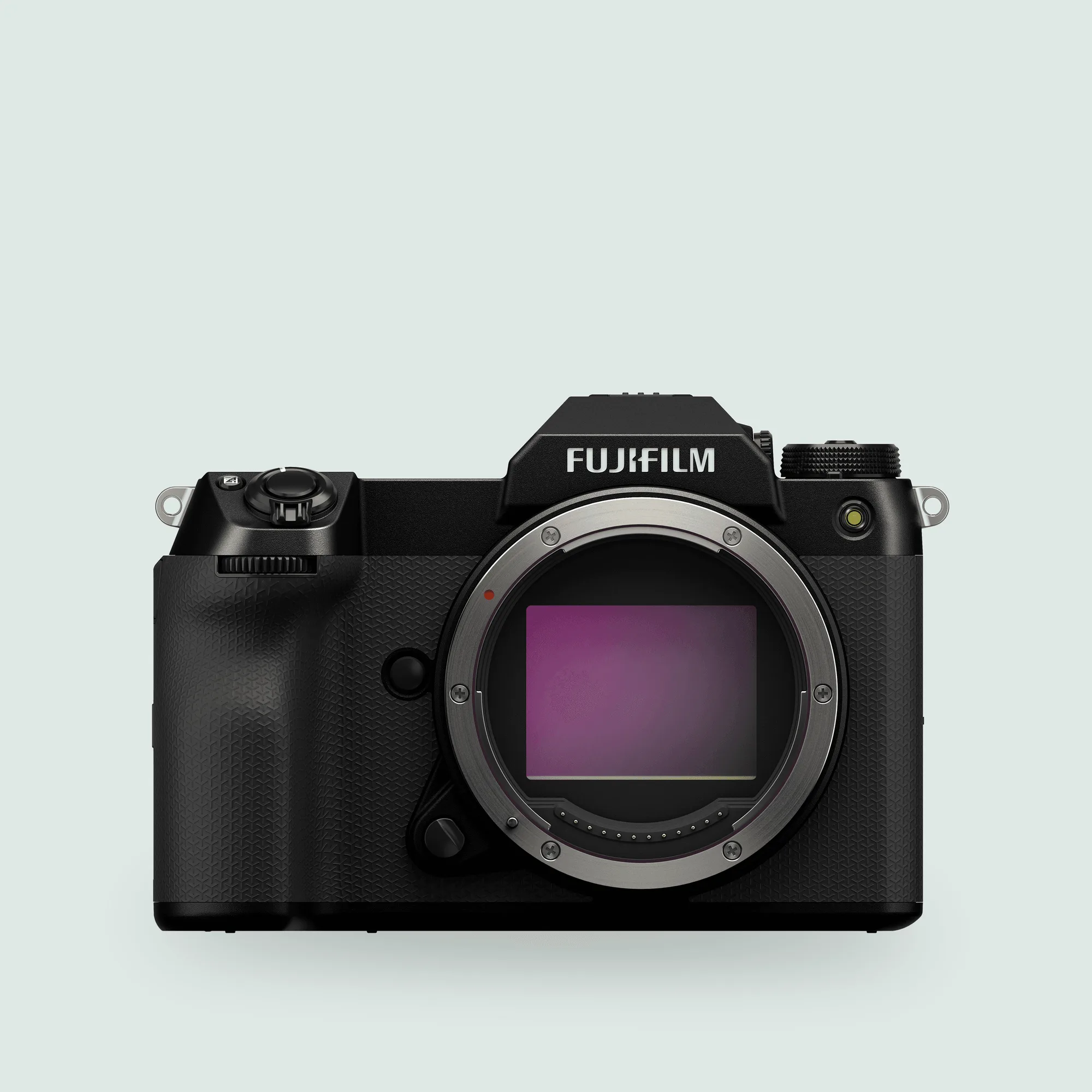
CFexpress Type B is a physical form factor, not a guarantee that every camera supports every card. Confirm your camera's slot type in the manual, and check whether a firmware update is required for full speed. The GFX100S II uses CFexpress Type B, so these SanDisk cards are a sensible match, but older Fujifilm bodies may use SD instead. If your camera only takes SD cards, a CFexpress card will not fit at all.
How to choose between the three capacities
Start with your largest single recording. If you shoot 4K or 6K video for more than a few minutes at a time, the 64GB card will fill quickly and its 800MB/s write speed may limit longer takes. Move up to the 256GB or 512GB cards for 1200MB/s write and more headroom. For stills-only shooters, the 64GB card is often plenty, especially if you cull and back up daily. If you are unsure, the 256GB card is the safest single-card purchase because it balances speed and capacity without the premium of the 512GB.
Decision rules for buying a CFexpress Type B card
- Rule 1: Pick write speed first: If you record 4K or 6K video or shoot long bursts, choose a card with at least 1200MB/s write, such as the 256GB or 512GB SanDisk Extreme PRO. The 64GB card's 800MB/s write is the limiting factor for sustained capture. Video-first shooters should skip the 64GB card.
- Rule 2: Size to one shoot day: Estimate how much you record before you can offload. A 64GB card covers a light stills day; 256GB covers a full day of mixed stills and short clips; 512GB covers multi-day or all-day video. Buy two smaller cards instead of one huge card if your work is critical.
- Rule 3: Verify your camera slot: CFexpress Type B only fits cameras with a Type B slot. Check your manual before ordering, and update firmware if the manufacturer requires it for full speed. No Type B slot means these cards are not an option.
- Rule 4: Budget for a reader: These cards need a CFexpress Type B reader to reach their rated transfer speeds. A slow USB reader will bottleneck your offload even with a fast card. Factor a compatible reader into the total cost.
Cards in this guide
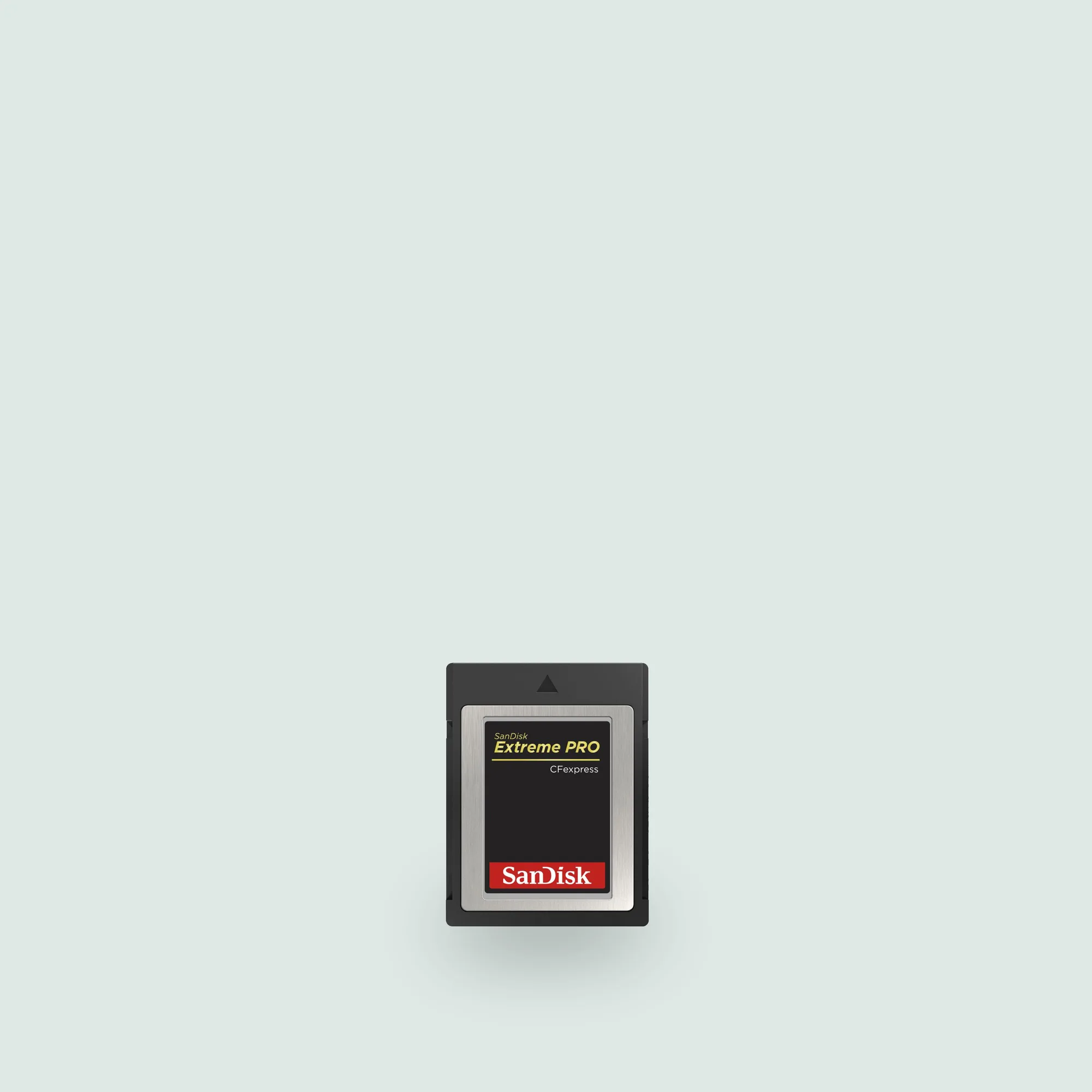
- SanDisk Extreme PRO 512GB CFexpress Card Type B 1400MB/s W 1700MB/s R: 512GB capacity with read speeds up to 1700MB/s and write speeds up to 1400MB/s. The highest write speed here clears the buffer fastest and holds the most footage, making it the best choice for long video shoots and heavy burst work.
- SanDisk Extreme PRO 64GB CFexpress Card Type B 1500MB/s W 800MB/s R: 64GB capacity with read speeds up to 1500MB/s and write speeds up to 800MB/s. The lowest write speed and smallest capacity in this group, so it suits stills shooters and backup use rather than sustained high-bitrate video.
- SanDisk Extreme PRO 256GB CFexpress Card Type B 1200MB/s W 1700MB/s R: 256GB capacity with read speeds up to 1700MB/s and write speeds up to 1200MB/s. A balanced middle option: fast enough for demanding video and large enough for a full day, without the cost of the 512GB card.
- Fujifilm GFX100S II: The Fujifilm GFX100S II uses the CFexpress Type B form factor and is available as a kit. Confirms that these SanDisk CFexpress Type B cards are a compatible match for this large-format camera.
Who should buy which card
Best for
- Fujifilm GFX100S II owners who need a compatible high-speed card
- Photographers and videographers shooting 4K or 6K who need 1200MB/s or faster write speeds
- Shooters who want a reliable primary card for a full day of mixed stills and video
Not for
- Cameras with SD-only slots, which cannot accept CFexpress Type B cards
- Buyers who never offload and want a single long-term archive card
- Casual shooters who rarely exceed a few hundred images per session and would be better served by a smaller, cheaper SD card