Quick answer
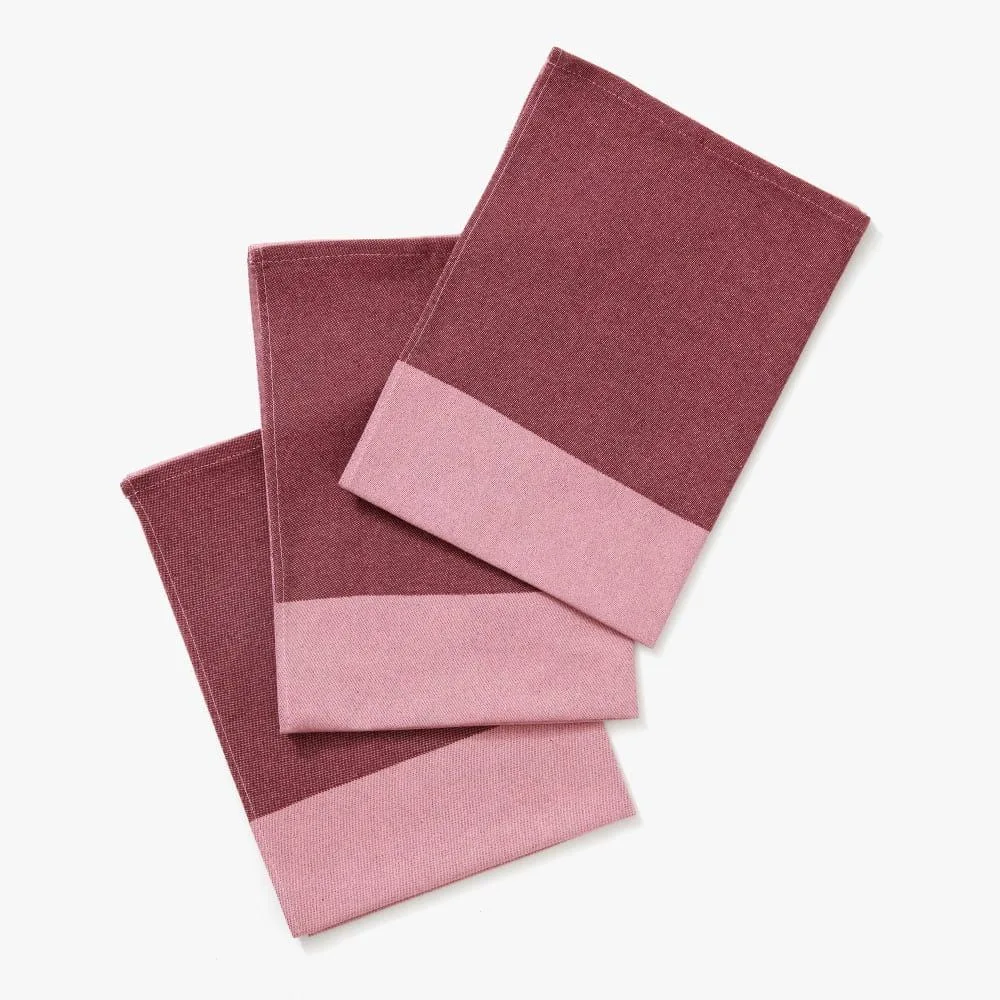
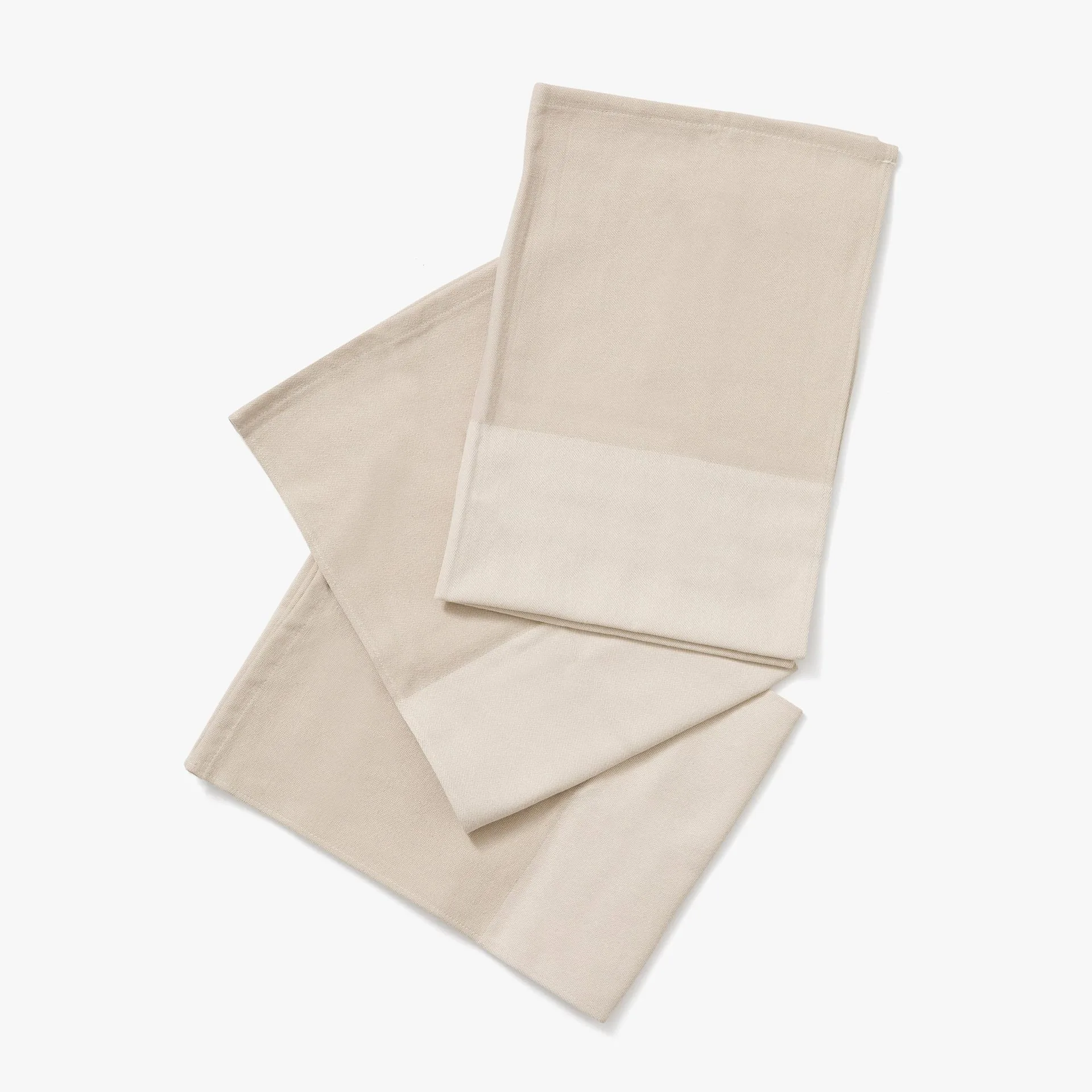
Chef's towels are typically larger, flatter, and woven for fast moisture pickup and heat handling, while kitchen towels are often smaller, plusher, and built for general drying. If you cook often or work near hot pans, start with a set of chef's towels like the Paprika Red Chef's Towels - Set of 3; if you mainly dry hands and dishes, a standard kitchen towel can be enough.
Size and weave: the practical split
The main difference comes down to dimensions and weave density. Chef's towels are usually cut longer and wider so you can fold them over a waist apron string or grab a pan handle without exposing your hand. Their weave is flatter and tighter, which helps them absorb quickly and release moisture when wrung out. Kitchen towels tend to be smaller and may use a looped or plusher weave that feels softer on skin but holds water longer and dries more slowly between uses.
That doesn't make one better overall. A flatter chef's towel is easier to snap dry and reuse during a single cooking session. A plusher kitchen towel is more comfortable for wiping counters or drying hands at a casual pace. If you have limited drawer space, measure before buying: a large chef's towel folded in thirds still takes more room than a standard kitchen towel.
Absorbency and heat handling in real use
Absorbency depends on fiber and weave, not just thickness. A tight, flat weave can wick water from a wet counter or a just-rinsed vegetable faster than a thick terry towel because there's less air trapped between loops. For heat handling, a dry, tightly woven towel gives you a more reliable barrier than a fluffy one, which can have thin spots when folded.
Neither type is fireproof or designed for prolonged contact with hot surfaces. Use a dry towel, fold it to create layers, and keep it away from open flames. If you regularly move cast iron or sheet pans, a dedicated chef's towel that stays dry near the stove is a safer habit than grabbing whatever is hanging on the oven door.
How many you actually need
A working kitchen benefits from having at least three towels in rotation: one for drying hands, one for wiping counters, and one kept dry for hot cookware. A set of three chef's towels covers that without mixing tasks. If you only cook a few times a week, two kitchen towels plus one chef's towel can be enough.
Rotate and wash them after heavy use. Oily towels lose absorbency quickly, and a damp towel left on the counter can harbor odors. Having a spare set means you're never stuck using a wet towel for a dry task.
Trade-offs to weigh
- Chef's towel: fast-drying and heat-friendly: Flatter weave absorbs quickly and wrings out easily, but feels less plush against skin and may be too large for small kitchens. Choose this if you cook often and want one towel that can handle wet and hot tasks.
- Kitchen towel: soft and comfortable: Softer hand feel and smaller size suit hand drying and light cleanup, but plusher weaves hold moisture longer and dry slower. Choose this if your main needs are drying dishes and hands, not managing hot pans.
- Mixing both in one kitchen: Keep a chef's towel near the stove for hot cookware and a kitchen towel by the sink for hands and counters. Label or color-code them so the dry towel stays dry.
Product facts
- Paprika Red Chef's Towels - Set of 3: Set includes three chef's towels in a vibrant paprika red color, designed for everyday kitchen use including wiping, drying, and handling hot cookware. A three-towel set lets you assign one to hands, one to counters, and one to hot pans without cross-contamination.
- Fish Spatula - Harissa Red: Fish Spatula in Harissa Red is designed specifically for handling fish and delicate foods, with a vibrant finish. A thin, flexible spatula supports delicate proteins better than a stiff turner, so it pairs well with a chef's towel for patting fish dry before searing.
Which should you choose?
Best for
- Home cooks who sear, roast, or handle hot pans often
- Anyone who wants a set of three towels to separate drying, wiping, and heat tasks
Not for
- Buyers who prefer a plush, soft towel for drying hands and dishes only
- Very small kitchens with minimal drawer or rail space