Green tea is one of the most beloved beverages worldwide, but not all green teas are created equal. Two major traditions—Chinese and Japanese—produce distinctly different teas in terms of flavor, aroma, color, and even health benefits. Whether you're a curious beginner or a seasoned tea lover, understanding these differences can help you choose the perfect cup for your palate.
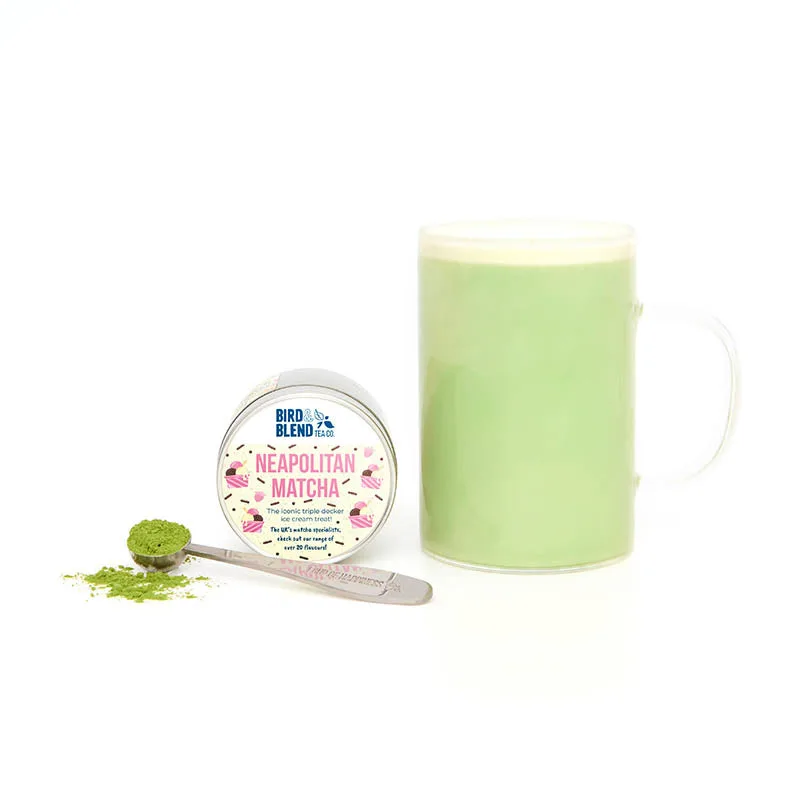
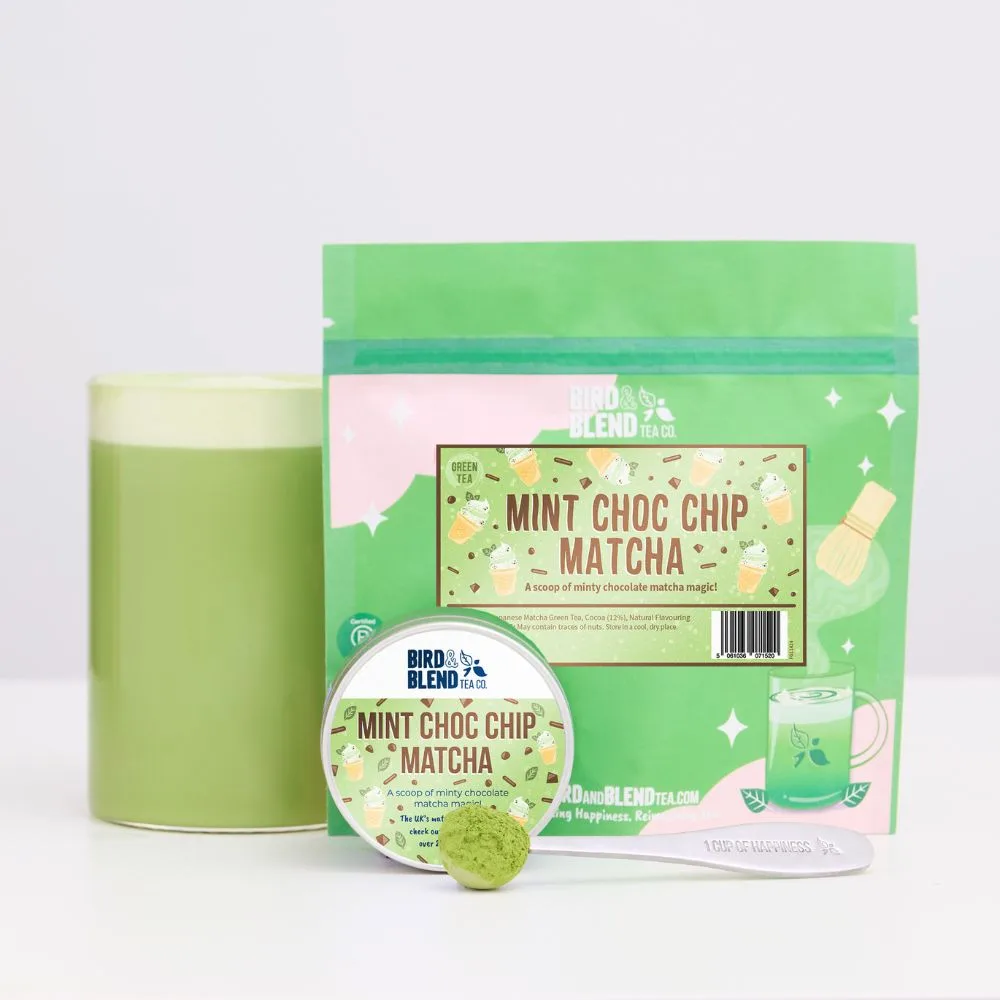
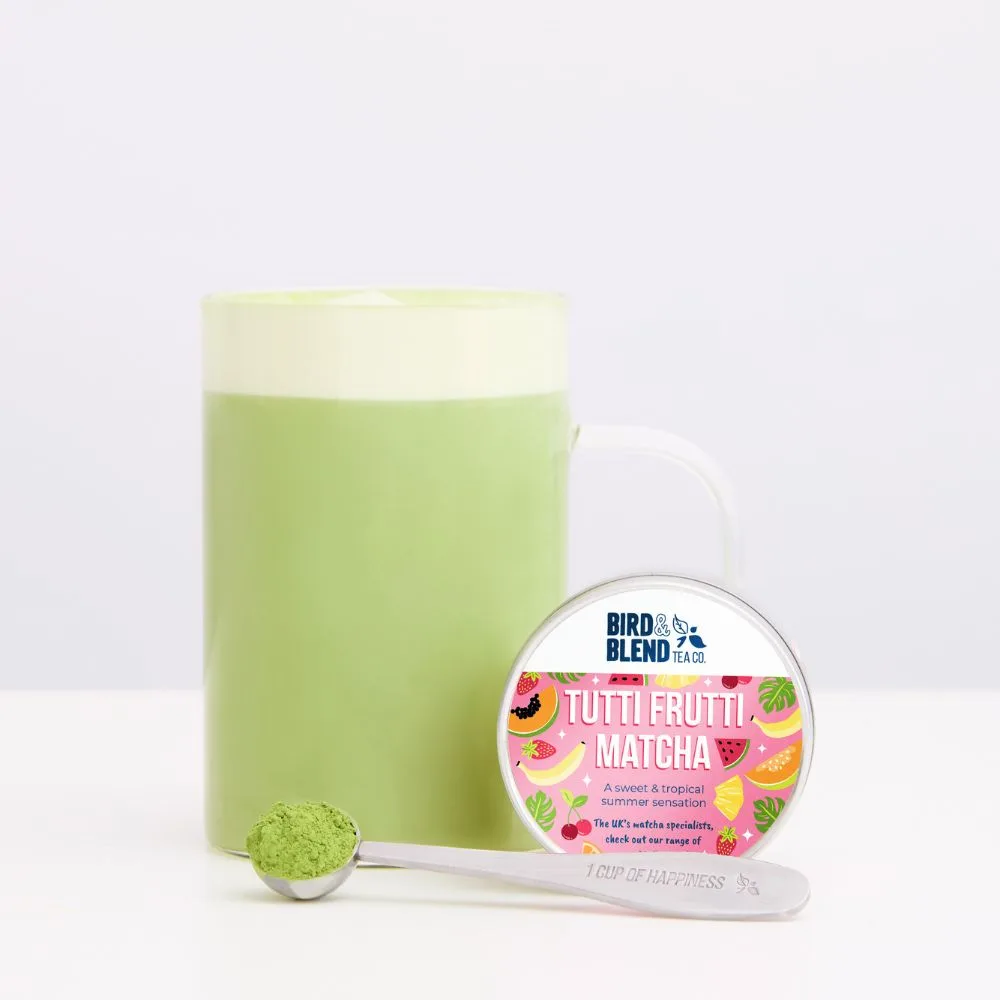
In this guide, we'll explore the origins, processing methods, flavor profiles, and cultural significance of Chinese versus Japanese green tea. We'll also highlight some of our favorite blends from Bird & Blend Tea Co., including the unique Mince Pie Matcha and the classic Surrey Hills Tea, to help you experience these traditions firsthand.

Surrey Hills Tea
Processing Methods: Steaming vs. Pan-Firing
The most fundamental difference between Chinese and Japanese green tea lies in how the leaves are processed after harvesting. Japanese green tea is typically steamed to halt oxidation, a method that preserves the leaves' vibrant green color and creates a grassy, vegetal flavor. This steaming process also locks in more catechins and amino acids, giving Japanese teas like Sencha and Gyokuro their characteristic umami taste.
In contrast, Chinese green tea is usually pan-fired or roasted in a wok. This dry-heat method imparts a toasty, nutty, or even slightly smoky flavor, depending on the roast level. Pan-firing also produces a more yellowish-green liquor and a milder, less grassy taste. Famous Chinese green teas like Longjing (Dragon Well) and Biluochun are celebrated for their smooth, chestnut-like notes.
- Japanese tea: steamed → bright green liquor, grassy, umami flavors
- Chinese tea: pan-fired → yellow-green liquor, toasty, nutty flavors
Flavor Profiles: Umami vs. Vegetal Sweetness
Flavor is where the two traditions truly diverge. Japanese green tea is renowned for its umami—a savory, broth-like richness that comes from high levels of L-theanine, an amino acid. This makes teas like Matcha and Gyokuro incredibly smooth and satisfying, with a lingering sweetness. If you enjoy a creamy, almost marine-like taste, Japanese green tea is your go-to.
Chinese green tea, on the other hand, tends to be more delicate and sweet, with notes of chestnut, orchid, or even fresh hay. The pan-firing process reduces grassy notes, resulting in a cleaner, more floral cup. For example, a well-made Longjing has a distinct chestnut aroma and a mellow, lingering finish. This makes Chinese green tea an excellent choice for those who prefer a lighter, less savory brew.
- Japanese: umami, creamy, marine notes (e.g., Matcha, Sencha)
- Chinese: chestnut, floral, clean finish (e.g., Longjing, Biluochun)
Appearance and Brewing: Color, Leaf Shape, and Temperature
Japanese green tea leaves are often needle-like and dark green, thanks to the steaming process. When brewed, the liquor is a bright, almost fluorescent green. Because of the delicate leaves, Japanese green tea is best brewed at lower temperatures—around 70–80°C (158–176°F)—to avoid bitterness. Steeping times are short, typically 1–2 minutes.
Chinese green tea leaves vary widely in shape: flat and sword-like (Longjing), curly and spiral (Biluochun), or even rolled into pearls (Jasmine Pearls). The liquor is usually a pale yellow or light green. Chinese green teas can handle slightly hotter water—75–85°C (167–185°F)—and longer steeping times of 2–3 minutes. This versatility makes them forgiving for beginners.
- Japanese: needle-like leaves, bright green liquor, low temp (70–80°C)
- Chinese: varied leaf shapes, pale liquor, moderate temp (75–85°C)
Cultural Context and Rituals
Green tea is deeply woven into the cultural fabric of both countries, but the rituals differ. In Japan, the tea ceremony (Chanoyu) is a meditative practice centered around Matcha, a powdered green tea whisked with hot water. The ceremony emphasizes harmony, respect, purity, and tranquility. Even daily tea drinking in Japan often involves a kyusu (small teapot) and careful attention to water temperature and steeping time.
In China, tea is more often enjoyed casually, with a focus on the leaves themselves. Gongfu cha (the 'tea art' of brewing with small vessels) is a popular method for high-quality oolongs and green teas, allowing multiple short infusions to savor the evolving flavor. Chinese green tea is also frequently gifted and shared during business meetings or family gatherings, symbolizing respect and hospitality.
- Japanese: ceremonial Matcha, precise brewing, meditative
- Chinese: gongfu cha, multiple infusions, social gifting
Which One Should You Choose?
Your choice between Chinese and Japanese green tea ultimately depends on your personal taste preferences and how you plan to enjoy it. If you love savory, creamy flavors and don't mind a bit of grassiness, Japanese green tea—especially Matcha or Sencha—will delight you. For a lighter, sweeter, and more floral experience, Chinese green tea is the way to go.
At Bird & Blend Tea Co., we celebrate both traditions with unique blends that honor these origins. For a Japanese-inspired treat, try our Mince Pie Matcha, a festive twist on classic Matcha that combines the umami of Japanese green tea with warming spices and dried fruit notes. If you prefer a more classic Chinese-style cup, our Surrey Hills Tea offers a smooth, malty black tea base with hints of vanilla and caramel—perfect for those who enjoy a comforting, aromatic brew.
- Love umami? → Japanese green tea (Matcha, Sencha)
- Prefer floral/sweet? → Chinese green tea (Longjing, Biluochun)
- Want to experiment? → Try our Mince Pie Matcha or Surrey Hills Tea
Whether you lean toward the grassy, umami richness of Japanese green tea or the toasty, floral elegance of Chinese green tea, each tradition offers a world of flavor to explore. Start your journey with a cup of Mince Pie Matcha for a taste of Japan, or browse our full selection of green teas at Bird & Blend Tea Co. to find your perfect brew. Happy steeping!